
Mystrium barrybressleri
- Sci. Name
- Mystrium barrybressleri
- Tribe
- Amblyoponini
- Subfamily
- Amblyoponinae
- Author
- Yoshimura & Fisher, 2014
- Distribution
- Found in 1 countries
Introduction
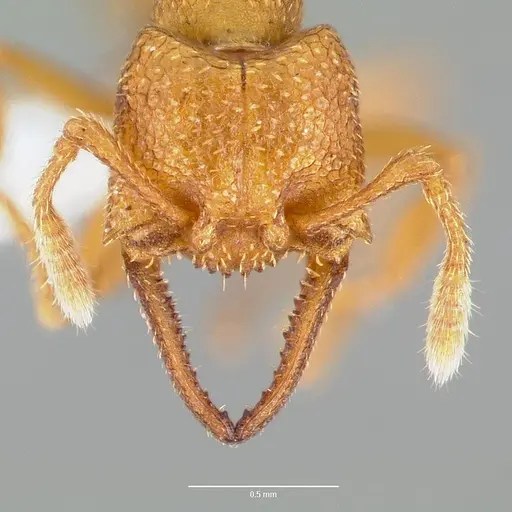
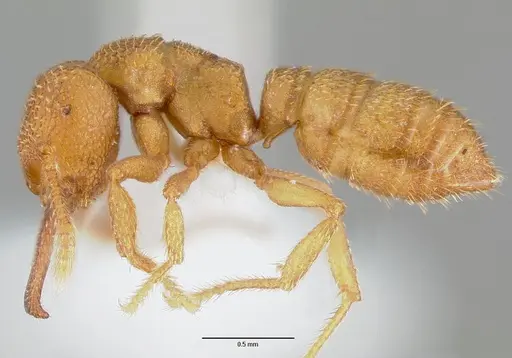
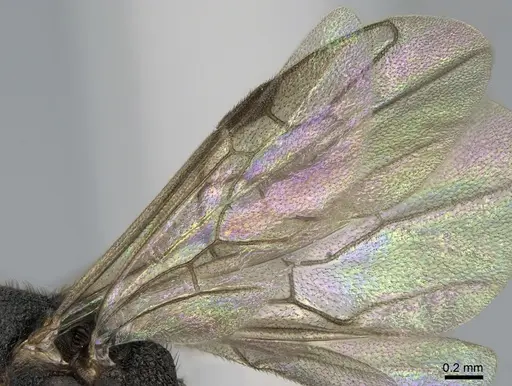
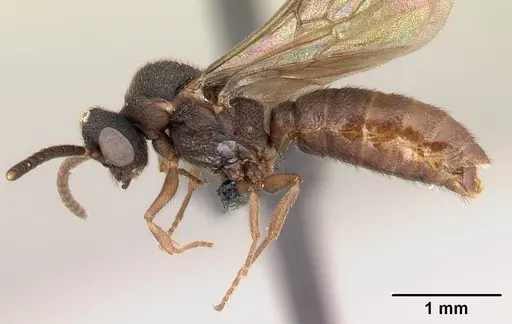
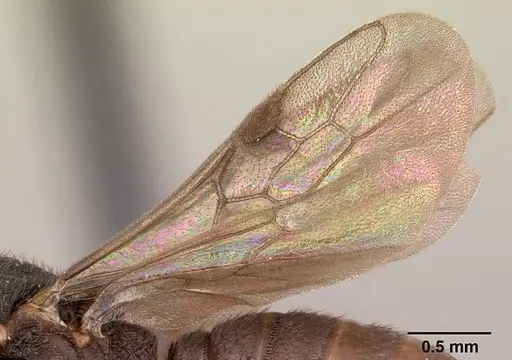
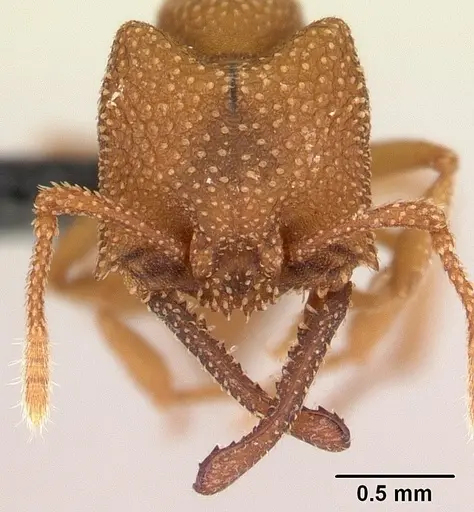
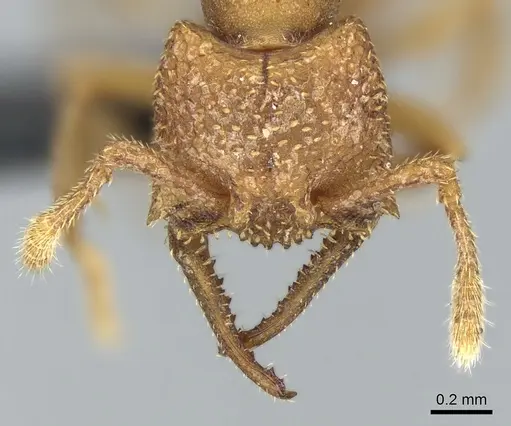
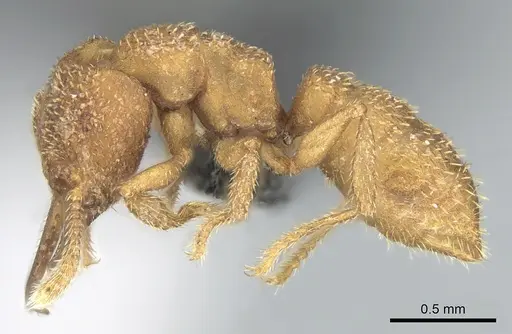
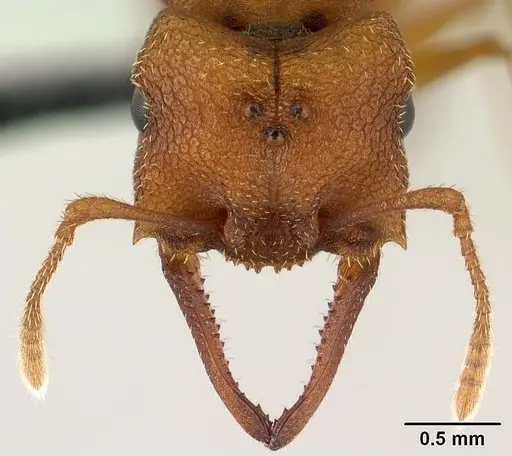
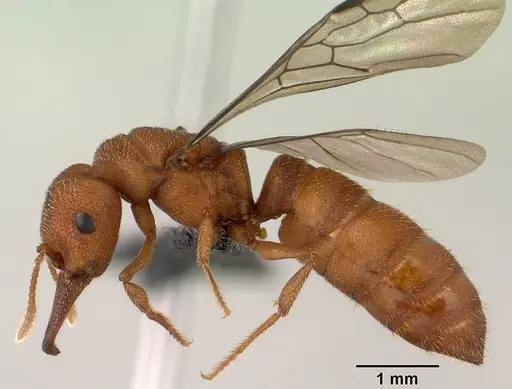
Mystrium barrybressleri is a small ant species endemic to Madagascar, belonging to the Amblyoponinae subfamily. Workers display a distinctive extremely wide petiole and range from yellowish brown to reddish brown in color. Queens are yellow to yellowish brown with fully developed wings, while males are reddish brown to blackish brown. A notable feature is the presence of two worker castes: major workers with curved apical teeth and minor workers with straight apical teeth. This species inhabits rainforests and montane rainforests throughout Madagascar, with a distribution pattern similar to forest-dwelling Tetramorium species. The genus Mystrium is known for unusual colony structures and specialized predatory behaviors, though specific details for M. barrybressleri remain unstudied.
Quick Summary
- Difficulty: Expert
- Origin & Habitat: Madagascar, found exclusively in rainforest and montane rainforest habitats throughout the island [1][2][3]
- Colony Type: Unconfirmed. Colony structure has not been documented in scientific literature. The genus Mystrium is known for complex social structures, but specific colony organization for M. barrybressleri is unknown.
- Size & Growth:
- Queen: Size data unavailable, no total length measurements exist. Based on Mystrium genus patterns, queens likely measure approximately 4-6mm. Signal: inferred from genus.
- Worker: Size data unavailable, no total length measurements exist. Based on Mystrium genus patterns, workers likely measure approximately 3-5mm. Signal: inferred from genus.
- Colony: Unknown. No colony size data exists for this species.
- Growth: Unknown. No development timing data exists for this species.
- Development: Unknown. No development data exists for this species or close relatives. (This is one of the least-studied ant species in the hobby. All timing information must be treated as estimates based on general Amblyoponinae patterns.)
- Antkeeping:
- Temperature: Likely requires warm, stable conditions. Based on habitat data from montane rainforest locations (including Montagne d'Ambre), expect a range of 22-26°C. Start at room temperature if within this range and adjust based on colony activity. Signal: inferred from habitat [1].
- Humidity: Requires high humidity, think damp forest floor. Keep nest substrate consistently moist but not waterlogged. Provide a humidity gradient so ants can choose their preferred zone. Based on habitat data (humid=1 from specimen records), aim for 70-85% relative humidity in the nest area. Signal: inferred from habitat [4].
- Diapause: Unknown. Madagascar species may have reduced activity periods rather than true hibernation, but specific seasonal requirements are unstudied. Monitor colony activity and reduce feeding if they become less active.
- Nesting: Based on ecological data (terricolous=1), this species likely nests in soil or under stones in captivity. A naturalistic setup with moist substrate or a Y-tong/plaster nest works well. They prefer dark, humid conditions. Avoid drying out the nest. Signal: inferred from genus and habitat [4].
- Behavior: The genus Mystrium belongs to the Amblyoponinae, known for specialized predatory behaviors and unusual social structures. Workers are likely active foragers that hunt small invertebrates. They have a sting but are too small to effectively penetrate human skin. Based on related species, they probably have moderate escape risk given their small size, use standard barrier methods. Temperament is unknown but Amblyoponinae ants are typically not aggressive toward keepers.
- Common Issues: this species has never been kept in captivity, all care recommendations are educated guesses based on habitat and genus patterns, lack of development data means you cannot predict growth timelines or identify problems early, high humidity requirements create mold risk, ensure adequate ventilation while maintaining moisture, small size and unknown behavior make escape prevention uncertain, use fine mesh barriers, no dietary information exists, you will need to experiment with what the colony accepts
Species Overview and Identification
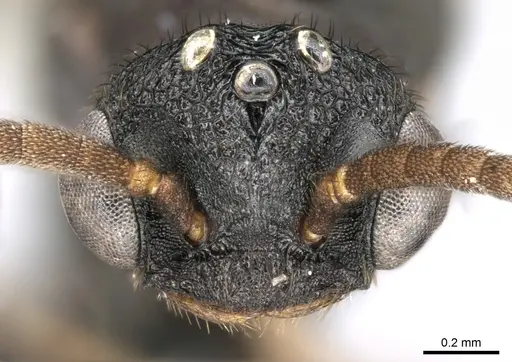
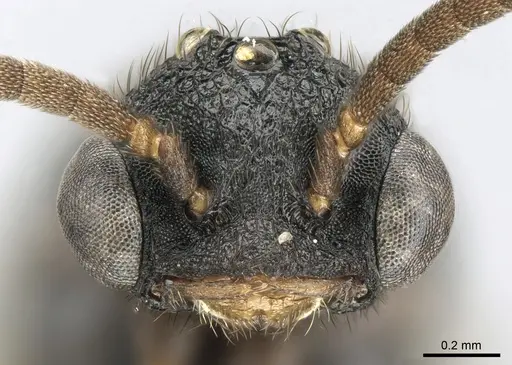
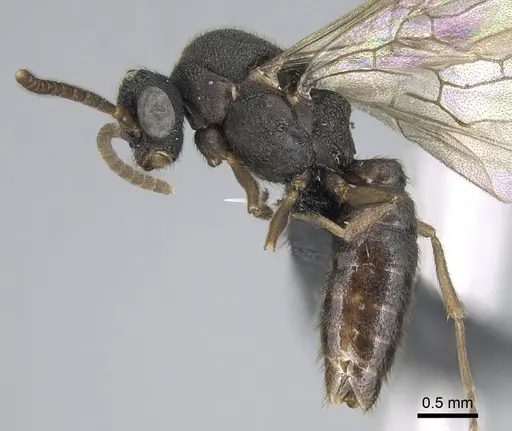
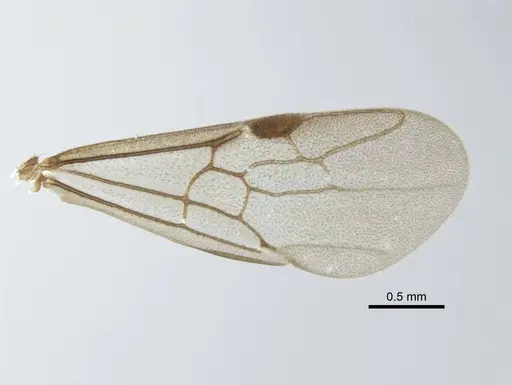
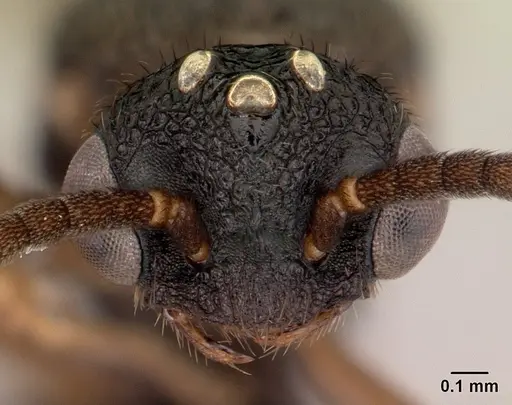
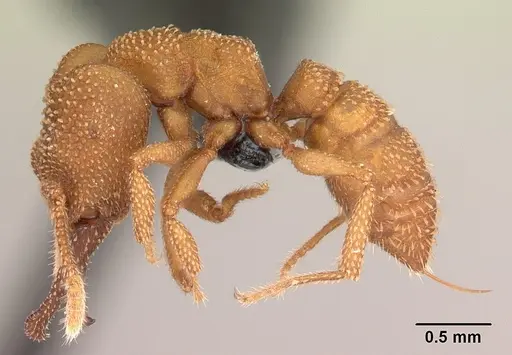
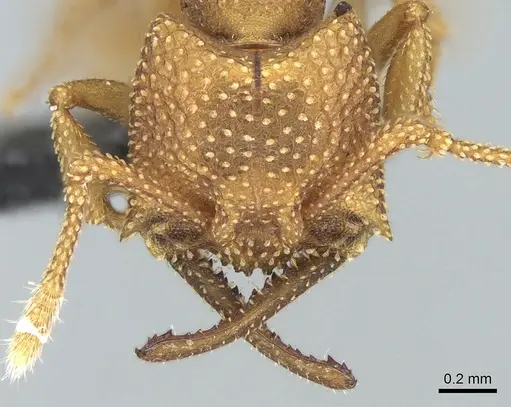
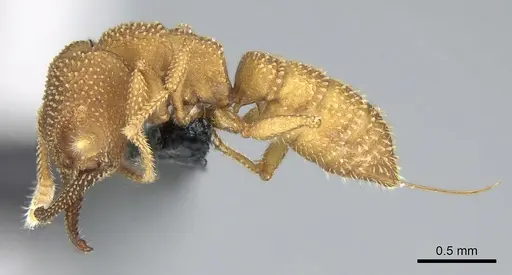
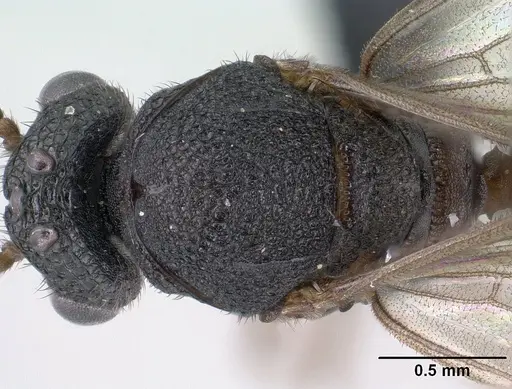
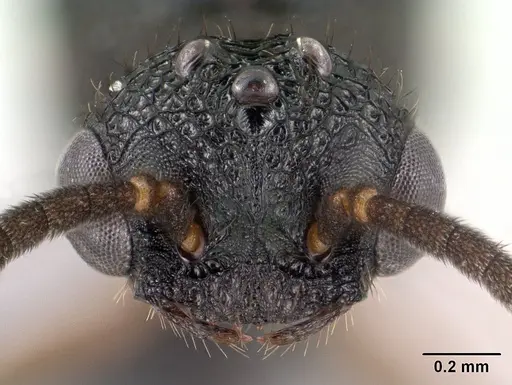
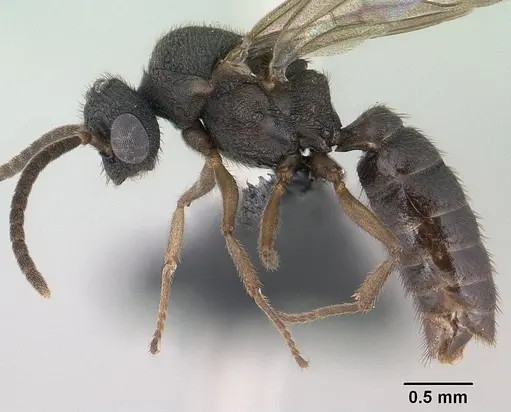
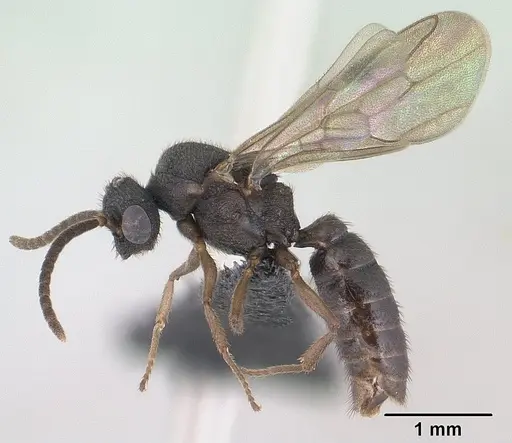
Mystrium barrybressleri is a recently described species, formally named in 2014 by Yoshimura and Fisher. It belongs to the Amblyoponinae subfamily, which contains some of the most morphologically and behaviorally unusual ants in the world. This species is endemic to Madagascar, found in rainforests and montane rainforests throughout the island. Workers are distinguished by their extremely wide petiole (the segment behind the waist) with a PtI (petiolar index) over 195,making them noticeably broader than most ants. They also have a first antennal segment (flagellomere) that is shorter than the pedicel (second segment), and the second maxillary palpomere is shorter than the third. Two worker castes exist: major workers with a curved apical tooth on the mandible, and minor workers with a straight apical tooth. Queens are yellow to yellowish brown with fully developed wings, while males are reddish brown to blackish brown. [1][2][3]
Natural History and Distribution
This species is found exclusively in Madagascar, with collection records from Montagne d'Ambre in the north, Marojejy, Zahamena, Andasibe, Kirindy, and Andohahela in various parts of the island. The distribution pattern closely resembles that of forest-dwelling Tetramorium andrei species, suggesting similar habitat preferences. They inhabit both lowland rainforest and montane rainforest environments, indicating adaptability to different humidity levels within the humid forest zone. Specimen collection data shows they are terricolous (ground-nesting) and prefer humid, light-exposed forest floor microhabitats. The type locality is Forêt Ivohibe,55km north of Tolagnaro (now Fort Dauphin) at 200m elevation in southern Madagascar. [1][2][4]
Defense Mechanism
As a member of the Amblyoponinae subfamily, this species possesses a sting. However, given their very small size, they are unlikely to effectively penetrate human skin. Handle with care regardless, as individual reactions vary.
Housing and Nesting
Based on the species' ground-nesting habits and rainforest origin, a naturalistic setup with moist substrate works best. Use a mix of soil and sand that holds moisture well without becoming waterlogged. A Y-tong or plaster nest with a water reservoir can also work, provided humidity is maintained high. The key is creating a dark, humid environment that mimics the forest floor. Avoid drying out the nest, check substrate moisture regularly and rehydrate before it completely dries. Provide a humidity gradient by moistening one end of the nest more than the other, allowing ants to self-regulate. Because this species has never been kept in captivity, start with standard Amblyoponinae setups and adjust based on colony behavior. [4]
Feeding and Diet
Diet is unconfirmed for this species, but Amblyoponinae ants are typically predatory, hunting small invertebrates. Based on genus patterns, they likely accept small live prey such as fruit flies, pinhead crickets, and other tiny arthropods. They probably also consume honey or sugar water, though this is speculative. Start by offering small live prey and observe acceptance. Remove uneaten prey after 24-48 hours to prevent mold. Do not rely on sugar sources until acceptance is confirmed. Given the complete lack of dietary data, expect an experimentation period to determine what works for your colony.
Temperature and Seasonal Care
Keep the nest at warm room temperature, ideally 22-26°C. This range covers both lowland and montane rainforest conditions where the species has been found. Use a heating cable on one side of the nest only if room temperature falls below 22°C, Amblyoponinae are sensitive to overheating. Create a temperature gradient so ants can move between warmer and cooler areas. Seasonal requirements are unknown, Madagascar does not experience true winters in the tropical parts, so this species may not need hibernation. Monitor colony activity levels and reduce feeding if they become less active, which may indicate seasonal slowdowns rather than hibernation. [1]
Challenges and Unknowns
This is one of the least-documented ant species in the antkeeping hobby. There is no captive care history, no development timing data, no confirmed dietary preferences, and no established breeding protocols. Every aspect of keeping this species will require experimentation and careful observation. Start with conditions that match their natural habitat (warm, humid rainforest) and adjust based on colony health and activity. Be prepared for trial and error. Document your observations carefully, any successful colony would represent valuable new information for the antkeeping community. Consider connecting with experienced keepers who work with other Amblyoponinae species for comparative insights.
Frequently Asked Questions
How long does it take for Mystrium barrybressleri to produce first workers?
Unknown. No development timing data exists for this species. Based on general Amblyoponinae patterns, expect 6-10 weeks from egg to worker at optimal temperature, but this is purely an estimate with low confidence.
What do Mystrium barrybressleri ants eat?
Unconfirmed. Based on genus patterns, they likely accept small live prey. Start by offering fruit flies, small crickets, or other tiny arthropods. Sugar water acceptance is unknown but probable given typical ant diets. Experiment to determine preferences.
Are Mystrium barrybressleri good for beginners?
No. This is an expert-level species due to complete lack of captive care data. Every aspect of husbandry requires experimentation. Choose better-documented species like Lasius, Camponotus, or Tetramorium for your first colony.
Do Mystrium barrybressleri ants sting?
Yes, as members of Amblyoponinae they possess a sting. However, given their very small size, they are unlikely to effectively penetrate human skin. Handle with care regardless.
What temperature do Mystrium barrybressleri need?
Likely 22-26°C based on rainforest habitat. Start at room temperature if within this range and adjust based on colony activity. Avoid temperatures below 20°C or above 30°C.
Can I keep multiple queens together?
Unknown. Colony structure has not been documented for this species. Do not attempt combining unrelated queens without documented success with this or closely related species.
How big do Mystrium barrybressleri colonies get?
Unknown. No colony size data exists for this species. Related Mystrium species typically form moderate-sized colonies.
What humidity do Mystrium barrybressleri need?
High humidity, aim for 70-85% in the nest area. Keep substrate consistently moist but not waterlogged. Provide a humidity gradient for self-regulation.
Do Mystrium barrybressleri need hibernation?
Unknown. Madagascar species may have reduced activity periods rather than true hibernation. Monitor colony and reduce feeding if they become less active.
When will this species be available in the antkeeping hobby?
Unknown. This is a recently described species (2014) from a geographically limited range (Madagascar). It has not been documented in the ant trade. Availability depends on successful field collection and captive breeding by specialized suppliers.
Report an Issue
The current care sheet is based fully on literature. See inconsistencies, or something that's incorrect? Please , it will be resolved after review from an admin. Contributing to the blogs tab also helps providing information, to make us be able to further improve the caresheets. Thank you for your support!
References

This caresheet is licensed under CC BY-SA 4.0 .
Community Blogs
BLF1070(39)-01
View on AntWeb-01_1.webp)
-01_2.webp)
-01_3.webp)
CASENT0006081
View on AntWeb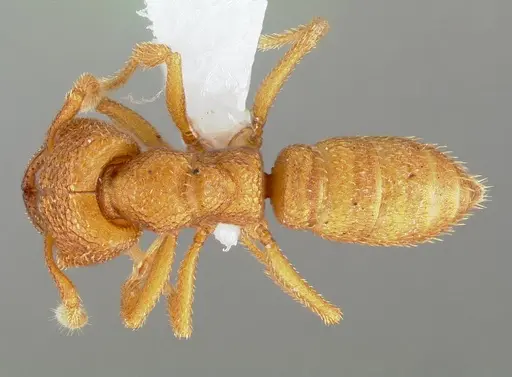
CASENT0062047
View on AntWeb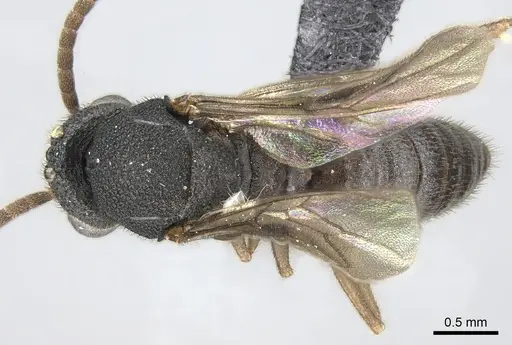
CASENT0078803
View on AntWeb
CASENT0112237
View on AntWeb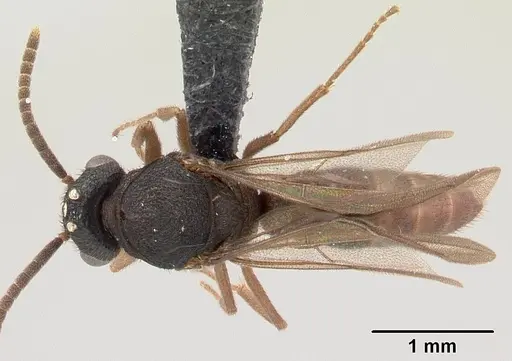
CASENT0129838
View on AntWeb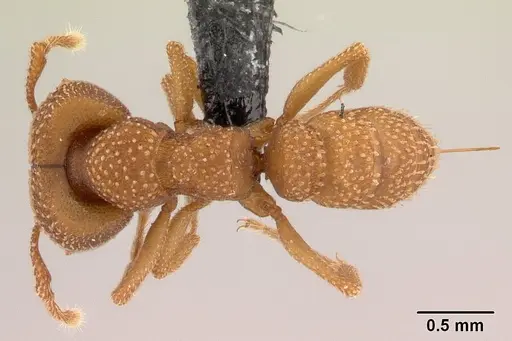
CASENT0129839
View on AntWeb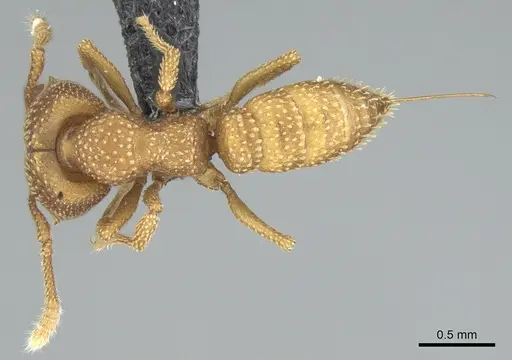
CASENT0129840
View on AntWeb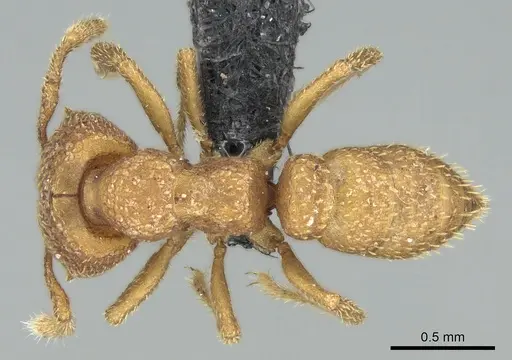
CASENT0135866
View on AntWeb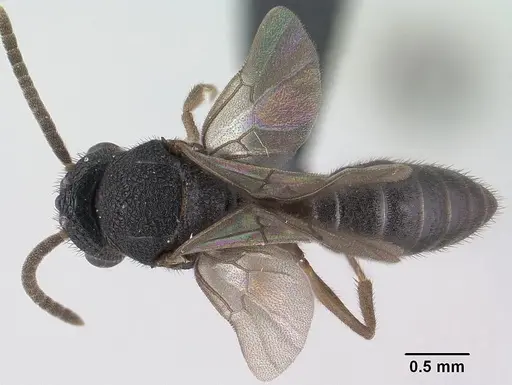
CASENT0145109
View on AntWeb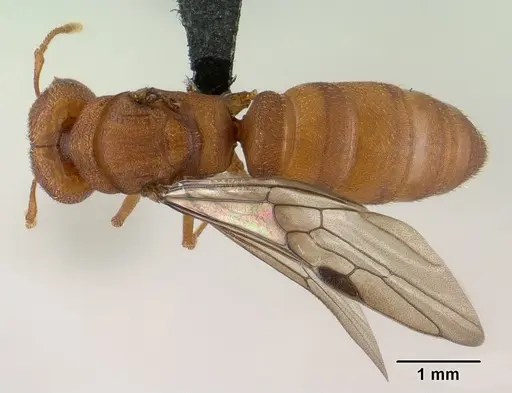
Literature
Loading distribution map...Loading products...