
Myrmicocrypta buenzlii
- Sci. Name
- Myrmicocrypta buenzlii
- Tribe
- Attini
- Subfamily
- Myrmicinae
- Author
- Borgmeier, 1934
- Distribution
- Found in 3 countries
Introduction
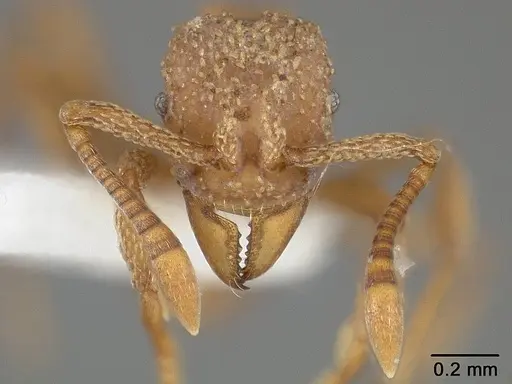
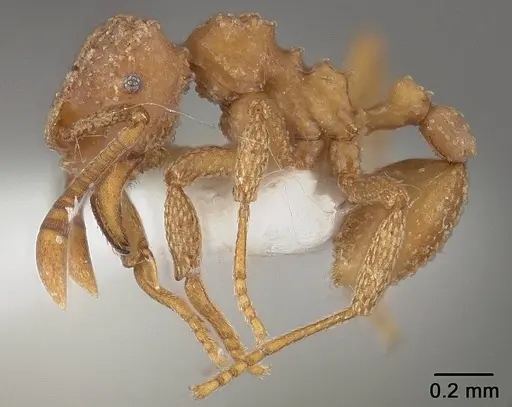
Myrmicocrypta buenzlii is a small fungus-farming ant found across the northern Neotropical region including French Guiana, Guyana, Suriname, and Trinidad and Tobago . Workers are tiny with typical pale coloration seen in many Attini species. This is a palaeoattine species that practices lower agriculture - a more primitive form of fungus farming compared to leaf-cutting ants . The species was originally described from Suriname in 1934 and was later synonymized before being revived by Kempf in 1961 . What makes this species interesting is that it cultivates clade 2 fungi (subclade G), one of the more ancestral fungal cultivars used by Attine ants . These ants are part of an evolutionary lineage that developed agriculture roughly 60 million years ago.
Quick Summary
- Difficulty: Hard
- Origin & Habitat: Northern South America (French Guiana, Guyana, Suriname, Trinidad and Tobago). Found in tropical rainforest environments [1].
- Colony Type: Colony structure is unconfirmed for this species. Based on typical Attini patterns, likely single-queen colonies. Colony size reaches approximately 1600 workers [3][4].
- Size & Growth:
- Queen: ~6-8mm, inferred from Myrmicocrypta genus patterns
- Worker: ~2-4mm, inferred from Attini genus patterns
- Colony: Up to approximately 1600 workers [3][4]
- Growth: Moderate, fungus-farming ants typically grow more slowly than generalist ants due to the time needed to establish fungal gardens
- Development: Development timeline is unconfirmed for this species. Based on related Attini species, likely several months under optimal conditions. (Development is temperature-dependent. The fungal garden must be established before larvae can develop properly.)
- Antkeeping:
- Temperature: Keep at 24-27°C. These are tropical ants requiring warm, stable temperatures.
- Humidity: High humidity is essential, aim for 70-85%. The fungal garden requires consistent moisture. Use a well-moistened substrate but avoid waterlogging.
- Diapause: No, this is a tropical species that does not enter hibernation. Maintain warm conditions year-round.
- Nesting: In captivity, these ants need a setup that accommodates both the colony and a fungal garden. A naturalistic setup with soil or a hybrid formicarium works well. The nest must retain moisture while providing adequate ventilation to prevent mold.
- Behavior: Myrmicocrypta buenzlii is a shy, non-aggressive species typical of fungus-farming ants. Workers are small and relatively slow-moving. They are not defensive and rarely sting. Escape risk is moderate, their small size means they can slip through small gaps, so standard escape prevention measures apply. The most notable behavior is their fungus cultivation, workers maintain and tend a fungal garden that serves as the primary food source for the colony. Adults consume fungal gongylidia while larvae are fed exclusively on fungus [5].
- Common Issues: Fungal garden failure is the most serious issue, without a healthy fungal cultivar, the colony will starve. The fungus requires specific humidity and temperature conditions to thrive., Mold is a constant threat in fungus-farming setups. Balance humidity carefully and ensure adequate ventilation without causing the nest to dry out., Colony growth is slow compared to generalist ants. New keepers may become impatient and overfeed, leading to mold problems., These ants are sensitive to temperature drops. Cold conditions below 22°C can weaken the colony and fungal garden., Wild-caught colonies may carry parasites or have already-degraded fungal gardens that fail in captivity.
The Fungus-Farming Lifestyle
Myrmicocrypta buenzlii belongs to the Attini tribe, a group of ants that evolved agriculture roughly 60 million years ago. Unlike most ants that hunt insects or collect honeydew, these ants cultivate fungi for food. This is not optional, all extant Attine ants are obligately dependent on fungal food. Larvae eat almost exclusively fungus, while adults consume specialized fungal structures called gongylidia [5]. The queen carries a small piece of the parent fungal garden when she establishes a new colony, making the fungus a true symbiont that has co-evolved with the ants [5]. In the case of M. buenzlii, they cultivate clade 2 fungi (subclade G), representing a more ancestral form of fungal agriculture compared to the leaf-cutting ants that practice higher agriculture [3]. This means their farming method is more primitive than the famous leaf-cutters (Atta and Acromyrmex), but still remarkably complex.
Housing and Nest Setup
Housing Myrmicocrypta buenzlii requires a setup that supports both the ant colony and the fungal garden. A naturalistic setup with a soil chamber works well, as it mimics their natural underground nests. The substrate should be kept consistently moist but never waterlogged, aim for damp soil that holds its shape when pressed. A hybrid formicarium (combining a nest chamber with an outworld) also works, provided you can maintain proper humidity in the nest area. The key is creating a moisture gradient so workers can move between wetter and drier areas as needed. Use a water reservoir or moisture wicking system to maintain humidity without daily misting. Ventilation is critical, too little causes stagnant air and mold, too much dries out the fungus. Many keepers use test tube setups with cotton plugs for founding colonies, then transition to more elaborate setups as the colony grows.
Feeding and Nutrition
Feeding fungus-farming ants is fundamentally different from keeping other ant species. You do not feed the ants directly, you feed the fungus, which then feeds the ants. The fungal garden needs a constant supply of organic material to grow. In captivity, you can offer small pieces of pre-chewed leaves, flower petals, or other plant matter. Some keepers use specially prepared fungal substrate. The ants will take this material, process it, and apply it to their fungal garden. It is critical to remove uneaten plant material before it molds. Do not offer protein foods like insects or sugar sources like honey, these are not part of their natural diet and can harm the fungal garden. The ants themselves will consume the gongylidia that the fungus produces. If the fungal garden is healthy and producing white, fuzzy growth, the colony is being fed properly. [5]
Temperature and Humidity Management
As a tropical species from northern South America, Myrmicocrypta buenzlii requires warm, humid conditions year-round. Keep the nest area at 24-27°C. Temperatures below 22°C can slow fungal growth and weaken the colony. A heating cable on one side of the nest creates a beneficial gradient. Humidity should be high, aim for 70-85% relative humidity in the nest. The fungal garden will decline if conditions become too dry. However, balance is essential because excessive moisture leads to mold outbreaks. Monitor the fungus directly, healthy fungal gardens appear white and fuzzy. If the fungus turns dark or slimy, humidity is too high. If it turns brown or stops growing, conditions are too dry. These ants do not enter diapause and should be maintained at consistent tropical conditions throughout the year.
Colony Development and Growth
Colony growth in fungus-farming ants is slower than in typical ants because resources must first go to fungal garden establishment before the colony can expand significantly. A founding queen will tend her small fungal garden while raising the first nanitic workers. Once the first workers emerge, they take over fungal maintenance while the queen focuses on egg-laying. Colony size can reach approximately 1600 workers [3][4], though this takes many months to years. The growth rate is moderate, expect the first 10-20 workers within 3-6 months under good conditions, with slower expansion thereafter. The key milestone is establishing a robust fungal garden, once this is thriving, colony growth becomes more predictable. Be patient, fungus farmers are a long-term commitment compared to faster-growing ant species.
Common Challenges
The biggest challenge with Myrmicocrypta buenzlii is maintaining a healthy fungal garden. Unlike other ants where poor nutrition just means slower growth, fungal garden failure means colony death. Mold is the enemy, it competes with the cultivated fungus and can quickly overrun the garden. Combat mold by removing uneaten plant material promptly, maintaining proper ventilation, and avoiding overfeeding. Temperature management is also critical, these tropical ants are sensitive to cold. Another challenge is that wild-caught colonies may arrive with degraded or non-viable fungal gardens, or with parasites. Starting with a colony that already has a healthy, established fungus gives you the best chance of success. Finally, these ants are not aggressive and rarely sting, which makes them safe to handle but also means they cannot defend against predators like predatory insects that might enter the outworld.
Frequently Asked Questions
How do I feed Myrmicocrypta buenzlii ants?
You do not feed the ants directly, you feed their fungal garden. Offer small pieces of pre-chewed leaves, flower petals, or organic plant matter. The ants will process this and apply it to their fungus. Remove any uneaten material before it molds. Do not offer insects, honey, or sugar, these can harm the fungal garden.
What temperature do Myrmicocrypta buenzlii need?
Keep them at 24-27°C. This is a tropical species that requires warm conditions year-round. Temperatures below 22°C can harm the fungal garden and weaken the colony. A heating cable on part of the nest creates a useful gradient.
How long does it take for Myrmicocrypta buenzlii to grow?
Expect the first workers within 3-6 months under good conditions. Full colony development takes much longer, these ants grow more slowly than typical ants because resources must first establish the fungal garden. Colony size can reach around 1600 workers over time.
Can I keep multiple Myrmicocrypta buenzlii queens together?
This has not been documented. Based on typical Attini patterns, single-queen colonies are most likely. Combining unrelated queens is not recommended as it may result in fighting.
Why is my fungal garden dying?
Fungal gardens fail due to improper humidity (too dry or too wet), temperatures outside the 24-27°C range, mold from uneaten plant material, or poor ventilation. Check all these factors and adjust accordingly. A healthy fungal garden appears white and fuzzy.
Do Myrmicocrypta buenzlii need hibernation?
No. This is a tropical species from northern South America and does not enter diapause. Maintain warm, humid conditions year-round without seasonal temperature drops.
What size colony do Myrmicocrypta buenzlii reach?
Mature colonies can reach approximately 1600 workers [3][4]. This is moderate for fungus-farming ants.
Is Myrmicocrypta buenzlii good for beginners?
No. This is an expert-level species due to the specialized care required for maintaining a fungal garden. The balance of humidity, temperature, and mold prevention is challenging. Beginners should start with easier species like Lasius or Messor before attempting fungus farmers.
What kind of nest should I use for Myrmicocrypta buenzlii?
A naturalistic setup with moist soil or a hybrid formicarium works well. The key is maintaining high humidity while preventing mold. Test tubes can work for founding colonies but may need upgrading as the colony and fungal garden grow.
Report an Issue
The current care sheet is based fully on literature. See inconsistencies, or something that's incorrect? Please , it will be resolved after review from an admin. Contributing to the blogs tab also helps providing information, to make us be able to further improve the caresheets. Thank you for your support!
References

This caresheet is licensed under CC BY-SA 4.0 .
Community Blogs
USNMENT01124260
View on AntWeb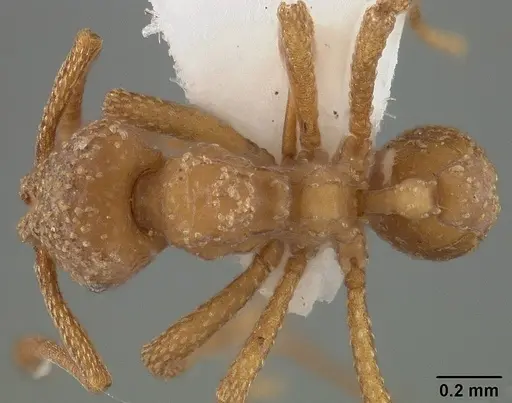
Literature
Loading distribution map...Loading products...