
Myrmicaria salambo
- Sci. Name
- Myrmicaria salambo
- Tribe
- Solenopsidini
- Subfamily
- Myrmicinae
- Author
- Wheeler, 1922
- Distribution
- Found in 3 countries
Introduction
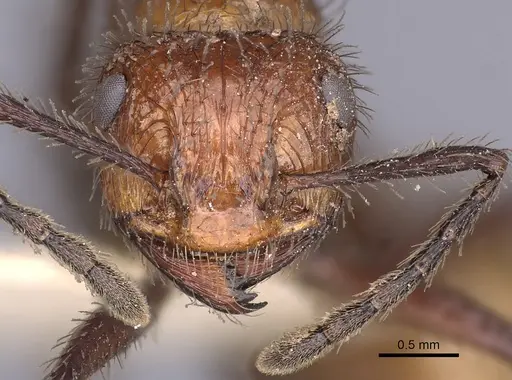
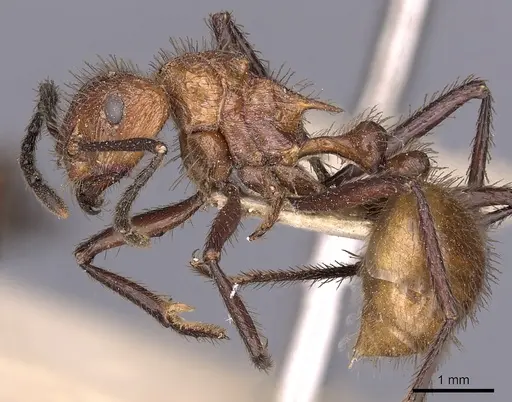
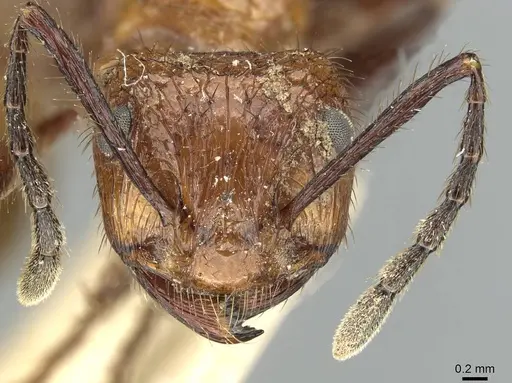
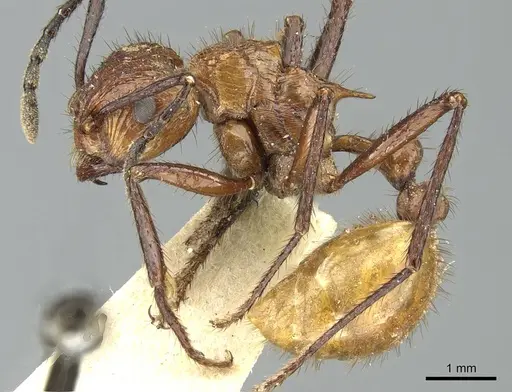
Myrmicaria salambo is a medium-sized arboreal ant native to Central and West Africa, specifically the Democratic Republic of Congo and Ivory Coast. Workers measure 6.2-8.54mm in total length and have a distinctive orange-ochre to reddish-ochre coloration. The head and pronotum feature a characteristic areolate-reticulated sculpture, and they possess a unique subpetiolar process formed by two separate teeth - a distinguishing feature within the genus. These ants are arboreal, meaning they live in trees and vegetation rather than on the ground, and they have been observed tending to climbing insects, showing their mutualistic relationships with other arthropods .
Quick Summary
- Difficulty: Medium
- Origin & Habitat: Arboreal ant from the Afrotropical region, Democratic Republic of Congo and Ivory Coast. Found in tropical forest environments where it nests in vegetation and attends climbing insects [1][2][3].
- Colony Type: Colony structure is unconfirmed. Based on typical Myrmicaria genus patterns, likely single-queen colonies, though this has not been directly documented for this species.
- Size & Growth:
- Queen: Unconfirmed, no specific queen measurements available for this species
- Worker: 6.2-8.54mm total length [1]
- Colony: Unknown, no colony size data available
- Growth: Unknown, no development data available for this species
- Development: Unconfirmed, no direct development data. Based on related Myrmicaria species and tropical ant patterns, estimate 6-10 weeks at optimal temperature. (Development timeline has not been directly studied. Estimates based on genus-level patterns for tropical Myrmicinae.)
- Antkeeping:
- Temperature: As a tropical arboreal species, keep warm around 24-28°C. A gentle gradient allowing workers to self-regulate is ideal. Room temperature in the low-to-mid 20s°C is likely suitable.
- Humidity: Moderate to high humidity (60-80%). As an arboreal species, they prefer humid conditions but need good ventilation to prevent mold. Mist the outworld regularly and provide a water source.
- Diapause: No, this is a tropical species and does not require hibernation or winter rest.
- Nesting: Arboreal species requiring vertical space and climbing opportunities. Y-tong (AAC) nests or naturalistic setups with branches, cork, or plants work well. Provide multiple chambers at different heights and include materials they can grip for climbing. Avoid purely horizontal ground nests.
- Behavior: Generally peaceful but will defend the nest if threatened. Workers are active foragers and will tend to climbing insects, this mutualistic behavior may carry over to captivity where they might show interest in other insects on plants. They are medium-sized ants with a moderate escape risk due to their size, but standard barriers should suffice. They possess a stinger and can inject venom composed of piperidine alkaloids if provoked, though they are not aggressive toward keepers.
- Common Issues: arboreal nature means they need vertical space, horizontal-only nests may cause stress, tropical species requires warm temperatures, cold rooms can slow or stop activity, no colony size data makes it hard to predict growth patterns, patience is needed, wild-caught colonies may carry parasites that affect captive survival, tending behavior may lead to over-focus on other insects rather than accepting standard ant food, sting can cause mild irritation, handle with care if provoked
Housing and Nest Setup
Myrmicaria salambo requires an arboreal setup that mimics their natural tree-dwelling habitat. Unlike ground-nesting ants, these ants need vertical space and opportunities to climb. A Y-tong (AAC) nest works well, but you should also provide an outworld with branches, cork bark, or live plants they can traverse. The nest chambers should be appropriately sized for workers of 6-8mm, not too large, not too tight. Include a water test tube connected to the nest for humidity, and ensure the outworld has climbing structures. These ants are active and will use vertical space extensively, so design the setup with height in mind. Escape prevention is important, use fluon on the edges of any connections and ensure lids fit tightly, though they are not extreme escape artists like some tiny species. [1]
Feeding and Diet
In the wild, Myrmicaria salambo attends climbing insects and likely feeds on honeydew and small prey. For captive care, offer a varied diet: sugar water or honey as an energy source, and protein sources like small crickets, mealworms, or other appropriately-sized insects. As an arboreal species that naturally tends to insects, they may show strong interest in live insects. Feed protein 2-3 times per week and keep a sugar source available at all times. Remove uneaten prey after 24-48 hours to prevent mold. Their tending behavior suggests they may do well with access to live aphids or scale insects on plants if you can provide these, this mimics their natural association with climbing insects. [1]
Temperature and Humidity
Keep these tropical ants warm at 24-28°C. They do not tolerate cool temperatures well, if your room is below 22°C, consider a heating cable on one side of the nest to create a gentle gradient. Place the heating on top of the nest, not underneath, to avoid evaporating moisture too quickly. For humidity, aim for 60-80%, use a water tube connected to the nest and mist the outworld regularly. As arboreal ants, they prefer good ventilation to prevent stagnant air and mold, but still need moisture. A small ventilation hole or mesh panel helps balance airflow with humidity retention. Monitor condensation in the nest, some is good, but excessive moisture can drown colonies.
Colony Development and Growth
The development timeline for Myrmicaria salambo has not been directly studied, making precise predictions difficult. Based on typical patterns for tropical Myrmicinae ants of this size, expect 6-10 weeks from egg to first worker at optimal temperature. The first workers (nanitics) will likely be smaller than mature workers. Growth rate is uncertain, without specific data, assume moderate growth compared to similar-sized ants. Patience is essential with this species since we lack precise development benchmarks. Monitor colony activity as an indicator of health: active foraging and brood development suggest good conditions. If the colony seems stagnant, check temperature and food availability.
Behavior and Observation
One of the most interesting aspects of Myrmicaria salambo is their mutualistic relationship with climbing insects, they attend and tend to these insects in the wild, likely for honeydew. In captivity, you may observe this tending behavior if you provide live plant-dwelling insects. Workers are active foragers and will explore their outworld thoroughly. They are not particularly aggressive toward keepers but will defend their nest if threatened. Their medium size makes them easy to observe without being too small or too large. The subpetiolar process (two teeth) visible on workers is a unique morphological feature worth observing. Allow them adequate outworld space to forage and explore, this species is more active than some ground-nesting ants. [1]
Seasonal Care
As a tropical species from Central and West Africa, Myrmicaria salambo does not require hibernation or diapause. Maintain consistent warm temperatures year-round. Seasonal changes in the captive environment are not necessary and could stress the colony. Keep them away from cold drafts, air conditioning vents, or any area that drops below room temperature significantly. If your home experiences seasonal temperature changes, use heating to maintain stable conditions. This applies even in winter, do not reduce temperatures or food as you might with temperate species.
Frequently Asked Questions
How long does it take for Myrmicaria salambo to produce first workers?
The exact development timeline has not been documented for this species. Based on related Myrmicaria species and tropical ant patterns, expect approximately 6-10 weeks from egg to first worker at optimal temperature (24-28°C). The first workers will likely be smaller than mature workers.
What size nest do Myrmicaria salambo need?
Use a nest with chambers appropriately sized for 6-8mm workers, not too large, not too tight. Y-tong (AAC) nests work well, but include vertical climbing structures in the outworld. They need more vertical space than typical ground-nesting ants.
Do Myrmicaria salambo need hibernation?
No, this is a tropical arboreal species from Central and West Africa and does not require hibernation or winter rest. Keep them warm year-round at 24-28°C.
What do Myrmicaria salambo eat?
Feed them a varied diet including sugar sources (honey water or sugar water) available at all times, and protein sources like small crickets, mealworms, or other insects 2-3 times per week. They may show particular interest in live insects due to their natural tending behavior.
Are Myrmicaria salambo good for beginners?
This species is rated as Medium difficulty. While not the most challenging, the lack of documented care information means you may need to experiment with conditions. Their arboreal nature requires specific setup considerations. Not recommended as a very first ant, but manageable for those with some experience.
How big do Myrmicaria salambo colonies get?
Colony size data is not available for this species. The maximum colony size is unknown. Based on their medium worker size and tropical arboreal lifestyle, expect moderate-sized colonies.
Can I keep multiple Myrmicaria salambo queens together?
The colony structure of this species has not been documented. Without specific data on whether they are monogyne (single queen) or polygyne (multiple queens), it is not recommended to combine unrelated queens. Keep one queen per colony.
Why is my Myrmicaria salambo colony not growing?
Check temperature first, they need warmth (24-28°C). Also verify humidity is adequate (60-80%) and food is being accepted. The lack of development data for this species means conditions may need adjustment. If all parameters seem correct, be patient, some species simply develop slowly.
When should I move Myrmicaria salambo to a formicarium?
Wait until the colony has at least 20-30 workers and is actively foraging before considering a formicarium. For this species, ensure any formicarium provides vertical climbing space and arboreal-style chambers, not just horizontal tunnels.
Report an Issue
The current care sheet is based fully on literature. See inconsistencies, or something that's incorrect? Please , it will be resolved after review from an admin. Contributing to the blogs tab also helps providing information, to make us be able to further improve the caresheets. Thank you for your support!
References

This caresheet is licensed under CC BY-SA 4.0 .
Community Blogs
CASENT0900505
View on AntWeb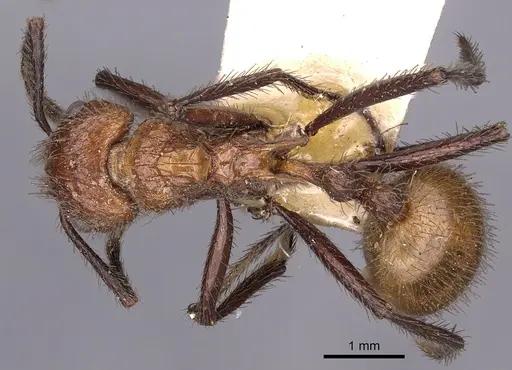
RMCAENT000017756
View on AntWeb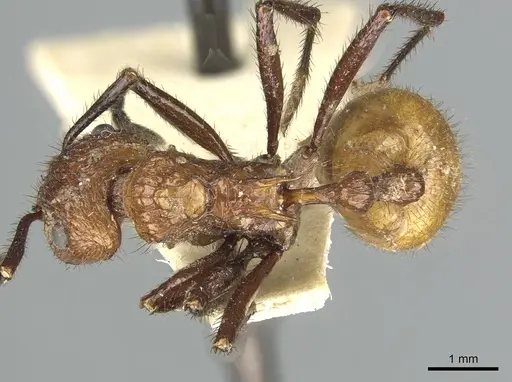
Literature
Loading distribution map...Loading products...