
Myrmicaria opaciventris
- Sci. Name
- Myrmicaria opaciventris
- Tribe
- Solenopsidini
- Subfamily
- Myrmicinae
- Author
- Emery, 1893
- Distribution
- Found in 5 countries
Introduction
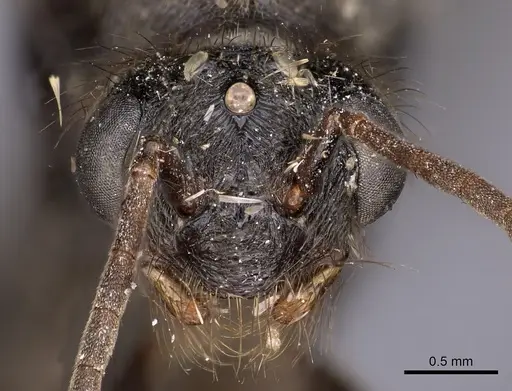
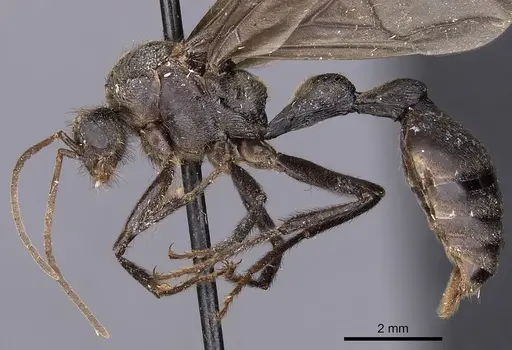
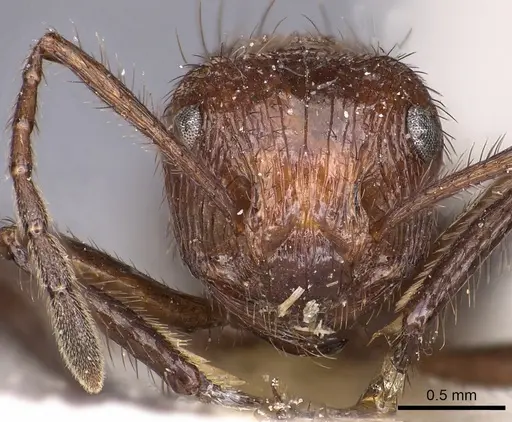
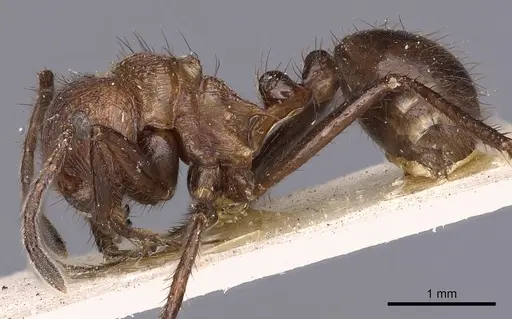
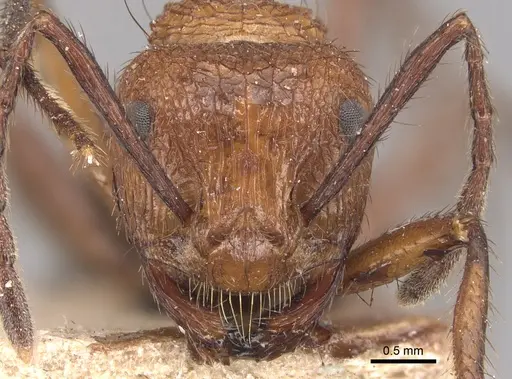
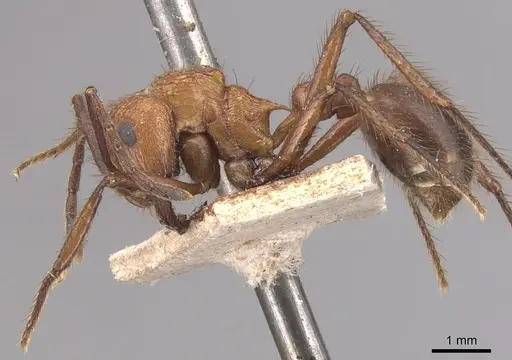
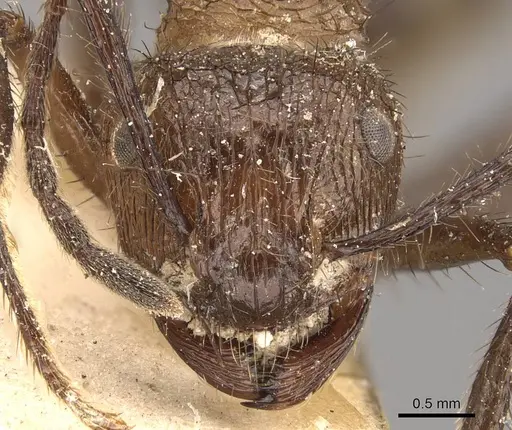
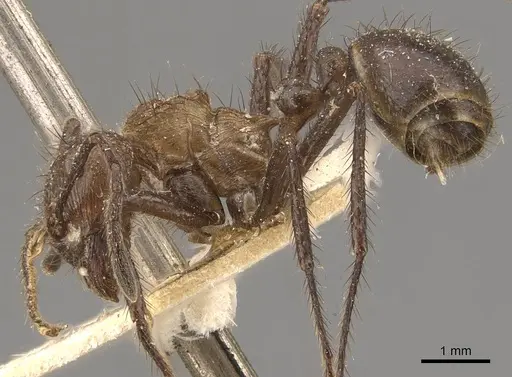
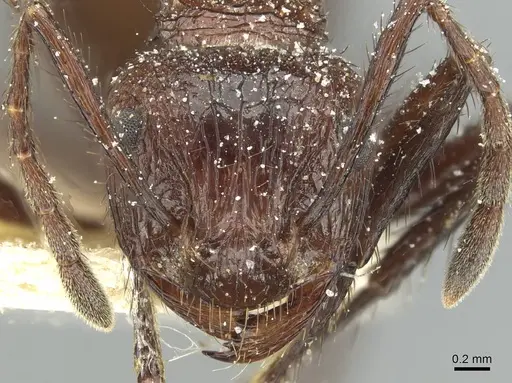
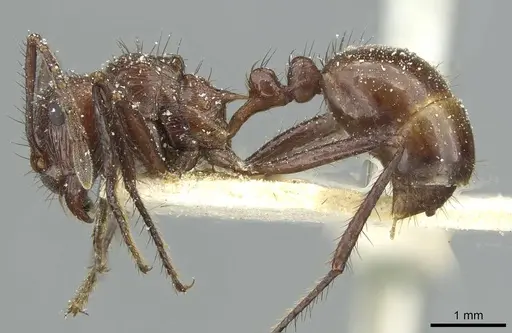
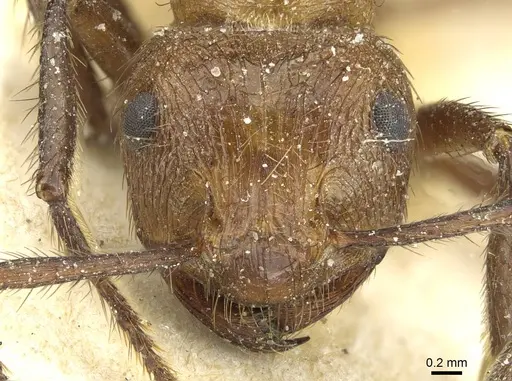
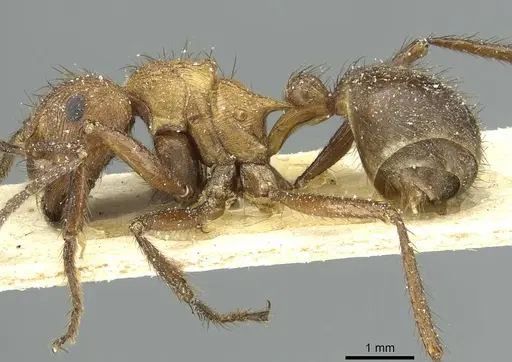
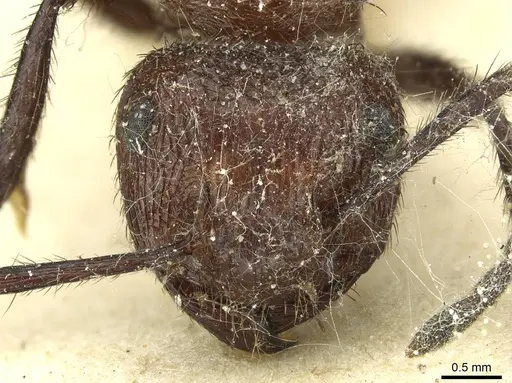
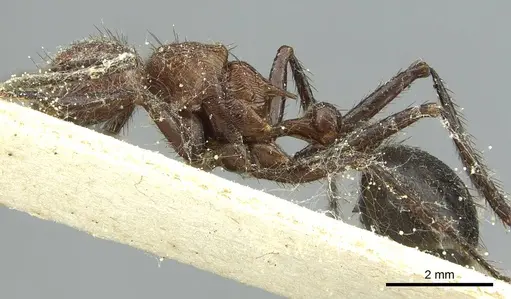
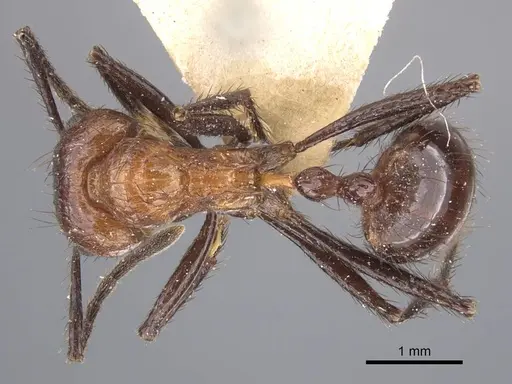
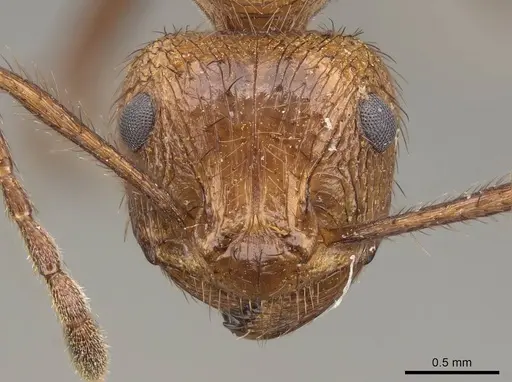
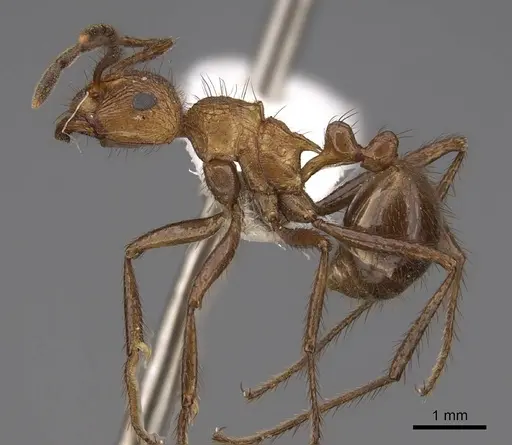
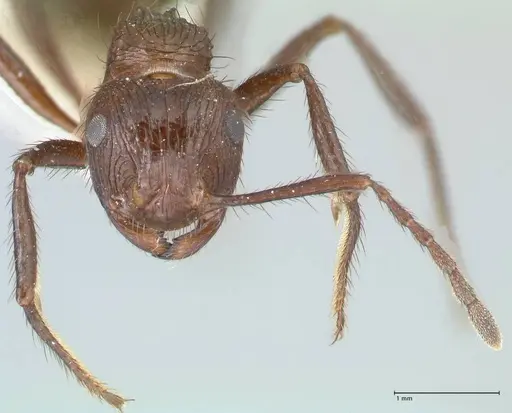
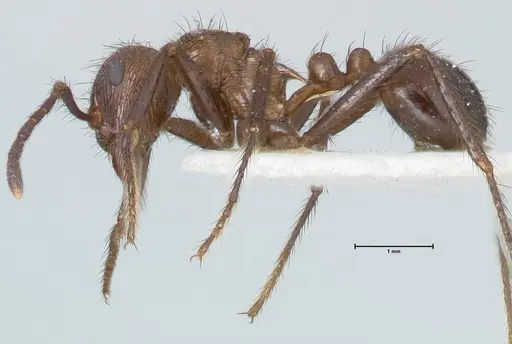
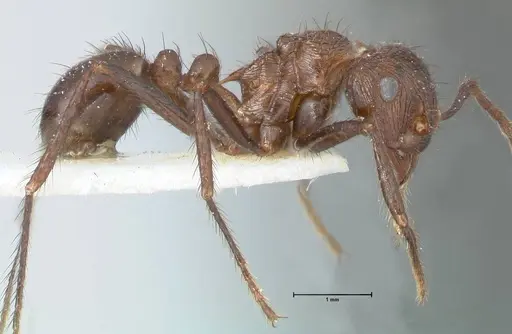
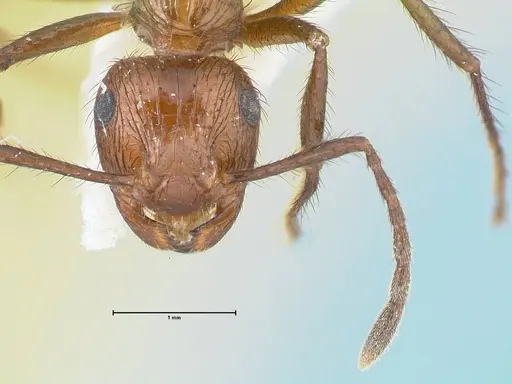
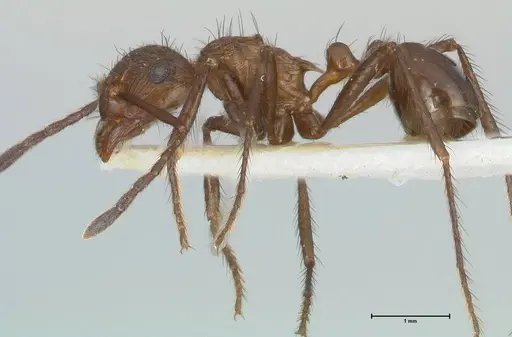
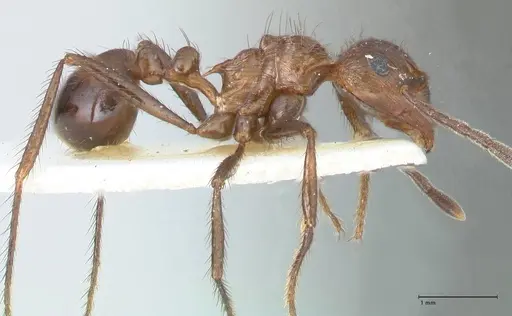
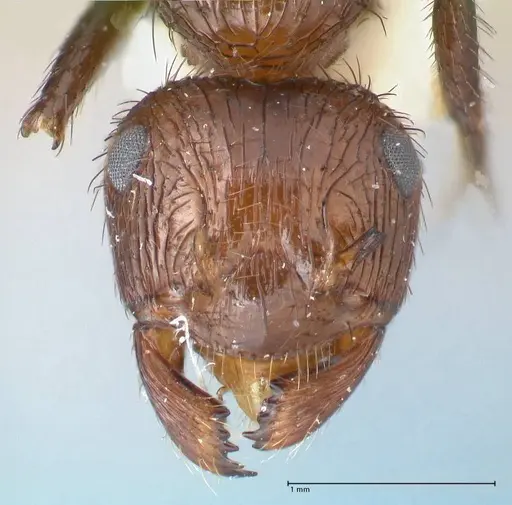
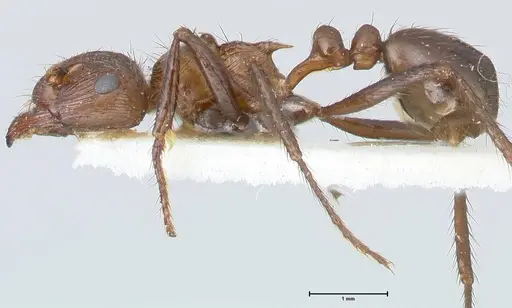
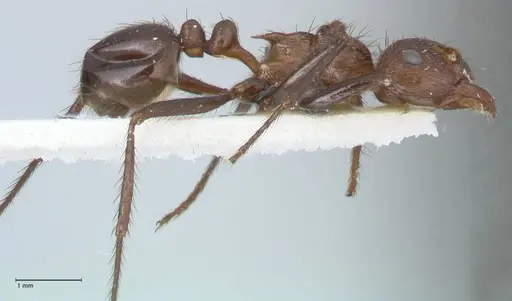
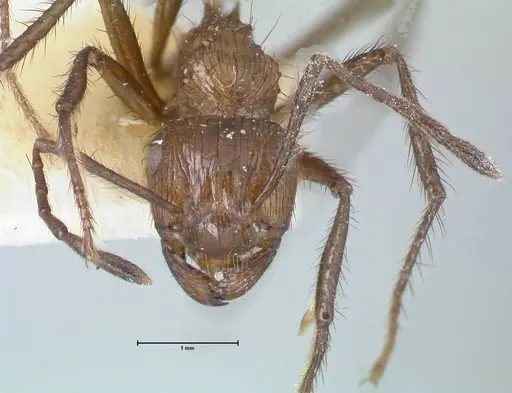
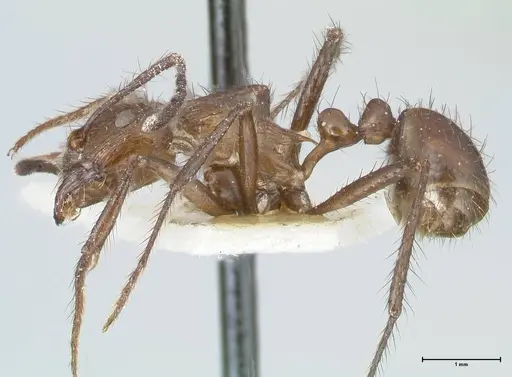
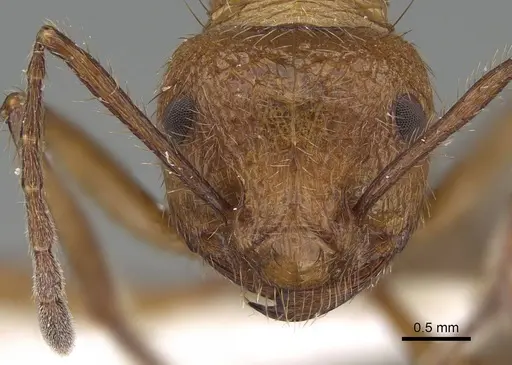
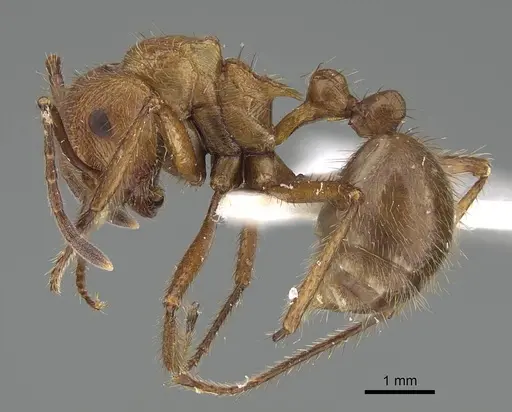
Myrmicaria opaciventris is a large African myrmicine ant native to the Afrotropical region, found across central and eastern Africa including Angola, Cameroon, Democratic Republic of Congo, Kenya, Rwanda, and Uganda . Workers are robust and predaceous, with a distinctive dark appearance and strong mandibles for hunting . Size data for this species is unavailable from research, but based on the Myrmicaria genus, workers are typically around 5-8 mm in length. This species forms very large colonies with densities up to 400,000 workers per hectare, connected by extensive trail networks that can stretch up to 460 meters . What makes M. opaciventris particularly interesting is its dual lifestyle - it is both a skilled termite predator that hunts in coordinated groups and a honeydew farmer that tends to extrafloral nectaries and sap-sucking insects like psyllids .
Quick Summary
- Difficulty: Medium
- Origin & Habitat: Afrotropical region, Angola, Cameroon, Democratic Republic of Congo, Kenya, Rwanda, and Uganda. Found in diverse habitats including coffee plantations, native tree forests, and gardens. Nests in soil, leaf litter, and rotten logs [1][4][5].
- Colony Type: Polygynous (multiple queens) and polydomous (multiple interconnected nest sites). Colonies are very large, with high worker densities in natural habitats [2].
- Size & Growth:
- Queen: Size data unavailable from research, inferred from Myrmicaria genus to be around 8-10 mm
- Worker: Size data unavailable from research, inferred from Myrmicaria genus to be around 5-8 mm
- Colony: Colony size data unavailable, natural colonies have high worker densities up to 400,000 per hectare [2]
- Growth: Fast
- Development: Estimated 6-8 weeks based on typical Myrmicinae development at tropical temperatures (Warm tropical conditions accelerate development, exact timeline unconfirmed for this species)
- Antkeeping:
- Temperature: Keep warm, roughly 24-28°C, as this is a tropical species.
- Humidity: Keep nest substrate consistently moist but not waterlogged, with a humidity gradient.
- Diapause: No, tropical species does not require hibernation.
- Nesting: Prefer soil, leaf litter, or rotten wood nests. Y-tong or plaster nests work for starting colonies [4][5].
- Behavior: Highly active and aggressive predators. Workers hunt cooperatively using venom release to recruit nestmates [2]. They also farm honeydew from insects [3]. Escape prevention is important due to their size and activity [6].
- Common Issues: large colony size requires significant space, not suitable for small setups, polydomous nature may lead to secondary nests outside primary formicarium [2], aggressive predators may attack other ant colonies [6], tropical requirements mean they cannot tolerate cool temperatures, may farm harmful homoptera if in vivarium setups [6]
Colony Structure and Organization
Myrmicaria opaciventris has a complex colony structure. Colonies are strongly polygynous (multiple egg-laying queens) and polydomous (spread across multiple nest sites). Worker density can reach up to 400,000 per hectare in natural habitats, with seasonal variation [2]. These colonies are interconnected by paths, trenches, and tunnels that can extend up to 460 meters [2]. The polydomous structure is dynamic, with nests being less populous and more transient compared to other trail-forming species [7]. For antkeepers, this means planning for expansion beyond a single nest chamber, using multiple connected formicaria or a spacious naturalistic setup.
Foraging and Hunting Behavior
This species is a highly efficient predator, specializing in hunting termites but also taking other arthropods [2][4]. Workers use group hunting strategies to overwhelm large prey, with solitary hunting for small prey and cooperative attacks for large prey [2]. Recruitment is triggered by venom release, which attracts nestmates [2]. Foraging strategies include volatile recruitment and long-term trail networks that become trenches and tunnels [8]. In captivity, offer protein-rich foods like mealworms and crickets, plus sugar sources like honey water due to their honeydew-farming behavior.
Tending and Honeydew Farming
Beyond predation, M. opaciventris farms honeydew from extrafloral nectaries and sap-sucking insects like psyllids [3][9]. Workers tend to insects such as Diaphorina enderleini and Hilda patruelis, collecting honeydew without building protective structures [1]. In captivity, provide sugar water or honey as a supplement to protein foods. Be aware that in vivarium setups with live plants, they may tend to aphids, potentially increasing their populations.
Temperature and Care Requirements
As a tropical species, M. opaciventris requires warm conditions year-round. Maintain temperatures around 24-28°C for optimal activity. Humidity should be moderate to high, with a gradient in the nest substrate to keep it moist but not waterlogged. They do not enter diapause, so keep temperatures stable without cooling periods.
Nesting and Housing
In the wild, this species nests in soil, leaf litter, and rotten logs [4]. They thrive in areas with good soil structure, such as coffee plantations with sandy soil [5]. For captive care, start colonies in test tubes, then transfer to Y-tong or plaster formicaria with multiple chambers. Given their polydomous nature, provide connected nesting areas or a spacious setup with soil and leaf litter.
Defense and Aggression
This species has a sting and uses potent venom for defense, typical of the Myrmicinae subfamily. Workers are aggressive toward threats and coordinate defense through group hunting [2]. They are highly resistant to raids from invasive species like Pheidole megacephala [6]. For antkeepers, this means housing them isolated from other colonies and using excellent escape prevention.
Frequently Asked Questions
How long does it take for Myrmicaria opaciventris to produce first workers?
Based on typical Myrmicinae development at tropical temperatures, expect first workers in approximately 6-8 weeks after the queen lays eggs. This is an estimate as specific timing has not been directly studied.
Can I keep multiple queens together in one colony?
Yes, this species is naturally polygynous, meaning colonies contain multiple egg-laying queens [2]. You can keep multiple founding queens together, though it is not required.
How big do Myrmicaria opaciventris colonies get?
Natural colonies have high worker densities up to 400,000 per hectare [2]. In captivity, colonies can reach several thousand workers with proper care. You must plan for significant space requirements.
What do Myrmicaria opaciventris eat?
They are primarily predatory, hunting termites and other arthropods [2][4]. In captivity, offer protein sources like mealworms and crickets 2-3 times per week, plus sugar water or honey due to their honeydew-farming behavior.
Do they need hibernation or winter rest?
No. As a tropical species, they do not require diapause or hibernation. Maintain warm temperatures year-round.
Are Myrmicaria opaciventris good for beginners?
Not ideal for beginners. They require warm tropical conditions, significant space as colonies grow large, and are aggressive predators that may attack other ant colonies. Experienced antkeepers will have better success.
When should I move my colony to a formicarium?
Move from test tubes once the colony reaches several hundred workers and the test tube becomes crowded. Provide multiple connected chambers to accommodate their polydomous nature.
Why are my Myrmicaria opaciventris dying?
Common causes include temperatures below 24°C, low humidity, insufficient protein food, or stress from disturbance. Check your temperature gradient and ensure adequate moisture and feeding.
Can I house Myrmicaria opaciventris with other ant species?
No. They are aggressive predators and highly territorial. Housing them with other ant species will result in attacks and likely the death of the other colony [6].
Report an Issue
The current care sheet is based fully on literature. See inconsistencies, or something that's incorrect? Please , it will be resolved after review from an admin. Contributing to the blogs tab also helps providing information, to make us be able to further improve the caresheets. Thank you for your support!
References

This caresheet is licensed under CC BY-SA 4.0 .
Community Blogs
CASENT0900502
View on AntWeb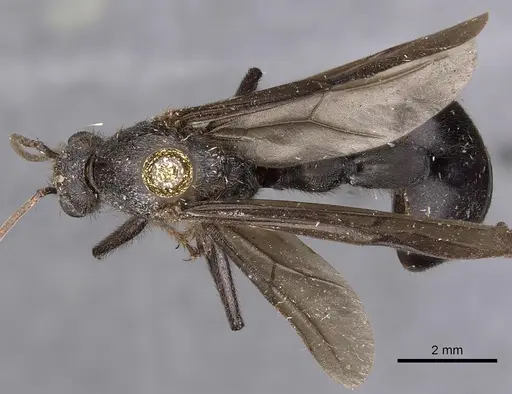
CASENT0900504
View on AntWeb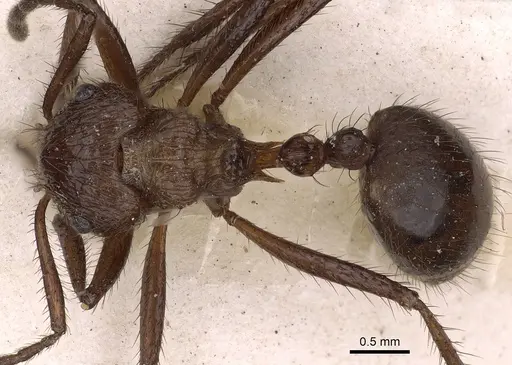
CASENT0904466
View on AntWeb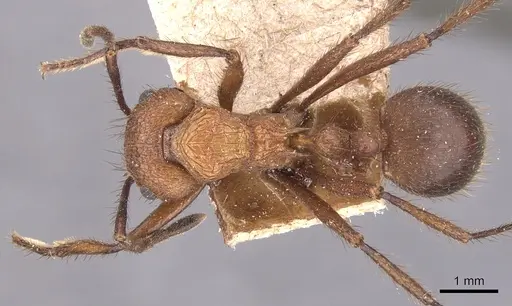
CASENT0908332
View on AntWeb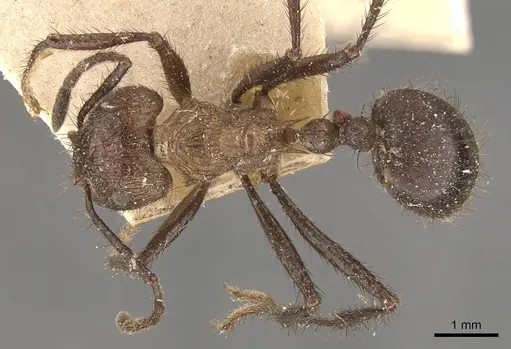
CASENT0913050
View on AntWeb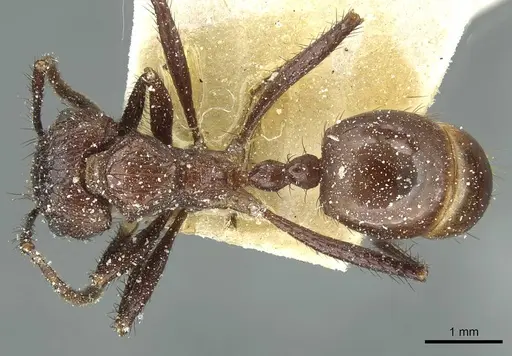
CASENT0913051
View on AntWeb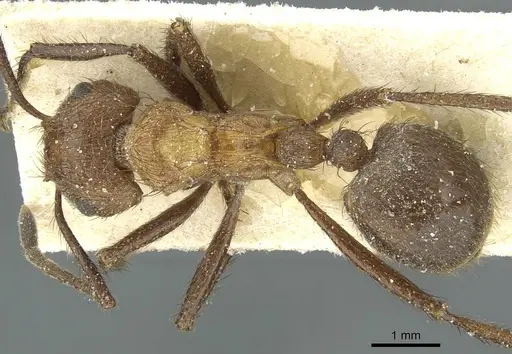
CASENT0913052
View on AntWeb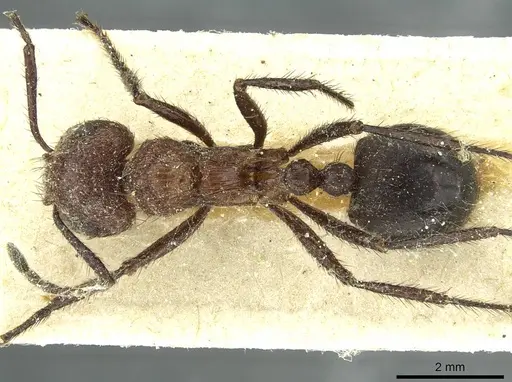
CASENT0916966
View on AntWeb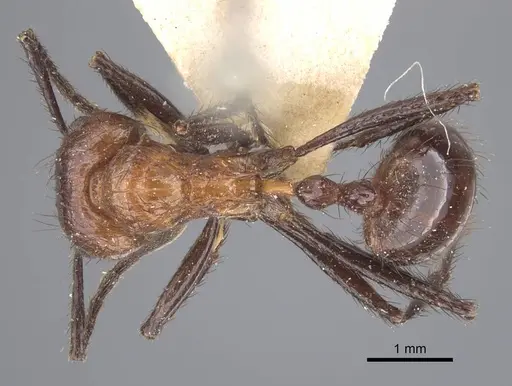
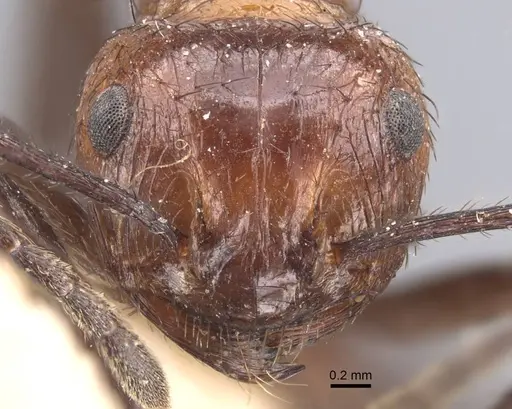
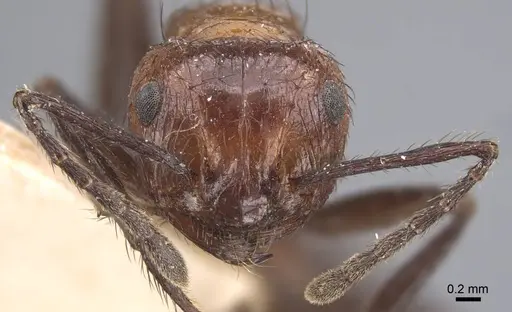
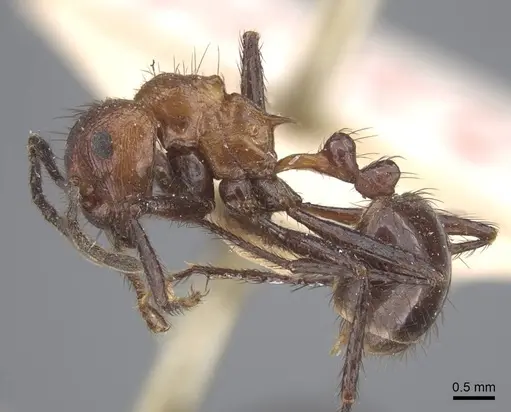
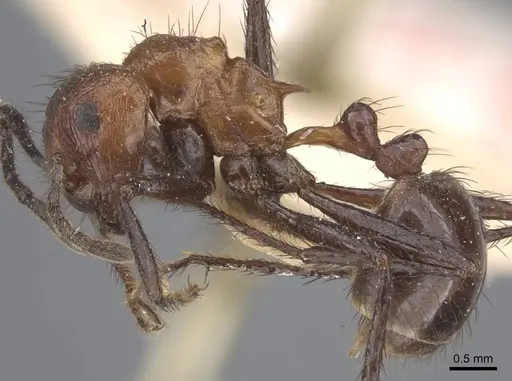
CASENT0923009
View on AntWeb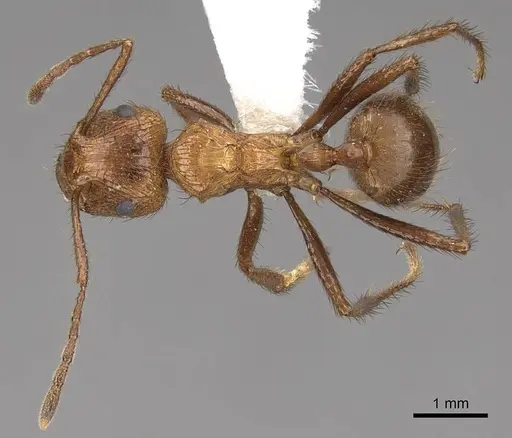
FOCOL1579
View on AntWeb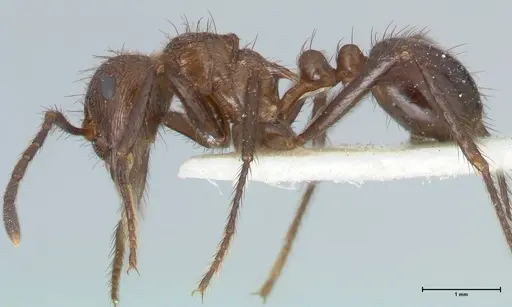
FOCOL1580
View on AntWeb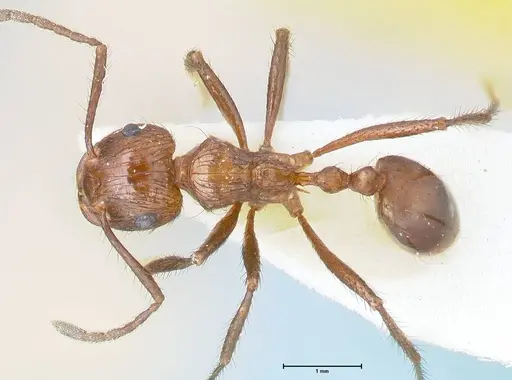
FOCOL1581
View on AntWeb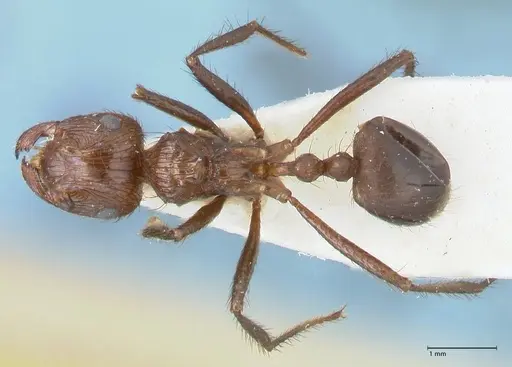
FOCOL1593
View on AntWeb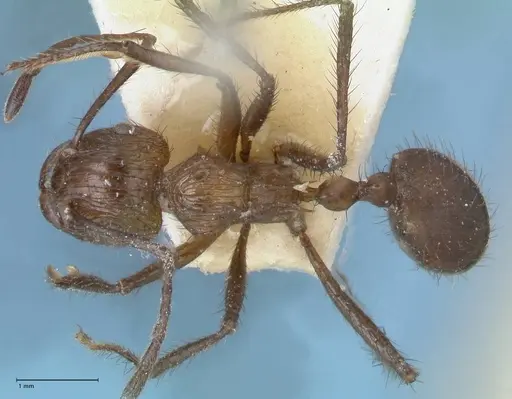
KG03215
View on AntWeb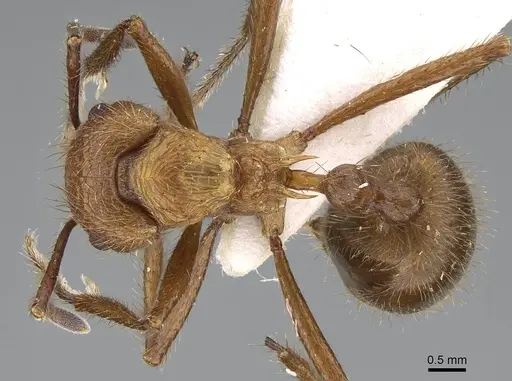
Literature
Loading distribution map...Loading products...