
Myrmicaria fusca
- Sci. Name
- Myrmicaria fusca
- Tribe
- Solenopsidini
- Subfamily
- Myrmicinae
- Author
- Stitz, 1911
- Distribution
- Found in 3 countries
Introduction
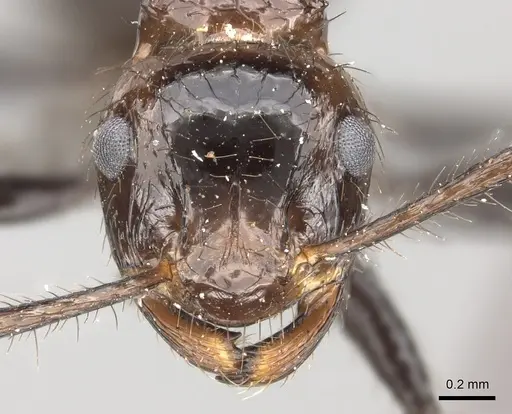
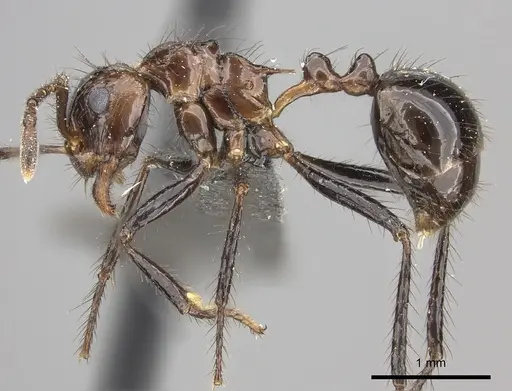
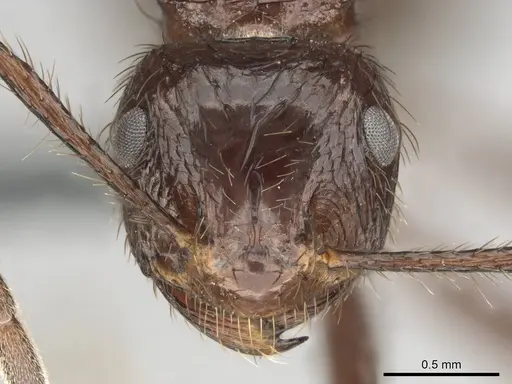
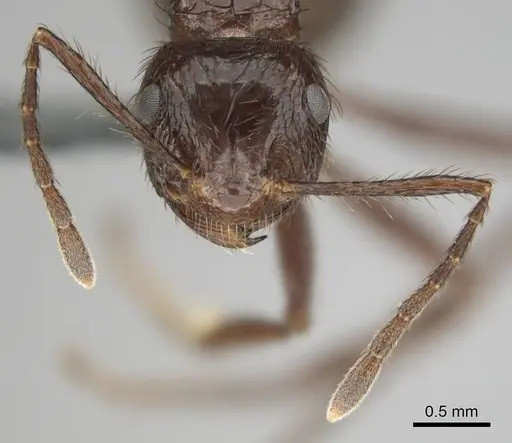
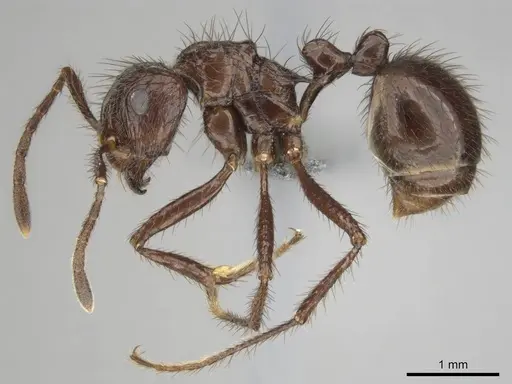
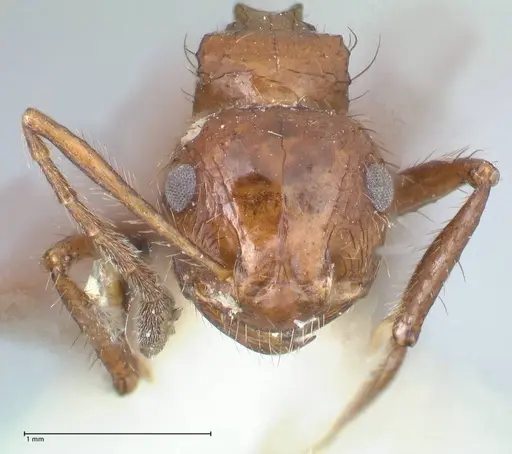
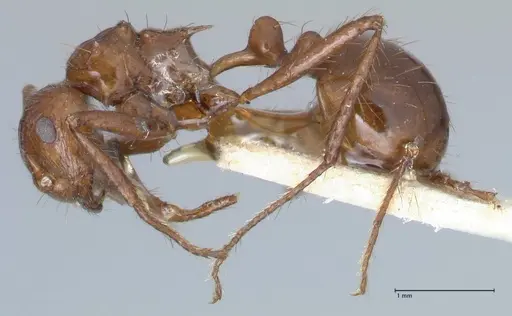
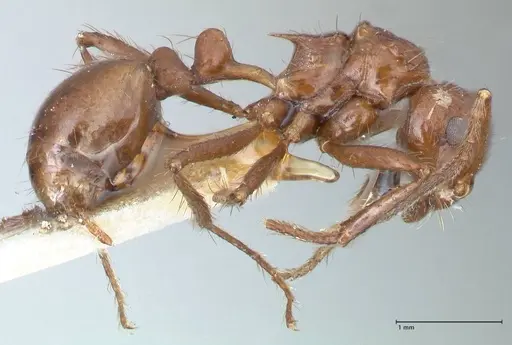
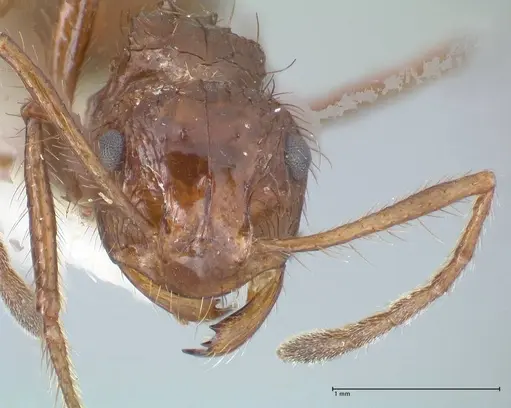
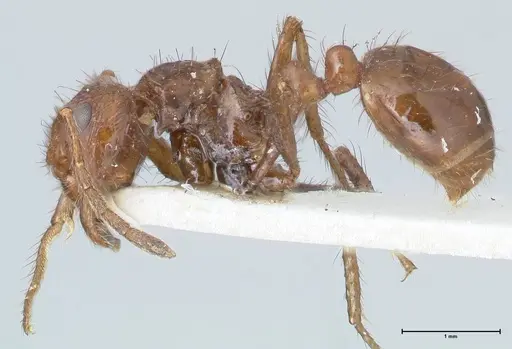
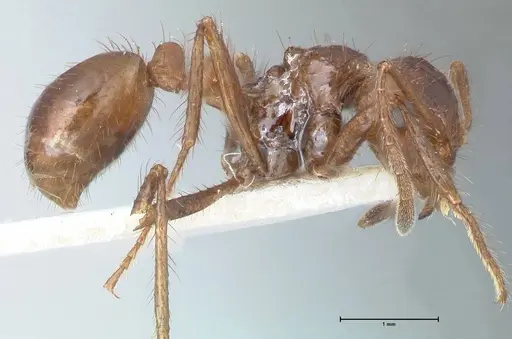
Myrmicaria fusca is a small to medium-sized ant species native to the Afrotropical region, found in the Democratic Republic of Congo, Mozambique, and South Africa . Workers measure approximately 4-6mm and have a smooth, polished body surface with limited carinae . The species was originally described in 1911 as a variety of Myrmicaria natalensis and elevated to species status in 1925. Two subspecies are recognized: Myrmicaria fusca consanguinea and Myrmicaria fusca nigerrima . This species is notable for its smooth mesosoma lacking prominent longitudinal carinae, with only a median carina and two short oblique carinae on the pronotum visible in dorsal view .
Quick Summary
- Difficulty: Medium
- Origin & Habitat: Afrotropical region, Democratic Republic of Congo, Mozambique, and South Africa. Natural habitat includes tropical and subtropical environments, often nesting in soil or under stones in savanna and forest edge habitats [1].
- Colony Type: Colony structure is unconfirmed in scientific literature. Based on typical Myrmicaria genus patterns, colonies may be monogyne (single queen) but this is not documented [1].
- Size & Growth:
- Queen: Size data unavailable, no total length measurements in literature
- Worker: Approximately 4-6mm [1]
- Colony: Unknown, no documented maximum colony size
- Growth: Moderate, inferred from genus patterns
- Development: Estimated 6-10 weeks at optimal temperature based on related Solenopsidini species [1] (Development timeline not specifically studied, estimates based on genus-level data)
- Antkeeping:
- Temperature: Keep at 22-26°C with a gentle gradient. Room temperature within this range is suitable, or use a heating cable on one side of the nest [1].
- Humidity: Keep nest substrate consistently moist but not waterlogged. Provide a humidity gradient with both moist and dry areas [1].
- Diapause: Unknown, no specific data on diapause requirements for this species
- Nesting: Provide nests with compact chambers, such as Y-tong (AAC), plaster, or soil-based setups. Ensure chambers are sized for 4-6mm workers and include humidity control [1].
- Behavior: Workers are active foragers that search for food individually or in small groups. They are not highly aggressive but will defend the nest if disturbed. Escape prevention is important due to their small size, use barriers like Fluon on test tube rims [1].
- Common Issues: limited availability due to restricted natural range, colony growth may be slow initially during founding stage, wild-caught colonies may carry parasites causing failure in captivity, temperature sensitivity, sudden changes can stress colonies, limited documented care information may require experimentation
Nest Preferences and Housing
Myrmicaria fusca can be housed in nests that provide appropriate humidity control and chamber dimensions for 4-6mm workers. Y-tong (AAC) nests allow precise humidity control, while plaster nests hold moisture well. Naturalistic soil setups with flat stones mimic their wild under-stone nesting environment. Test tube setups work for founding colonies but need upgrading as the colony grows. Ensure both moist and dry areas so ants can self-regulate humidity [1].
Feeding and Diet
Workers are omnivorous and accept both protein and sugar sources. Offer protein like small insects (fruit flies, crickets) 2-3 times per week, and provide constant sugar sources like honey water. They likely collect honeydew in the wild, so sweet liquids mimic this diet. Remove uneaten prey after 24-48 hours to prevent mold [1].
Temperature and Seasonal Care
Maintain nest temperatures between 22-26°C for optimal brood development. A temperature gradient lets workers choose preferred conditions. Diapause requirements are unknown, but reducing temperatures in winter may be beneficial based on genus patterns. Avoid sudden temperature changes and drafts [1].
Behavior and Colony Dynamics
Workers forage individually or in small groups and are not highly aggressive. They communicate chemically and may use tandem-running for recruitment. Colonies establish division of labor with workers tending the queen, caring for brood, and foraging. Growth is gradual over the first year [1].
Frequently Asked Questions
How long does it take for Myrmicaria fusca to produce first workers?
Estimated 6-10 weeks at 24-26°C based on related species, but no specific data for this species [1].
What do Myrmicaria fusca ants eat?
They are omnivorous. Offer small insects for protein and constant sugar sources like honey water [1].
What temperature do Myrmicaria fusca colonies need?
Keep at 22-26°C with a gradient. Room temperature within this range is suitable [1].
Does Myrmicaria fusca need hibernation?
Diapause requirements are unknown, no specific data for this species [1].
How big do Myrmicaria fusca colonies get?
Colony size is unknown, no documented maximum size [1].
Can I keep multiple Myrmicaria fusca queens together?
Not recommended, colony structure is unconfirmed, and combining queens may result in fighting [1].
What type of nest is best for Myrmicaria fusca?
Y-tong, plaster, or soil-based nests with chambers sized for 4-6mm workers and humidity control [1].
Why is my Myrmicaria fusca colony not growing?
Common causes include incorrect temperature, insufficient protein, improper humidity, or stress from disturbance [1].
Is Myrmicaria fusca suitable for beginners?
Rated medium difficulty due to limited care information. Beginners should ensure consistent temperature and humidity [1].
Report an Issue
The current care sheet is based fully on literature. See inconsistencies, or something that's incorrect? Please , it will be resolved after review from an admin. Contributing to the blogs tab also helps providing information, to make us be able to further improve the caresheets. Thank you for your support!
References

This caresheet is licensed under CC BY-SA 4.0 .
Community Blogs
CASENT0235939
View on AntWeb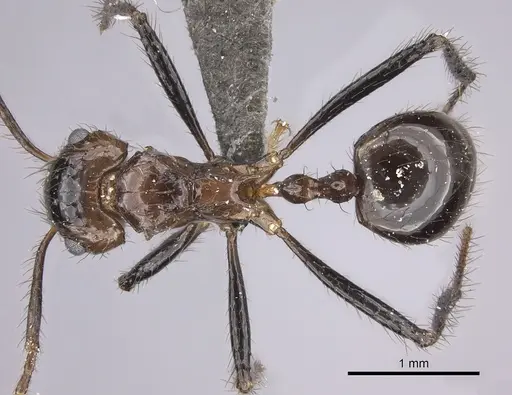
CASENT0250326
View on AntWeb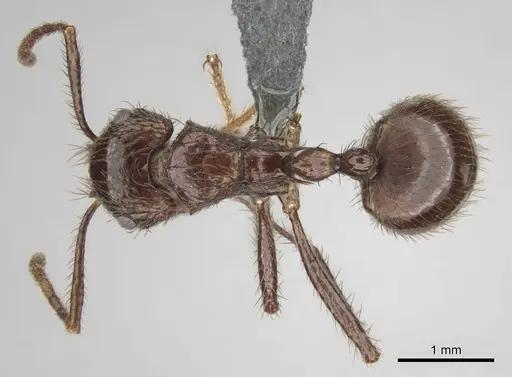
CASENT0900508
View on AntWeb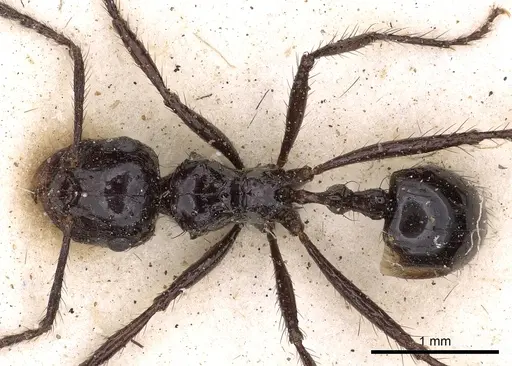
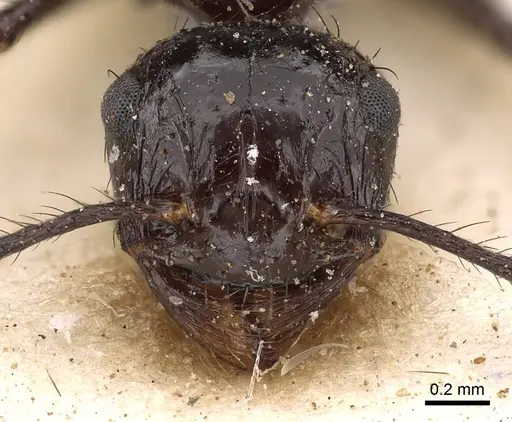
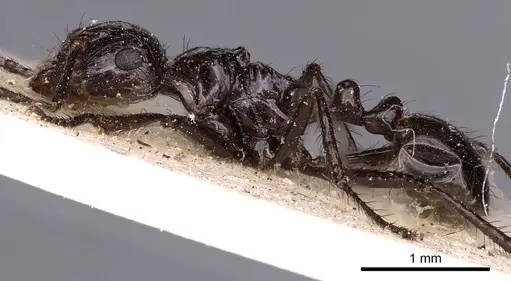
CASENT0913042
View on AntWeb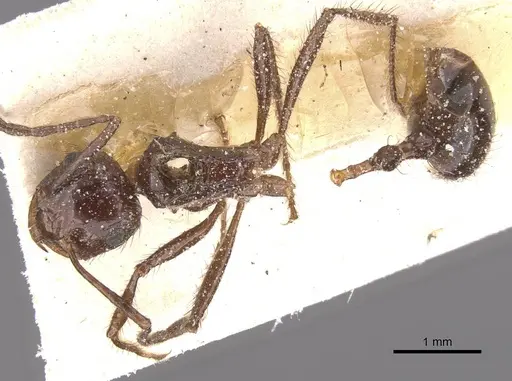
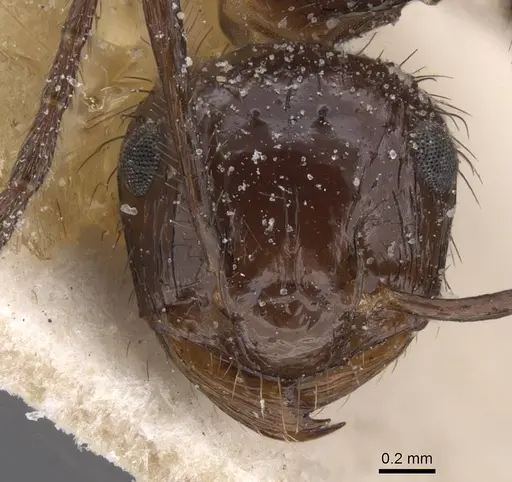
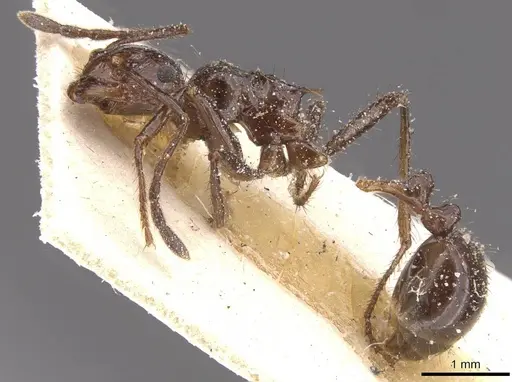
CASENT0913043
View on AntWeb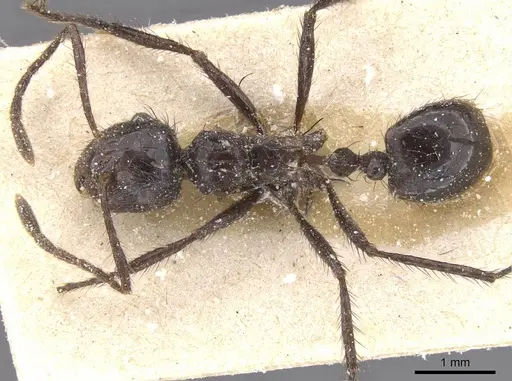
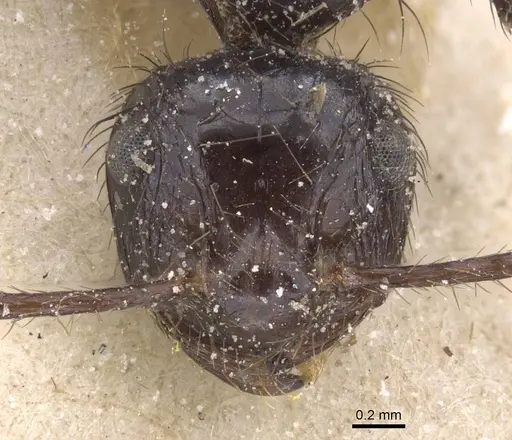
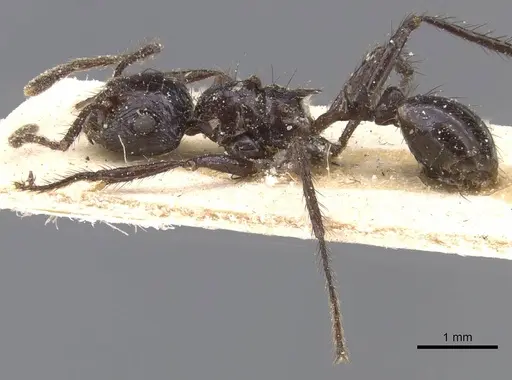
FOCOL1582
View on AntWeb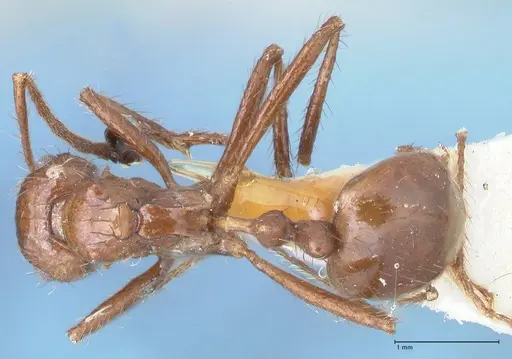
FOCOL1583
View on AntWeb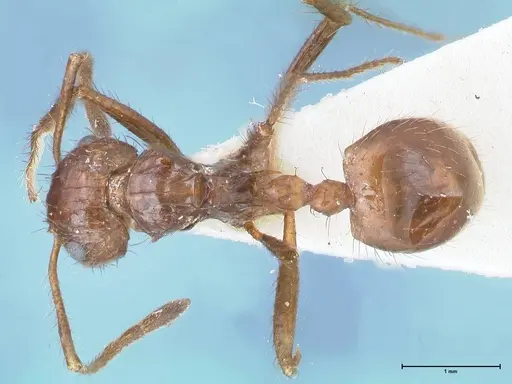
Literature
Loading distribution map...Loading products...