
Myrmicaria fumata
- Sci. Name
- Myrmicaria fumata
- Tribe
- Solenopsidini
- Subfamily
- Myrmicinae
- Author
- Santschi, 1916
- Distribution
- Found in 2 countries
Introduction
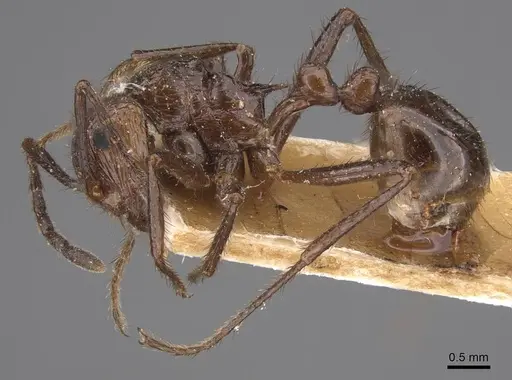
Myrmicaria fumata is a species native to West and Central Africa, documented in Gambia, Ivory Coast, Nigeria, and the Democratic Republic of Congo . It belongs to the genus Myrmicaria in the tribe Solenopsidini. This species was described in 1916 and has a subspecies, Myrmicaria fumata linearis . Limited research is available on its specific biology and behavior in the wild.
Quick Summary
- Difficulty: Medium
- Origin & Habitat: Afrotropical region, found in West Africa (Gambia, Ivory Coast, Nigeria) and Central Africa (Democratic Republic of Congo) [1][2]. Specific habitat requirements are not documented in available research.
- Colony Type: Colony structure is unconfirmed. No data on queen number or social structure for this species.
- Size & Growth:
- Queen: Size unknown, inferred from Myrmicaria genus (~6-8 mm)
- Worker: Size unknown, inferred from Myrmicaria genus (~3-5 mm)
- Colony: Up to several hundred workers, estimated based on genus patterns
- Growth: Unknown, estimated Moderate based on genus patterns
- Development: Unconfirmed, estimated 6-10 weeks based on typical Myrmicinae patterns (No direct development data exists for this species. Estimates based on related species.)
- Antkeeping:
- Temperature: Based on tropical origin, keep warm around 24-28°C. No specific thermal studies exist, so monitor colony behavior [1][2].
- Humidity: Keep nest substrate consistently moist but not waterlogged, as typical for tropical species [1][2].
- Diapause: Not required based on tropical African origin. No documented diapause behavior [1][2].
- Nesting: Natural nesting behavior is unconfirmed. Based on genus patterns, soil-based nests are suitable. Use Y-tong, plaster, or soil nests with moisture retention.
- Behavior: Behavior is poorly documented. As a member of Myrmicinae, they have a sting with venom, but specific defensive behaviors for M. fumata are not known. Workers are active foragers with moderate escape risk due to small size. Standard barriers like Fluon are recommended.
- Common Issues: escape risk due to small worker size, ensure effective barriers, mold growth in nest if humidity is too high or food not removed promptly, temperature fluctuations can stress the colony, limited care information may require experimentation with conditions
Species Identification and Taxonomy
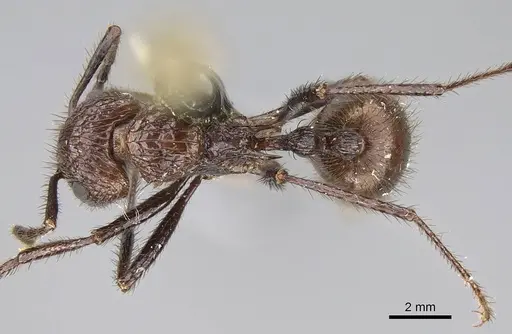
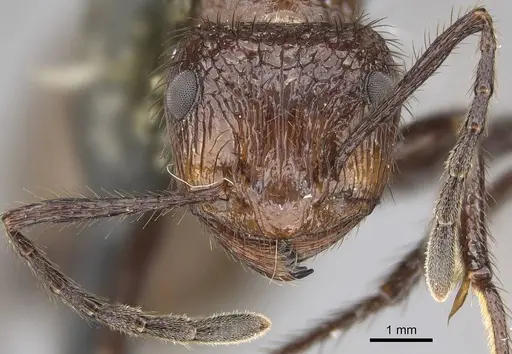
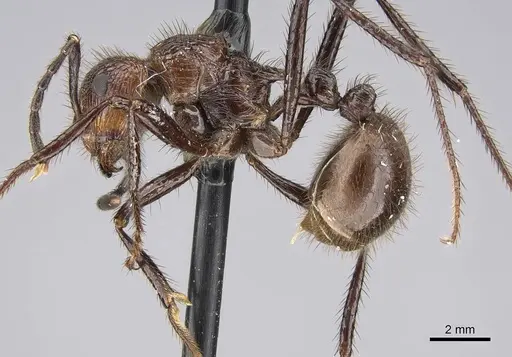
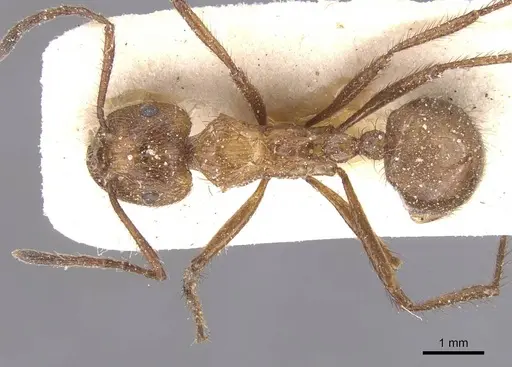
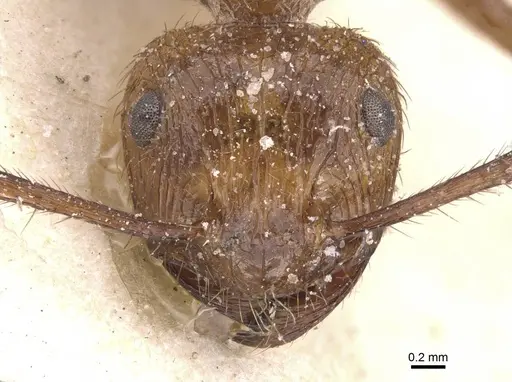
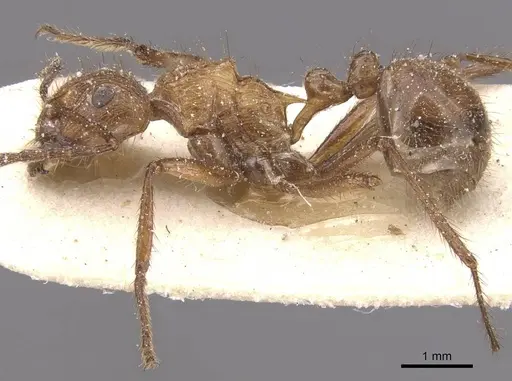
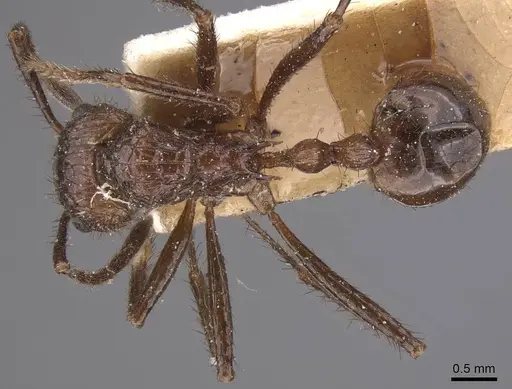
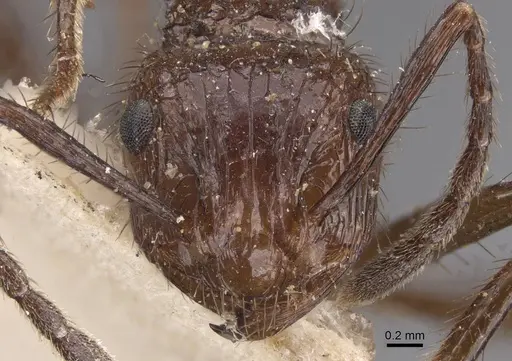
Myrmicaria fumata was described by Santschi in 1916,with the subspecies Myrmicaria fumata linearis recognized [3]. The genus Myrmicaria is part of the Solenopsidini tribe within Myrmicinae. Specific morphological details for this species are not provided in available literature.
Distribution and Range
Myrmicaria fumata is found across the Afrotropical region, specifically documented in West African countries including Gambia, Ivory Coast, and Nigeria, as well as the Democratic Republic of Congo in Central Africa [1][2]. The species has been recorded in Gambia based on checklist data [1], and Democratic Republic of Congo records reference Santschi's revision [2]. The full extent of its range is not well-documented.
Nest Preferences and Housing
Natural nesting behavior for Myrmicaria fumata has not been specifically documented. Based on patterns in related Myrmicaria species, they likely nest in soil or under stones. For captive care, a naturalistic setup with soil-based substrate works well, or use Y-tong, plaster, or 3D-printed nests with moisture retention. Start with moderate humidity and observe colony behavior to adjust conditions.
Feeding and Diet
Specific dietary requirements for Myrmicaria fumata have not been studied. As a member of Myrmicinae, they likely have an omnivorous diet including protein sources (small insects) and carbohydrates (honeydew, nectar). Offer varied diet with small live insects and sugar water, removing uneaten food after 24-48 hours to prevent mold.
Temperature and Seasonal Care
Myrmicaria fumata originates from tropical West and Central Africa, suggesting warm conditions are preferred. Aim for temperatures around 24-28°C for optimal activity. Room temperature within this range is sufficient in most homes. A heating cable can create a gentle gradient if needed. Diapause is not required due to tropical origin. [1][2]
Behavior and Temperament
Detailed behavioral observations for Myrmicaria fumata are not available. The genus Myrmicaria is generally non-aggressive with active foragers. As Myrmicinae, they have a sting with venom, but specific defense mechanisms for this species are unknown. Workers are moderate foragers, and escape prevention should be moderate due to small size.
Frequently Asked Questions
How long does it take for Myrmicaria fumata to raise their first workers?
No specific development timeline exists for this species. Based on typical Myrmicinae patterns, expect approximately 6-10 weeks from egg to first worker at optimal temperatures (around 24-28°C) [3].
What do Myrmicaria fumata ants eat?
Specific dietary studies do not exist for this species. Based on genus patterns, offer a varied diet including small live insects for protein and sugar water or honey for carbohydrates. Remove uneaten food after 24-48 hours.
What temperature should I keep Myrmicaria fumata at?
Based on their West African tropical origin, keep them warm at 24-28°C. Room temperature in this range is typically suitable, with a slight gradient for self-regulation [1][2].
Do Myrmicaria fumata need hibernation?
Hibernation is not required given their tropical African origin. Maintain consistent warm temperatures year-round [1][2].
Is Myrmicaria fumata a good species for beginners?
This species is not well-documented in the ant-keeping hobby, making it challenging due to lack of established care information. There are better-documented species for beginners.
How big do Myrmicaria fumata colonies get?
Colony size data is not available for this specific species. Based on typical Myrmicaria genus patterns, colonies likely reach up to several hundred workers, with moderate growth rate.
Can I keep multiple Myrmicaria fumata queens together?
The colony structure (single-queen vs multi-queen) for this species has not been documented. Without specific data, it is not recommended to combine unrelated queens, as the outcome is unpredictable.
What type of nest should I use for Myrmicaria fumata?
A naturalistic setup with soil substrate or a Y-tong/plaster nest with moisture retention would be appropriate starting points. Since specific nesting preferences are unknown, observe your colony's behavior and adjust accordingly.
Where is Myrmicaria fumata found in the wild?
Myrmicaria fumata is native to West and Central Africa, documented in Gambia, Ivory Coast, Nigeria, and the Democratic Republic of Congo [1][2].
Report an Issue
The current care sheet is based fully on literature. See inconsistencies, or something that's incorrect? Please , it will be resolved after review from an admin. Contributing to the blogs tab also helps providing information, to make us be able to further improve the caresheets. Thank you for your support!
References

This caresheet is licensed under CC BY-SA 4.0 .
Community Blogs
Literature
Loading distribution map...Loading products...