
Myrmicaria exigua
- Sci. Name
- Myrmicaria exigua
- Tribe
- Solenopsidini
- Subfamily
- Myrmicinae
- Author
- André, 1890
- Distribution
- Found in 4 countries
Introduction
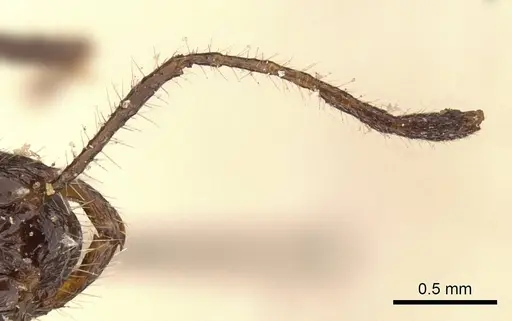
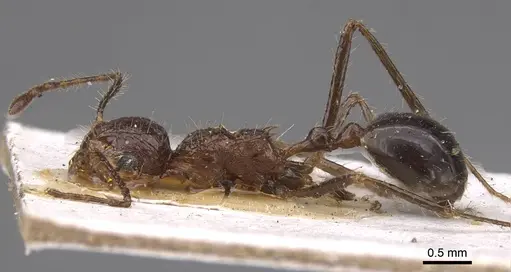
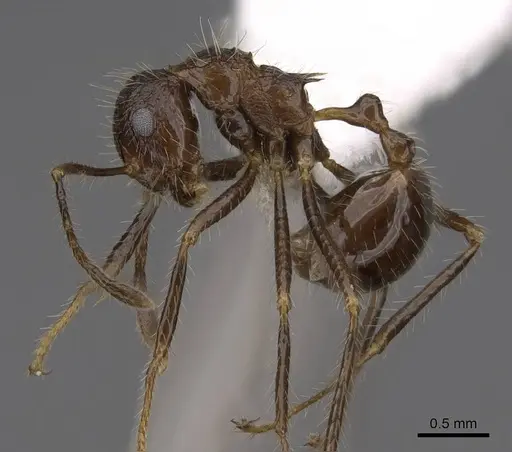
Myrmicaria exigua is a tiny ant species native to the Afrotropical region, found in Sierra Leone, the Central African Republic, Gabon, and the Democratic Republic of Congo. Workers measure just 3-4.5mm in total length, making them one of the smaller ant species in the hobby . They belong to the subfamily Myrmicinae and tribe Solenopsidini. Unlike many Myrmicaria species that have a three-segmented antenna club, M. exigua has only the last funicular segment elongated . These ants inhabit forested areas at elevations ranging from 110m to 640m, where they forage actively on the forest floor and in leaf litter .
Quick Summary
- Difficulty: Unknown, likely Easy to Medium
- Origin & Habitat: West and Central Africa (Sierra Leone, Central African Republic, Gabon, DRC). Found in forested habitats at elevations from 110-640m, typically in leaf litter and ground-level foraging zones [2][3].
- Colony Type: Unconfirmed colony structure. Based on genus placement in Solenopsidini, likely forms moderate-sized colonies. No specific data on queen number (monogyne vs polygyne) is available for this species.
- Size & Growth:
- Queen: likely 5-7mm, inferred from genus patterns
- Worker: 3-4.5mm [1]
- Colony: Unknown, likely several hundred workers based on typical Solenopsidini colony sizes
- Growth: Unknown, likely moderate growth rate typical of small Myrmicinae
- Development: Estimated 6-8 weeks based on related Solenopsidini species at warm temperatures (24-28°C) (No species-specific development data exists. Estimates based on genus-level patterns for small tropical ants.)
- Antkeeping:
- Temperature: Keep at 24-28°C (warm room temperature to slightly elevated). No species-specific data exists, but forest-dwelling Afrotropical ants typically thrive in these conditions.
- Humidity: Moderate to high humidity (60-80%). These ants inhabit forest floors in their native range, so keep the nest substrate consistently moist but not waterlogged.
- Diapause: Unknown for this species. Most Afrotropical ants do not require true hibernation, but may slow down during cooler periods.
- Nesting: Natural nesting occurs in soil and leaf litter in forested areas. In captivity, a test tube setup or small Ytong/plaster nest works well. Keep the nest humid with access to a water tube.
- Behavior: Active foragers that likely search for small prey and honeydew. No specific data on aggression or sting potency exists, but given their tiny size, they pose minimal threat to keepers. Their small size (under 5mm) means escape prevention should be a priority, use fine mesh and tight-fitting barriers.
- Common Issues: very small size makes escape likely without proper barriers, no published care guidelines means keepers must adapt from related species, humidity control is critical, too dry causes colony decline, limited availability in the antkeeping hobby
Natural History and Distribution
Myrmicaria exigua is a poorly documented ant species native to West and Central Africa. The species was originally described from Sierra Leone by André in 1890,and subsequent records exist from the Central African Republic, Gabon, and the Democratic Republic of Congo (particularly the Kisangani area) [3]. Specimens have been collected from elevations ranging from 110m to 640m in forested regions, typically through leaf litter sifting and Malaise trapping [2]. Several subspecies have been described, including M. exigua gracilis, M. exigua kisangani, M. exigua obscura, M. exigua pulla, M. exigua rufiventris, and M. exigua simplex, suggesting some regional variation in this species [4].
Identification and Morphology
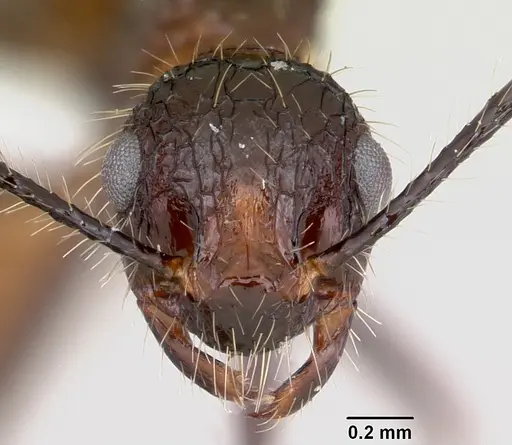
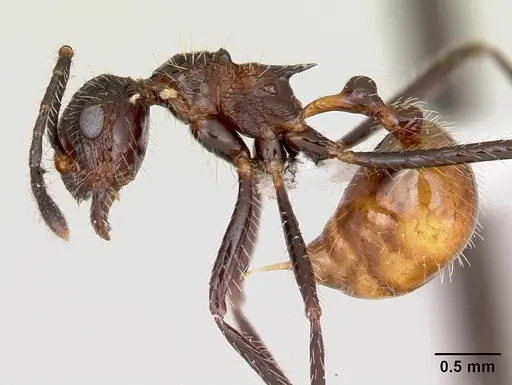
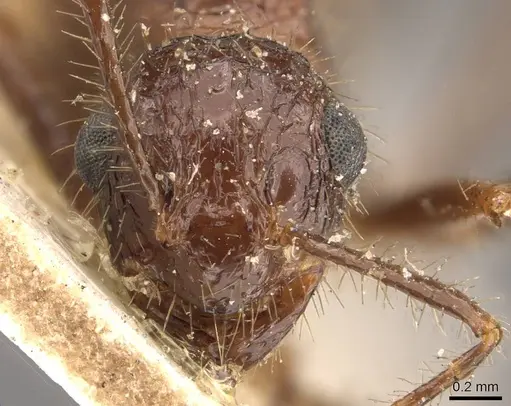
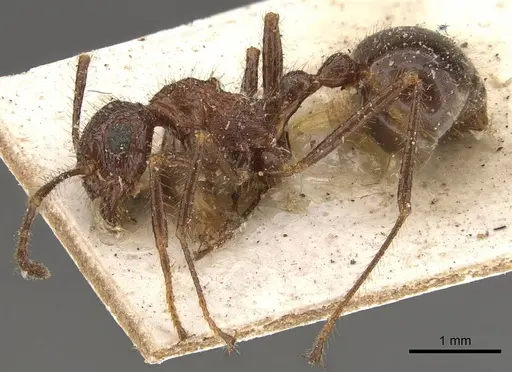
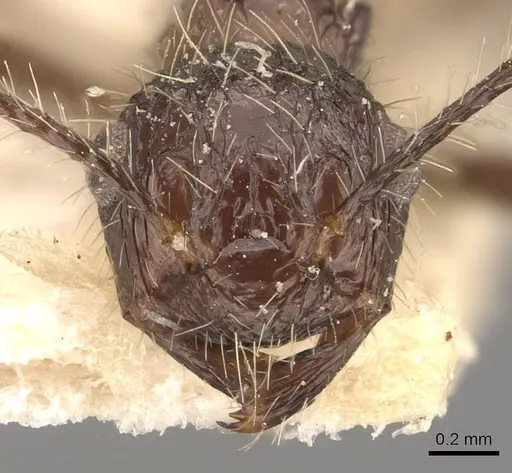
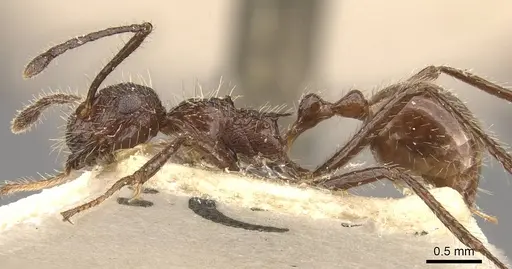
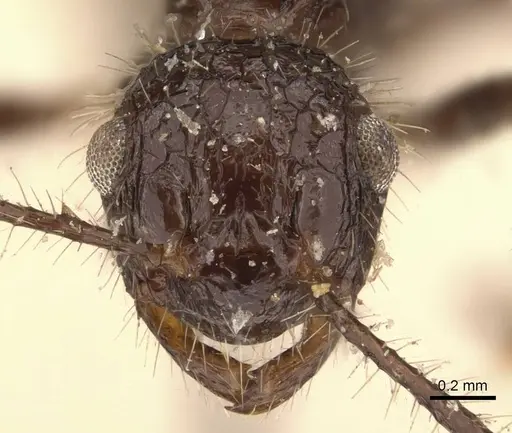
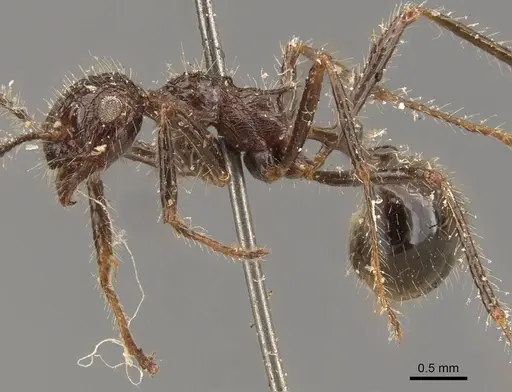
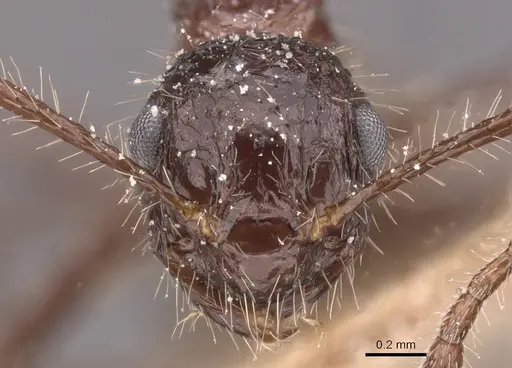
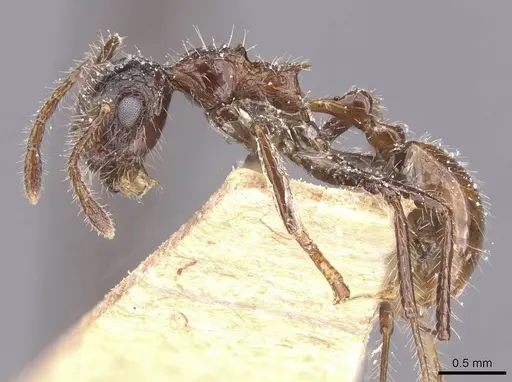
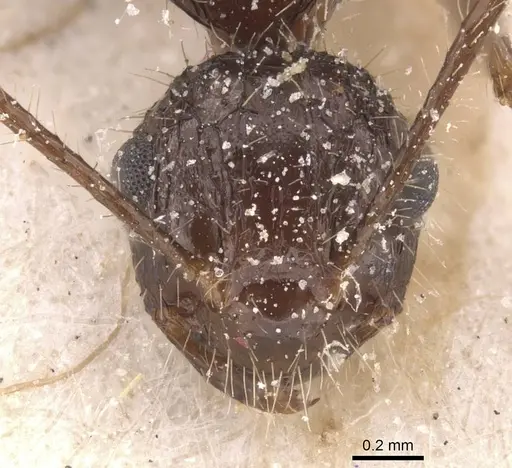
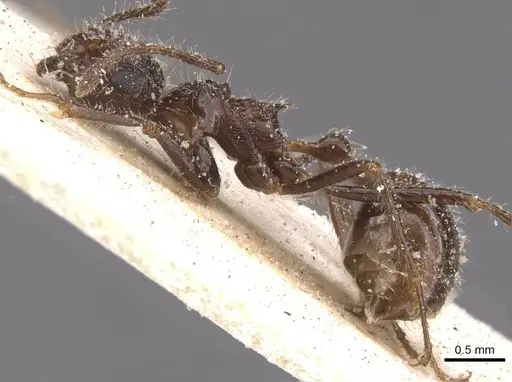
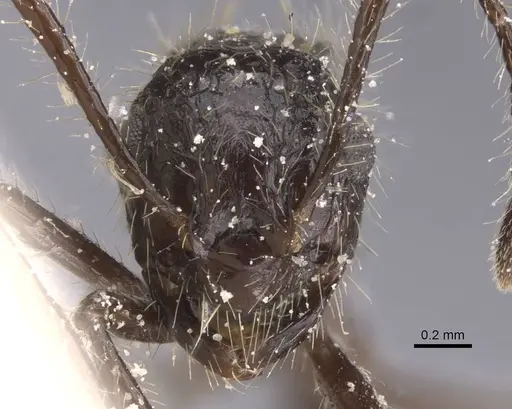
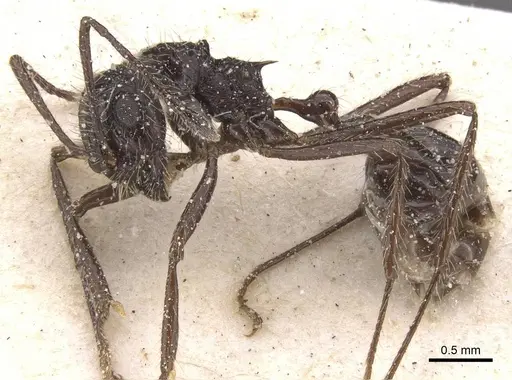
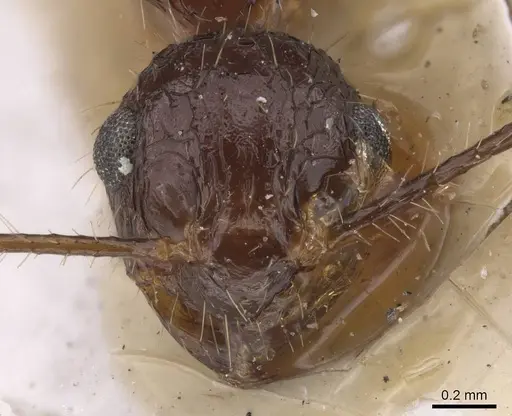
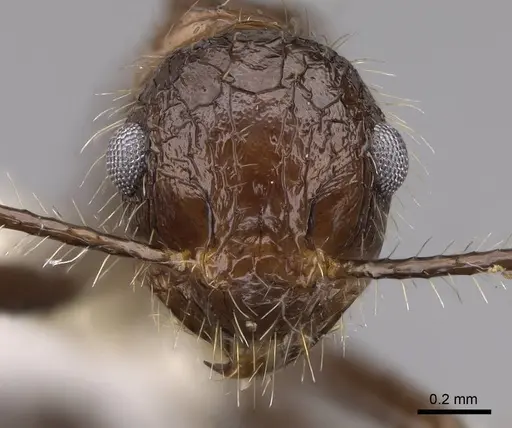
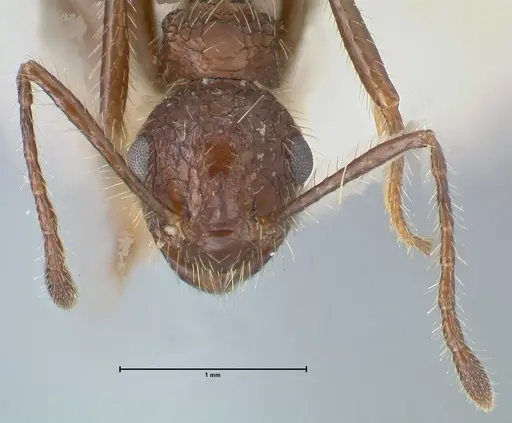
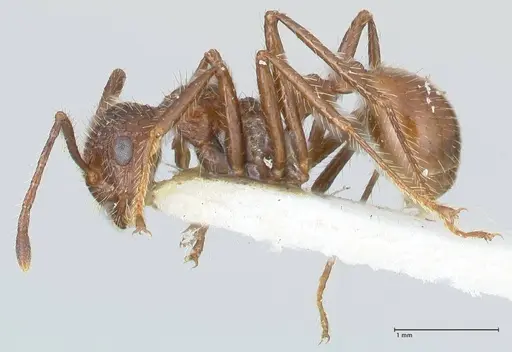
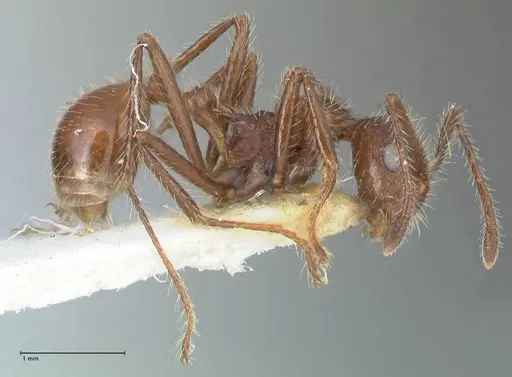
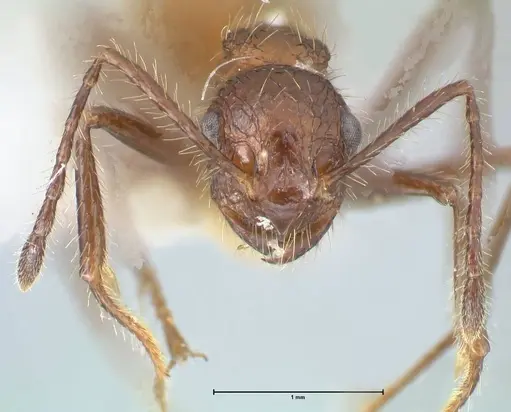
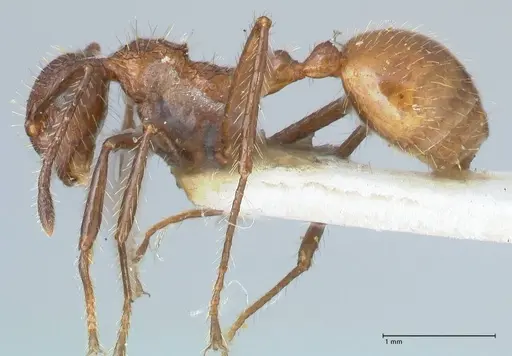
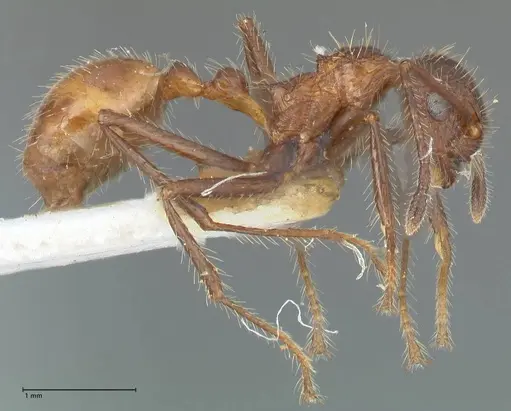
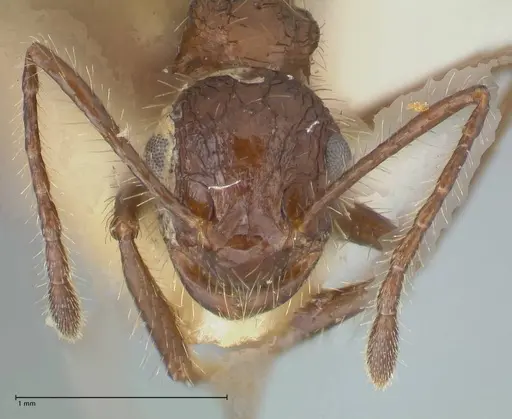
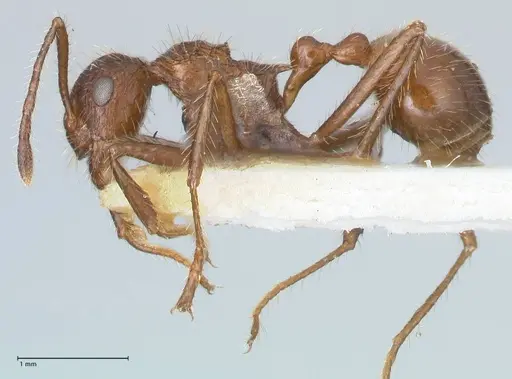
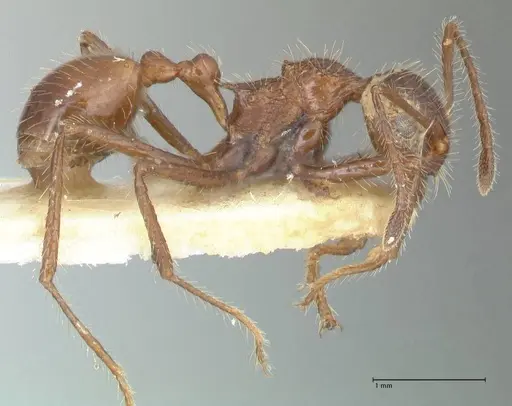
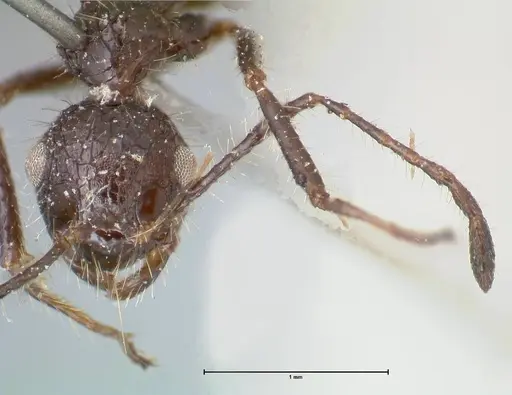
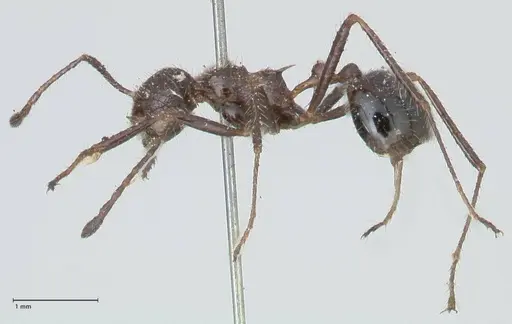
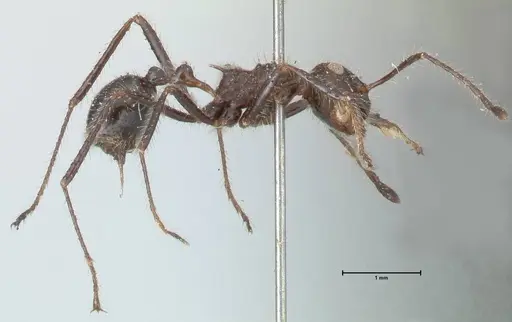
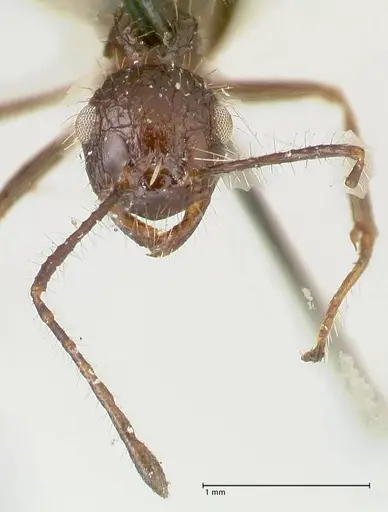
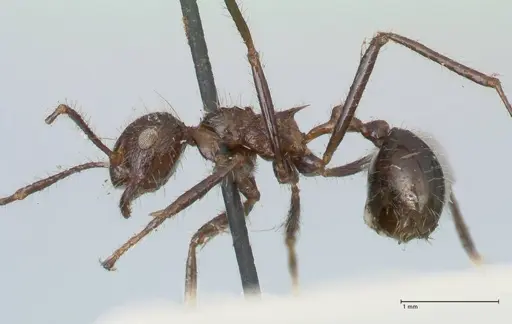
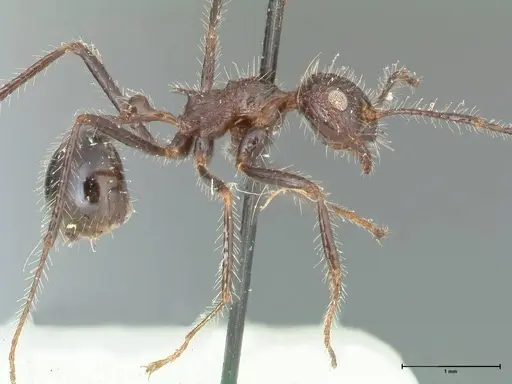
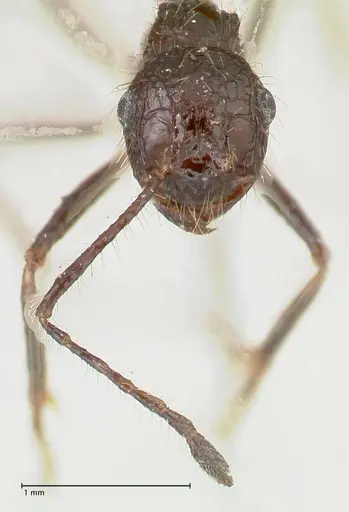
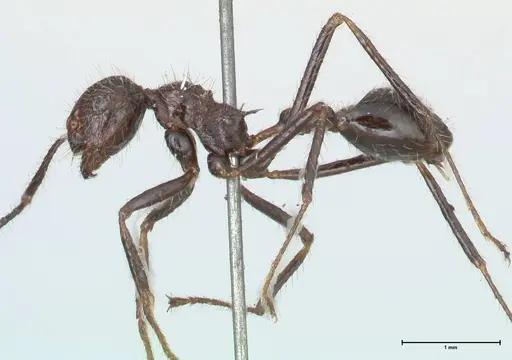
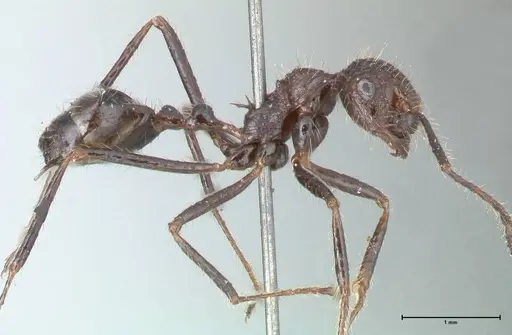
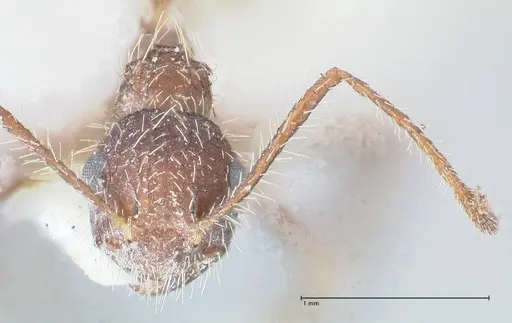
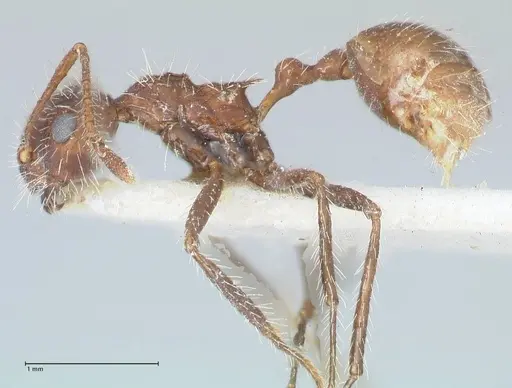
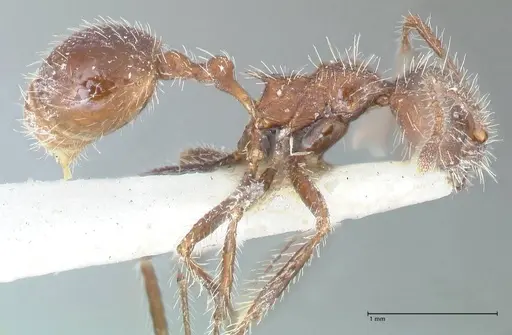
Myrmicaria exigua is a very small ant species, with total length measuring only 3-4.5mm [1]. This places it among the smaller Myrmicaria species. A key identifying feature is the antenna: unlike most other African Myrmicaria which have a three-segmented antenna club, M. exigua has only the last funicular segment elongated, giving it a more gradual antenna shape [1]. Workers are likely reddish-brown to dark brown in color, though exact coloration is not well-documented in available literature. The genus Myrmicaria is characterized by a distinct postpetiole (the second segment of the petiole) and typically a smooth, glossy body surface.
Housing and Nesting
In captivity, Myrmicaria exigua can be housed in standard test tube setups for founding colonies, then transitioned to small plaster or Ytong nests as the colony grows. Given their tiny size (under 5mm), ensure that any connections between the outworld and nest are narrow enough to prevent escapes. These forest-dwelling ants prefer humid conditions, keep the nest substrate moist and provide a constant water source. A small outworld with a sugar feeder and protein food dish works well. Because they are active foragers, they will benefit from regular feeding schedules and may display hunting behaviors toward small prey.
Feeding and Diet
While no species-specific feeding data exists, Myrmicaria and other Solenopsidini ants are typically omnivorous, accepting sugar sources (honey water, sugar water) and protein (small insects, mealworms, fruit flies). In their native forest habitat, they likely forage for small arthropods and tend aphids for honeydew. Offer a mix of sugar water and small protein items. Given their tiny size, prey items should be appropriately sized, fruit flies, pinhead crickets, or small mealworm pieces work well.
Temperature and Seasonal Care
As an Afrotropical species from forest habitats, Myrmicaria exigua likely prefers warm, humid conditions. Keep the colony at 24-28°C, which is warm room temperature. Avoid temperatures below 20°C or above 32°C. No specific diapause requirements have been documented, these ants likely remain active year-round in captivity unless exposed to prolonged cool periods. Monitor colony activity: if workers become sluggish, consider slightly increasing temperature.
Frequently Asked Questions
How big do Myrmicaria exigua ants get?
Workers are very small, measuring just 3-4.5mm in total length [1]. Queens are undocumented in primary literature but likely measure 5-7mm based on genus patterns.
Where is Myrmicaria exigua found?
This species is native to West and Central Africa, with confirmed records from Sierra Leone, the Central African Republic, Gabon, and the Democratic Republic of Congo [4][2].
What do Myrmicaria exigua eat?
Like other Solenopsidini ants, they likely accept sugar sources (honey water, sugar water) and small protein prey (fruit flies, small mealworms). Offer a varied diet.
Are Myrmicaria exigua good for beginners?
Difficulty level is uncertain due to limited published care information. Their small size requires good escape prevention, but otherwise they likely adapt well to captive conditions. This species is rarely available in the antkeeping hobby.
What temperature do Myrmicaria exigua need?
Keep them warm at 24-28°C. No species-specific data exists, but this matches conditions typical of forest-dwelling Afrotropical ants.
How long does it take for Myrmicaria exigua to develop from egg to worker?
No species-specific data exists. Based on related Solenopsidini species, estimate 6-8 weeks at optimal warm temperatures (24-28°C).
Do Myrmicaria exigua need hibernation?
No documented diapause requirement. As an Afrotropical species, they likely remain active year-round in captivity without hibernation.
Can I keep multiple Myrmicaria exigua queens together?
Colony structure (monogyne vs polygyne) has not been documented for this species. Without specific data, combining unrelated queens is not recommended.
Why are my Myrmicaria exigua escaping?
Their very small size (3-4.5mm) means they can squeeze through tiny gaps. Use fine mesh barriers and ensure all connections are tight-fitting. Escape prevention is critical with this species.
Report an Issue
The current care sheet is based fully on literature. See inconsistencies, or something that's incorrect? Please , it will be resolved after review from an admin. Contributing to the blogs tab also helps providing information, to make us be able to further improve the caresheets. Thank you for your support!
References

This caresheet is licensed under CC BY-SA 4.0 .
Community Blogs
CASENT0403455
View on AntWeb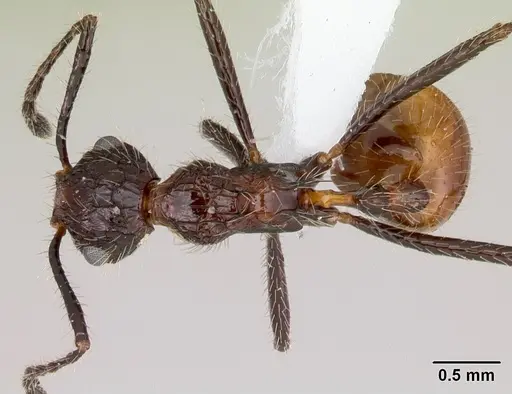
CASENT0908326
View on AntWeb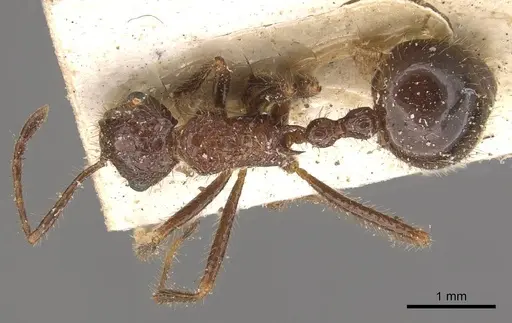
CASENT0908327
View on AntWeb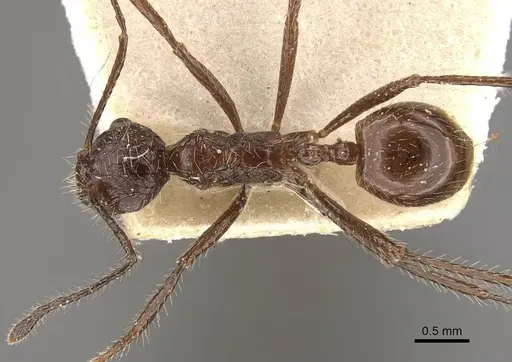
CASENT0908328
View on AntWeb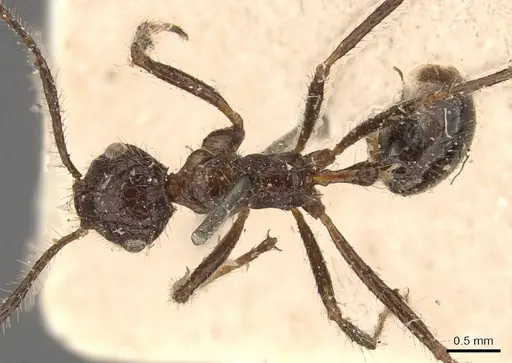
CASENT0913037
View on AntWeb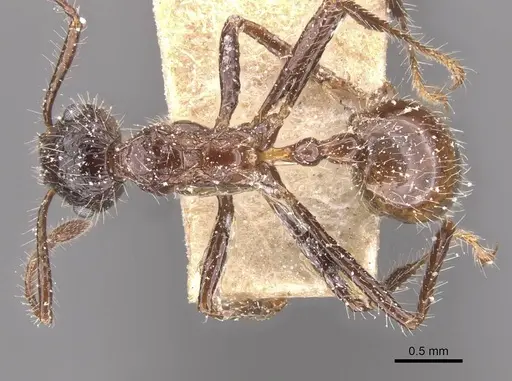
CASENT0913038
View on AntWeb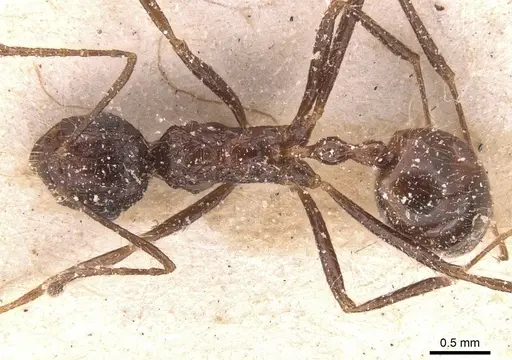
CASENT0913039
View on AntWeb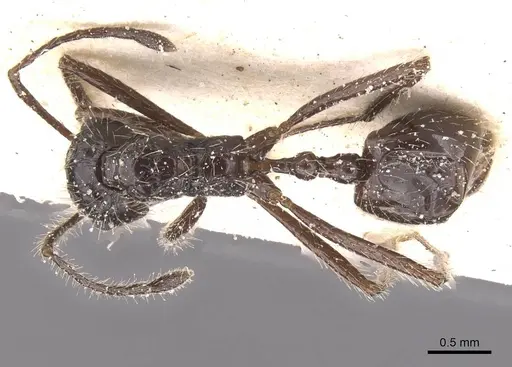
CASENT0915404
View on AntWeb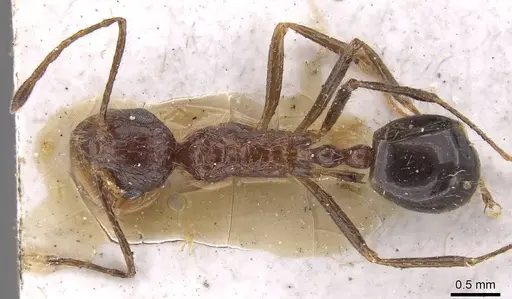
CASENT0923006
View on AntWeb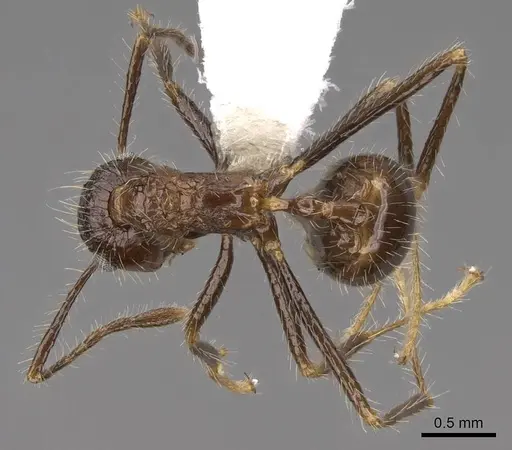
FOCOL1586
View on AntWeb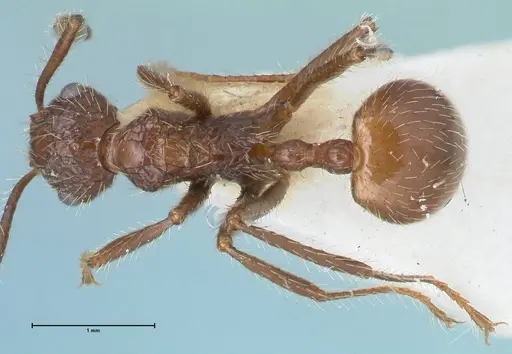
FOCOL1587
View on AntWeb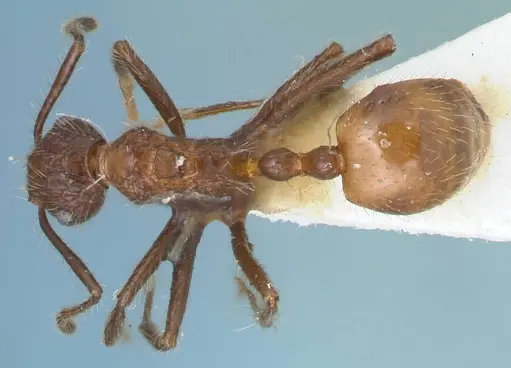
FOCOL1588
View on AntWeb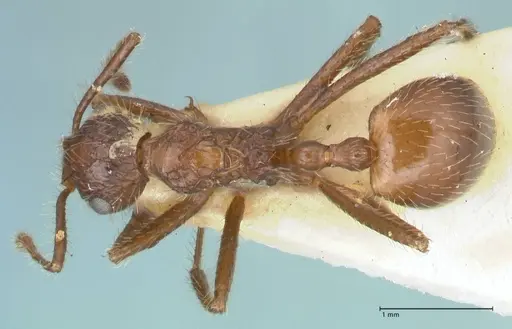
FOCOL1589
View on AntWeb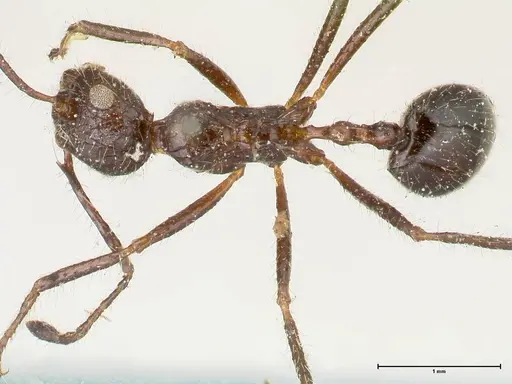
FOCOL1590
View on AntWeb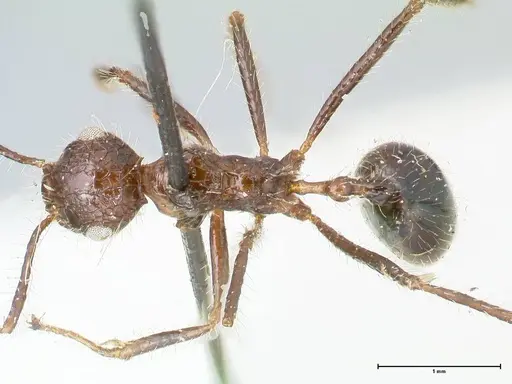
FOCOL1591
View on AntWeb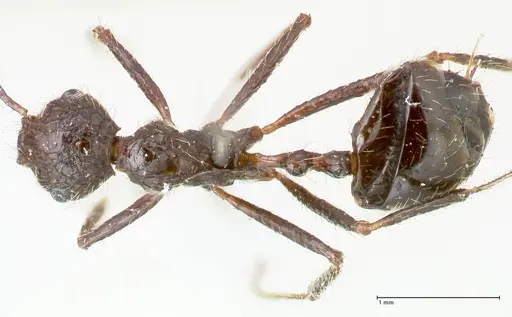
FOCOL1592
View on AntWeb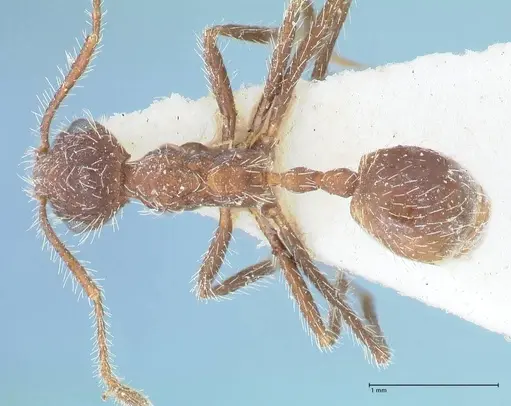
Literature
Loading distribution map...Loading products...