
Myrmicaria carinata
- Sci. Name
- Myrmicaria carinata
- Tribe
- Solenopsidini
- Subfamily
- Myrmicinae
- Author
- Smith, 1857
- Distribution
- Found in 2 countries
Introduction
Myrmicaria carinata is a small to medium-sized ant from the Indomalayan region, recorded in Borneo, Brunei, India, Indonesia, and Malaysia. Workers measure 4.5-5mm with a dark head and gaster contrasting against a rusty red thorax. The species has strong sculptural features and was first described from Borneo in 1857. It nests in the ground and has been collected from lowland dipterocarp forests to elevations around 1400-1500m. The species shows regional size variation, with Sumatran specimens tending larger (5-6.3mm). It belongs to the Myrmicinae subfamily, tribe Solenopsidini, and has a sting for defense.
Quick Summary
- Difficulty: Medium
- Origin & Habitat: Native to the Indomalayan region including Borneo, Brunei, India, Indonesia, and Malaysia. Found in lowland dipterocarp forests and higher elevation areas up to 1500m. Ground-nesting in forested habitats. [1][2][5]
- Colony Type: Unconfirmed colony structure – whether single-queen or multi-queen has not been documented in scientific literature.
- Size & Growth:
- Queen: Size data unavailable. Based on related Myrmicaria species, queens are likely larger than workers.
- Worker: 4.5-5mm (Sumatran specimens up to 6.3mm) [3]
- Colony: Unknown – no colony size data available.
- Growth: Unknown
- Development: Estimated 6-8 weeks based on typical Myrmicinae development at warm tropical temperatures (25-28°C). Not directly studied for this species. (Inferred from related species. Founding behavior unconfirmed.)
- Antkeeping:
- Temperature: Keep at 24-28°C. As a tropical species from Southeast Asia, they need consistent warmth. A temperature gradient with a heating cable is beneficial.
- Humidity: High humidity preferred. Keep the nest substrate consistently moist but not waterlogged – aim for a damp, forest-floor feel.
- Diapause: Unknown. Given its tropical origin, true hibernation is likely not required, but activity may slow during cooler periods.
- Nesting: Ground-nesting species. Use a naturalistic setup: Y-tong (AAC) or plaster nest with good moisture control, or a well-drained soil nest. Avoid dry nests. Provide chambers deep enough for colony expansion.
- Behavior: Behavior not well-documented. Based on the tribe Solenopsidini, workers have a sting for defense. They are moderate foragers, likely searching for protein and sugar sources. Escape risk is moderate due to size (4.5-5mm) – standard barriers suffice. Temperament is likely moderate, they will defend the nest but are not particularly aggressive.
- Common Issues: lack of specific care data makes successful husbandry more challenging, humidity control is critical – too dry causes colony failure, too wet risks flooding, temperature must be consistently warm, cool temperatures stress this tropical species, no documented diapause requirements means seasonal care is uncertain, wild-caught colonies may carry undiscovered parasites or diseases
Natural History and Distribution
Myrmicaria carinata is found across the Indomalayan region, with documented populations in Borneo, Brunei, India (Karnataka), Indonesia (Sumatra, Java), and Malaysia. The species was first described from Borneo in 1857 and has been collected from lowland dipterocarp forests in Brunei, as well as higher elevations in West Sumatra (~900m), East Java (1400m), and the Cameron Highlands in Malaysia (1500m). This altitudinal range suggests some habitat flexibility, though all sites are forested. The species is ground-nesting, one nest was found in soil near a pond in Java. [1][2][5][3]
Identification and Morphology
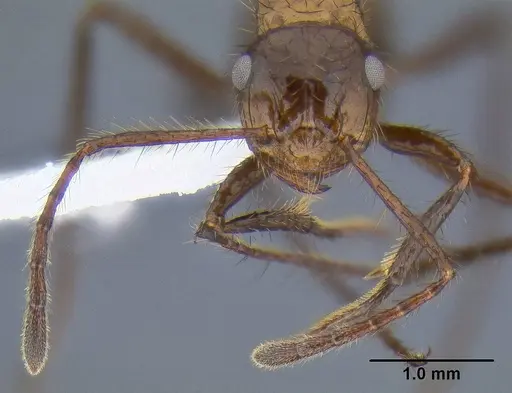
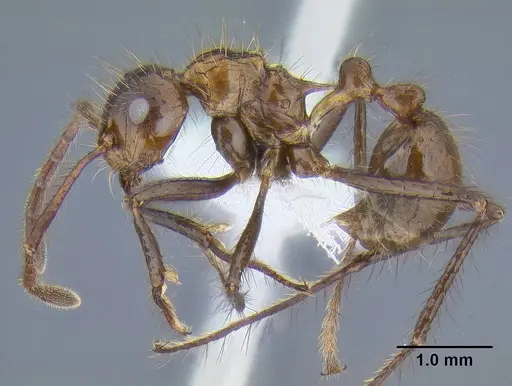
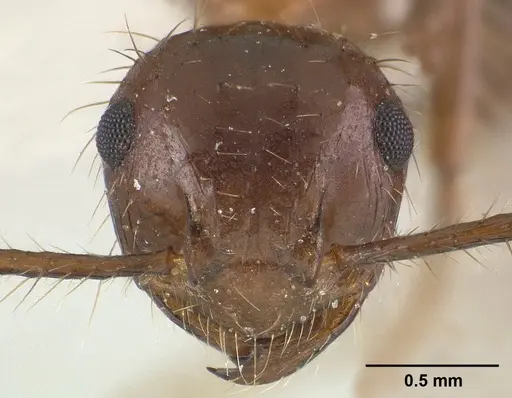
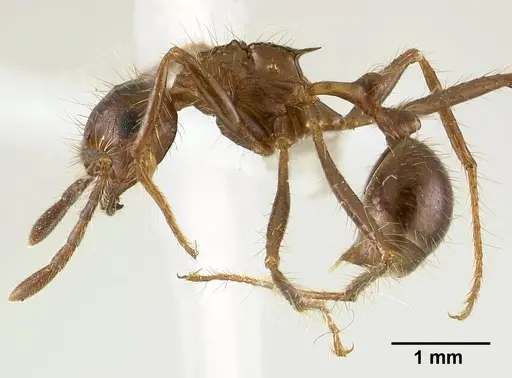
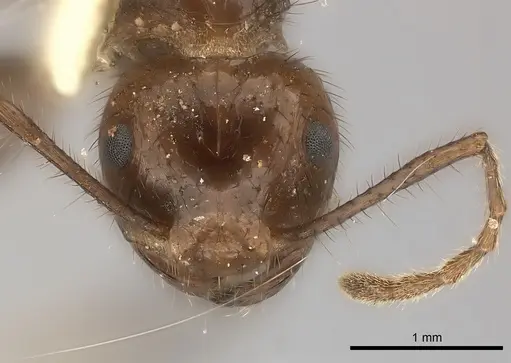
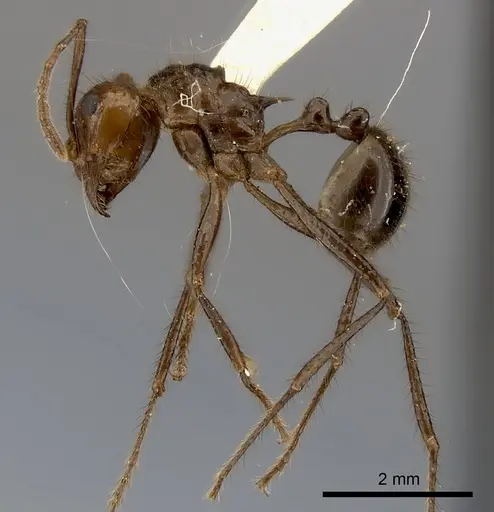
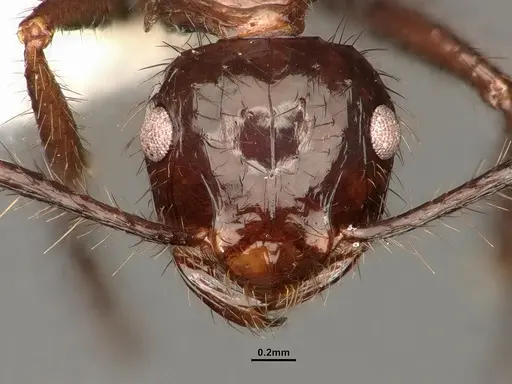
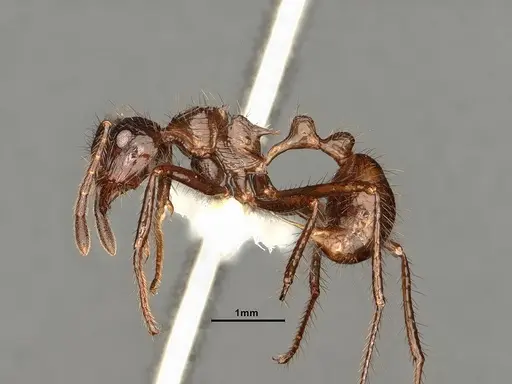
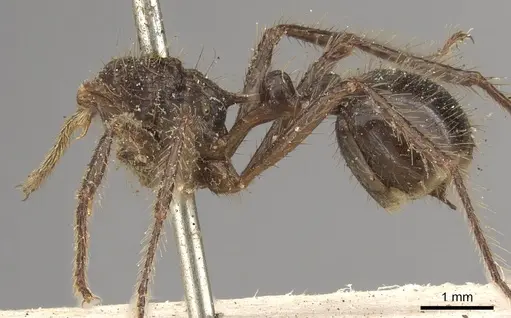
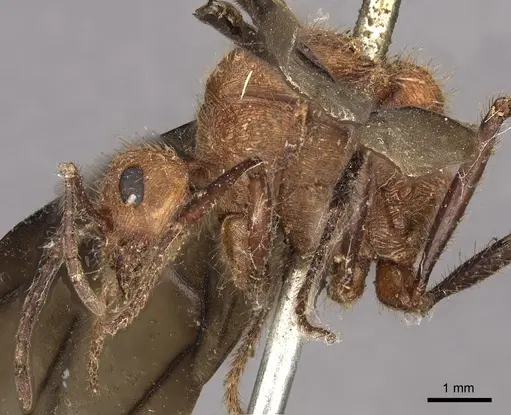
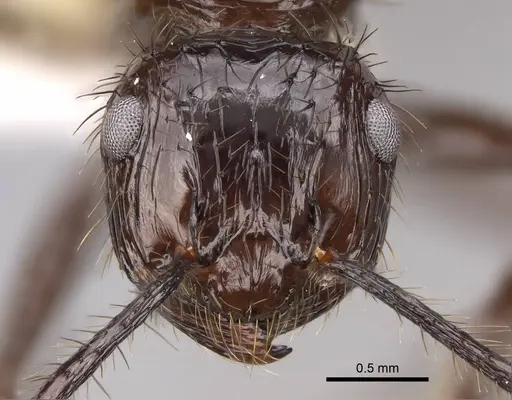
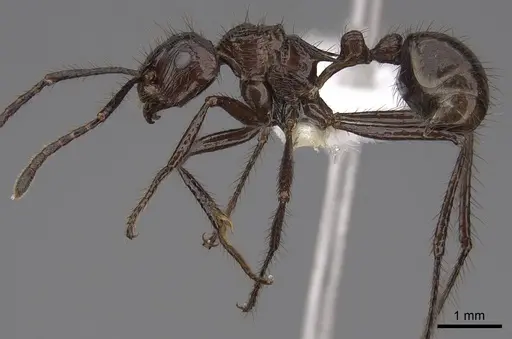
Workers of Myrmicaria carinata measure 4.5-5mm, with a dark blackish head and gaster, a rusty red (ferruginous) thorax, and dark brown appendages with lighter joints and tarsi. Strong sculptural features are present. Sumatran specimens tend to be larger (5-6.3mm). The species was historically confused with related taxa and at one point considered a subspecies of Myrmicaria fodica. [3]
Housing and Nest Setup
Since M. carinata is a ground-nesting ant from tropical forests, choose a nest that holds humidity well while allowing proper drainage. A plaster or Y-tong (AAC) nest with a water reservoir works well, as does a natural soil nest. Avoid dry setups. The chambers should be deep enough for colony growth but not excessively large – overly spacious chambers can make it hard for the ants to maintain proper humidity gradients. Provide an outworld for foraging. Use standard escape prevention: workers are not tiny but can still exploit small gaps. [2]
Feeding and Nutrition
Specific dietary preferences for M. carinata have not been documented, but Myrmicaria species are generally omnivorous, like most Solenopsidini. Offer a varied diet: protein sources (small insects like fruit flies, pinhead crickets, or mealworms) and sugar sources (honey water or sugar water). In their tropical forest home, they likely rely on honeydew from aphids and scale insects, so provide sugar consistently. Offer protein 2-3 times per week and keep sugar water always available. Remove uneaten prey after 24-48 hours to prevent mold.
Temperature and Humidity Requirements
Being a tropical species from the Indomalayan region, M. carinata needs warmth – aim for 24-28°C. A gentle heat gradient, achieved with a small heating mat on one side of the nest, lets workers choose their comfort zone. Humidity should be high, keep the nest substrate consistently damp but not waterlogged. These forest-dwelling ground ants are sensitive to drying out. Monitor condensation as a gauge – too little means the nest is too dry, too much can cause flooding.
Colony Development and Growth
Specific development data for M. carinata is not available. Based on typical Myrmicinae development at 25-28°C, estimate around 6-8 weeks from egg to first worker (nanitic). The queen likely seals herself in a claustral chamber to raise the first brood, but this specific founding behavior has not been confirmed. Wild colony size is unknown – related Myrmicaria species can reach several hundred workers, but that is an estimate. Growth rate is unknown but likely moderate for a tropical myrmicine.
Frequently Asked Questions
How long does it take for Myrmicaria carinata to produce first workers?
The exact timeline isn't documented, but based on typical Myrmicinae development at warm tropical temperatures (25-28°C), expect roughly 6-8 weeks from egg to first worker. This is an estimate from related species, not specific to M. carinata.
What temperature do Myrmicaria carinata ants need?
Keep them warm at 24-28°C. As a tropical species from Southeast Asian forests, they require consistent warmth. A gentle gradient using a heating cable on one side works well.
Is Myrmicaria carinata a good species for beginners?
This is not an ideal beginner species due to the lack of specific care documentation. While not technically difficult, the limited information about their exact requirements (colony type, founding behavior, specific humidity needs) makes successful care more challenging. Consider starting with better-documented tropical species like Myrmicaria nigra or common Lasius species.
How big do Myrmicaria carinata colonies get?
Colony size is unknown – no scientific data exists on maximum colony size. Based on related Myrmicaria species, colonies likely reach several hundred workers, but nothing is confirmed.
What do Myrmicaria carinata ants eat?
They are omnivorous like most Myrmicinae. Offer small insects (fruit flies, pinhead crickets, mealworms) for protein and sugar sources (honey water, sugar water). This is based on typical Myrmicaria diet – specific preferences for M. carinata haven't been studied.
Can I keep multiple Myrmicaria carinata queens together?
The colony structure (monogyne vs polygyne) has not been documented for this species. Without specific information, combining unrelated queens is not recommended – the outcome is unpredictable.
Does Myrmicaria carinata need hibernation?
Diapause requirement is unknown. As a tropical species, they likely do not need true hibernation. They may slow down during cooler periods, but a full cold period is probably unnecessary.
Where is Myrmicaria carinata found in the wild?
This species is native to the Indomalayan region – found in Borneo, Brunei, India (Karnataka), Indonesia (Sumatra, Java), and Malaysia. They live in ground nests in forested areas from lowland dipterocarp forests to higher elevations around 1400-1500m. [1][2][5]
How do I set up a nest for Myrmicaria carinata?
Use a naturalistic setup with moist substrate (a plaster or Y-tong nest with a water reservoir) since they are ground-nesting forest ants. The nest should retain humidity well. Provide an outworld for foraging. Standard escape prevention applies – they are not tiny but can fit through small gaps. [2]
Report an Issue
The current care sheet is based fully on literature. See inconsistencies, or something that's incorrect? Please , it will be resolved after review from an admin. Contributing to the blogs tab also helps providing information, to make us be able to further improve the caresheets. Thank you for your support!
References

This caresheet is licensed under CC BY-SA 4.0 .
Community Blogs
CASENT0106282
View on AntWeb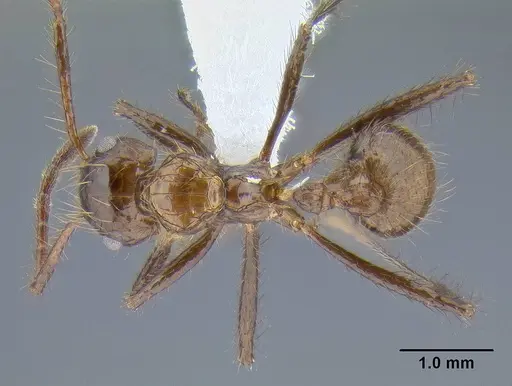
CASENT0179015
View on AntWeb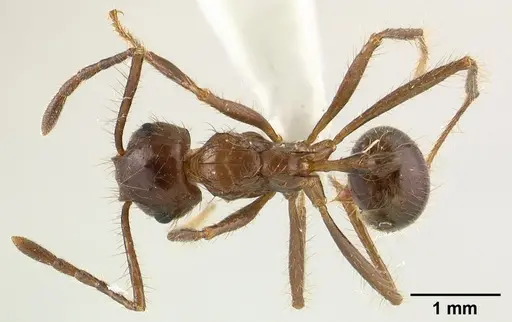
CASENT0217893
View on AntWeb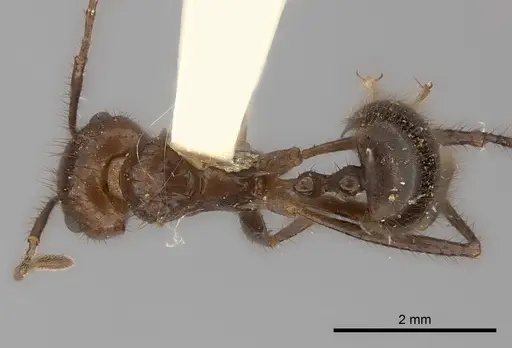
CASENT0884304
View on AntWeb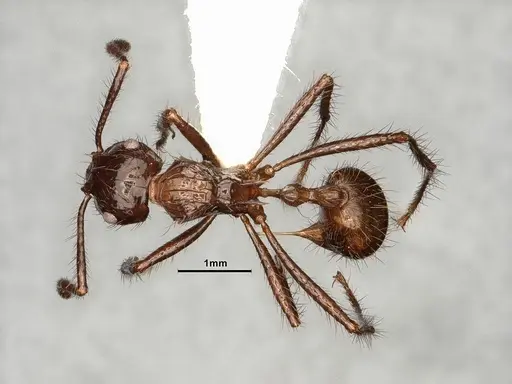
CASENT0901427
View on AntWeb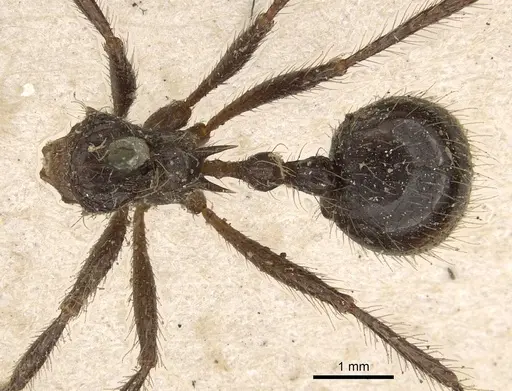
CASENT0901429
View on AntWeb
CASENT0923005
View on AntWeb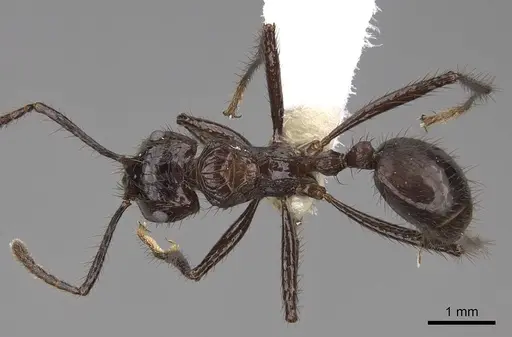
Literature
Loading distribution map...Loading products...