
Myrmicaria buenaventei
- Sci. Name
- Myrmicaria buenaventei
- Tribe
- Solenopsidini
- Subfamily
- Myrmicinae
- Author
- Zettel <i>et al.</i>, 2018
- Distribution
- Found in 1 countries
Introduction
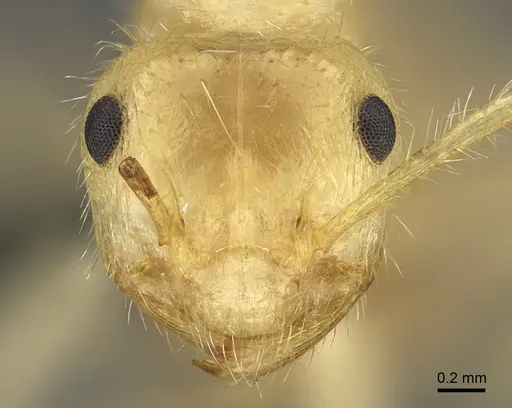
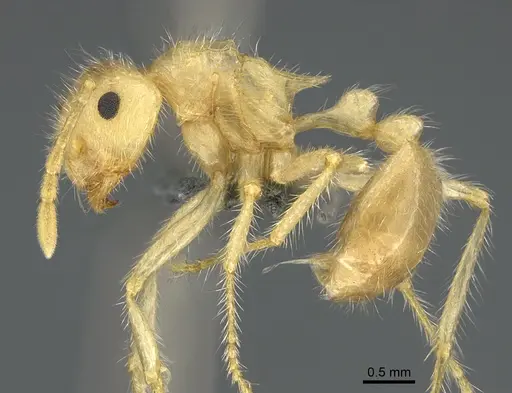
Myrmicaria buenaventei is a medium-sized ant species described in 2018 from the Philippines. Workers measure 5-7mm in total length and have a distinctive pale yellow to light brown coloration, with darker tones on the mandibles, antenna tips, and gaster. The species is immediately recognizable by the curved rugae on the pronotum, prominent anteroventral teeth, and long propodeal spines that curve slightly upward. This ant is known only from Mt. Palali in Nueva Vizcaya Province on Luzon Island, where it occupies high-altitude habitats between 890-1,436 meters in mossy forest zones . The combination of cold, wet forest conditions at these elevations makes this a unique species for antkeepers interested in Philippine biodiversity.
Quick Summary
- Difficulty: Hard
- Origin & Habitat: Endemic to Mt. Palali in Nueva Vizcaya Province, Luzon Island, Philippines. Found at high altitudes (890-1,436m) in mossy forest zone with cold and wet conditions [1][2].
- Colony Type: Colony structure is unconfirmed. No published data on queen number or colony size in the wild.
- Size & Growth:
- Antkeeping:
- Temperature: Cooler conditions than most tropical ants. Based on high-altitude mossy forest habitat, aim for 18-22°C with stable temperatures. Avoid overheating.
- Humidity: High humidity required. Mossy forest conditions suggest 70-85% humidity with consistently moist substrate.
- Diapause: Unknown, no published data on seasonal behavior. High-altitude tropical location may not require true hibernation, but cooler seasonal temperatures may cause reduced activity.
- Nesting: Likely nests in soil or rotting wood in damp, shaded locations. A naturalistic setup with moist substrate or a Y-tong/plaster nest with good humidity retention would be appropriate.
- Behavior: Behavior is unstudied in captivity. Based on genus typical patterns, they are likely ground-nesting ants with moderate activity levels. Escape prevention should be moderate, workers are a manageable 5-7mm size, not tiny enough to require fine mesh, but standard barriers are recommended. This species has a sting as the primary defense mechanism, inheriting this from the Solenopsidini tribe.
- Common Issues: high-altitude habitat means they may not tolerate warm conditions, keep cool, specific humidity needs are unknown, start with high humidity and adjust based on colony health, no captive husbandry data exists, this is a species for experienced keepers willing to experiment, very limited distribution in the wild, ensure any colony was legally obtained
Discovery and Taxonomy
Myrmicaria buenaventei was formally described in 2018 by Herbert Zettel, Alice Laciny, and colleagues. The species was dedicated to Perry A.C. Buenavente of the National Museum of Natural History in Manila, who discovered this remarkable species during field work on Mt. Palali. The type specimens were collected between January 9-16,2010,at elevations ranging from 890 to 1,436 meters above sea level. This makes M. buenaventei one of the more recently described Philippine ant species, highlighting how little we still know about the ant fauna of these islands [1].
Identification and Morphology
This species can be identified by several distinctive features. The pronotum (the first segment of the mesosoma) has characteristic curved (arcuate) rugae on its dorsal surface. The anteroventral teeth of the pronotum are prominent, though they may be shorter in the smallest workers. The propodeal spines are notably long, directed backward and slightly upward, continuing the dorsal outline of the propodeum before curving up. The petiole has a long peduncle (the stalk connecting the node to the body), and the base of the first gaster segment is smooth, lacking the striation seen in some related species. Workers are pale yellow overall, with light brown on the mandibles, antenna tips, and gaster segments. All body setae are white [1].
Distribution and Habitat
Myrmicaria buenaventei is known only from Mt. Palali in Nueva Vizcaya Province on Luzon Island, Philippines. This restricted distribution makes it a particularly interesting species for antkeepers interested in Philippine biodiversity. The altitudinal range of 890-1,436 meters places it in the mossy forest zone, characterized by cold temperatures, high humidity, and abundant moss growth. This is a relatively cool and wet environment compared to typical lowland tropical conditions. The species has been collected in January, which is the dry season in the Philippines, but the mossy forest habitat would maintain moisture year-round [1].
Keeping Myrmicaria buenaventei
This is a species for advanced antkeepers. Since no captive husbandry information exists, you will need to experiment carefully. Based on the natural habitat, provide cooler temperatures than most tropical ants, aim for 18-22°C and avoid temperatures above 25°C. High humidity is essential, likely 70-85%. Use a naturalistic setup with consistently moist substrate, or a Y-tong/plaster nest that retains moisture well. Feed a varied diet including protein sources (small insects, mealworms) and sugar water or honey. Start with standard colony setup protocols and adjust based on colony behavior and health. This species is best suited for keepers who enjoy the challenge of establishing care protocols for newly described species.
Similar Philippine Myrmicaria
The Philippines hosts several Myrmicaria species, many of which are also endemic to specific islands or mountain ranges. The genus Myrmicaria belongs to the tribe Solenopsidini and is characterized by their medium size, often with distinctive spines and sculpturing. M. buenaventei is distinguished from other Philippine species by its combination of arcuate pronotal rugae, prominent anteroventral teeth, and the smooth base of the gaster. Other Myrmicaria in the Philippines include Myrmicaria nigra and Myrmicaria ruginota, but these have different distributions and morphological features. For accurate identification, compare your specimens to the original description by Zettel et al. (2018) [1].
Frequently Asked Questions
How do I care for Myrmicaria buenaventei ants?
Care is experimental since no captive husbandry data exists. Provide cool temperatures (18-22°C), high humidity (70-85%), and moist substrate. Feed protein and sugar sources. This species is best for experienced keepers willing to develop their own protocols.
What do Myrmicaria buenaventei eat?
Diet is unconfirmed for this species. Based on typical Myrmicaria feeding habits, offer small insects (mealworms, fruit flies) as protein and sugar water or honey as an energy source. Adjust based on what the colony accepts.
What temperature do Myrmicaria buenaventei ants need?
Keep them cooler than most tropical ants, aim for 18-22°C. Their high-altitude mossy forest habitat means they prefer cooler conditions. Avoid temperatures above 25°C.
How big do Myrmicaria buenaventei colonies get?
Unknown, no wild colony data has been published. Workers measure 5-7mm, but colony size estimates are not available.
Where is Myrmicaria buenaventei found?
This species is only known from Mt. Palali in Nueva Vizcaya Province on Luzon Island, Philippines, at elevations of 890-1,436 meters in mossy forest habitat.
Is Myrmicaria buenaventei a good beginner species?
No, this is not a beginner species. No captive husbandry information exists, making it a challenging species that requires experienced keepers willing to experiment with care protocols.
What humidity do Myrmicaria buenaventei ants need?
High humidity is required, aim for 70-85%. Their mossy forest habitat is consistently moist. Use a naturalistic setup with moist substrate or a nest that retains humidity well.
How long does it take for Myrmicaria buenaventei to develop from egg to worker?
Unconfirmed, no development data exists for this species.
Can I keep multiple Myrmicaria buenaventei queens together?
Unknown, colony structure has not been documented for this species. No information exists on whether they are single-queen or multi-queen colonies.
Report an Issue
The current care sheet is based fully on literature. See inconsistencies, or something that's incorrect? Please , it will be resolved after review from an admin. Contributing to the blogs tab also helps providing information, to make us be able to further improve the caresheets. Thank you for your support!
References

This caresheet is licensed under CC BY-SA 4.0 .
Community Blogs
CASENT0923699
View on AntWeb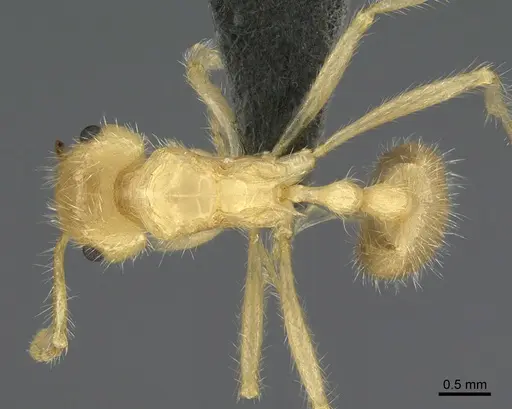
Literature
Loading distribution map...Loading products...