
Myrmica vittata
- Sci. Name
- Myrmica vittata
- Tribe
- Myrmicini
- Subfamily
- Myrmicinae
- Author
- Radchenko & Elmes, 1999
- Distribution
- Found in 0 countries
Introduction
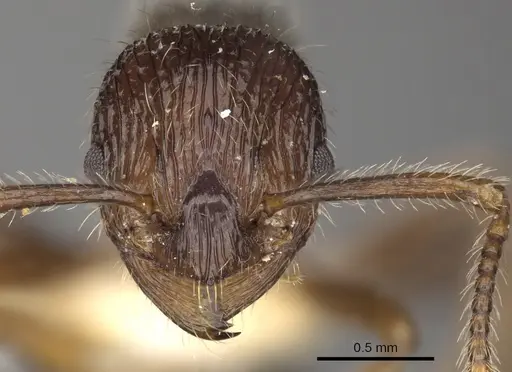
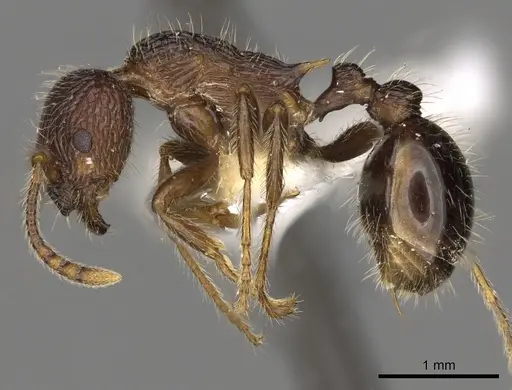
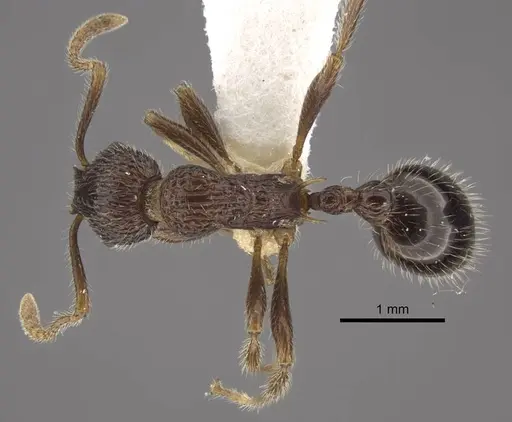
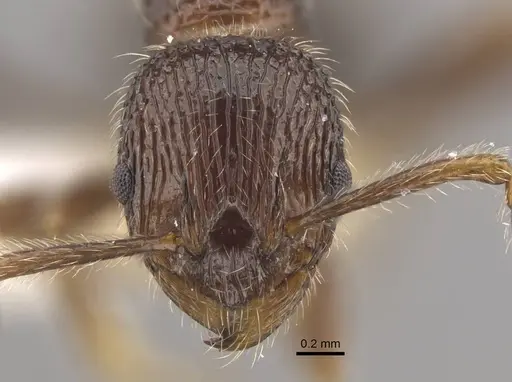
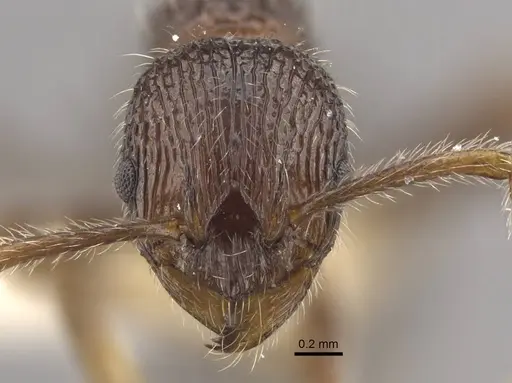
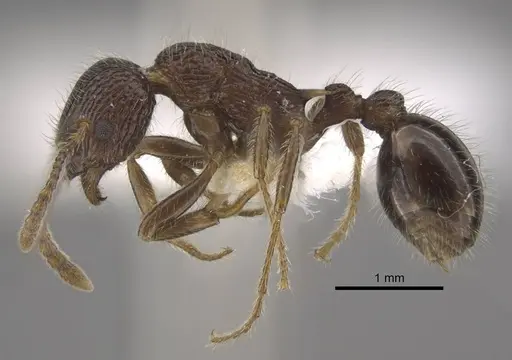
Myrmica vittata is a small, reddish-brown ant known only from the worker caste . It was described in 1999 by Radchenko and Elmes from specimens collected in the western Himalayas of Pakistan . The species name 'vittata' comes from the Latin for 'banded, ' referring to the distinctive band of straight longitudinal grooves (rugae) on the head and middle body (alitrunk) . This unique sculpturing sets it apart from other Eurasian Myrmica species . The biology of this ant is completely unknown, no data exists on its colony structure, behavior, diet, or development . It is endemic to high-altitude sites (around 2200 m) in Pakistan .
Quick Summary
- Difficulty: Expert
- Origin & Habitat: Endemic to the western Himalayas in Pakistan, found at Bumburet and Kalam at approximately 2200 meters elevation [3][4]. The cool, mountainous habitat suggests moderate humidity and relatively low temperatures.
- Colony Type: Unknown. No published data on colony structure [2].
- Size & Growth:
- Queen: Unknown – queen not described [1]
- Worker: Unknown – only worker caste described [1]
- Colony: Unknown – no colony size data exists [2]
- Growth: Unknown
- Development: Unknown – no data exists. Based on typical Myrmica patterns, estimate 6–10 weeks at optimal temperature (All development information is inferred from the genus, not confirmed for this species.)
- Antkeeping:
- Temperature: Cool conditions recommended. Based on a 2200 m Himalayan origin, aim for 15–22°C with a slight gradient. Avoid overheating.
- Humidity: Moderate to high. Provide a moist nest substrate but ensure good ventilation to prevent mold.
- Diapause: Likely required. High-altitude Himalayan species typically need a winter resting period. Provide 2–3 months at 5–10°C.
- Nesting: Not documented. Myrmica typically nest in soil or under stones. A test tube setup or Y-tong nest with moist substrate may work.
- Behavior: Not documented. Myrmica ants can sting and are generally active. Expect defensive response when disturbed. Escape prevention is important due to small size.
- Common Issues: completely unknown biology means experimental care – expect a learning curve, no confirmed diet preferences – you may need to test different foods, high-altitude origin means overheating is a serious risk, escape prevention is critical given their unknown size, lack of available care information makes troubleshooting difficult
Discovery and Identification
Myrmica vittata was first described by Radchenko and Elmes in 1999 from specimens collected in Pakistan [1]. The species name comes from the Latin 'vitta' meaning band or ribbon, referring to the distinctive band of straight longitudinal rugae on the head and alitrunk [1]. This feature is unique among Eurasian Myrmica species, which typically have weak curves at the base of their antennae and different surface sculpturing [1]. The species is known only from the worker caste – queens and males have never been collected or described [1]. Type localities are Bumburet (collected 1983) and Kalam (collected 1994) in the western Himalayas [4].
Distribution and Habitat
This species is endemic to the western Himalayas in Pakistan, meaning it is found nowhere else [4]. It has been recorded at approximately 2200 meters above sea level in a cool, mountainous environment [3]. The specific microhabitat preferences are unknown, but the altitude and region suggest a cool, seasonally moist climate.
Current State of Knowledge
Nothing is known about the biology of Myrmica vittata [2]. No studies have documented its colony structure, founding behavior, diet, development, or any aspect of its natural history. The species is known only from a handful of worker specimens in museum collections. This means you will be pioneering its care in captivity. Every aspect from temperature to feeding will require careful observation and experimentation. Keep detailed notes on your colony's behavior to help expand knowledge of this mysterious species [2].
Care Recommendations (Experimental)
Based on the species' high-altitude Himalayan origin, here are experimental care recommendations. For temperature, keep the nest in the 15–22°C range – cooler is safer than warmer. A test tube setup works well for founding colonies. Provide a water tube for humidity but ensure good ventilation. For feeding, start with typical Myrmica foods: small insects like fruit flies or pinhead crickets, and sugar water or honey. Observe what your colony accepts and adjust. During winter (roughly November to February in the Northern Hemisphere), provide a cool period around 5–10°C to simulate natural seasonal conditions. This species is best suited for experienced antkeepers who can maintain cool temperatures year-round and who enjoy the challenge of working with poorly documented species.
Comparisons with Other Myrmica
Myrmica is a large genus with over 200 species distributed across the Northern Hemisphere. Many Myrmica species are well-studied and commonly kept in captivity (e.g., Myrmica rubra, Myrmica ruginodis). However, no specific data exists for M. vittata. If you are new to keeping Myrmica, starting with a better-documented species first will give you valuable experience. The genus is known for having relatively painful stings for their size, but M. vittata's sting is undocumented.
Frequently Asked Questions
How do I keep Myrmica vittata?
Experimental care is required since nothing is documented about this species. Based on its Himalayan origin, keep it cool (15–22°C), provide moderate humidity, and give a winter rest period. Start with a test tube setup and standard Myrmica foods. This species is best for experienced antkeepers.
What do Myrmica vittata ants eat?
Not documented. Based on typical Myrmica diet, offer small live insects (fruit flies, pinhead crickets) and sugar sources (honey water, sugar water). Observe what your colony accepts and adjust accordingly.
What temperature do Myrmica vittata need?
Cool conditions around 15–22°C. This species comes from 2200 m altitude in the Himalayas, so it prefers cooler temperatures than most ant species. Avoid overheating.
Do Myrmica vittata need hibernation?
Likely yes, based on high-altitude origin. Provide 2–3 months at 5–10°C during winter. This simulates the natural seasonal conditions of their mountain habitat.
How fast do Myrmica vittata colonies grow?
Unknown – no development data exists for this species. Expect slow growth, likely 6–10 weeks from egg to first worker based on related Myrmica.
Are Myrmica vittata good for beginners?
No. This species has no documented biology – you will be experimenting with every aspect of care. Only keep this species if you have extensive experience with Myrmica and enjoy pioneering care for poorly documented species.
How big do Myrmica vittata colonies get?
Unknown – no colony size data exists. Most Myrmica colonies reach several hundred to a few thousand workers. Expect moderate colony growth over time.
Do Myrmica vittata sting?
Not documented specifically, but Myrmica ants have functional stingers. Expect defensive behavior if the nest is disturbed. Pain level likely mild to moderate.
Can I keep multiple Myrmica vittata queens together?
Unknown. Myrmica genus typically has single-queen colonies, but this has not been confirmed for M. vittata. Do not attempt combining unrelated queens without documented evidence they can coexist.
Where is Myrmica vittata found?
Only in Pakistan, specifically the western Himalayas at Bumburet and Kalam at approximately 2200 meters elevation. It is endemic to this region – found nowhere else [3][4].
When do Myrmica vittata nuptial flights occur?
Unknown – no nuptial flight data exists for this species. Based on altitude and related species, flights likely occur during the warmer summer months.
Why is Myrmica vittata so hard to find?
It is endemic to a small region in Pakistan and lives at high altitude. Only a handful of workers have ever been collected. It is not a common species in the ant-keeping hobby [3][4].
Report an Issue
The current care sheet is based fully on literature. See inconsistencies, or something that's incorrect? Please , it will be resolved after review from an admin. Contributing to the blogs tab also helps providing information, to make us be able to further improve the caresheets. Thank you for your support!
References

This caresheet is licensed under CC BY-SA 4.0 .
Community Blogs
CASENT0900334
View on AntWeb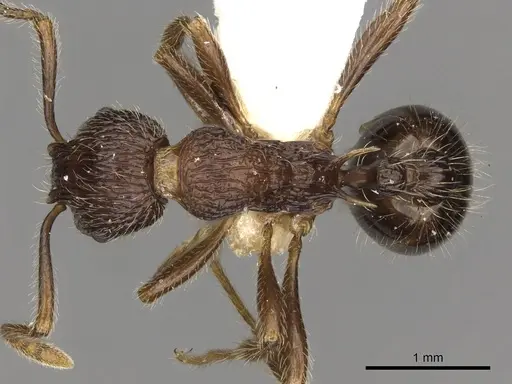
CASENT0917702
View on AntWeb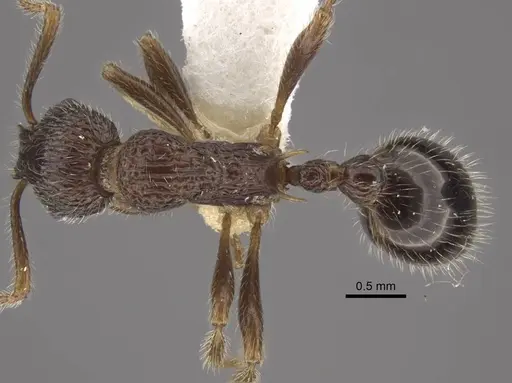
Literature
Loading distribution map...Loading products...