
Myrmica vandeli
- Sci. Name
- Myrmica vandeli
- Tribe
- Myrmicini
- Subfamily
- Myrmicinae
- Author
- Bondroit, 1920
- Distribution
- Found in 9 countries
Introduction
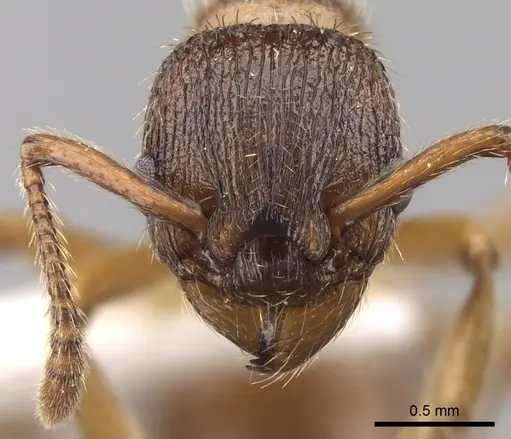
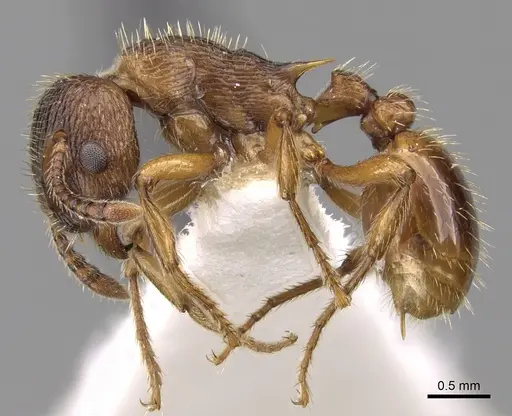
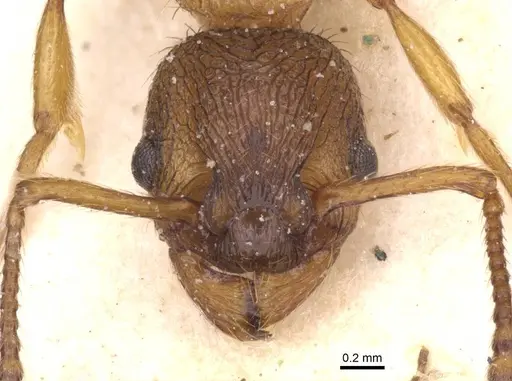
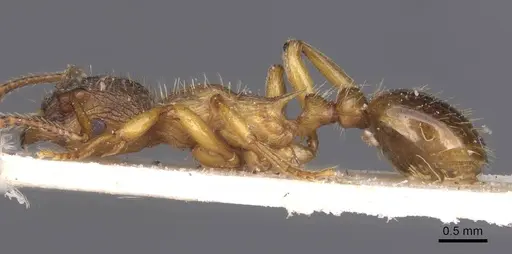
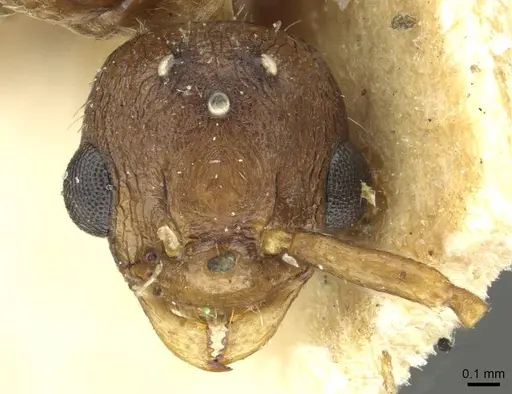
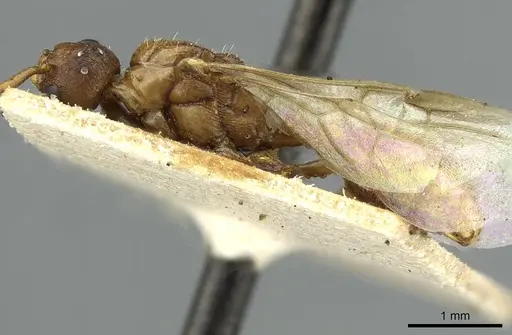
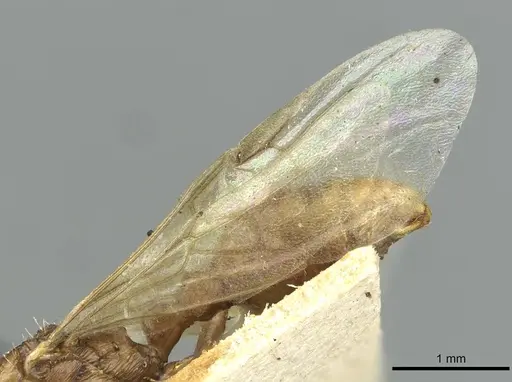
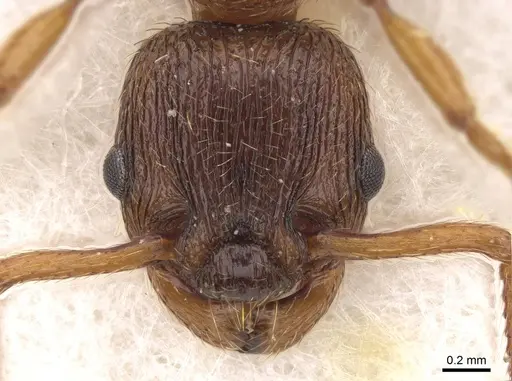
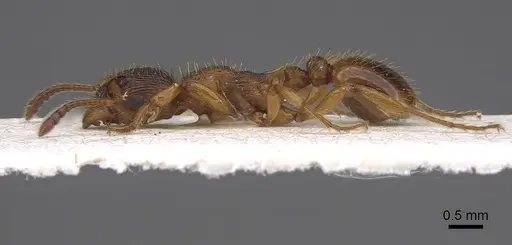
Myrmica vandeli is a small ant species in the sabuleti complex, closely related to Myrmica scabrinodis. Workers are 4.4-4.68 mm long and queens about 6 mm, with yellowish to reddish-yellow bodies and brown-yellow heads and gasters . They have more abundant standing hairs on the body compared to M. scabrinodis, often over 20 on the petiole . This species inhabits wet meadows, marshes, and bogs across Europe, nesting in moss pads, grass tussocks, or under stones . What stands out about M. vandeli is its flexible colony founding. In optimal habitats, queens can establish nests independently, but in marginal areas, they may temporarily parasitize M. scabrinodis colonies . Mixed colonies with M. scabrinodis workers occur, especially at range edges, and only M. vandeli produces winged sexuals in these nests . It also serves as a host for endangered butterflies like Maculinea alcon, adding ecological importance .
Quick Summary
- Difficulty: Medium
- Origin & Habitat: Native to the Palaearctic region, including Austria, Bulgaria, Czechia, France, Germany, Hungary, Poland, Romania, Slovakia, Slovenia, Spain, Switzerland, Ukraine, and the United Kingdom. Inhabits moist, warm sites like wet meadows and bogs, nesting in moss or grass tussocks [2][5].
- Colony Type: Facultatively polygynous, colonies can have one or multiple queens. Polygynous colonies may reach up to 1500 workers [6]. Queens can found colonies independently or use temporary social parasitism on M. scabrinodis, especially in less suitable habitats [2].
- Size & Growth:
- Queen: ~6 mm [1]
- Worker: ~4.4-4.68 mm [1]
- Colony: Up to 1500 workers in polygynous colonies [6]
- Growth: Moderate
- Development: 6-10 weeks (inferred from typical Myrmica development patterns) (Development time is estimated based on genus-level data, specific data for M. vandeli is not available in the literature.)
- Antkeeping:
- Temperature: Keep at 20-24°C. This species prefers warm but humid conditions, similar to its natural marshland habitat [2].
- Humidity: Keep nest substrate consistently moist but not waterlogged, as they live in wet environments. Provide a water tube in the outworld [2][5].
- Diapause: Yes, as a temperate species, it likely requires winter diapause. Keep at 5-10°C for 3-4 months during winter, inferred from genus patterns [2].
- Nesting: Use Y-tong (AAC) or plaster nests that retain moisture. Narrow chambers scaled to their size work well, avoid dry nests [2].
- Behavior: Workers are moderately active foragers and will defend the nest but are not highly aggressive. Due to their small size, escape risk is moderate, use standard escape prevention. They build solariums (accumulations of chewed plant material) for warming brood and can form mixed colonies with M. scabrinodis if both species are present [2][7].
- Common Issues: high humidity requirements can lead to mold if ventilation is poor, ensure airflow while maintaining moisture, founding can be tricky due to facultative parasitic nature, queens may need host workers in some conditions, species is endangered in many areas, check local laws before acquiring wild colonies, mixed colony formation with M. scabrinodis may cause unexpected dynamics, colony growth is moderate, requiring patience
Housing and Nest Setup
You need to provide moist housing that mimics their natural bog habitat. Use Y-tong or plaster nests to hold humidity well. Fill water reservoirs regularly and add damp moss or grass to the nest to encourage natural behavior. Keep the nest in a warm spot around 20-24°C, out of direct sunlight. Ventilation is important to prevent mold, but avoid dry airflow [2][7].
Feeding and Diet
Feed your colony small insects like fruit flies, crickets, or mealworms for protein, and provide sugar water or honey for carbohydrates. Remove uneaten prey after 24 hours. In the wild, they forage for arthropods and tend aphids for honeydew [5].
Temperature and Seasonal Care
Keep colonies at 20-24°C during active seasons. In winter, provide diapause at 5-10°C for 3-4 months, mimicking natural cycles. Gradually warm the colony after hibernation. This species is sensitive to temperature extremes and dry conditions [2][8].
Colony Dynamics and Mixed Colonies
M. vandeli can form mixed colonies with M. scabrinodis, especially at range edges. In these nests, only M. vandeli produces winged sexuals, suggesting chemical mimicry. If keeping both species, monitor for colony integration [3][2][9].
Ecological Importance
This species hosts endangered butterflies like Maculinea alcon, with caterpillars developing better in M. vandeli colonies than in M. scabrinodis [4][10][11].
Conservation and Legal Considerations
M. vandeli is critically endangered in areas like Vorarlberg, Austria, and protected in many countries. Check local laws before acquiring colonies, and never release them outside their native range [12][13][14].
Frequently Asked Questions
How long does it take for Myrmica vandeli to produce first workers?
Based on typical Myrmica development, expect 6-10 weeks from egg to worker at 22°C. This is inferred from genus patterns, as specific data is unavailable [1].
Can I keep multiple Myrmica vandeli queens together?
Yes, this species is facultatively polygynous and can form multi-queen colonies. However, introduce queens carefully to avoid aggression [6].
Do Myrmica vandeli ants sting?
Yes, but workers are small (4.4-4.68 mm) and rarely penetrate human skin, causing only mild irritation [1].
What makes Myrmica vandeli different from Myrmica scabrinodis?
M. vandeli has more abundant body hairs (over 10-20 on petiole vs. 8 in M. scabrinodis) and reduced tibial spurs, traits linked to parasitism [2].
Do Myrmica vandeli need hibernation?
Yes, as a temperate species, they likely require winter diapause at 5-10°C for 3-4 months, inferred from genus patterns [2].
Are Myrmica vandeli good for beginners?
This species is medium difficulty due to humidity needs and endangered status, so it's better for experienced keepers.
Why are my Myrmica vandeli dying?
Common causes include dry conditions, poor ventilation, or overheating. Check humidity first, as they need moist substrate [2].
What do Myrmica vandeli eat?
They eat small insects for protein and sugar water or honey for carbohydrates. Remove uneaten prey after 24 hours [5].
How big do Myrmica vandeli colonies get?
Polygynous colonies can reach up to 1500 workers. Single-queen colonies are smaller, and growth is moderate [6].
When do Myrmica vandeli have nuptial flights?
Winged individuals are found in nests from July to September, with males swarming in late summer [2].
Can Myrmica vandeli live with Myrmica scabrinodis?
Yes, they can form mixed colonies in wild and captive settings, with M. vandeli potentially using chemical mimicry [3][2].
Report an Issue
The current care sheet is based fully on literature. See inconsistencies, or something that's incorrect? Please , it will be resolved after review from an admin. Contributing to the blogs tab also helps providing information, to make us be able to further improve the caresheets. Thank you for your support!
References

This caresheet is licensed under CC BY-SA 4.0 .
Community Blogs
CASENT0280821
View on AntWeb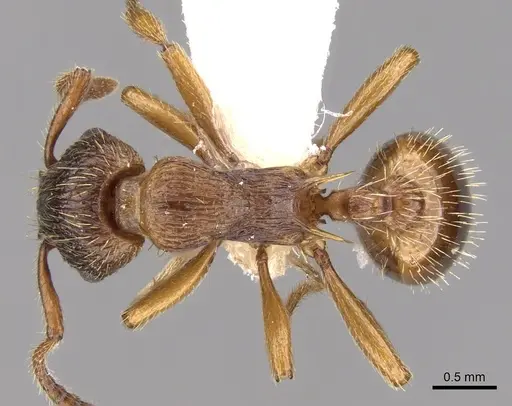
CASENT0913084
View on AntWeb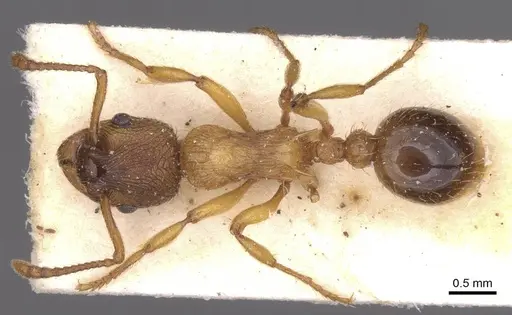
CASENT0913655
View on AntWeb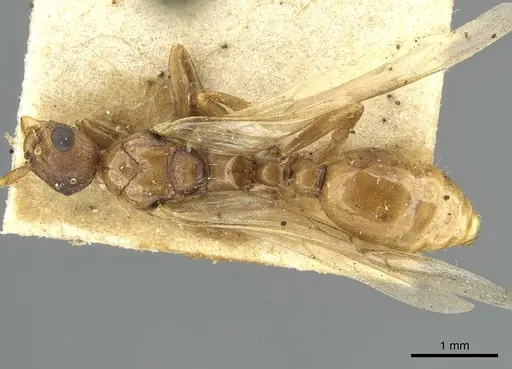
CASENT0922799
View on AntWeb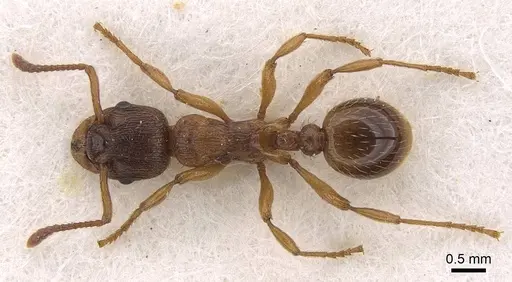
Literature
Loading distribution map...Loading products...