
Myrmica tahoensis
- Sci. Name
- Myrmica tahoensis
- Tribe
- Myrmicini
- Subfamily
- Myrmicinae
- Author
- Weber, 1948
- Distribution
- Found in 2 countries
Introduction
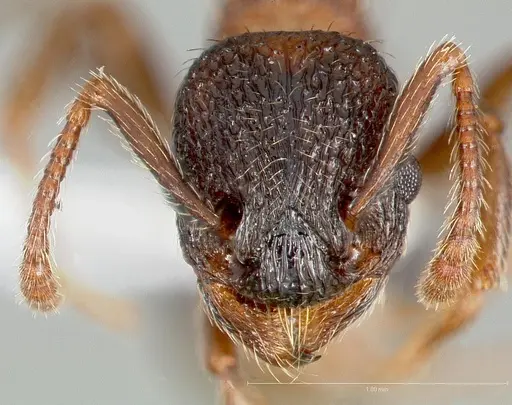
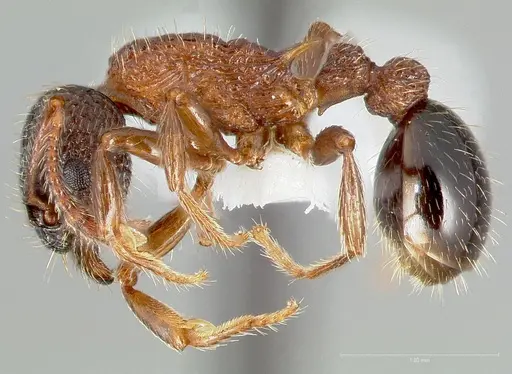
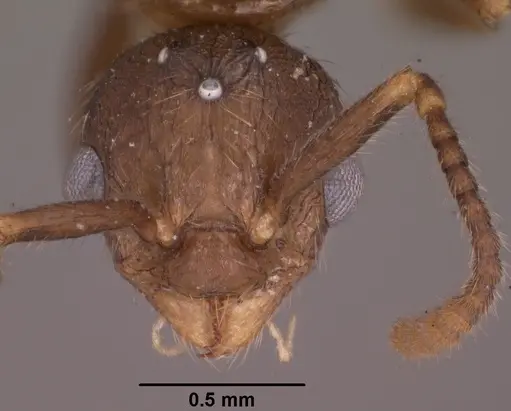
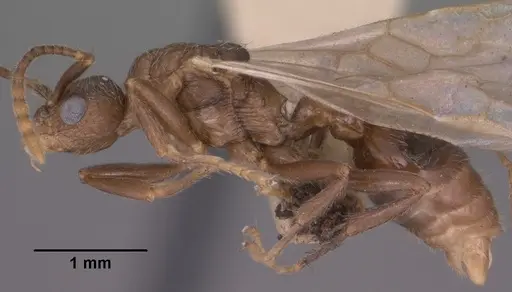
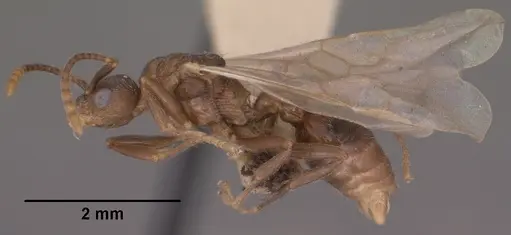
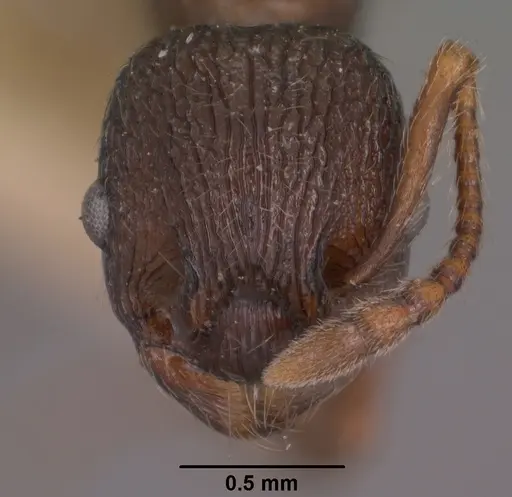
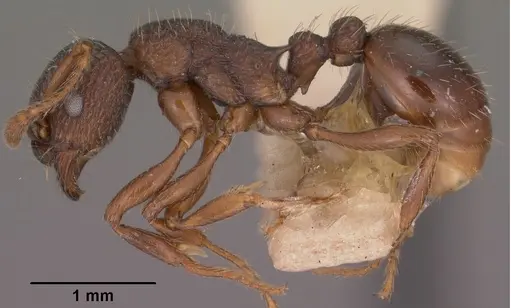
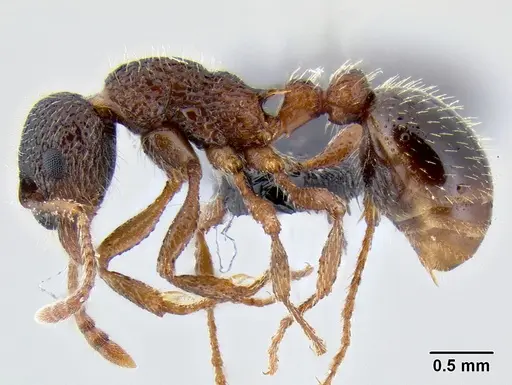
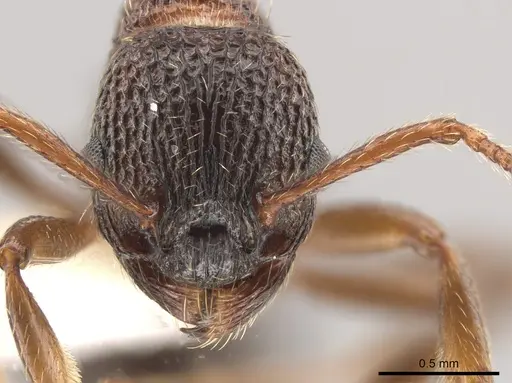
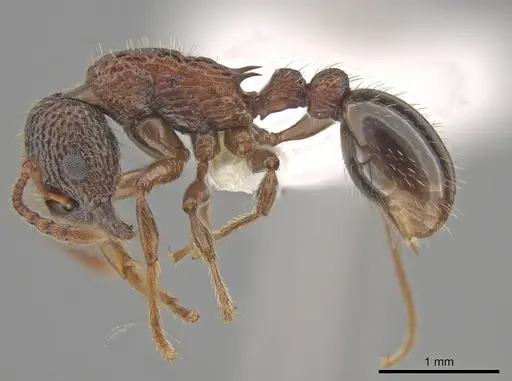
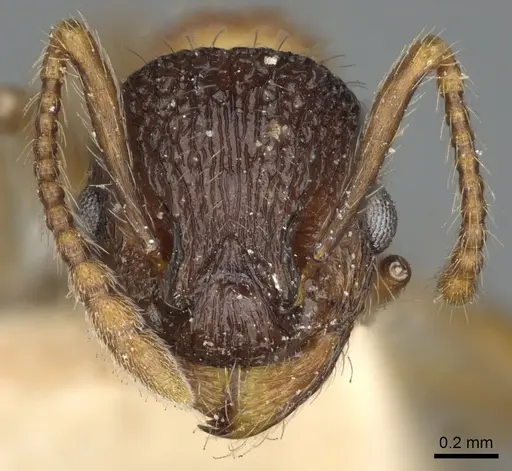
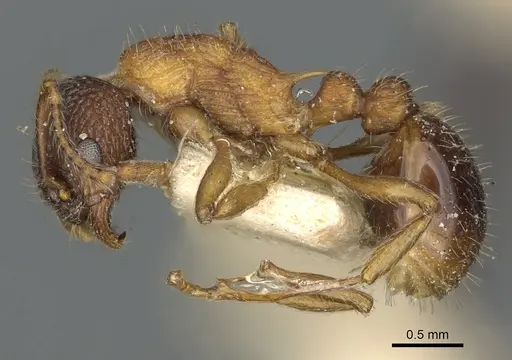
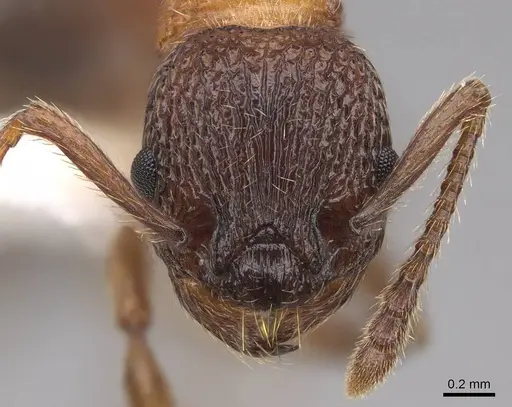
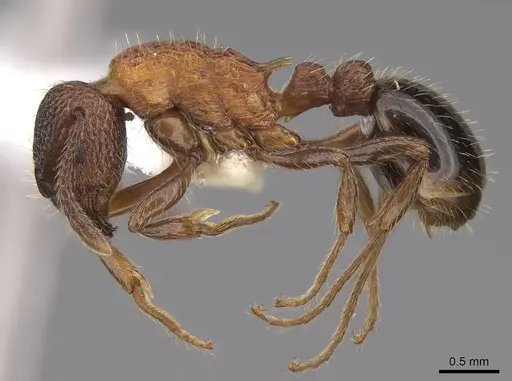
Myrmica tahoensis is a small reddish-brown ant native to the western United States and northern Mexico. Workers have the characteristic two-segmented waist (petiole and postpetiole) typical of Myrmica ants, with a rounded petiole node and relatively long angled mandibles. Queens are larger and darker than workers. This species belongs to the Nearctica group within the Myrmicini tribe and is closely related to other North American Myrmica species . What makes M. tahoensis particularly interesting is its flexible social structure - colonies can function with either a single queen or multiple queens. Research shows these ants adjust their sex allocation based on how many queens are in the colony, and workers actively police each other to prevent excessive male production . This makes them a fascinating species for observing complex ant social behaviors.
Quick Summary
- Difficulty: Medium
- Origin & Habitat: Native to the western Nearctic region, found across the California Floristic Province including California, Arizona, Nevada, Idaho, and northern Mexico (Baja California). They inhabit temperate coniferous forests and montane meadows at higher elevations [1][5][6][7].
- Colony Type: Facultatively polygynous, colonies can have either a single queen (monogyne) or multiple queens (polygyne). Studies show effective queen numbers ranging from 1 to around 1.7 in natural colonies [4][3].
- Size & Growth:
- Queen: size data unavailable, inferred from Myrmica genus (~5-8mm)
- Worker: size data unavailable, inferred from Myrmica genus (~4-6mm)
- Colony: up to several thousand workers
- Growth: Moderate
- Development: 6-10 weeks (estimated based on temperate Myrmica patterns) (Development time varies with temperature, cooler conditions slow development)
- Antkeeping:
- Temperature: Keep at room temperature (18-24°C) with a slight gradient. Being a montane species from temperate habitats, they prefer cooler conditions, aim for around 20-22°C as a baseline [7].
- Humidity: Moderate to high. These forest-floor ants need substrate that holds moisture but isn't waterlogged. Keep the nest area damp but provide some drier areas for workers to regulate their own humidity [1].
- Diapause: Yes, as a temperate species from higher elevations, they require a winter rest period. Reduce temperature to around 5-10°C for 3-4 months during winter (roughly October-March depending on your location) to simulate natural seasonal cycles [1].
- Nesting: Ground-nesting species that naturally nests in soil under stones or in rotting wood. In captivity, they do well in test tubes for founding colonies, then can be moved to Y-tong nests, plaster nests, or naturalistic setups with soil substrate. They prefer tight, humid chambers over open spaces.
- Behavior: These ants are moderately aggressive and will defend their nest vigorously. Workers are active foragers that search for food both on the ground and in low vegetation. They are generalist predators and scavengers, typical of the Myrmicini tribe [8]. They have a functional stinger but rarely use it on humans due to their small size. Escape risk is moderate, ensure their enclosure has secure barriers as workers can squeeze through small gaps when motivated.
- Common Issues: colonies often fail during hibernation if kept too wet or if temperatures fluctuate wildly during winter rest, wild-caught colonies may carry parasites that can decimate the colony in captivity, multi-queen colonies can experience tension between queens, monitor for aggression during founding, overheating is a risk, being a montane species, they do poorly in warm rooms above 26°C, small colony sizes in the first year mean founders should not expect rapid growth
Nest Preferences and Housing
In the wild, Myrmica tahoensis nests in soil beneath stones or in rotting wood in forest environments. They prefer cool, humid underground chambers and are commonly found at higher elevations in montane meadows and coniferous forests [1]. For captive care, start founding queens in a simple test tube setup, half the tube filled with water, stoppered with cotton, giving the queen a dark humid chamber to seal herself into. Once the first workers (nanitics) emerge and the colony reaches 20-30 workers, you can move them to a more elaborate setup. Y-tong nests work well because they allow you to control humidity precisely. Plaster nests or naturalistic setups with a soil layer also suit them. Avoid overheating, position nests away from direct sunlight and heating elements.
Feeding and Diet
Myrmica tahoensis is a generalist predator and scavenger, like most Myrmica species [8]. They readily accept protein sources like small insects (fruit flies, small crickets, mealworms) and will also collect honeydew from aphids and sugar water. Feed them a varied diet: protein-rich foods 2-3 times per week, and keep a constant supply of sugar water or honey. In nature, they forage for small invertebrates and tend aphids for their honeydew. Workers will recruit nestmates to larger food finds using chemical trails. Remove uneaten prey after 24-48 hours to prevent mold.
Temperature and Seasonal Care
As a montane species from temperate western North America, Myrmica tahoensis prefers cooler conditions than many common ant pets. Keep them at room temperature, ideally 18-24°C with a gradient so workers can choose their comfort zone. They do poorly in warm conditions above 26°C. During winter, they require a diapause (hibernation) period, this is essential for their health and reproductive cycle. From roughly October/November through February/March, reduce temperature to 5-10°C by moving them to a cool basement, garage, or refrigerator. Keep them slightly moist during hibernation but not wet. Do not feed during hibernation. This winter rest triggers hormonal changes necessary for reproduction in spring. [7][1]
Colony Structure and Queen Dynamics
One of the most fascinating aspects of Myrmica tahoensis is their flexible social structure. Colonies can have either a single queen or multiple queens working together, this is called facultative polygyny [4]. Research shows that colonies adjust their behavior based on queen number. In multi-queen colonies, workers police each other more aggressively to prevent worker-laid males from developing, and colonies bias their sex allocation (more females when one queen, more males when multiple queens) [3]. Worker reproduction appears common throughout the Myrmica genus regardless of queen number [9]. If you're keeping multiple queens together, ensure plenty of space and monitor for aggression during the founding phase. Single-queen colonies are more common in the wild, but both structures are viable.
Behavior and Defense
Workers of Myrmica tahoensis are active foragers with moderate aggression, they will readily defend their nest against intruders. They have a functional stinger but due to their small size, it's rarely effective against human skin. The main defense is their numbers and mandibles. Workers forage individually and in small groups, searching for prey and sugary substances. They use chemical pheromone trails to recruit nestmates to large food sources. This species shows typical Myrmica behavior: they're not timid but also not excessively aggressive. They adapt well to captivity and become more active and visible when their nest is in a well-lit area with good visibility. [8]
Growth and Development
Colony growth is moderate, faster than some slow-growing genera but not as rapid as tropical species. After the claustral founding phase (when the queen seals herself in and raises the first brood alone), expect 6-10 weeks until the first nanitic workers emerge. These first workers are typically smaller than normal workers. The colony will grow through the worker population as more broods develop. Myrmica colonies can eventually reach several thousand workers, but this takes several years. Growth rate depends heavily on temperature, warmer (within range) speeds development, while cooler temperatures slow it down. Feed founding colonies small amounts of protein regularly once the first workers emerge.
Frequently Asked Questions
How long does it take for Myrmica tahoensis to raise their first workers?
Expect 6-10 weeks from egg to first worker at room temperature (around 20-22°C). This is typical for temperate Myrmica species. The queen seals herself in during founding and raises the first brood alone on her stored fat reserves.
Can I keep multiple Myrmica tahoensis queens together?
Yes, this species is facultatively polygynous, meaning colonies can have either a single queen or multiple queens. However, combining unrelated foundress queens can be risky, provide plenty of space and monitor for aggression. If queens fight, separate them immediately.
Do Myrmica tahoensis ants need hibernation?
Yes, as a temperate montane species from the western United States, they require a winter diapause. Reduce temperature to 5-10°C for 3-4 months during winter (roughly October through March). Keep them slightly moist during this period and do not feed them.
What temperature is best for Myrmica tahoensis?
Keep them at room temperature, ideally 18-24°C. They prefer cooler conditions than tropical ants and do poorly above 26°C. A slight temperature gradient in the setup allows workers to regulate their own temperature.
What do Myrmica tahoensis eat?
They are generalist feeders, offer small insects (fruit flies, small crickets, mealworms) as protein 2-3 times per week, and keep a constant supply of sugar water or honey. They will also collect honeydew from aphids if available.
Are Myrmica tahoensis good for beginners?
They are intermediate in difficulty. They're harder than simple species like Lasius but easier than some exotic ants. The main challenges are providing proper hibernation and keeping them cool enough. If you're prepared to manage winter diapause, they make rewarding pets.
How big do Myrmica tahoensis colonies get?
Mature colonies can reach several thousand workers over several years. Growth is moderate, don't expect rapid expansion. A well-established colony after 2-3 years might have several hundred workers.
Do Myrmica tahoensis ants sting?
They have a functional stinger but due to their small size, it's rarely felt by humans. Their main defense is biting and swarming in numbers. They're not considered dangerous to keep.
When should I move my colony from a test tube to a formicarium?
Move them once the colony reaches 20-30 workers and you see the water reservoir getting dirty or the cotton moldy. A Y-tong or plaster nest works well for this species. Make sure the new enclosure has appropriate humidity control.
Why are my Myrmica tahoensis dying during hibernation?
Common causes include keeping them too wet (leads to fungal growth), temperature fluctuations, or disturbing them too often. Keep hibernating colonies in a stable, cool location (5-10°C) and check moisture only occasionally. Wild-caught colonies may also carry parasites that kill them during the stress of captivity.
Report an Issue
The current care sheet is based fully on literature. See inconsistencies, or something that's incorrect? Please , it will be resolved after review from an admin. Contributing to the blogs tab also helps providing information, to make us be able to further improve the caresheets. Thank you for your support!
References

This caresheet is licensed under CC BY-SA 4.0 .
Community Blogs
CASENT0005705
View on AntWeb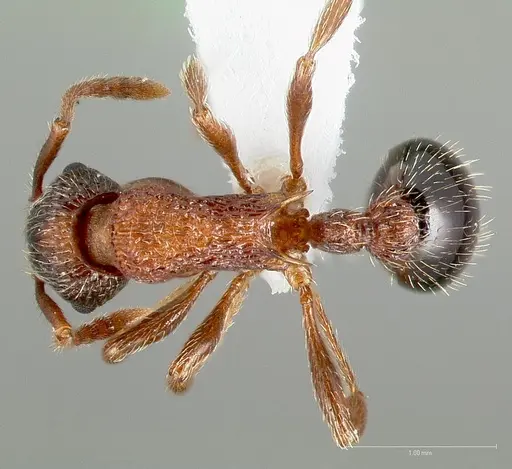
CASENT0102858
View on AntWeb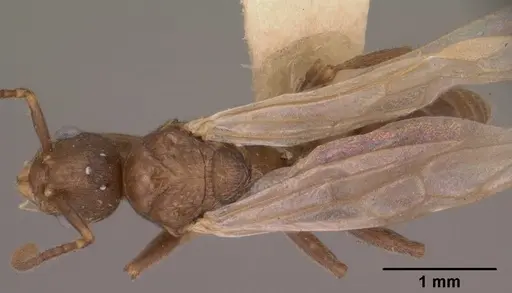
CASENT0102859
View on AntWeb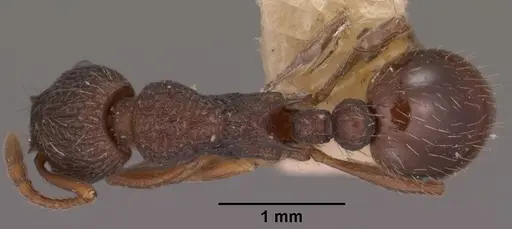
CASENT0106091
View on AntWeb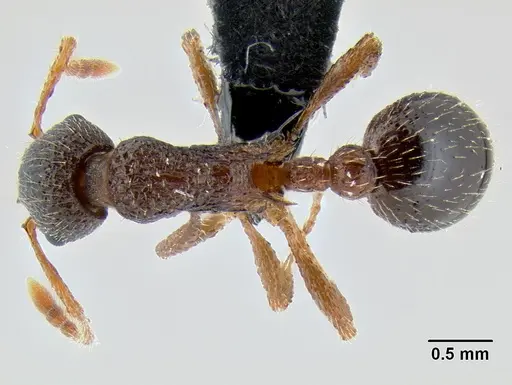
CASENT0631721
View on AntWeb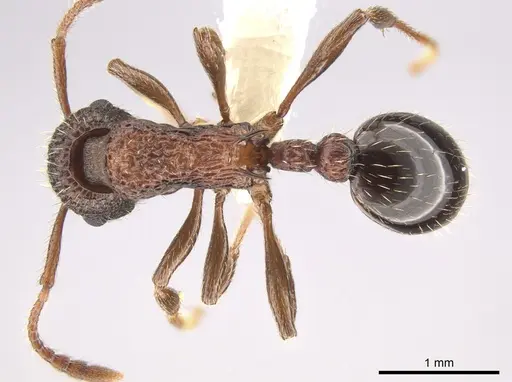
CASENT0862450
View on AntWeb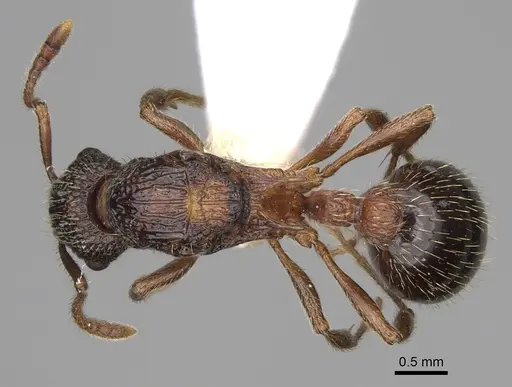
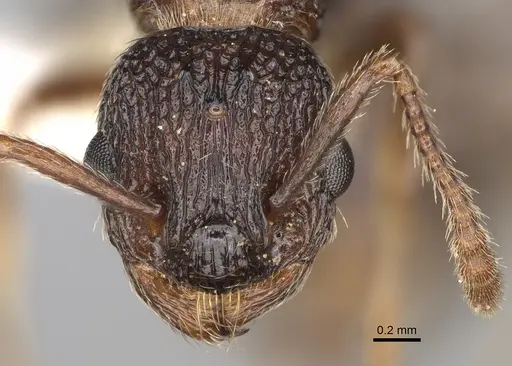
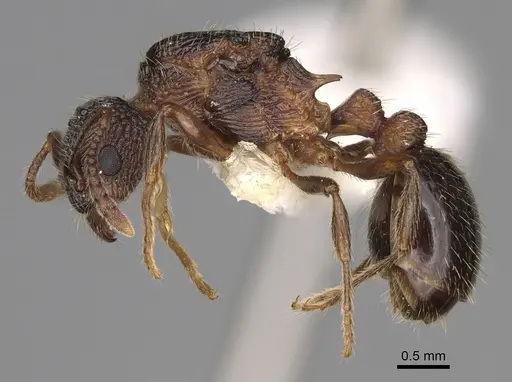
CASENT0900351
View on AntWeb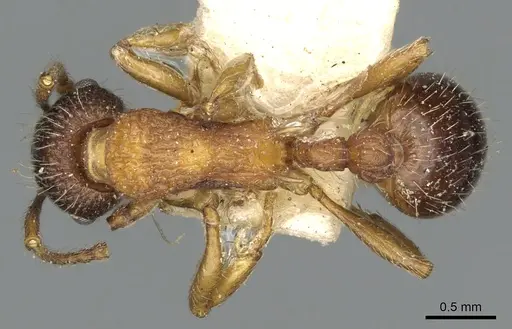
CASENT0922766
View on AntWeb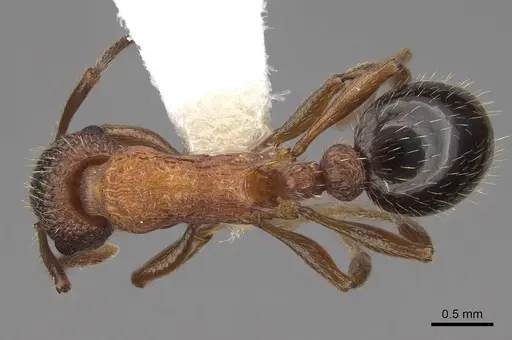
Literature
Loading distribution map...Loading products...