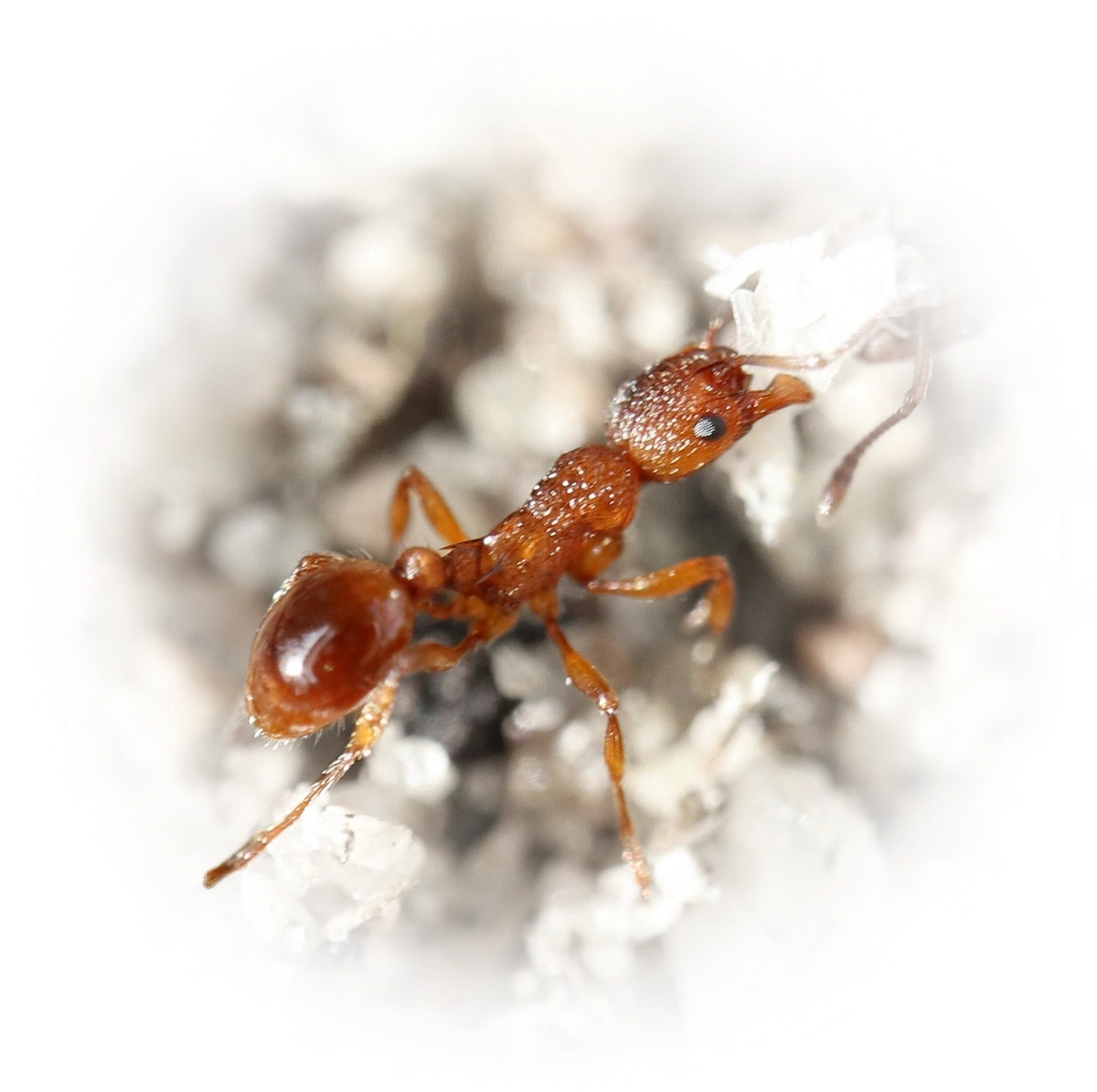
Myrmica rugulosa
- Sci. Name
- Myrmica rugulosa
- Tribe
- Myrmicini
- Subfamily
- Myrmicinae
- Author
- Nylander, 1849
- Distribution
- Found in 12 countries
Introduction
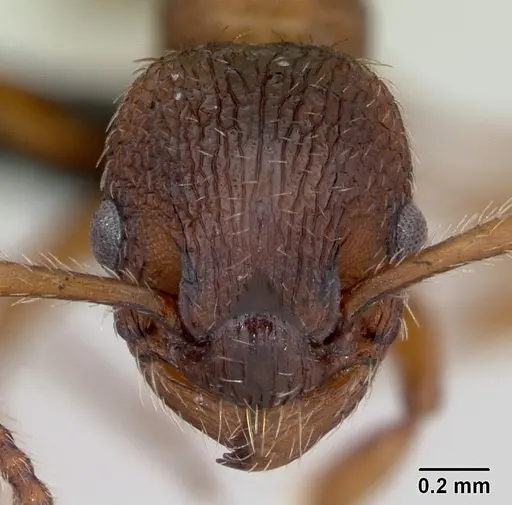
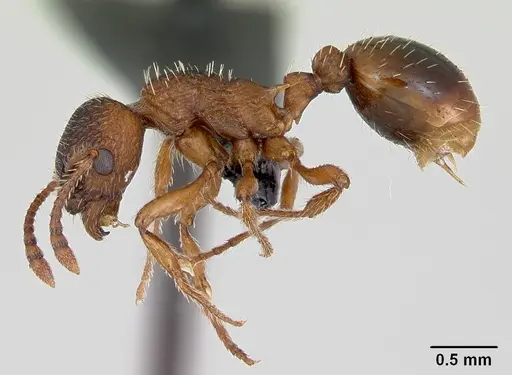
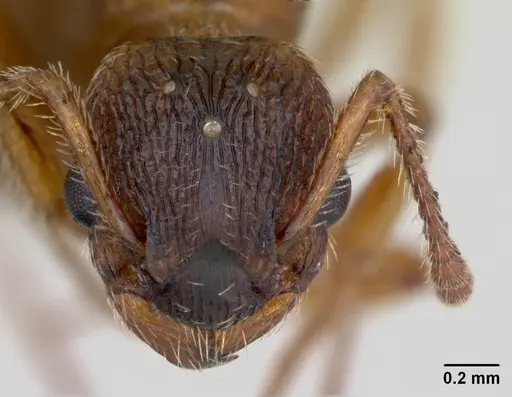
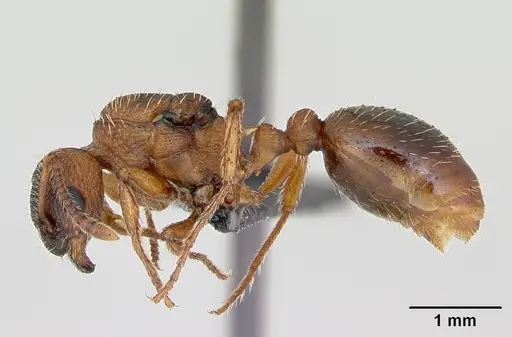
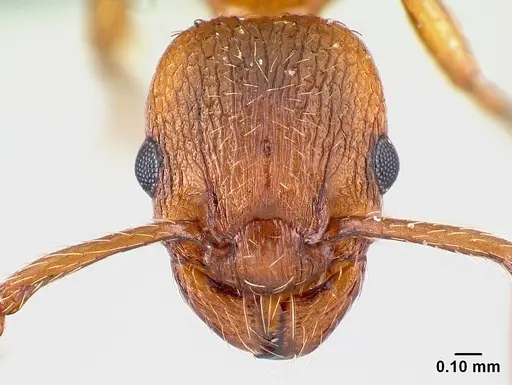
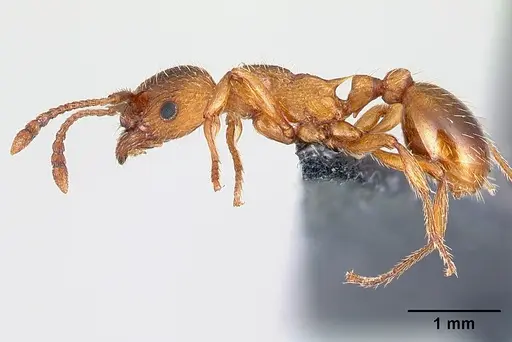
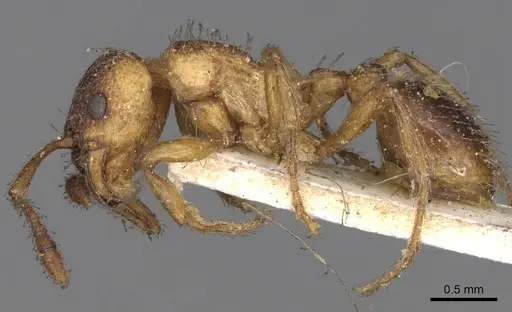
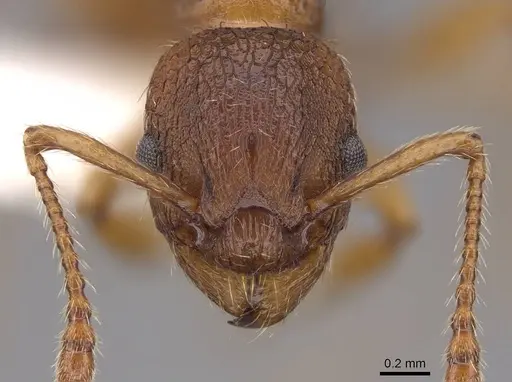
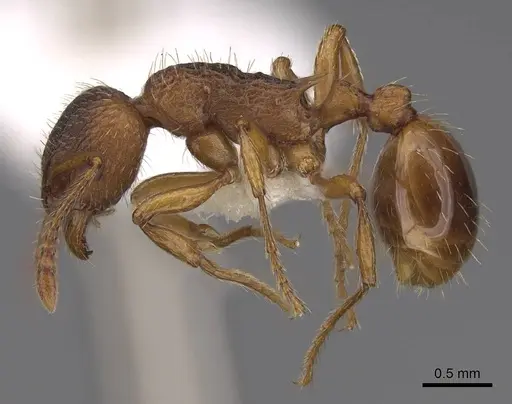
Myrmica rugulosa is one of the smallest European Myrmica species, with workers measuring 3.0–4.3 mm and queens at 5–5.7 mm . They have a pale reddish-yellow color with fine, wrinkled (rugulose) sculpture on the head and body, which gives them their scientific name – from the Latin for 'wrinkled' . Their antennal scape is sharply curved near the base without a distinct angular projection. This species belongs to the rugulosa complex and the scabrinodis species group . What makes M. rugulosa stand out is its tolerance for dry, urban environments. Unlike most Myrmica, which prefer moist habitats, this species thrives in dry, sandy meadows and has become one of the most successful ants in Central European cities. Workers forage in groups along pheromone trails – unusual for Myrmica – and form large polygynous colonies that can contain several thousand individuals .
Quick Summary
- Difficulty: Easy
- Origin & Habitat: Native to Europe and the Caucasus, absent from the British Isles and the Iberian Peninsula. Found from France to the Urals, north to southern Sweden and Finland, south to northern Italy, and in the Balkans and Caucasus [6][7]. Inhabits dry meadows with sandy or well-drained soils, open sunny areas with sparse vegetation, forest clearings, and river terraces. Highly tolerant of human pressure – commonly found in urban lawns, parks, gardens, and roadside edges [5][8].
- Colony Type: Polygynous (multi‑queen) colonies, occasionally polycalic (several connected nest chambers). Colonies can contain several thousand workers and typically 10–20+ queens. Individual nests may hold up to several thousand workers [5][6].
- Size & Growth:
- Queen: 5–5.7 mm [2]
- Worker: 3.0–4.3 mm [1]
- Colony: Up to several thousand workers per colony [5][6]
- Growth: Moderate
- Development: 6–10 weeks (estimated – based on typical Myrmica development at room temperature) (Development is typical for temperate Myrmica. First workers (nanitics) are smaller than normal workers but quickly help the colony grow.)
- Antkeeping:
- Temperature: Keep at 20–24 °C. This thermophilic species naturally lives in warm, sunny places. Room temperature works well, a slight warming gradient can boost activity [5].
- Humidity: Low to moderate – this species prefers dry conditions. Avoid waterlogged substrate. Keep the nest moderately moist but let it dry between waterings. Good drainage is essential [1][5].
- Diapause: Yes. As a temperate European species, colonies need a winter rest. Reduce temperature to 5–10 °C for 3–4 months (roughly November–February) [9].
- Nesting: Soil‑nesters that dig into the ground. In captivity, they do well in Y‑tong (AAC), plaster, or naturalistic setups with sandy soil. Provide a gradient from drier to moister areas so the ants can choose [1][10].
- Behavior: Non‑aggressive and opportunistic. When confronted by dominant ants like Lasius niger, they retreat instead of fighting [5]. Workers forage in groups along trails – unusual for Myrmica. They are primarily scavengers but also collect honeydew and small insects [5]. They have a stinger but rarely use it defensively. Escape risk is moderate – standard barriers are sufficient.
- Common Issues: keeping them too damp – they need well‑drained, dry conditions, moisture stress can lead to colony loss, skipping winter diapause – this temperate species requires 3–4 months of cold rest, without it, colonies weaken or die over time, large colony size means you must plan for spacious setups as they grow, wild‑caught colonies may be sensitive to transport stress, but urban specimens are often more resilient, finding nests in the wild is tricky because entrances are tiny, unmarked holes, look after heavy rain when fresh sand may be visible around the entrance [1]
Housing and Nest Setup
Myrmica rugulosa is a soil‑nesting species that does well in various captive setups. Y‑tong (AAC) nests are ideal because they let you create a humidity gradient – keep one side moderately moist while leaving another side drier. Plaster nests also work, but make sure the substrate never stays waterlogged. A naturalistic setup with sandy soil gives them more digging opportunities [1][10].
Because this ant tolerates dry conditions better than most Myrmica, you can let the nest substrate dry out more between waterings. Still, provide some moisture – brood needs at least moderately damp areas. A good approach is to fill one end of a test tube water reservoir and let the ants choose their preferred distance.
The outworld can be simple. These ants are not excellent climbers, so standard barrier methods (fluon on test tube rims or container edges) work well. Since they forage in groups, make sure the foraging area is easy to access.
Feeding and Diet
Like most Myrmica, M. rugulosa is an omnivorous scavenger. They primarily eat dead insects and also take honeydew from aphids. In captivity, offer a varied diet:
- Protein sources should be the main part. Small live or frozen insects (fruit flies, small crickets, mealworms) are ideal. Dead insects, cat food, or other protein‑based foods also work. Feed protein 2–3 times per week, adjusting as the colony grows.
- Sugar sources are readily accepted. Provide sugar water, honey, or diluted maple syrup. A small dish of sugar water should always be available, especially for larger colonies.
In urban environments, these ants often forage on insects killed by traffic, so they are not picky eaters – almost any appropriate prey or sweet substance is accepted [5].
Temperature and Seasonal Care
Myrmica rugulosa is a thermophilic species that naturally inhabits warm, sunny locations. Keep your colony at 20–24 °C for optimal activity and brood development. Room temperature in most homes (20–22 °C) is perfectly suitable. A slight warming gradient can be used but is not necessary [5].
Winter care is essential. Each year, typically from November through February, reduce temperatures to 5–10 °C for 3–4 months. A simple approach is to move the colony to an unheated garage, basement, or refrigerator set at that range. During this time the colony will be less active and consume less food.
Do not skip the rest period. Without proper diapause, colonies may become weakened and have reduced longevity. Proper hibernation helps queens remain healthy and productive for multiple years.
Colony Dynamics and Behavior
One distinctive feature of M. rugulosa is group foraging. Unlike most Myrmica that send workers out singly, M. rugulosa workers form foraging trails and search for food together [5]. This makes them more efficient at exploiting food sources and helps them compete with more dominant ants.
Their colony structure is polygynous – multiple queens live and reproduce together. Colonies can grow very large, with several thousand workers typical for established colonies. This large size, combined with urban tolerance, makes them one of the most abundant ants in some European cities [8][12].
Behaviorally, they are non‑aggressive and opportunistic. When they encounter more dominant ants like Lasius niger, they simply retreat rather than fight [5]. This passive strategy is part of their success – they avoid lost fights and focus on resources they can secure.
They are not particularly defensive and rarely sting, so they are easy to handle. Their stinger is present but small and not potent against humans.
Host for Butterflies and Parasites
In the wild, M. rugulosa serves as an important host for several endangered large blue butterflies (Phengaris/Maculinea). It is a documented host for Maculinea arion, M. rebeli, and M. teleius [13][14][15]. These butterflies lay eggs on specific host plants, and the caterpillars are later adopted by Myrmica ants and raised inside the nest as social parasites.
M. rugulosa is also a known host for the social parasitic ant Myrmica karavajevi, which lives in their nests and is tended by the host workers [16][17]. This is another example of the complex relationships this species has in its ecosystem.
For antkeepers, this means your colony might occasionally encounter these parasites if you collect from the wild. Captive‑bred colonies from reputable suppliers are typically parasite‑free.
Finding and Collecting
If you want to collect M. rugulosa from the wild, be aware that their nests are notoriously hard to find. They have almost no above‑ground indicators – unlike many ants that build mounds, M. rugulosa typically has only a tiny, unmarked hole as a nest entrance [5][6]. The best time to look is after heavy rainfall, when freshly excavated sand may be visible around the entrance [1].
They prefer dry, sandy soils in warm, sunny locations. Look in meadows, lawn edges, garden borders, roadside verges, and other open areas with sparse vegetation. In urban areas, check sunny lawn areas, parks, and path edges.
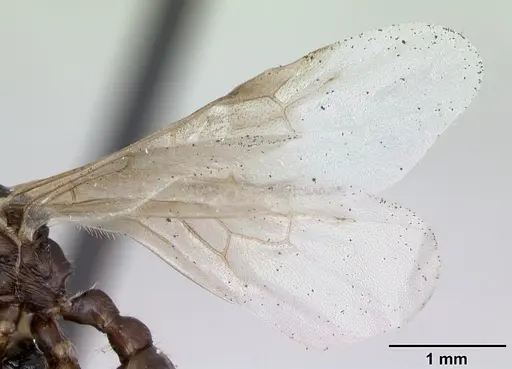
Nuptial flights occur from August to October [9][5]. During this period, you may find newly mated queens searching for founding sites. After mating, queens shed their wings and dig into the soil to start a new colony.
Frequently Asked Questions
How long does it take for Myrmica rugulosa to produce first workers?
Expect first workers (nanitics) to emerge 6–10 weeks after the queen lays her first eggs, assuming temperatures around 20–24°C. This is typical for Myrmica species. The first workers are smaller than normal but quickly help the colony grow.
Do Myrmica rugulosa ants need hibernation?
Yes, they require an annual hibernation period. As a temperate European species, you should reduce temperatures to 5–10°C for 3–4 months during winter (roughly November–February). Skipping hibernation can weaken the colony and reduce the queen's lifespan [9].
How big do Myrmica rugulosa colonies get?
Mature colonies can reach several thousand workers. This is one of the larger Myrmica species in terms of colony size. They are polygynous, meaning multiple queens contribute to egg production, which supports rapid colony growth [5][6].
Can I keep Myrmica rugulosa in a test tube setup?
Yes, test tubes work well for founding colonies. Keep the water reservoir moderate in size to avoid flooding, and provide a dark covering for the tube. Once the colony reaches 20–30 workers, consider moving them to a larger setup like a Y‑tong nest.
What do Myrmica rugulosa eat?
They are omnivorous scavengers. Offer small insects (live or dead) as protein 2–3 times per week, and always have sugar water or honey available. They readily accept most standard ant foods and are not picky eaters [5].
Are Myrmica rugulosa good for beginners?
Yes, they are considered an easy species to keep. They are tolerant of a wide range of conditions, non‑aggressive, and do not require elaborate setups. Their main requirements are proper hibernation and keeping the nest substrate relatively dry.
Do Myrmica rugulosa ants sting?
They have a stinger but rarely use it defensively. Their sting is mild and not particularly painful to humans. These ants are quite docile and focused on foraging rather than defending the nest.
Why are my Myrmica rugulosa dying?
The most common causes are: keeping them too damp (they prefer dry conditions), skipping hibernation, or stress from wild‑caught colonies. Check that the substrate is well‑drained and not constantly wet. Ensure you are providing proper winter cooling if your colony is established. [5]
When do Myrmica rugulosa have nuptial flights?
Nuptial flights occur from August through October. During this time, alate (winged) queens and males leave the nest to mate. If you are collecting wild queens, this is the time to look for newly mated dealate queens [9][5].
Can I keep multiple Myrmica rugulosa queens together?
Yes, this species is naturally polygynous, meaning multiple queens can coexist in the same colony. However, if you are introducing an additional queen to an established colony, introduce her carefully and monitor for aggression. Wild colonies typically have multiple queens from the start [5].
Report an Issue
The current care sheet is based fully on literature. See inconsistencies, or something that's incorrect? Please , it will be resolved after review from an admin. Contributing to the blogs tab also helps providing information, to make us be able to further improve the caresheets. Thank you for your support!
References

This caresheet is licensed under CC BY-SA 4.0 .
Community Blogs
CASENT0172704
View on AntWeb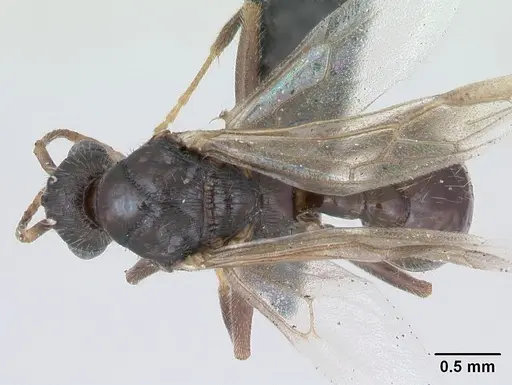
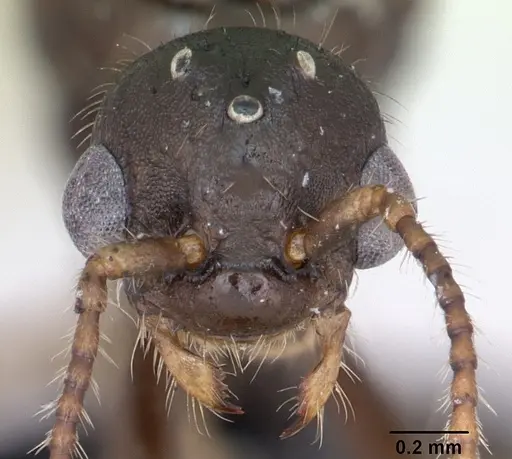
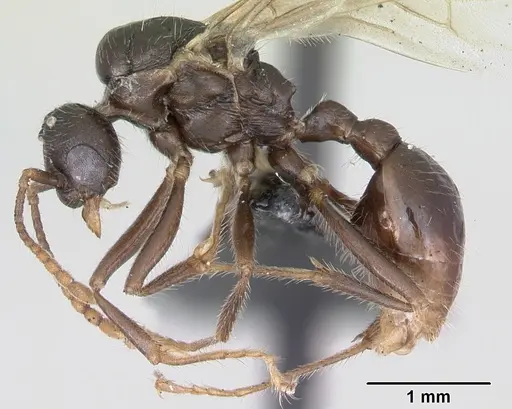
CASENT0172742
View on AntWeb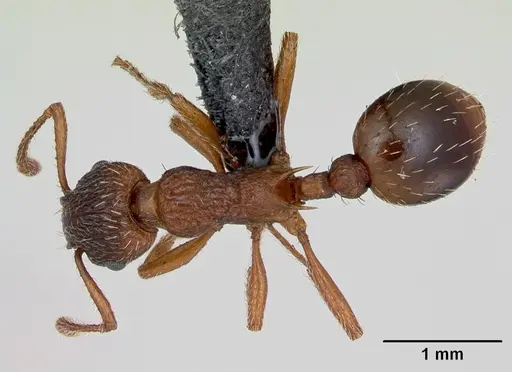
CASENT0172743
View on AntWeb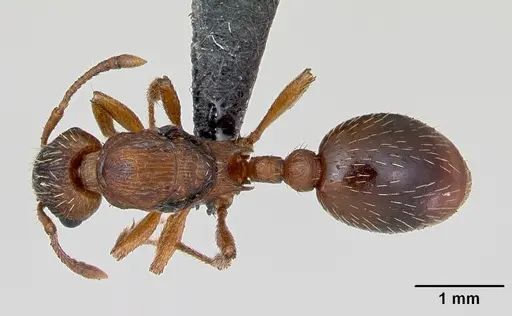
CASENT0179921
View on AntWeb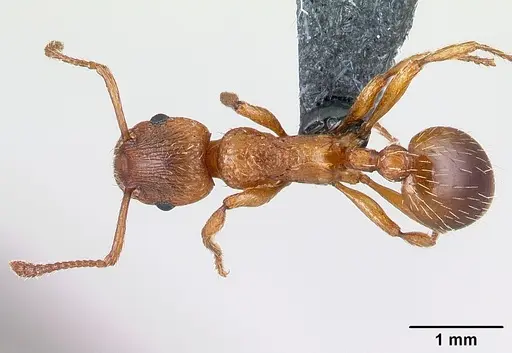
CASENT0900276
View on AntWeb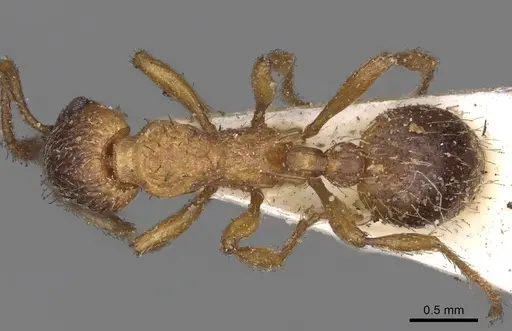
CASENT0922793
View on AntWeb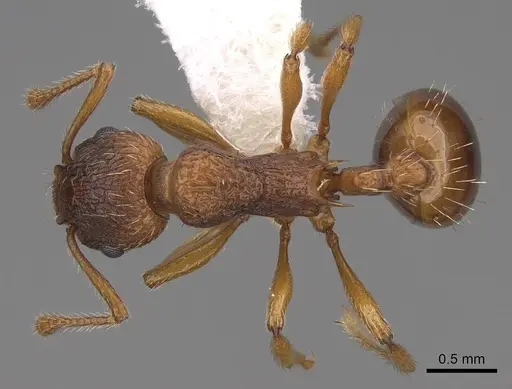
Literature
Loading distribution map...Loading products...