
Myrmica ritae
- Sci. Name
- Myrmica ritae
- Tribe
- Myrmicini
- Subfamily
- Myrmicinae
- Author
- Emery, 1889
- Distribution
- Found in 1 countries
Introduction
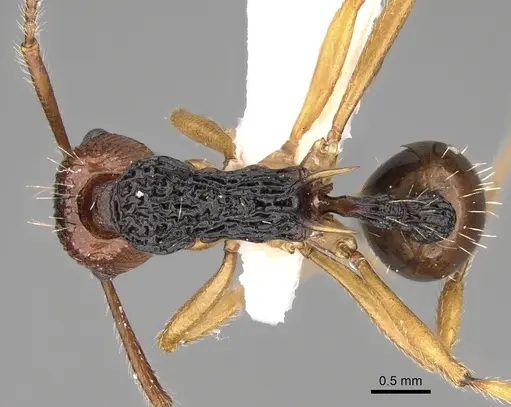
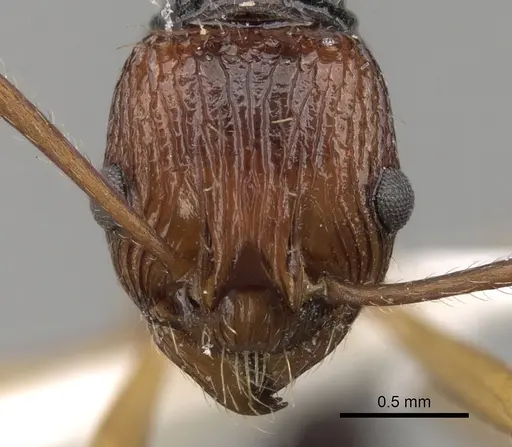
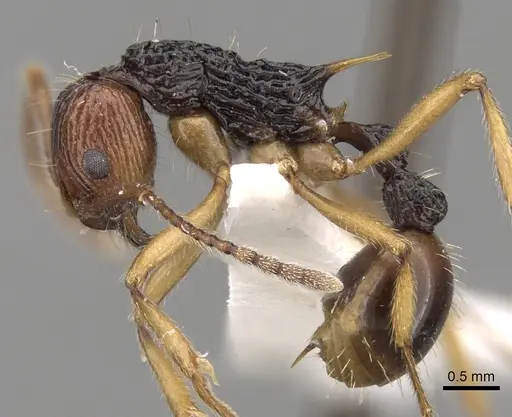
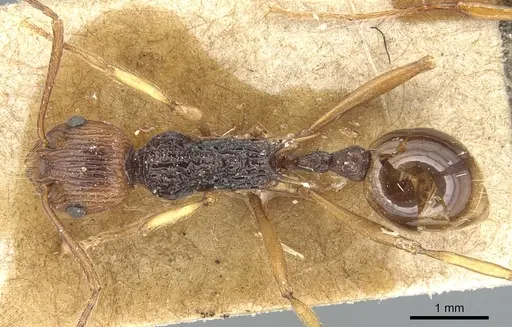
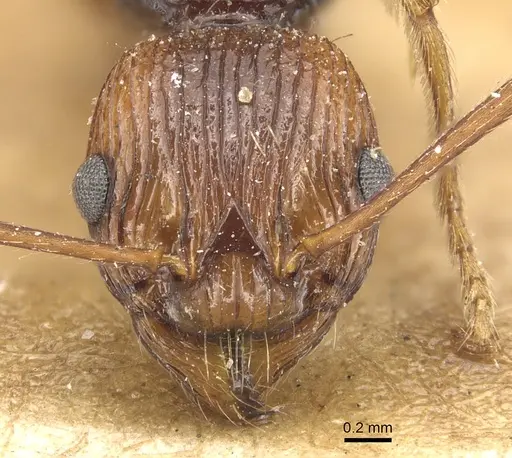
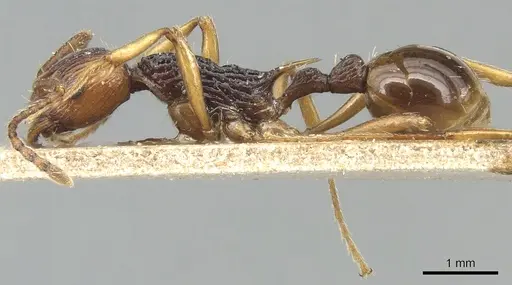
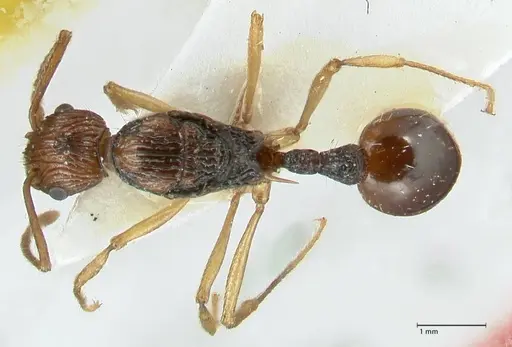
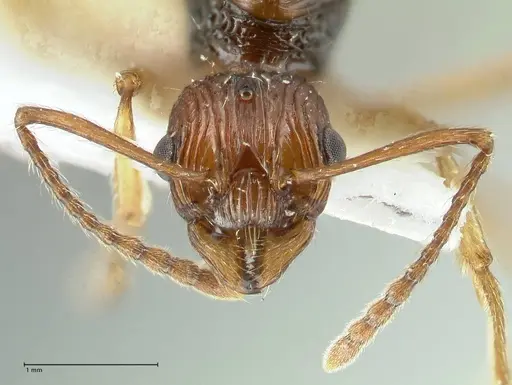
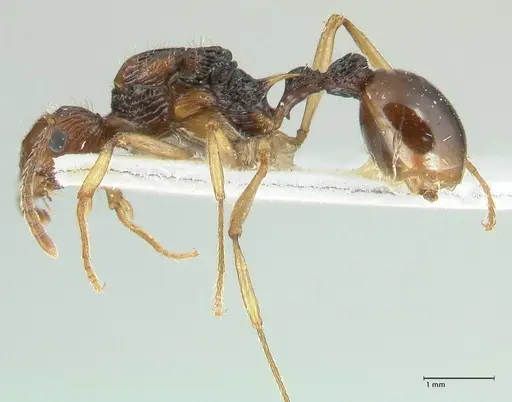
Myrmica ritae is a Myrmica ant species native to Central and Southeast Asia, including Myanmar, Thailand, Nepal, India (Sikkim), and southern China . Workers have the typical red-brown Myrmica coloration and can be identified by their unusually long propodeal spines, long and low petiole, fig-shaped postpetiole, and notably long antennal scapes . This species belongs to the ritae species-group, one of the oldest lineages within the genus Myrmica . Queens have been described in taxonomic revisions, though males remain unknown . What makes Myrmica ritae particularly interesting is its high-altitude mountain habitat. Specimens have been collected from dense old oak forest at elevations around 1950 m in Thailand and at 2000 m in Nepal (Ulleri), where the climate is cool year-round . This preference for cooler, mountainous environments sets it apart from many lowland tropical ant species and makes it one of the more temperate-adapted Myrmica species found in the Oriental region.
Quick Summary
- Difficulty: Medium
- Origin & Habitat: Native to Central and Southeast Asia including Myanmar, Thailand, Nepal, India (Sikkim), and southern China (Yunnan). Found in high-altitude cool broadleaf oak forest at elevations around 1950-2000 m, typically nesting in rotting wood on the forest floor [6][2][3].
- Colony Type: Colony structure is not well documented. Based on typical Myrmica patterns, likely single-queen (monogyne) colonies, though this requires confirmation for this specific species.
- Size & Growth:
- Queen: No specific body measurements available. Based on related Myrmica species, queens likely around 6-8 mm (inferred).
- Worker: No specific body measurements available. Based on related Myrmica species, workers likely around 4-5 mm (inferred).
- Colony: Unknown but likely moderate based on related Myrmica species – up to a few hundred workers at maturity (inferred).
- Growth: Moderate (estimated based on genus patterns).
- Development: Estimated 6-10 weeks based on typical Myrmica development under optimal conditions. (Development time is estimated from genus-level data, specific timing for Myrmica ritae has not been directly studied. Cooler mountain habitat may slightly extend development.)
- Antkeeping:
- Temperature: Keep cool, roughly 18-22°C, but precise requirements are unknown. Based on high-altitude habitat, this species prefers cooler conditions and does not tolerate prolonged heat. Provide a temperature gradient for self-regulation.
- Humidity: Keep the nest substrate consistently moist but not waterlogged. Natural habitat is damp forest floor with rotting wood. Avoid dry setups.
- Diapause: Likely requires a winter diapause based on temperate high-altitude habitat. Provide 3-4 months at 5-10°C during winter (roughly November-February) if observed to slow activity.
- Nesting: Y-tong (AAC) or plaster nests work well because they retain moisture. This species naturally nests in rotting wood on the forest floor [6]. Test tube setups are suitable for founding colonies. Avoid dry formicarium setups.
- Behavior: Workers are moderately active and typically non-aggressive toward keepers. Like other Myrmica species, they have a functional stinger but rarely use it unless directly threatened. Escape risk is moderate – standard barrier methods (Fluon) work well. Workers are not particularly large but are not tiny enough to require fine mesh beyond standard antkeeping practices.
- Common Issues: Cool temperature requirements can be challenging in warm climates – may need cooling in summer months., High-altitude origin means this species may not tolerate prolonged heat exposure., Wild-caught colonies may carry parasites, quarantine and monitor new colonies., Rotting wood nesting preference means nest materials must be kept appropriately moist., Limited specific care data exists – keepers should rely on general Myrmica husbandry and observe colony closely.
Nest Preferences and Housing
Myrmica ritae naturally nests in rotting wood fragments on the forest floor, as evidenced by specimens found in a 15 cm diameter piece of wood at 1950 m elevation in Thailand [6]. In captivity, Y-tong (AAC) nests or plaster nests work well because they can maintain the moisture levels this species requires. Test tube setups are suitable for founding colonies. Avoid dry formicarium setups like sand-only nests. The nest should have chambers sized appropriately for a moderate-sized colony. Provide a water tube or moisture reservoir to maintain humidity. An outworld space should allow workers to forage and dispose of waste.
Feeding and Diet
Like other Myrmica species, Myrmica ritae is omnivorous with a preference for protein sources. Feed a varied diet including small insects (fruit flies, pinhead crickets, mealworms) and sugar sources (honey water, sugar water). In the wild, they likely forage for small arthropods and tend aphids for honeydew. Offer protein 2-3 times per week and keep a sugar source constantly available. Remove uneaten prey after 24-48 hours to prevent mold. Fresh water should always be available.
Temperature and Seasonal Care
This is the most critical aspect of keeping Myrmica ritae successfully. As a high-altitude mountain species from cool oak forest, it requires cooler temperatures than most tropical ants – aim for 18-22°C consistently [6]. They can tolerate brief periods slightly outside this range, but prolonged heat is harmful. In warm climates, consider positioning the colony away from direct sunlight or use a small fan for air circulation. During winter (roughly November-February in temperate regions), provide a hibernation period at 5-10°C for 3-4 months if the colony shows signs of slowing down. This dormancy likely mimics the cool mountain winters in their natural habitat.
Behavior and Colony Dynamics
Myrmica ritae workers are active foragers with typical Myrmica behavior – they search methodically for food and communicate discoveries to nestmates. They are not particularly aggressive but will defend the nest if threatened. Like all Myrmica, they possess a stinger and can deliver a mild sting if handled roughly. Colonies grow at a moderate pace – expect 6-12 months from founding to first significant worker batches (estimated). Mature colonies may reach several hundred workers (inferred from genus patterns). The queen likely has a reasonably long lifespan for a Myrmica, potentially living several years with proper care.
Frequently Asked Questions
How long does it take for Myrmica ritae to produce first workers?
Expect first workers (nanitics) approximately 6-10 weeks after the queen lays eggs, assuming temperatures around 20°C. This is typical for Myrmica species, though the exact timeline for Myrmica ritae specifically has not been documented.
Do Myrmica ritae ants sting?
Yes, like all Myrmica species they have a functional stinger. However, they are not aggressive and rarely sting unless handled roughly or the nest is directly threatened. The sting is mild and comparable to other small Myrmica species.
What temperature do Myrmica ritae need?
Keep them at 18-22°C – this is cooler than most ant species due to their high-altitude mountain habitat [6]. They do not tolerate heat well and should be kept in a cool room or away from heat sources.
Do Myrmica ritae need hibernation?
They likely require a winter diapause based on their temperate high-altitude habitat. Provide 3-4 months at 5-10°C during winter (roughly November-February) if the colony appears to slow down. This mimics their natural cool environment and is thought to be beneficial for colony health.
Can I keep multiple Myrmica ritae queens together?
This has not been documented for this species. Based on typical Myrmica patterns, they are likely single-queen colonies. It is not recommended to combine unrelated foundress queens.
What do Myrmica ritae eat?
They are omnivorous like other Myrmica. Feed small insects (fruit flies, small crickets, mealworms) 2-3 times weekly, and provide a constant sugar source (honey water or sugar water). They will also collect honeydew from aphids if available.
Is Myrmica ritae good for beginners?
This species is rated as medium difficulty. The main challenge is maintaining cool temperatures year-round and providing proper winter hibernation. If you can meet these requirements, it is a rewarding species to keep.
How big do Myrmica ritae colonies get?
Based on related species, colonies likely reach up to a few hundred workers at maturity. Growth is moderate – expect 1-2 years to reach moderate size.
What nest type is best for Myrmica ritae?
Y-tong (AAC) nests or plaster nests work well because they can maintain moisture. Test tubes are suitable for founding colonies. Avoid dry setups – this species naturally nests in rotting wood in damp forest conditions [6].
Where is Myrmica ritae found in the wild?
It is found across Central and Southeast Asia including Myanmar, Thailand, Nepal, India (Sikkim), and southern China (Yunnan). They live in high-altitude cool broadleaf oak forest at elevations around 1950-2000 m [1][2][3].
Report an Issue
The current care sheet is based fully on literature. See inconsistencies, or something that's incorrect? Please , it will be resolved after review from an admin. Contributing to the blogs tab also helps providing information, to make us be able to further improve the caresheets. Thank you for your support!
References

This caresheet is licensed under CC BY-SA 4.0 .
Community Blogs
Literature
Loading distribution map...Loading products...