
Myrmica pararitae
- Sci. Name
- Myrmica pararitae
- Tribe
- Myrmicini
- Subfamily
- Myrmicinae
- Author
- Radchenko & Elmes, 2008
- Distribution
- Found in 0 countries
Introduction
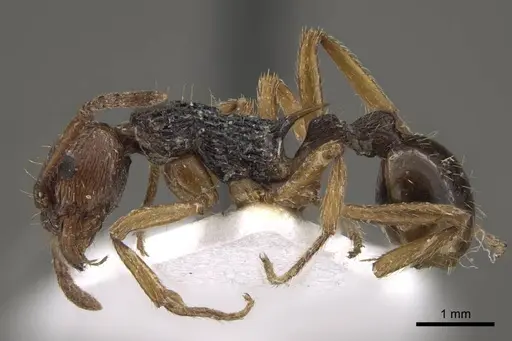
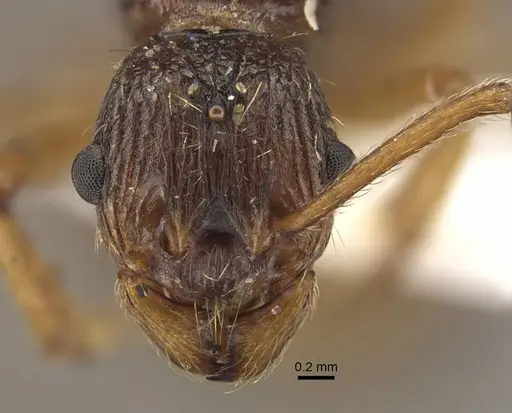
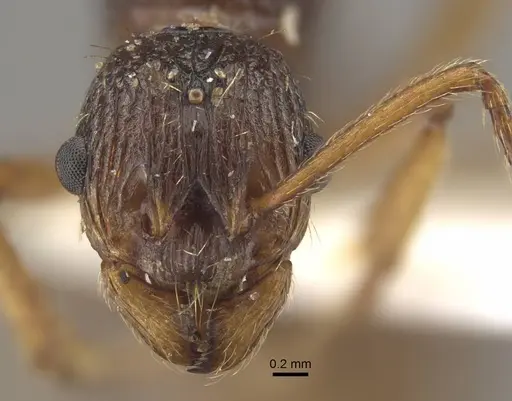
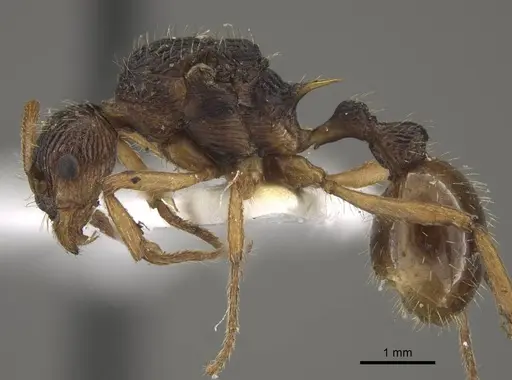
Myrmica pararitae is a small ant species from the ritae-complex, found only in Sichuan Province, China at around 1800m elevation. Workers have a distinctive appearance: a brownish-red head and antennae that contrasts with a darker alitrunk (the middle body section). They have very long propodeal spines and a broadly oval head with longitudinal ridges running from the front to the back, without the cross-hatching pattern seen in many related species. This is one of the newest Myrmica species described from China, and remarkably little is known about its biology in the wild. What makes this species interesting is its extremely narrow ecological range - it's only been recorded at a single elevation of 1770m in semi-evergreen broadleaf forest, making it a true specialist of high-altitude Sichuan habitats .
Quick Summary
- Difficulty: Unknown, likely Medium to Hard
- Origin & Habitat: Sichuan Province, China (Palaearctic region). Found at 1800m elevation in semi-evergreen broadleaf forest. Nests under stones and in soil, forages on ground surface and within soil [2].
- Colony Type: Unknown, colony structure has not been documented
- Size & Growth:
- Queen: ~5-6 mm (inferred from Myrmica genus patterns)
- Worker: ~4-5 mm (inferred from Myrmica genus patterns)
- Colony: Unknown, no colony size data exists
- Growth: Unknown, no development data exists
- Development: Unknown, likely 6-10 weeks based on typical Myrmica genus patterns (No direct development data exists for this species. Estimates based on genus-level data for Myrmica species suggest 6-10 weeks from egg to first worker at room temperature, but this is not confirmed for M. pararitae specifically.)
- Antkeeping:
- Temperature: Keep at room temperature (18-22°C) as a starting point. No specific thermal data exists for this species, but its high-elevation Sichuan habitat suggests it may prefer cooler conditions than tropical ants. Provide a temperature gradient so ants can choose their preferred zone.
- Humidity: Maintain moderate to high humidity. This species nests under stones and in soil in areas with semi-evergreen broadleaf forest, suggesting they prefer damp but not waterlogged conditions. Keep the nest substrate consistently moist.
- Diapause: Likely yes, most Myrmica species from temperate regions require a winter rest period. Based on the high-elevation Sichuan habitat (1800m), expect this species needs hibernation. Provide 2-3 months at 5-10°C during winter.
- Nesting: In captivity, standard Myrmica setups work well. A test tube setup works for founding colonies. For established colonies, a Y-tong (AAC) or plaster nest with chambers scaled to their small size. Provide soil or sand as substrate since they naturally nest in soil and under stones.
- Behavior: Behavior is unstudied. Based on typical Myrmica patterns, expect moderate activity levels with workers foraging individually on the ground surface. They likely have a functional stinger but are not particularly aggressive. Escape risk is moderate, their small size means they can squeeze through small gaps, so use standard barrier methods. Workers probably forage for small insects and honeydew, similar to other Myrmica species.
- Common Issues: no biological data exists, this is one of the least-studied ant species in captivity, so expect a learning curve, escape prevention is important due to their small size, use fine mesh and tight-fitting barriers, hibernation requirements are unconfirmed but likely necessary based on high-altitude habitat, slow colony growth is typical for high-elevation Myrmica species, don't expect rapid expansion, no specific diet information exists, start with standard Myrmica foods (sugar water, small insects) and observe what they accept
Discovery and Identification
Myrmica pararitae was only described in 2008 by Radchenko, Zhou, and colleagues, making it one of the newer ant species in the Myrmica genus. The name 'pararitae' comes from the Greek word 'para' meaning 'near' or 'similar to', reflecting its close resemblance to the related species Myrmica ritae. It belongs to the ritae-complex within the ritae species-group, a collection of Myrmica ants that share certain physical features. The type specimens were collected from Maoxian County in Sichuan Province, China, at an elevation of about 1800 meters. The species was described from over 100 workers and 17 queens collected together, but remarkably, no males have ever been recorded [1].
Natural Habitat and Distribution
This is an extremely specialized species with a remarkably narrow distribution. M. pararitae has only been found at a single elevation of 1770 meters in Sichuan Province, making it one of the most restricted ant species in terms of vertical distribution. It lives in semi-evergreen broadleaf forest, a habitat type common in mountainous regions of southern China. In the wild, colonies nest under stones and directly in soil, with workers foraging both on the ground surface and within the soil itself. This preference for high-elevation, cool forest habitats suggests the species is adapted to cooler, more stable conditions than many other ants [2].
Appearance and Morphology
Workers of M. pararitae are small but distinctive. The head, antennae, and abdomen (gaster) are brownish-red, while the middle body (alitrunk) and waist (petiole and postpetiole) are dark brown to blackish-brown, creating a two-toned appearance. The head is broadly oval and longer than wide, with distinctive longitudinal ridges running from front to back without the cross-hatching (reticulation) pattern seen in many related species. Perhaps most striking are the very long, sharp propodeal spines that angle outward at about 45 degrees. Workers measure approximately 4-5mm total length, while queens are slightly larger at 5-6mm. Both castes have long hairs standing up from the head, body, and waist [1].
What We Don't Know
Honesty requires acknowledging that almost nothing is known about the biology of this species. No published information exists on: colony size and structure, founding behavior, development timeline, diet preferences, nuptial flight timing, overwintering behavior, or any aspect of their daily activity patterns. Males have never been collected, so we don't know when or how mating occurs. This makes keeping M. pararitae essentially an experimental endeavor, you'll be learning alongside the scientific community. However, this also presents an opportunity: successful captive breeding of this species would represent genuinely new knowledge about ant biology [1][3].
Care Recommendations
Since no captive care guide exists for this species, recommendations must be based on inference from related Myrmica species and what little we know of their natural habitat. Start with a standard test tube setup for founding colonies, keeping humidity moderate and temperature around room temperature (18-22°C). The high-elevation Sichuan habitat suggests they may prefer cooler conditions than typical room temperature, so consider keeping them in a cooler room or providing a thermal gradient. For food, offer sugar water (honey or sucrose solution) and small protein sources like fruit flies or pinhead crickets, observing what the colony actually accepts. Most Myrmica species require hibernation, so plan for a 2-3 month winter rest period at 5-10°C. Use standard escape prevention methods appropriate for small ants, fine mesh and tight barriers are essential.
Related Species in the Ritae Complex
The ritae-complex contains several closely related Myrmica species that share similar morphological features. The most similar is Myrmica ritae itself, from which M. pararitae gets its name. Other species in this group include Myrmica besseyi, Myrmica foreliana, and several others distributed across Asia. What makes M. pararitae distinctive within this group is its unique head sculpture, it has only longitudinal ridges without any cross-hatching pattern, and the broadly suboval head shape differs from its relatives. Understanding the ritae-complex helps contextualize this species, as biological information from better-studied relatives may provide useful parallels for captive care [1].
Frequently Asked Questions
How long does it take for Myrmica pararitae to produce first workers?
The egg-to-worker timeline is unconfirmed for this species. Based on typical Myrmica genus patterns, expect approximately 6-10 weeks from egg to first worker at optimal room temperature, but this is an estimate rather than a confirmed value.
What do Myrmica pararitae ants eat?
Diet is unconfirmed, but based on typical Myrmica feeding behavior, they likely accept sugar sources (honey water, sugar water) and small protein prey like fruit flies, pinhead crickets, or other small insects. Start with these standard foods and observe your colony's preferences.
Do Myrmica pararitae ants need hibernation?
Hibernation requirements are unconfirmed but likely yes. This species comes from 1800m elevation in Sichuan, a high-altitude location with cold winters. Most Myrmica species from temperate regions require a 2-3 month winter rest period at 5-10°C.
Are Myrmica pararitae good for antkeeping beginners?
This species is not recommended for beginners due to the complete lack of captive care information. You'll essentially be pioneering husbandry for a species with no established protocols. Experienced antkeepers interested in rare species may find this challenge rewarding.
How big do Myrmica pararitae colonies get?
Maximum colony size is unknown. No published colony size data exists for this species.
Can I keep multiple Myrmica pararitae queens together?
Colony structure is unconfirmed. We don't know whether this species is single-queen (monogyne) or multi-queen (polygyne). Do not combine unrelated queens until more is known about their social structure.
What temperature should I keep Myrmica pararitae at?
Specific temperature requirements are unconfirmed. Start with room temperature (18-22°C) as a baseline. The high-elevation Sichuan habitat suggests they may prefer cooler conditions, so consider providing a temperature gradient and observing where workers cluster.
Do Myrmica pararitae ants sting?
Stinging ability is not specifically documented, but most Myrmica species have a functional stinger. Given their small size, any sting would be mild and likely not penetrate human skin. They are not considered aggressive.
What type of nest should I use for Myrmica pararitae?
Standard setups work well. Use test tubes for founding colonies, transitioning to a Y-tong (AAC) or plaster nest with appropriately scaled chambers for established colonies. Provide soil or sand substrate since they naturally nest in soil and under stones.
Where can I get Myrmica pararitae ants?
This species is extremely rare in the antkeeping hobby. It was only described in 2008 and has a very restricted natural distribution in Sichuan, China. It may not be available commercially. If available, expect high prices due to its rarity.
Report an Issue
The current care sheet is based fully on literature. See inconsistencies, or something that's incorrect? Please , it will be resolved after review from an admin. Contributing to the blogs tab also helps providing information, to make us be able to further improve the caresheets. Thank you for your support!
References

This caresheet is licensed under CC BY-SA 4.0 .
Community Blogs
CASENT0917726
View on AntWeb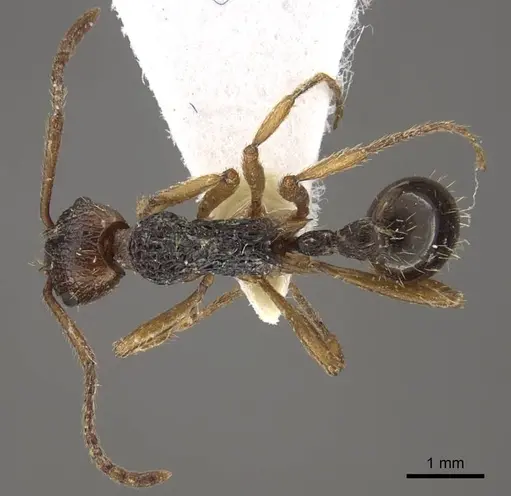
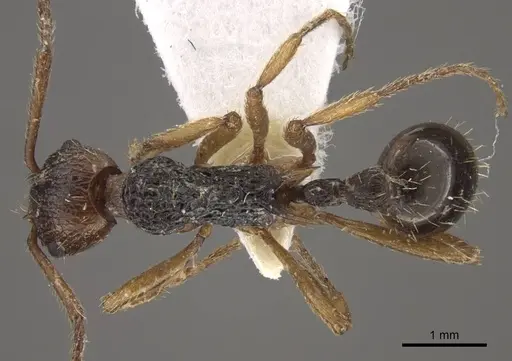
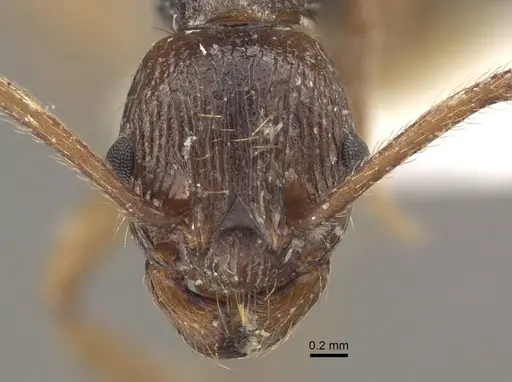
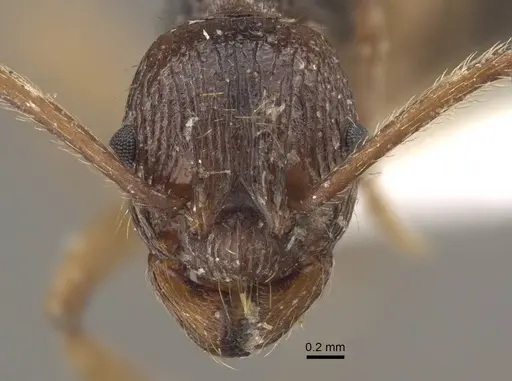
CASENT0917727
View on AntWeb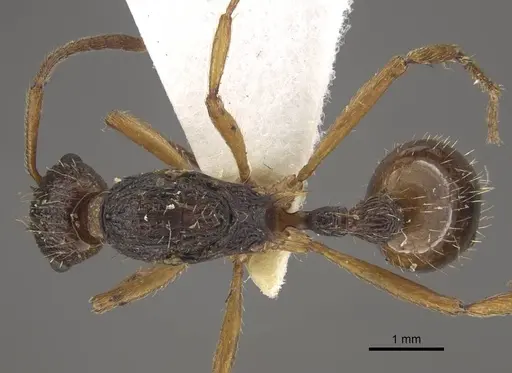
Literature
Loading distribution map...Loading products...