
Wide-faced Ant
Myrmica latifrons
- Sci. Name
- Myrmica latifrons
- Tribe
- Myrmicini
- Subfamily
- Myrmicinae
- Author
- Stärcke, 1927
- Common Name
- Wide-faced Ant
- Distribution
- Found in 2 countries
Introduction
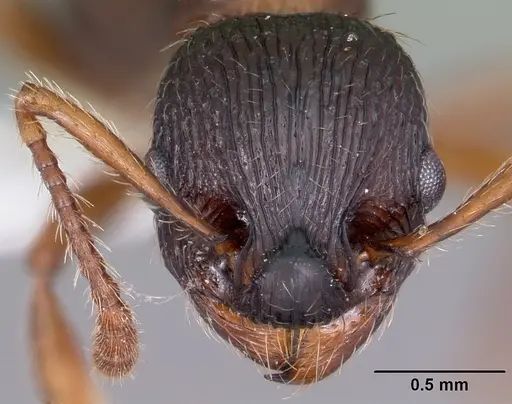
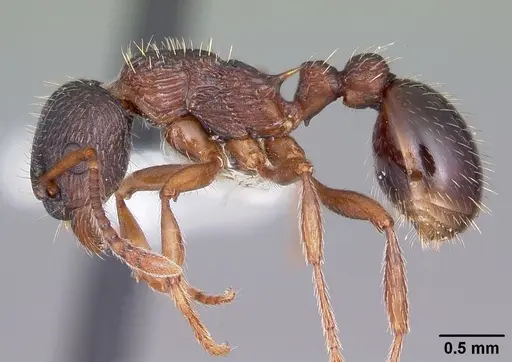
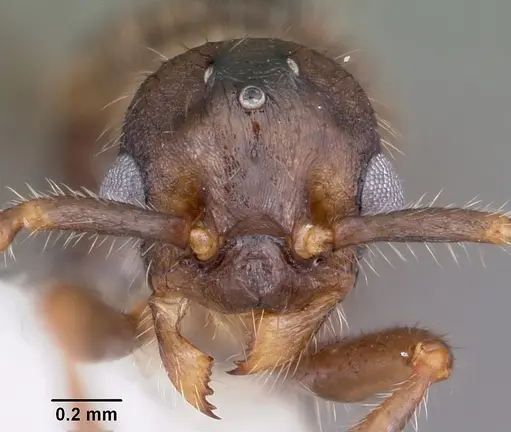
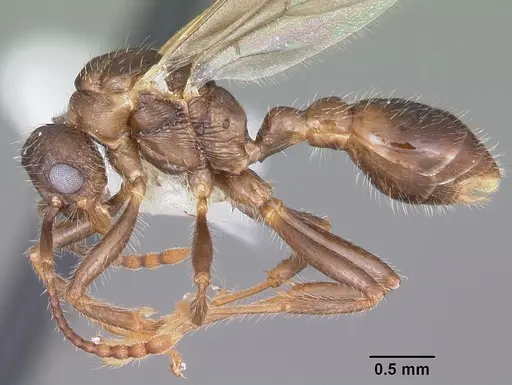
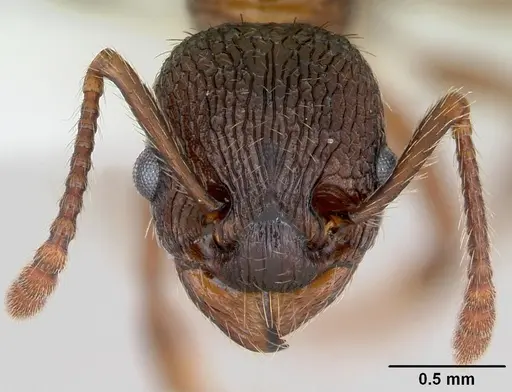
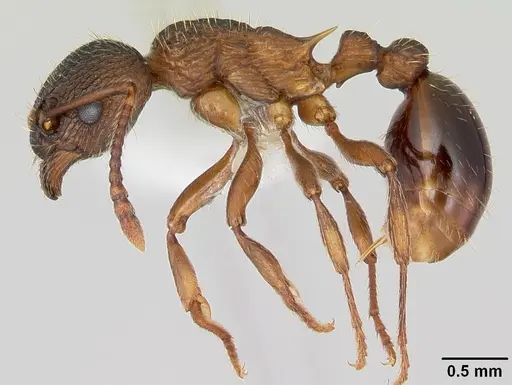
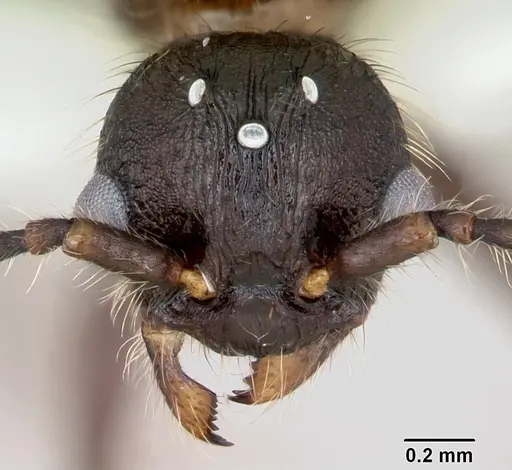
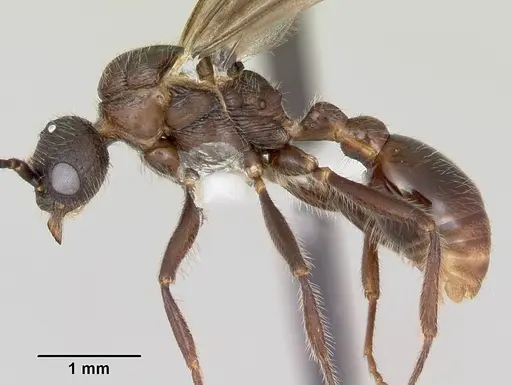
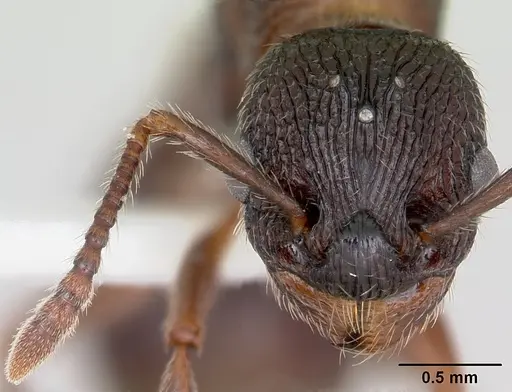
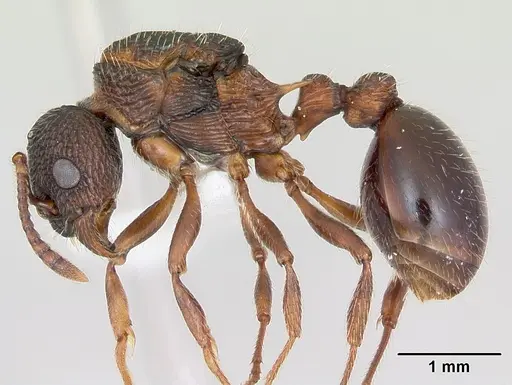
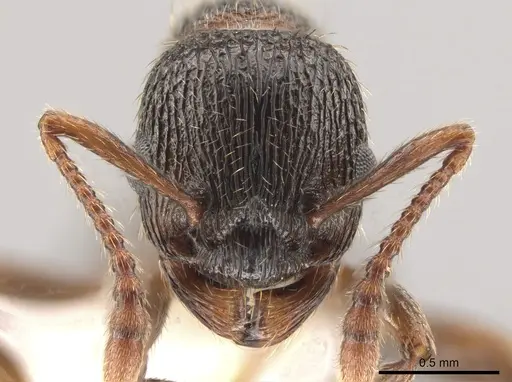
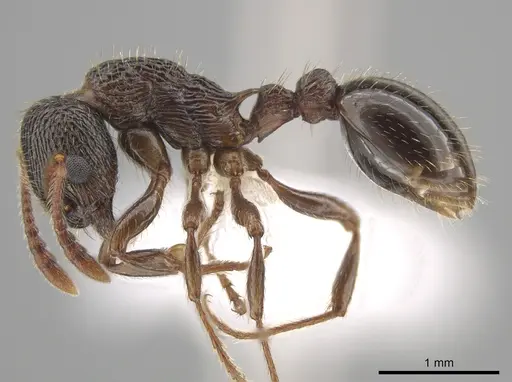
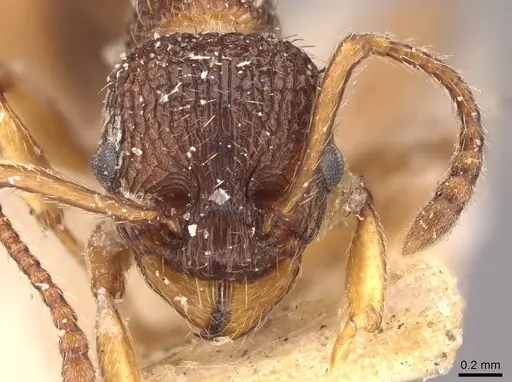
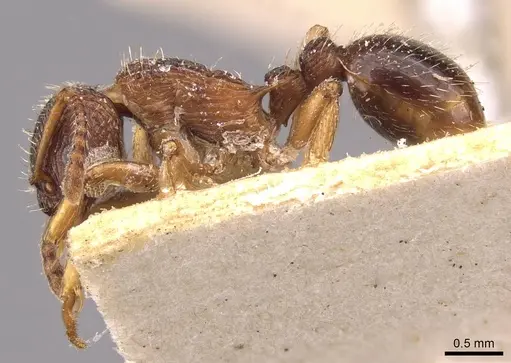
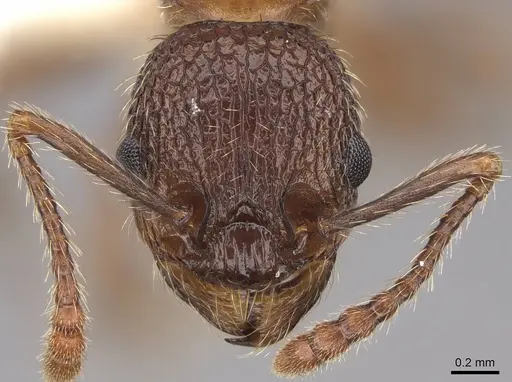
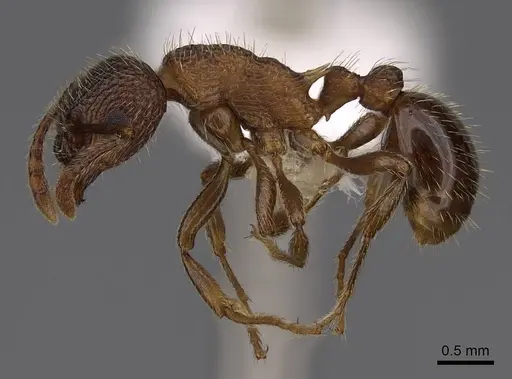
Myrmica latifrons is a small ant native to North America, ranging from Newfoundland south to Georgia and west to Manitoba, Idaho, Colorado, Arizona, and Nevada . Workers measure 3.9-5.4mm with a dark yellowish-brown to brownish-black body, and they have a distinctive truncated flange-like lamina at the bend of their antenna scape and greatly reduced frontal lobes . This species is remarkably adaptable, found in diverse habitats from moist shady woodlands to dry open fields, making it one of the more flexible Myrmica species in the region .
Quick Summary
- Difficulty: Easy
- Origin & Habitat: Native to North America, found across Canada and the United States from Newfoundland to Georgia, west to Manitoba, Idaho, Colorado, Arizona, and Nevada. Inhabits woodlands, forest edges, meadows, fields, and grassy areas with moist, shady conditions [1][3].
- Colony Type: Single-queen colonies (monogyne) with documented colonies having 35-561 workers and typically one queen, though up to 4 queens have been observed in some populations [1][4].
- Size & Growth:
- Antkeeping:
- Temperature: Room temperature (20-24°C) is suitable. This species tolerates a range of conditions from cool to moderately warm [1].
- Humidity: Keep nest substrate consistently moist but not waterlogged. They prefer moist, shady nesting areas in the wild [1].
- Diapause: Yes, this temperate species requires a winter rest period. Provide 2-3 months of cold hibernation around 5-10°C during winter months.
- Nesting: Will readily accept test tubes, Y-tong nests, or plaster formicariums. They nest under stones, in rotting wood, and under bark in the wild, provide similar dark, humid spaces [1].
- Behavior: Workers are sluggish and not particularly active. They forage on foliage and the ground but are not aggressive defenders. These ants are omnivorous and readily accept sugar sources and protein. They are known to attend extrafloral nectaries and are attracted to baits. Escape risk is high due to their small size, ensure all connections are sealed and use barrier methods [1][5].
- Common Issues: colonies may fail if kept too dry, they require moist nesting conditions, hibernation is essential for this temperate species, skipping it may affect colony health and reproduction, small colony size means they can be easily overwhelmed if moved or disturbed, wild-caught colonies may have parasites that need monitoring, high escape risk due to small size, check all openings and barriers regularly
Housing and Nest Setup
Myrmica latifrons is not demanding when it comes to housing. Test tubes work well for founding colonies, fill one-third with water, plug with cotton, and the queen will seal herself in to raise her first workers. Once the colony reaches 20-30 workers, you can upgrade to a small formicarium. They accept most nest types including Y-tong nests, plaster nests, and naturalistic setups with soil. In the wild, they nest under stones, in rotting wood, and under bark, so they appreciate a dark, humid nesting chamber. Outworld space should allow workers to forage, a simple plastic container works fine for smaller colonies. [1]
Feeding and Diet
These ants are omnivores with a flexible diet. They readily accept sugar water, honey, or diluted maple syrup. For protein, offer small insects like fruit flies, pinhead crickets, or mealworms. In the wild, they feed on dead insects, aphid honeydew, extrafloral nectar from plants like bigtooth aspen, and even fruit (they've been observed feeding on apples) [1]. They also show increased interest in sodium-rich baits when sodium is limiting in their environment [6]. Feed protein 2-3 times per week and keep a sugar source available constantly. Remove uneaten prey after 24 hours to prevent mold.
Temperature and Seasonal Care
Room temperature (20-24°C) suits this species well. They tolerate a range of conditions and are found from lowland areas to elevations over 1300m in the wild [1]. As a temperate species, they need a winter rest period. Provide 2-3 months of cold hibernation around 5-10°C in a refrigerator or cold garage during winter. This rest period helps maintain colony health and triggers reproductive behavior in spring. Do not feed during hibernation, the colony will be mostly dormant. Gradually warm them back up in spring.
Colony Growth and Development
Myrmica latifrons colonies grow at a moderate pace. A newly mated queen will seal herself in a claustral chamber and raise her first nanitic workers entirely on stored body fat, she will not leave to forage during founding. The first workers are typically smaller than mature workers. Colonies in the wild reach 35-561 workers, with some reports of up to 561 [1]. Growth rate depends on feeding and temperature, well-fed colonies at warm room temperature develop faster. Expect several months from egg to first worker under good conditions. Mature colonies are moderately sized and sustainable for years with proper care.
Behavior and Temperament
Workers are sluggish and not particularly active compared to many ant species [5]. They forage both on the ground and on vegetation. They are not aggressive toward keepers but will defend their nest if disturbed. This species shows flexibility in foraging strategies, they can increase carnivory when sodium is limiting in their environment [6]. Workers communicate through chemical trails and will recruit nestmates to good food sources. They are considered an opportunist ecological category, meaning they adapt well to different habitats [7]. The sting is present but mild, these ants are not considered dangerous to humans.
Common Problems and Solutions
The most common issues with Myrmica latifrons relate to humidity and seasonal care. Keeping the nest too dry can cause colony decline, they prefer moist conditions. Skipping hibernation can lead to health problems and may prevent reproductive alates from developing. Wild-caught colonies sometimes harbor parasites, quarantine and observe new colonies for a few weeks. Their small size means they can slip through loose connections, check all barriers and openings regularly. Finally, these ants produce relatively small colonies compared to some tropical species, so avoid overfeeding which can lead to mold problems in the outworld.
Frequently Asked Questions
How long does it take for Myrmica latifrons to raise first workers?
Expect several months from egg to first worker at room temperature (20-24°C). The exact timing depends on temperature and feeding. Queens seal themselves in and raise the first brood without foraging.
Do Myrmica latifrons ants need hibernation?
Yes, this temperate species benefits from a 2-3 month winter rest period at 5-10°C. Hibernation helps maintain colony health and triggers spring reproductive behavior. Skip hibernation only if keeping the colony in continuous warm conditions year-round.
What do Myrmica latifrons eat?
They are omnivores accepting sugar water, honey, or syrup for carbohydrates, and small insects like fruit flies, pinhead crickets, or mealworms for protein. They also feed on fruit and have been observed attending extrafloral nectaries in the wild.
How big do Myrmica latifrons colonies get?
Mature colonies reach up to 561 workers. Growth is moderate, well-fed colonies at warm temperatures develop faster. Colonies typically have one queen but may have multiple in some populations.
Are Myrmica latifrons good for beginners?
Yes, this is an easy species to keep. They are adaptable, tolerate a range of conditions, and are not aggressive. Their main requirements are maintaining moderate humidity and providing winter hibernation.
Can I keep multiple Myrmica latifrons queens together?
This species is primarily monogyne (single queen), though some colonies have been found with multiple dealate queens. It is not recommended to combine unrelated foundress queens as they may fight. Stick to single-queen colonies for best success.
Do Myrmica latifrons ants sting?
Yes, they have a stinger but the pain is mild. These ants are not considered dangerous to humans. They will only sting if directly threatened or handled roughly.
When should I move my colony to a formicarium?
Move from a test tube setup to a formicarium once the colony reaches 20-30 workers and the test tube space becomes cramped. A small Y-tong or plaster nest works well for the transition.
What temperature is best for Myrmica latifrons?
Room temperature (20-24°C) is ideal. They tolerate cooler conditions and are found in varied elevations in the wild. Avoid temperatures above 30°C for extended periods.
Why is my Myrmica latifrons colony declining?
Common causes include: too dry nesting conditions (keep substrate moist), lack of hibernation (provide winter rest), overfeeding leading to mold, or parasites from wild-caught colonies. Check humidity levels and ensure proper seasonal care.
Report an Issue
The current care sheet is based fully on literature. See inconsistencies, or something that's incorrect? Please , it will be resolved after review from an admin. Contributing to the blogs tab also helps providing information, to make us be able to further improve the caresheets. Thank you for your support!
References

This caresheet is licensed under CC BY-SA 4.0 .
Community Blogs
CASENT0104815
View on AntWeb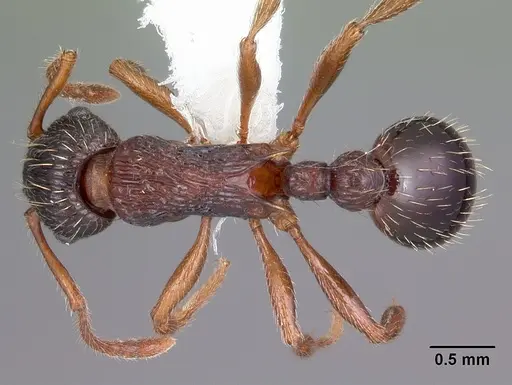
CASENT0104816
View on AntWeb
CASENT0173006
View on AntWeb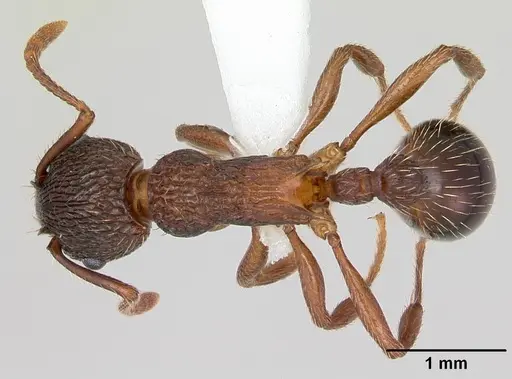
CASENT0173007
View on AntWeb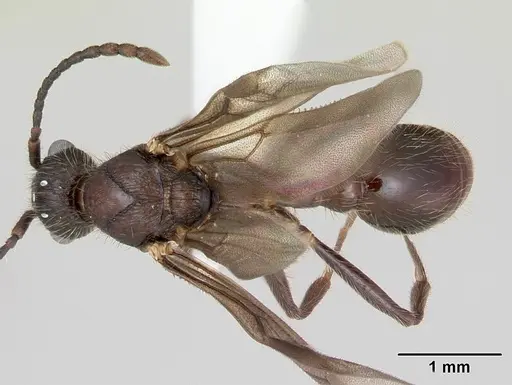
CASENT0173008
View on AntWeb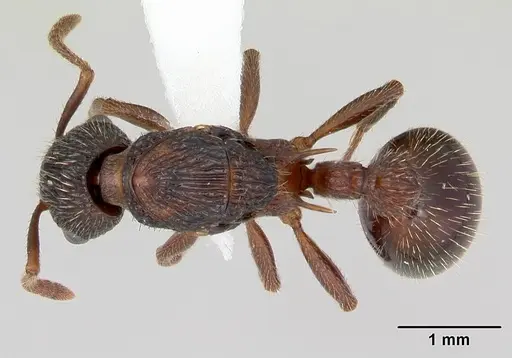
CASENT0650155
View on AntWeb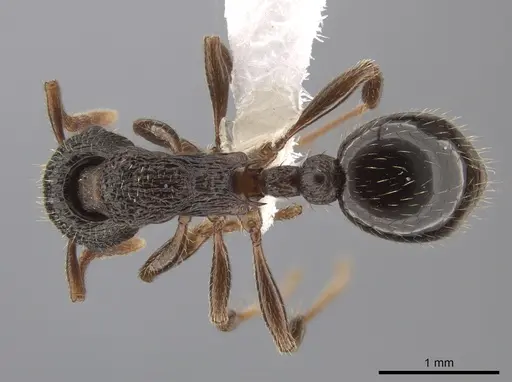
CASENT0907623
View on AntWeb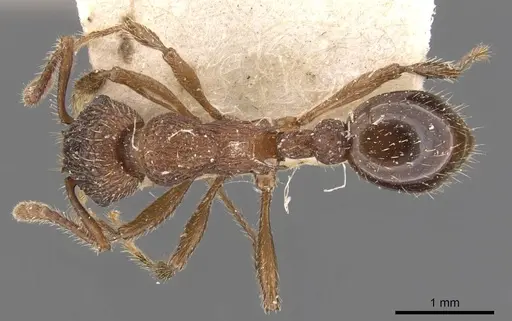
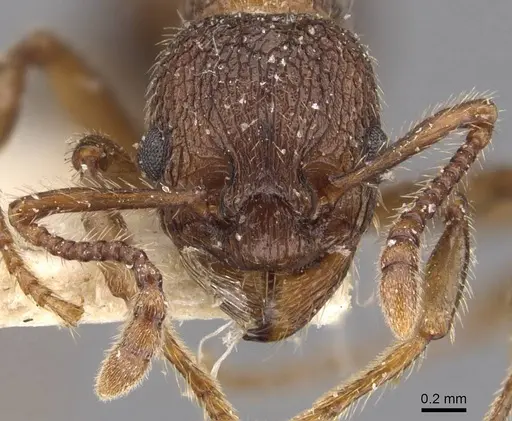
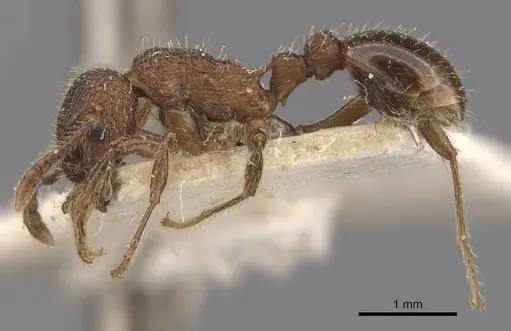
CASENT0907656
View on AntWeb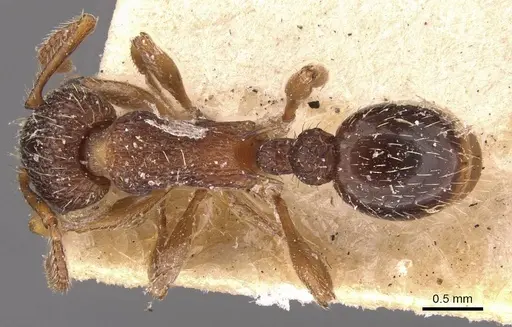
CASENT0922752
View on AntWeb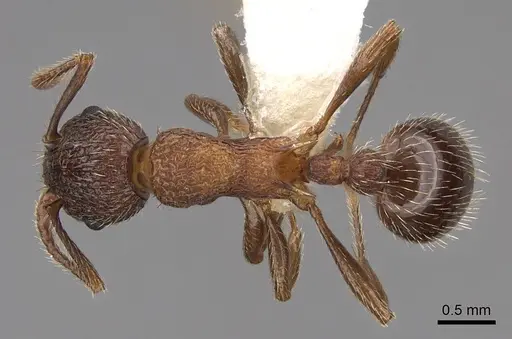
Literature
Loading distribution map...Loading products...