
Myrmica fortior
- Sci. Name
- Myrmica fortior
- Tribe
- Myrmicini
- Subfamily
- Myrmicinae
- Author
- Forel, 1904
- Distribution
- Found in 1 countries
Introduction
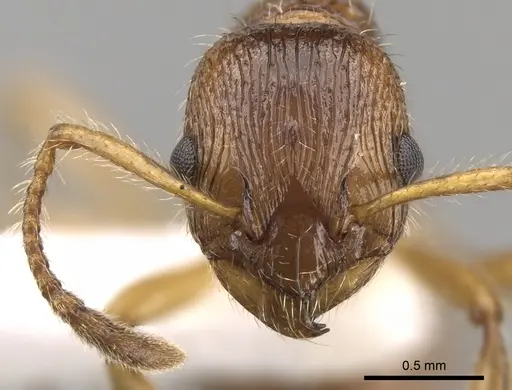
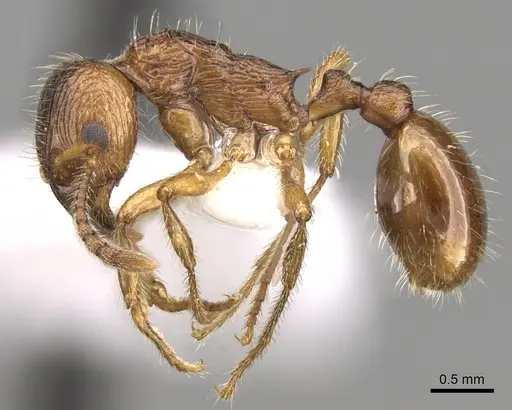
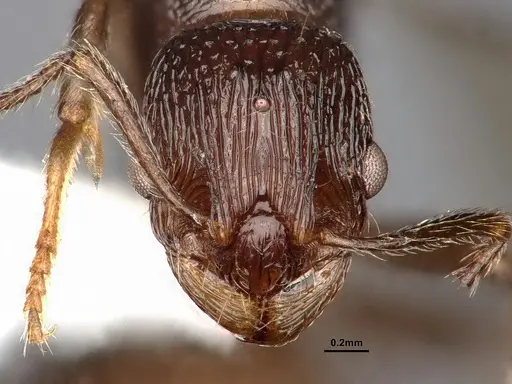
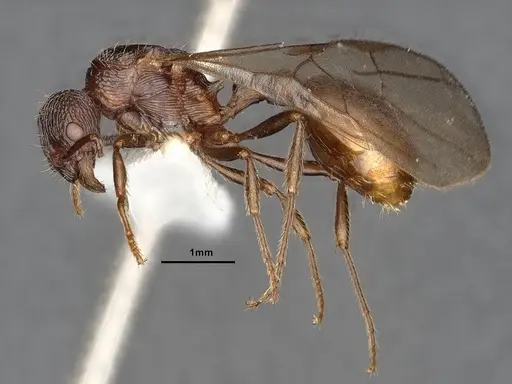
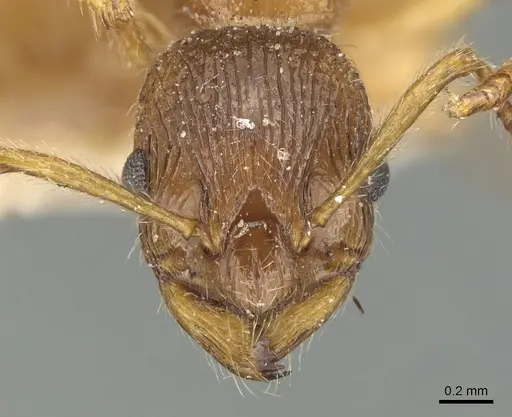
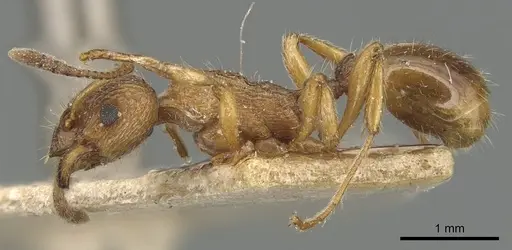
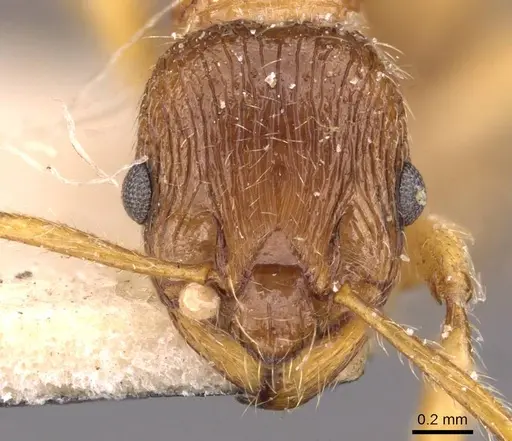
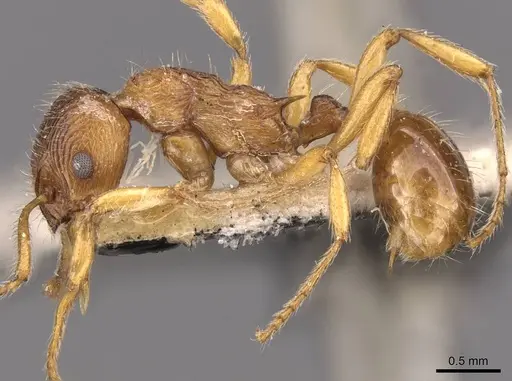
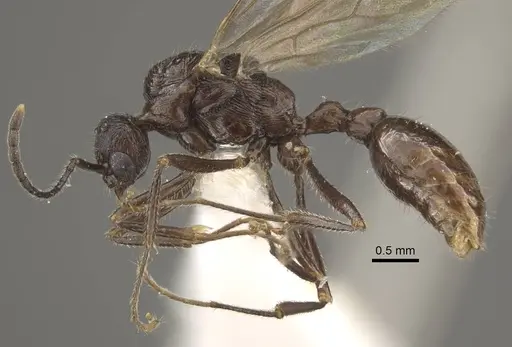
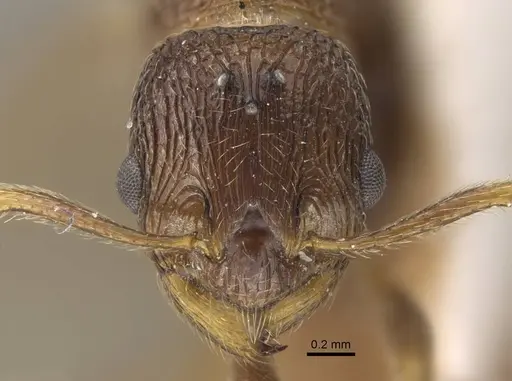
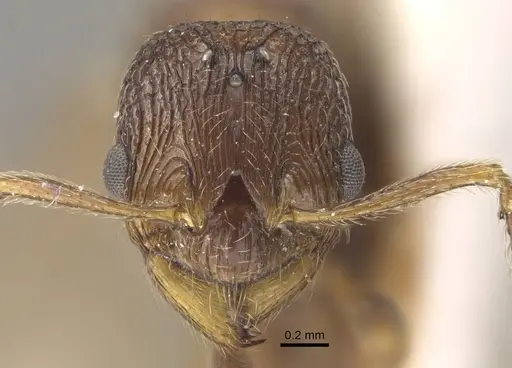
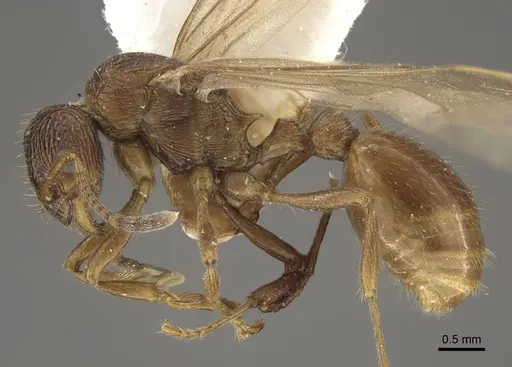
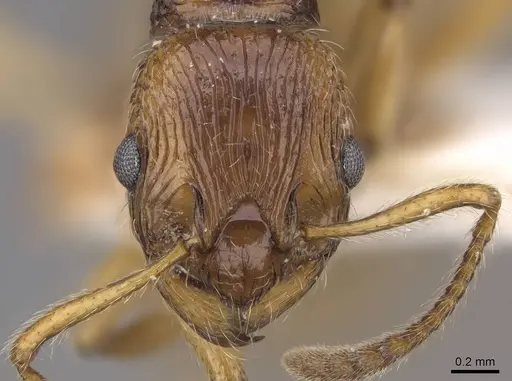
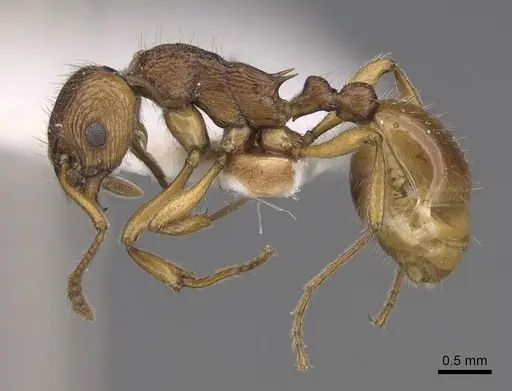
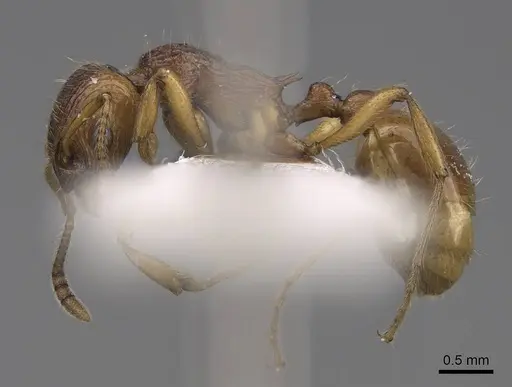
Myrmica fortior is a medium-sized Myrmica ant endemic to the Kashmir region of northern India. Workers are robust ants with long, angled spines protruding from the back of their thorax. They have a distinctly prominent and forward-pointing clypeus (the plate covering their mouth) and relatively long antennae. This species belongs to the tibetana species group and is closely related to Myrmica smythiesii, being approximately 5% larger in body size . What makes M. fortior particularly interesting is its restricted distribution - it's known only from Kashmir State, making it a true regional endemic. These ants inhabit high-altitude environments in the Himalayas between 1981-2700 meters elevation, where they nest under stones in grasslands, pine forests, and at the edges of spruce-fir groves. Their nesting sites show remarkable temperature adaptation, with nest temperatures averaging 33°C despite ambient air temperatures ranging only from 20-25°C .
Quick Summary
- Difficulty: Medium
- Origin & Habitat: Endemic to the Kashmir region of northern India (Jammu & Kashmir). Found at high altitudes between 1981-2700 meters in open pine woods, grasslands, rocky pastures, and at the edges of spruce-fir groves. Nests are typically located under stones and in soil [2][3].
- Colony Type: Colony structure is unconfirmed for this species.
- Size & Growth:
- Queen: Size data unavailable, inferred from Myrmica genus to be approximately 6-8mm
- Worker: Size data unavailable, inferred from Myrmica genus to be approximately 4-6mm
- Colony: Maximum colony size is unknown for this species
- Growth: Growth rate is unconfirmed for this species
- Development: Development time is unconfirmed for this species (Based on typical Myrmica genus patterns, development from egg to first worker likely takes 6-10 weeks at optimal temperature.)
- Antkeeping:
- Temperature: Keep nest area at 20-25°C with a gradient allowing warmer areas (up to 33°C) for brood development. Research shows wild colonies tolerate 20-25°C ambient with nest cores reaching 33°C. A heating cable on one side of the nest can create beneficial warmth [2].
- Humidity: Maintain moderate humidity. Wild nesting sites show 51-57% ambient humidity. Keep the nest substrate consistently moist but not waterlogged, with some drier areas available for the ants to choose [2].
- Diapause: Yes, as a Himalayan high-altitude species, these ants require a winter dormancy period. Provide 3-4 months of hibernation at 5-10°C during winter months.
- Nesting: Y-tong (AAC) nests or plaster nests work well. The species naturally nests under stones and in soil, so provide a setup with chambers scaled to their medium size. A naturalistic setup with a soil layer and flat stones can also work. Ensure the nest has some moisture-retention capacity.
- Behavior: Myrmica fortior is an opportunistic forager with typical Myrmica temperament, generally non-aggressive but will defend the nest if threatened. Workers are active foragers that will search for protein sources and sugar. They have a functional stinger but due to their small size, it rarely penetrates human skin. Escape risk is moderate, ensure standard barrier precautions are in place.
- Common Issues: High-altitude origin means they are adapted to cooler temperatures, avoid overheating above 28°C, As a poorly-studied endemic, colony establishment may be slower than common species, Winter hibernation is essential, colonies that don't receive proper dormancy may fail to thrive, Humidity management is important, too dry and brood desiccates, too wet and mold becomes a problem, Wild-caught colonies may have parasites specific to their Himalayan habitat that can be difficult to treat
Natural History and Distribution
Myrmica fortior is a truly regional endemic, known only from the Kashmir Valley in northern India. This restricted distribution makes it a prized species for antkeepers interested in less common Himalayan Myrmicinae. The species was originally described as a variety of Myrmica smythiesiii by Forel in 1904 and later raised to full species status by Radchenko and Elmes in 2001 [4].
These ants inhabit elevations between 1981-2700 meters above sea level, living in environments that experience significant seasonal temperature variation. They are commonly found nesting under stones in grasslands and pine forests, as well as at the edges of spruce-fir groves [2]. The altitudinal range reflects their adaptation to cooler, mountainous conditions [5].
Nest Preferences and Housing
In the wild, M. fortior nests under stones and in soil, taking advantage of the thermal mass that stones provide. This behavior suggests they prefer nests with some thermal stability. For captive care, Y-tong (AAC) nests or plaster nests work well, as they provide the darkness and humidity control these ants prefer.
The nesting sites studied showed ambient temperatures of 20-25°C with nest cores reaching 33°C, this suggests they benefit from a temperature gradient where they can move between cooler forager areas and warmer brood chambers. A heating cable placed on one side of the nest can create this gradient. Keep the nest substrate consistently moist but not saturated, as excessive moisture leads to mold problems.
Given their medium size, provide chambers appropriately scaled, not too cramped but not overly spacious either. A naturalistic setup with a soil layer and flat stones on top can also replicate their natural conditions well. [2]
Temperature and Seasonal Care
As a high-altitude Himalayan species, M. fortior has specific temperature requirements that differ from lowland ants. Research shows wild colonies experience ambient temperatures between 20-25°C at their nesting sites, with nest interiors reaching approximately 33°C [2]. This indicates they prefer cooler conditions than many common ant species but need warmer areas for brood development.
For captive care, maintain the nest area at 20-25°C with a slight temperature gradient reaching up to 33°C in brood areas. A heating cable on one side of the nest can help achieve these warmer areas. During summer months, room temperature is often sufficient, but watch for overheating, avoid temperatures above 28°C. In winter, these ants require a proper hibernation period of 3-4 months at 5-10°C, reflecting their adaptation to seasonal cold at high elevations.
Feeding and Diet
Like other Myrmica species, M. fortior is an opportunistic feeder that will accept both protein and sugar sources. Offer protein-rich foods such as small insects (fruit flies, small crickets, mealworms), and provide constant access to sugar water or honey. They are active foragers, so place food in the outworld where workers can easily discover it.
Based on their classification as an opportunist functional group in Himalayan ant communities, these ants are generalist feeders that exploit various food resources [6]. Feed protein 2-3 times per week and keep sugar water available at all times. Remove uneaten prey after 24-48 hours to prevent mold.
Colony Establishment and Growth
Since M. fortior is a poorly-studied species with limited documentation in captivity, colony establishment may take longer than with more common species. Founding behavior is unconfirmed for this species. Queens are estimated to be 6-8mm based on Myrmica genus patterns, and development time from egg to first worker is estimated at 6-10 weeks based on related Myrmica species.
Initial colony growth is typically slow, with the first generation (nanitics) being smaller than normal workers. Once established, colonies grow at a moderate rate. Maximum colony size is unknown for this species.
Identification and Closely Related Species
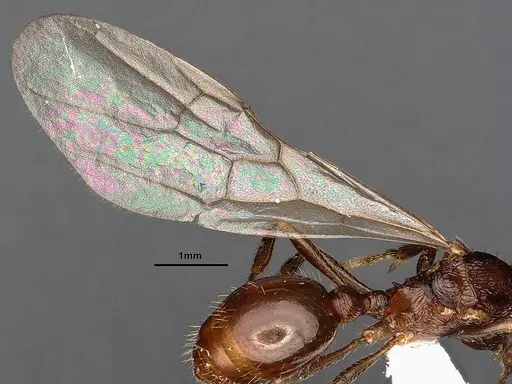
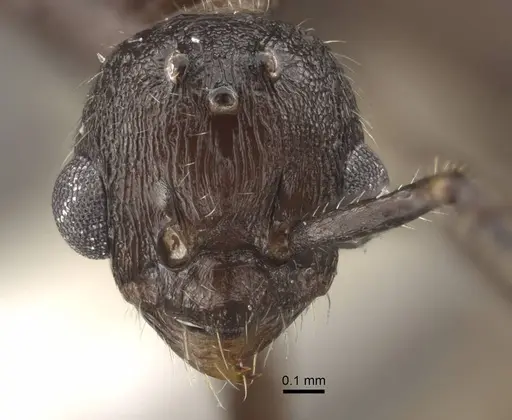
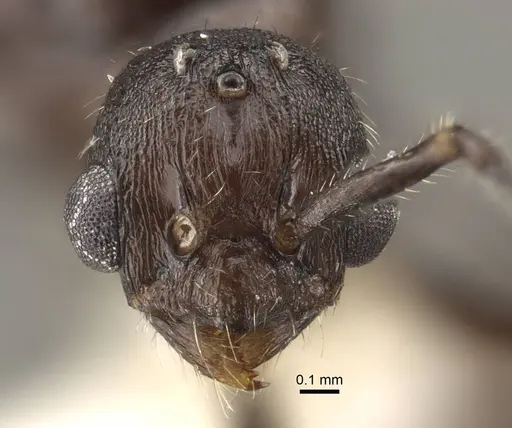
M. fortior belongs to the Myrmica tibetana species group, specifically the smythiesii complex. It is very closely related to Myrmica smythiesiii, differing by being approximately 5% larger and having minor differences in the shape and sculpture of the petiole and postpetiole (the two segments connecting the thorax and abdomen). Workers have distinctly more prominent and anteriorly pointed clypeus compared to rubra-group species, and despite having quite long antennae, the male scape is relatively shorter [1].
The species name fortior comes from Latin meaning stronger, referring to its more robust build compared to its close relative M. smythiesii. This identification information is primarily relevant for those who wish to accurately identify their colonies or distinguish them from similar-looking Myrmica species that might be accidentally collected.
Frequently Asked Questions
Is Myrmica fortior a good species for beginners?
Myrmica fortior is rated as medium difficulty and is not ideal for complete beginners. As a high-altitude Himalayan species with specific temperature and hibernation requirements, it requires more attention to seasonal care than common temperate ants. However, antkeepers with some experience with Myrmica or other medium-sized ants should find it manageable.
What temperature should I keep Myrmica fortior at?
Keep the nest area at 20-25°C with a slight gradient reaching up to 33°C in brood areas. Research shows wild colonies experience 20-25°C ambient with nest cores reaching 33°C. A heating cable on one side of the nest can help achieve these warmer brood areas. Avoid temperatures above 28°C.
Does Myrmica fortior need hibernation?
Yes, as a Himalayan high-altitude species, they require a winter dormancy period. Provide 3-4 months of hibernation at 5-10°C during winter months. This is essential for colony health and reproductive success.
How long does it take for Myrmica fortior to produce first workers?
Development time is unconfirmed for this specific species. Based on typical Myrmica genus patterns, development from egg to first worker likely takes 6-10 weeks at optimal temperature (around 20-25°C). Initial colony growth is slow, with nanitics (first workers) being smaller than normal workers.
What do Myrmica fortior ants eat?
They are opportunistic feeders that accept both protein and sugar sources. Offer small insects (fruit flies, small crickets, mealworms) as protein 2-3 times per week, and keep sugar water or honey available at all times.
How big do Myrmica fortior colonies get?
Maximum colony size is unknown for this specific species.
Can I keep multiple Myrmica fortior queens together?
Colony structure is unconfirmed for this species. Based on typical Myrmica genus patterns, they likely form single-queen colonies. Combining unrelated queens is not recommended as it has not been documented for this species.
Where is Myrmica fortior naturally found?
Myrmica fortior is endemic to the Kashmir region of northern India (Jammu & Kashmir State). It is found at high altitudes between 1981-2700 meters in the Himalayas, making it a truly regional endemic [3][2].
Do Myrmica fortior ants sting?
Myrmica species have stingers, but due to their small size, the sting rarely penetrates human skin. Most keepers report minimal irritation if stung. They are not particularly aggressive but will defend the nest if threatened.
When should I move Myrmica fortior to a formicarium?
Keep newly caught or purchased colonies in a test tube setup for the founding stage. Once the colony reaches 20-30 workers and the test tube's water reservoir is depleted, you can move them to a formicarium. For M. fortior, a Y-tong or plaster nest works well.
Report an Issue
The current care sheet is based fully on literature. See inconsistencies, or something that's incorrect? Please , it will be resolved after review from an admin. Contributing to the blogs tab also helps providing information, to make us be able to further improve the caresheets. Thank you for your support!
References

This caresheet is licensed under CC BY-SA 4.0 .
Community Blogs
CASENT0280834
View on AntWeb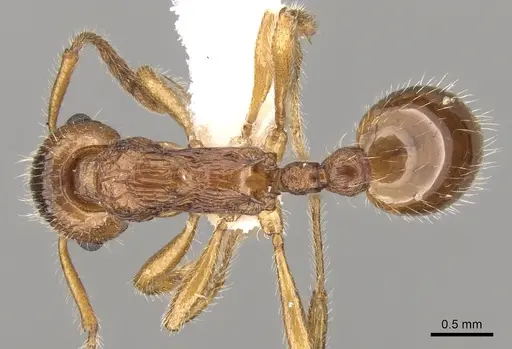
CASENT0884252
View on AntWeb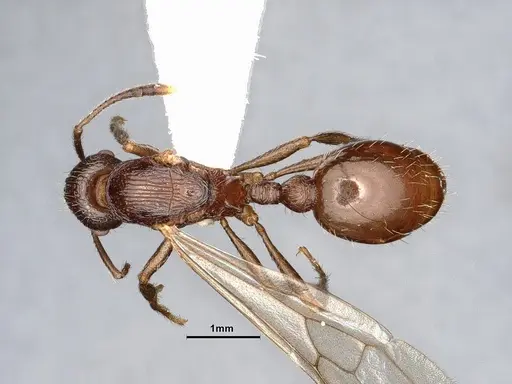
CASENT0904090
View on AntWeb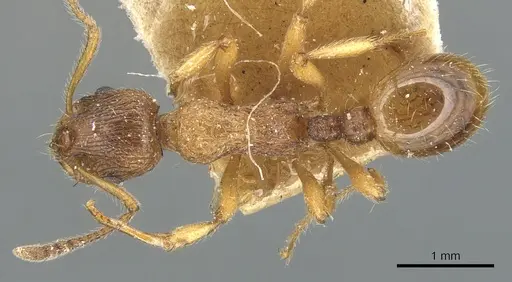
CASENT0907658
View on AntWeb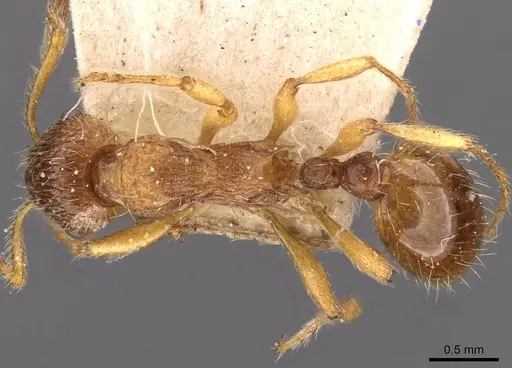
CASENT0917710
View on AntWeb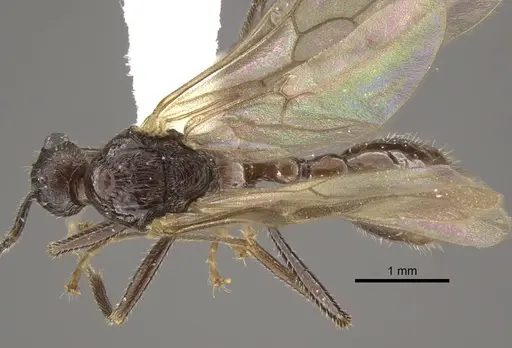
CASENT0917711
View on AntWeb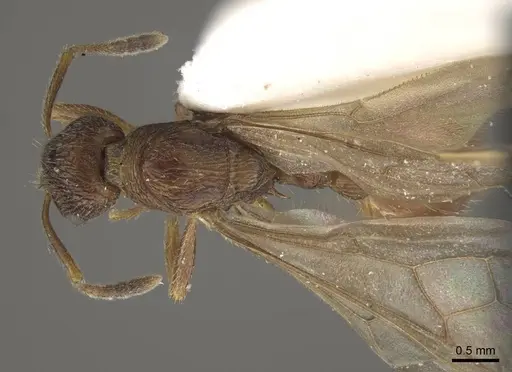
CASENT0922788
View on AntWeb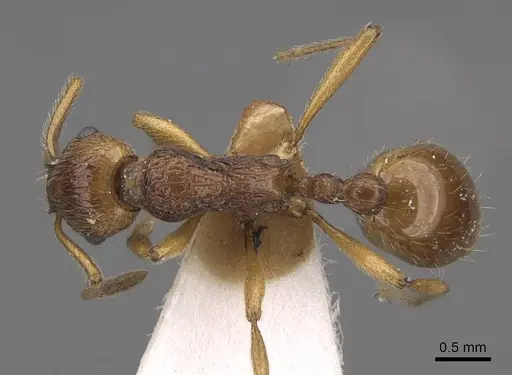
Literature
Loading distribution map...Loading products...