
Myrmica ferganensis
- Sci. Name
- Myrmica ferganensis
- Tribe
- Myrmicini
- Subfamily
- Myrmicinae
- Author
- Finzi, 1926
- Distribution
- Found in 0 countries
Introduction
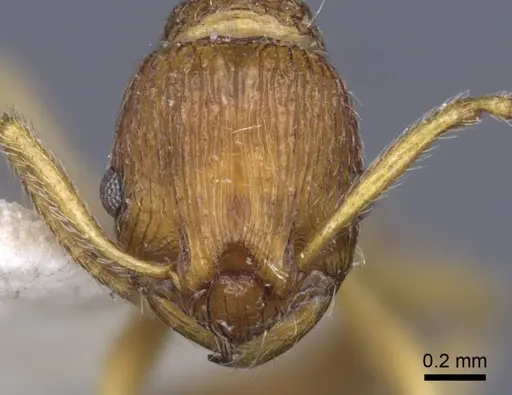
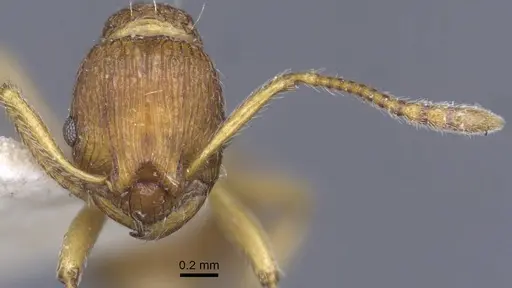
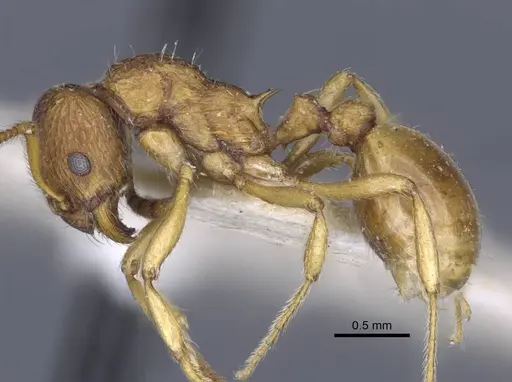
Myrmica ferganensis is a small reddish-brown ant belonging to the dshungarica group of the Myrmica rubra species complex. Workers measure approximately 4-6mm in total length and have the characteristic heart-shaped head and two-segmented waist (petiole and postpetiole) typical of Myrmica ants. This species is distinguished from similar ants by the weakly developed or often absent striations around the antennal sockets . It originates from the high mountain regions of Central Asia, specifically the Tien-Shan, Alai, and Pamir mountains of Kyrgyzstan, where it lives at altitudes over 2000 meters. These ants build nests in soil, often nesting under stones along river banks and in mountain meadows . This is a poorly studied species in the wild.
Quick Summary
- Difficulty: Medium
- Origin & Habitat: Native to the Tien-Shan, Alai, and Pamir mountains in Kyrgyzstan (Palaearctic region). In the wild, these ants live in mountain meadows and along river banks at elevations over 2000 meters, nesting in soil often under stones [1].
- Colony Type: Colony structure is unconfirmed. Based on typical Myrmica patterns for the dshungarica group, colonies likely have a single queen.
- Size & Growth:
- Queen: Approximately 6-8mm, inferred from related Myrmica species in the rubra group
- Worker: Approximately 4-6mm [1]
- Colony: Colony size data unavailable for this species, inferred from related Myrmica species to reach several thousand workers at maturity
- Growth: Moderate, typical for temperate Myrmica ants
- Development: Development time is unconfirmed for this species. Based on related Myrmica species, expect 6-10 weeks at optimal temperature (Development time depends on temperature, cooler conditions slow growth significantly)
- Antkeeping:
- Temperature: Keep nest area at 18-22°C. These are mountain ants from a cool climate, so avoid overheating. A heating cable on one side can create a gentle gradient if room temperature is below 18°C.
- Humidity: Moderate to high humidity. Keep the nest substrate consistently moist but not waterlogged. Mist occasionally and provide a water tube, but allow some drying time between waterings.
- Diapause: Yes, Myrmica ants from temperate mountain regions require a winter dormancy period. Reduce temperature to 5-10°C for 3-4 months (typically October-March in the Northern Hemisphere).
- Nesting: Soil-based nests work best. A test tube setup with a dirt chamber or a Y-tong/plaster nest with moist substrate suits them well. They prefer nesting under cover (stones in the wild), so provide dark nesting areas [1].
- Behavior: Myrmica ferganensis has a typical Myrmica temperament, moderately aggressive when defending the nest, but not particularly territorial. Workers are active foragers, both on the ground and climbing. They have a functional stinger and can deliver a painful sting if handled roughly or when the nest is disturbed. Escape risk is moderate, these are not tiny ants, but they are small enough to squeeze through small gaps if not properly contained. They are day-active and will explore the outworld regularly.
- Common Issues: hibernation failure, colonies often die if not given proper cold period or if kept too wet during dormancy, overheating, being mountain ants, they suffer in warm conditions above 25°C, colonies can stall if fed too much protein before they have enough workers to consume it, test tube flooding if water reservoir is too large or tilted, escape through small gaps, check for tight-fitting lids and barrier use
Housing and Nest Setup
Myrmica ferganensis does well in standard ant-keeping setups. For founding colonies, a test tube setup works perfectly, fill a test tube one-third with water, plug with cotton, and wrap the tube in dark material to simulate the dark underground conditions they prefer. Once the colony reaches 20-30 workers, you can move them to a formicarium. A Y-tong nest with a dirt chamber or a plaster nest with moist substrate both work well. These ants naturally nest under stones in soil, so they appreciate having the nest material (dirt or sand-clay mix) they can dig into and rearrange. The outworld should be simple, a plastic box or acrylic arena where you can offer food. Always use a barrier like fluon around the edges to prevent escapes. [1]
Feeding Your Colony
Myrmica ferganensis is an omnivorous ant that accepts a varied diet. In captivity, they do well on sugar water or honey as an energy source, offer this constantly in a sugar feeder. For protein, they accept most small insects: fruit flies, small crickets, mealworms, and other feeder insects. Feed protein 2-3 times per week, adjusting based on colony size. A good rule is to offer prey that the workers can subdue, these ants are not large enough to take down big insects. Remove any uneaten prey after 24-48 hours to prevent mold. In the wild, they likely forage for small invertebrates and tend aphids for honeydew, so replicating this varied diet in captivity supports healthy growth. [1]
Temperature and Seasonal Care
These are mountain ants from a cool climate, so temperature management is important. Keep the nest area at 18-22°C, this is cooler than many ant species prefer. Room temperature in most homes falls within this range, which is convenient. Avoid placing the nest in direct sunlight or near heat sources that would push temperatures above 25°C. During the active season (spring through fall), they can tolerate brief temperature fluctuations. However, you must provide a proper winter dormancy period. In late autumn, move the colony to a cool location (5-10°C) like an unheated garage or basement. Keep them there for 3-4 months with minimal disturbance. The colony will cluster together and slow down significantly. Do not feed them during hibernation. This cold period is essential for their health and triggers reproductive behavior in the spring. [1]
Behavior and Handling
Myrmica ferganensis workers are active and curious, regularly exploring the outworld in search of food. They are moderately aggressive when defending their nest, if you disturb them, you will see them raise their abdomens and potentially sting. The sting is noticeable and can be painful, though not dangerous to healthy humans. They do not have major escape issues compared to very small ants, but they can still squeeze through small gaps, so check your setup regularly. Workers communicate using chemical signals and will recruit nestmates to food discoveries through tandem running (one worker leads another to the food source). [1]
Colony Development
Colony development for this species is inferred from related Myrmica species. A newly mated queen will seal herself into a small chamber and lay eggs without leaving to forage, this is typical claustral founding behavior. She relies on her stored fat reserves to survive and feed the first brood. The first workers (called nanitics) are often smaller than normal workers but will immediately begin caring for the next brood and foraging for food. Growth is moderate, you can expect the first workers within 6-10 weeks under optimal conditions (around 20°C). After that, the colony grows steadily as long as you maintain proper temperature, humidity, and feeding. A mature colony may reach several thousand workers over several years. Myrmica colonies are long-lived, queens can live 10-15 years or more with proper care. [1]
Frequently Asked Questions
How long does it take for Myrmica ferganensis to have first workers?
Based on related Myrmica species, expect first workers (nanitics) to emerge 6-10 weeks after the queen lays eggs, assuming temperatures around 20°C. Cooler temperatures will slow development significantly.
Do Myrmica ferganensis ants sting?
Yes, they can sting. The sting is noticeable and can be painful, though not dangerous to healthy humans. They are not overly aggressive but will defend their nest if threatened.
What temperature do Myrmica ferganensis need?
Keep them at 18-22°C. These are mountain ants from a cool climate and do not tolerate heat well. Room temperature is usually ideal.
Do Myrmica ferganensis need hibernation?
Yes, they require a winter dormancy period. Reduce temperatures to 5-10°C for 3-4 months during winter (typically October-March). This is essential for their health.
Can I keep multiple Myrmica ferganensis queens together?
Colony structure is unconfirmed for this species. Combining unrelated queens is not recommended as they will likely fight.
What do Myrmica ferganensis eat?
They are omnivorous. Offer sugar water or honey constantly for energy, and protein (small insects like fruit flies, mealworms) 2-3 times per week.
Are Myrmica ferganensis good for beginners?
They are moderate difficulty. They are harder than some beginner species because they require hibernation and specific temperature control, but they are not among the most difficult ants to keep.
When should I move Myrmica ferganensis to a formicarium?
Move them once the colony reaches 20-30 workers. Before that, a test tube setup works fine for the founding colony.
How big do Myrmica ferganensis colonies get?
Colony size data is unavailable for this specific species. Based on related Myrmica species, colonies likely reach several thousand workers at maturity over several years.
Why is my Myrmica ferganensis colony dying?
Common causes include: improper hibernation (too warm or too wet), overheating (temperatures above 25°C), mold from overwatering, or insufficient food. Check your temperature, humidity, and feeding schedule.
Report an Issue
The current care sheet is based fully on literature. See inconsistencies, or something that's incorrect? Please , it will be resolved after review from an admin. Contributing to the blogs tab also helps providing information, to make us be able to further improve the caresheets. Thank you for your support!
References

This caresheet is licensed under CC BY-SA 4.0 .
Community Blogs
CASENT0916900
View on AntWeb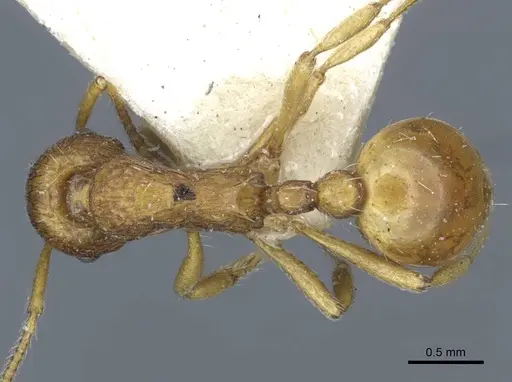
Literature
Loading distribution map...Loading products...