
Myrmica discontinua
- Sci. Name
- Myrmica discontinua
- Tribe
- Myrmicini
- Subfamily
- Myrmicinae
- Author
- Weber, 1939
- Distribution
- Found in 2 countries
Introduction
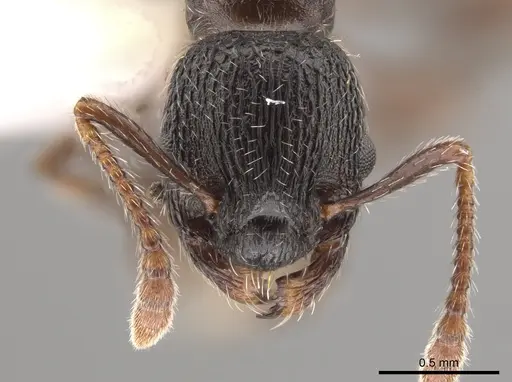
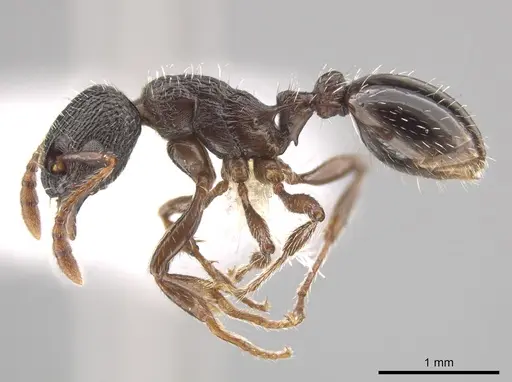
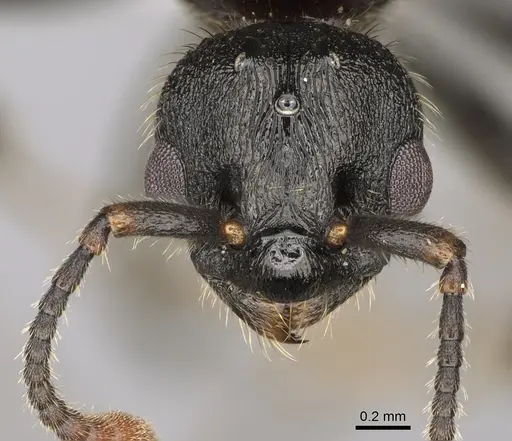
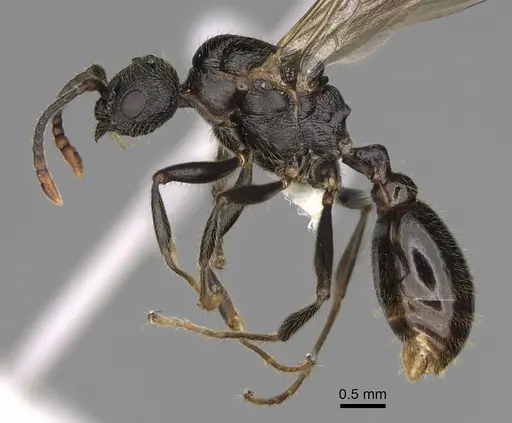
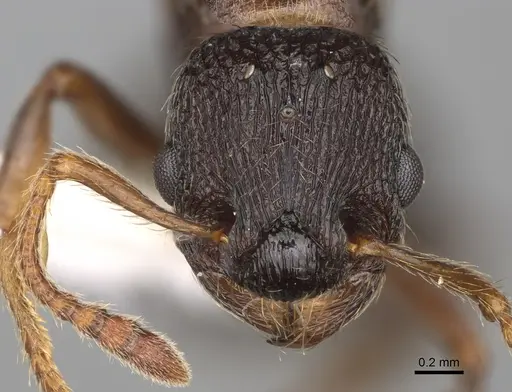
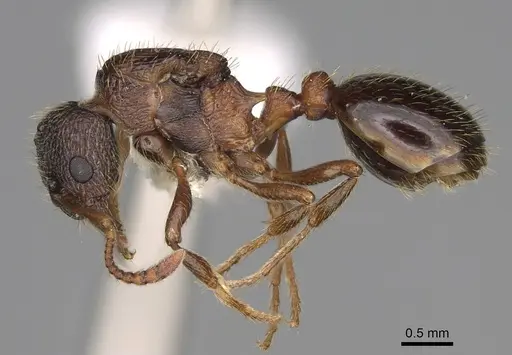
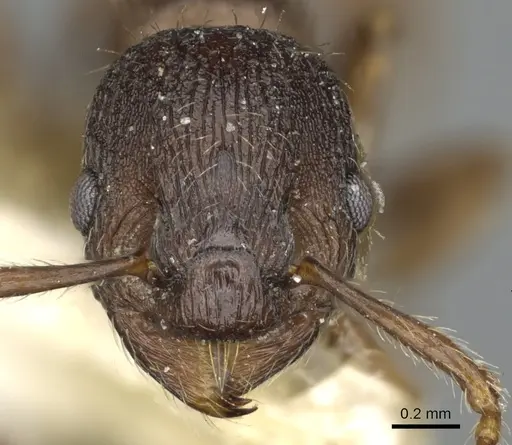
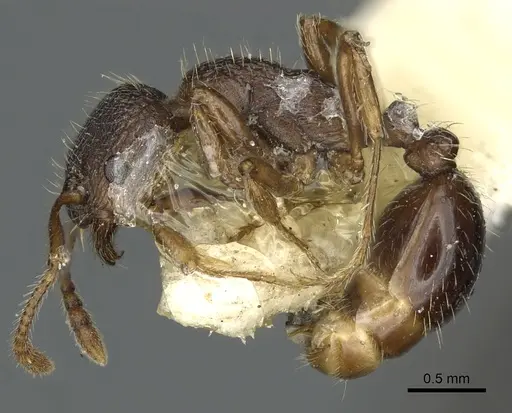
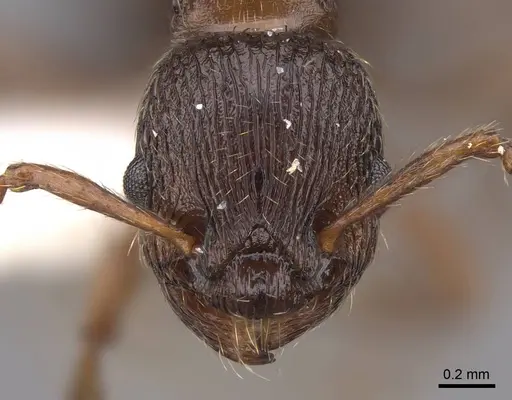
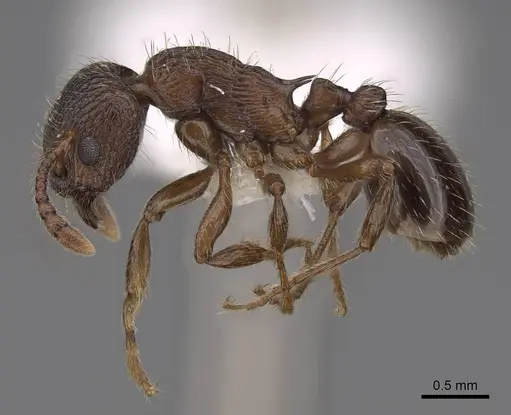
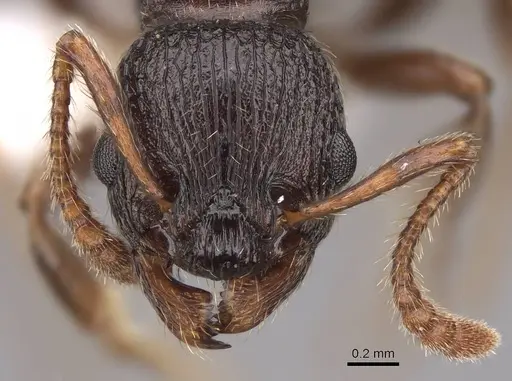
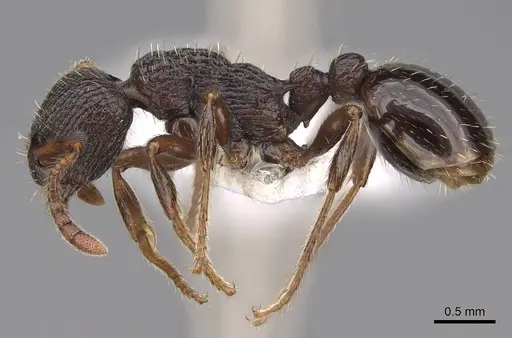
Myrmica discontinua is a small to medium-sized ant native to western and northern North America. Workers have a reddish-brown to dark brown coloration typical of the genus. The species was originally described as a subspecies of Myrmica brevinodis in 1939 and raised to full species status in 1976 . This ant belongs to the hamulata species group, characterized by distinctive scape morphology with an evenly bent, lobeless scape featuring a longitudinal ridge . In the wild, colonies have been documented in western states including Utah, Wyoming, Colorado, and northern regions from North Dakota to Nova Scotia . The species inhabits temperate forest habitats and typically nests in soil or under stones.
Quick Summary
- Difficulty: Medium
- Origin & Habitat: Western and northern North America, from Utah and Washington east to Nova Scotia. Found in temperate forest habitats, typically nesting in soil or under stones in cooler, shaded areas [1][3].
- Colony Type: Single-queen colonies typical of most Myrmica species, colony type is inferred from genus patterns since species-specific data is unavailable.
- Size & Growth:
- Queen: ~5-7mm, inferred from Myrmica genus [4]
- Worker: ~4-6mm, inferred from Myrmica genus [4]
- Colony: Colony size data unavailable for this species
- Growth: Moderate
- Development: 6-10 weeks at optimal temperature (20-24°C) based on genus-level Myrmica development data [4] (Development time varies with temperature, cooler conditions slow development significantly)
- Antkeeping:
- Temperature: Keep nest area at 20-24°C with a slight gradient. This is a temperate species that prefers cooler conditions than tropical ants, avoid overheating above 28°C [4].
- Humidity: Moderate humidity of 50-70%. Keep nest substrate moist but not waterlogged. Myrmica species do well with a water tube attached to their test tube setup [4].
- Diapause: Yes, this temperate species requires a winter dormancy period. Reduce temperature to 5-10°C for 3-4 months during winter, typically from late October through February in the Northern Hemisphere [4].
- Nesting: Test tube setups work well for founding colonies. For established colonies, Y-tong nests or plaster nests with narrow chambers suit their preference for tight, enclosed spaces. They do well in naturalistic setups with soil and stones [4].
- Behavior: Myrmica discontinua workers are active foragers that search for protein sources and honeydew. They are not particularly aggressive but will sting if threatened, their sting is mild compared to some tropical species. Workers are moderate climbers but can escape if given the opportunity. They are diurnal and actively forage during daylight hours. This species shows typical Myrmica colony structure with a single queen and gradual colony growth through the founding phase.
- Common Issues: temperate species requires proper hibernation, skipping diapause can weaken or kill colonies over time, small colony sizes mean slow growth that can frustrate beginners who overfeed or disturb the nest, escape prevention is important, workers can squeeze through small gaps in equipment, test tube flooding can drown founding queens, use appropriate water reservoir size, wild-caught colonies may carry parasites that can devastate captive colonies
Nest Preferences and Housing
Myrmica discontinua does well in test tube setups for colony founding. The queen seals herself into a small chamber and raises her first workers (nanitics) without leaving the nest. For established colonies with 50+ workers, consider transitioning to a Y-tong nest or a plaster nest with multiple connected chambers. These ants prefer tight, enclosed spaces rather than open areas. A naturalistic setup with a soil layer and flat stones on top works well for observing natural behaviors. Always ensure the nest has a water source, a test tube with cotton and water works for founding colonies, while plaster nests need a water reservoir chamber. [4]
Feeding and Diet
Myrmica discontinua is omnivorous like most Myrmica species. Offer protein sources such as small insects (fruit flies, small crickets, mealworms), and provide sugar water or honey as an energy source. In the wild, they forage for honeydew from aphids and small arthropods. Feed protein 2-3 times per week for growing colonies, and keep a constant sugar water supply. Remove uneaten prey after 24-48 hours to prevent mold. Workers will store food in their social stomachs and share with nestmates and the queen. [4]
Temperature and Seasonal Care
This temperate species prefers cooler conditions than many ant species. Keep the nest area at 20-24°C during the active season. Avoid temperatures above 28°C, as this can stress the colony. During winter, you must provide a diapause (hibernation) period of 3-4 months at temperatures between 5-10°C. This can be achieved by moving the colony to an unheated garage, basement, or refrigerator (not freezer). Reduce feeding during hibernation and keep the substrate slightly moist but not wet. Failure to provide proper hibernation will weaken the colony and may cause queen death over time. [4]
Behavior and Colony Dynamics
Myrmica discontinua colonies grow gradually through the founding stage. The queen lays eggs after mating (nuptial flight), seals herself in a chamber, and raises the first workers alone on stored fat reserves. Once the first workers emerge (nanitics), they take over foraging while the queen focuses on egg-laying. Colonies are single-queen and can reach several thousand workers over several years. Workers are moderately aggressive in defending the nest and will deliver a mild sting if threatened. The species is diurnal, with peak foraging activity during daylight hours. [4]
Frequently Asked Questions
How long does it take for Myrmica discontinua to produce first workers?
From egg to first worker typically takes 6-10 weeks at optimal temperatures around 20-24°C. The first workers (nanitics) are usually smaller than normal workers and emerge within 6-8 weeks after the queen lays eggs.
Do Myrmica discontinua ants sting?
Yes, they can sting. However, their sting is mild compared to many tropical ant species. Most keepers experience only minor irritation similar to a mosquito bite.
Do Myrmica discontinua need hibernation?
Yes, this temperate species absolutely requires a winter dormancy period. Keep them at 5-10°C for 3-4 months during winter (typically late October through February). Skipping hibernation will weaken the colony and can lead to queen death.
Can I keep multiple Myrmica discontinua queens together?
No, this is a single-queen species. Unlike some Myrmica that can form multi-queen colonies, M. discontinua colonies should only have one queen. Multiple queens will fight until only one remains.
What is the best nest type for Myrmica discontinua?
Test tubes work best for founding colonies. For established colonies (50+ workers), Y-tong nests or plaster nests with narrow chambers work well. They prefer tight, enclosed spaces over open areas.
How often should I feed Myrmica discontinua?
Feed protein (small insects) 2-3 times per week for active colonies. Keep sugar water or honey available constantly. Remove uneaten prey after 24-48 hours to prevent mold.
How big do Myrmica discontinua colonies get?
Colony size data is unavailable for this species. Based on typical Myrmica patterns, expect 2-3 years to reach several hundred workers under good conditions.
Are Myrmica discontinua good for beginners?
They are intermediate difficulty. The main challenge is providing proper hibernation each winter. If you can manage the diapause requirement, they are rewarding ants to keep.
What temperature range is best for Myrmica discontinua?
Keep nest temperatures between 20-24°C during the active season. Never exceed 28°C. During hibernation, provide 5-10°C for 3-4 months.
When should I move Myrmica discontinua from a test tube to a formicarium?
Move to a larger nest when the colony reaches 50-100 workers or when the test tube becomes crowded. Make sure the new setup has proper humidity control and escape prevention.
Report an Issue
The current care sheet is based fully on literature. See inconsistencies, or something that's incorrect? Please , it will be resolved after review from an admin. Contributing to the blogs tab also helps providing information, to make us be able to further improve the caresheets. Thank you for your support!
References

This caresheet is licensed under CC BY-SA 4.0 .
Community Blogs
CASENT0000493
View on AntWeb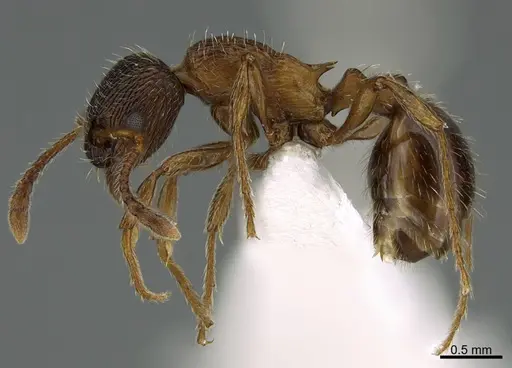
CASENT0005701
View on AntWeb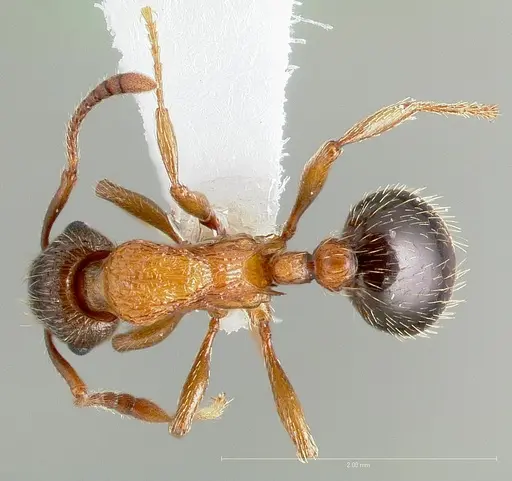
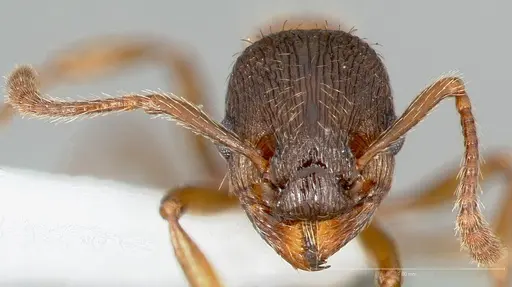
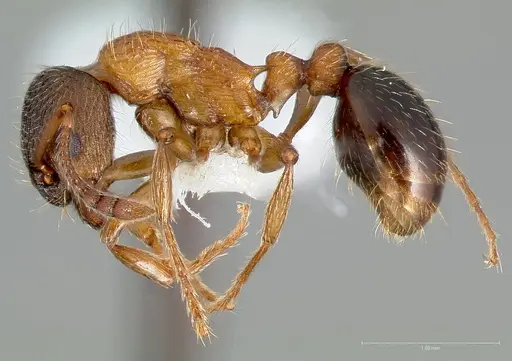
CASENT0647777
View on AntWeb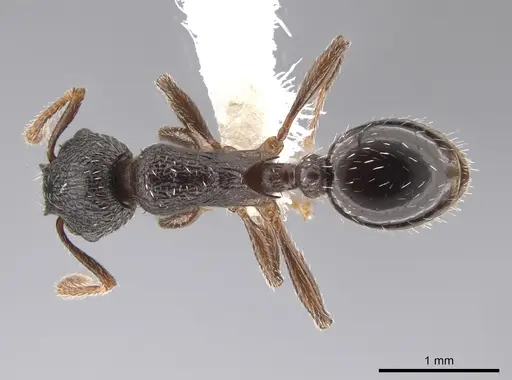
CASENT0842316
View on AntWeb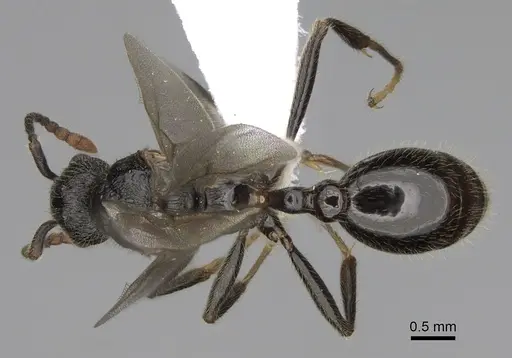
CASENT0862443
View on AntWeb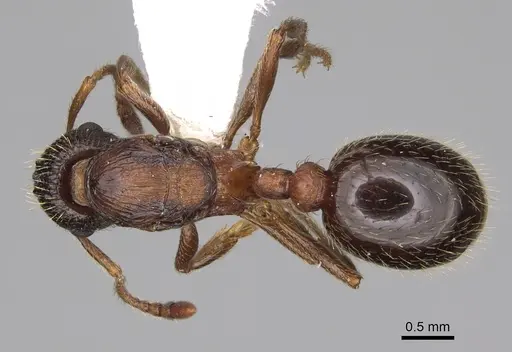
CASENT0900344
View on AntWeb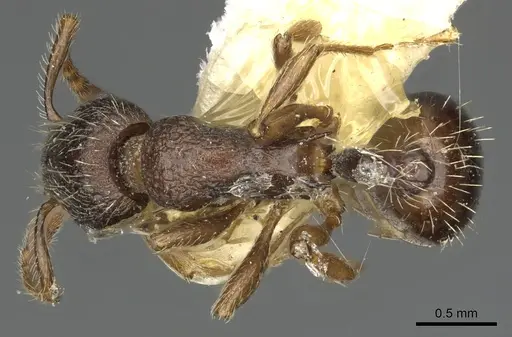
CASENT0922749
View on AntWeb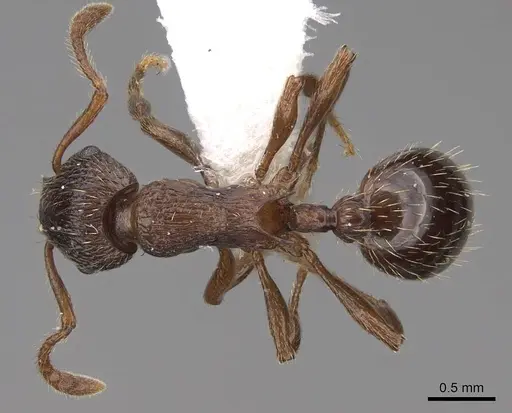
CASENT0922750
View on AntWeb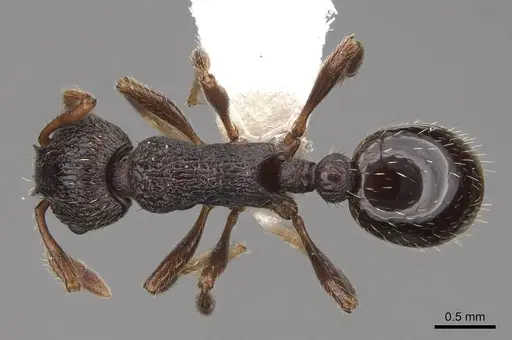
Literature
Loading distribution map...Loading products...