
Eroded Ant
Myrmica detritinodis
- Sci. Name
- Myrmica detritinodis
- Tribe
- Myrmicini
- Subfamily
- Myrmicinae
- Author
- Emery, 1921
- Common Name
- Eroded Ant
- Distribution
- Found in 2 countries
Introduction
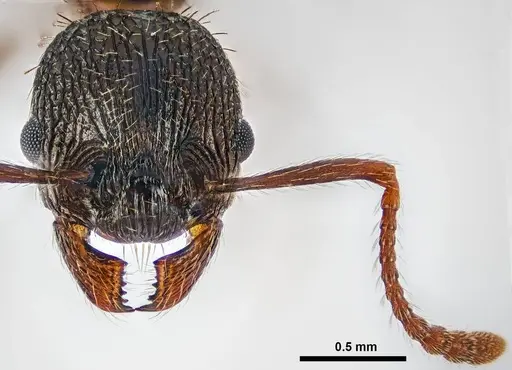
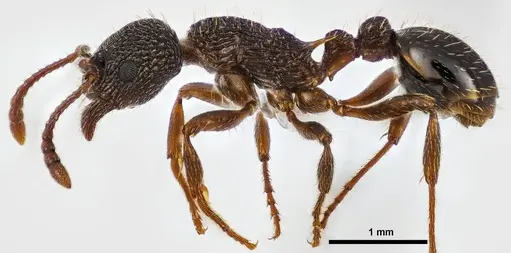
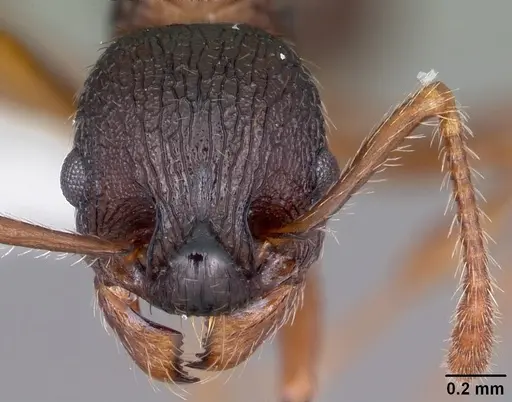
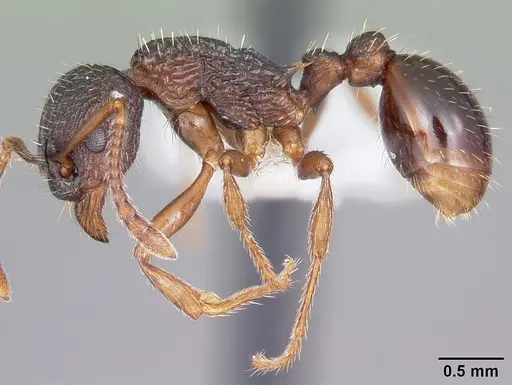
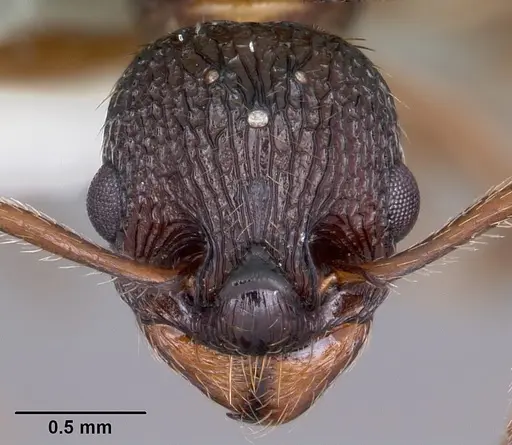
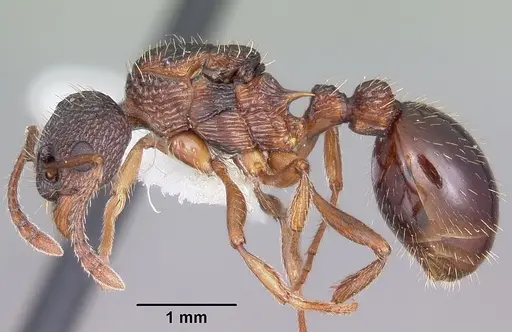
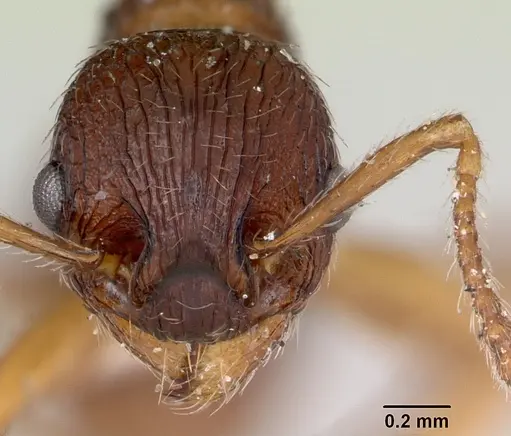
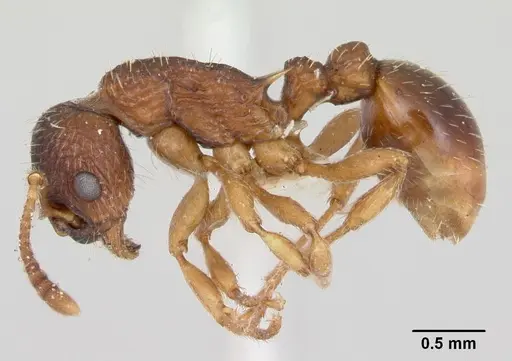
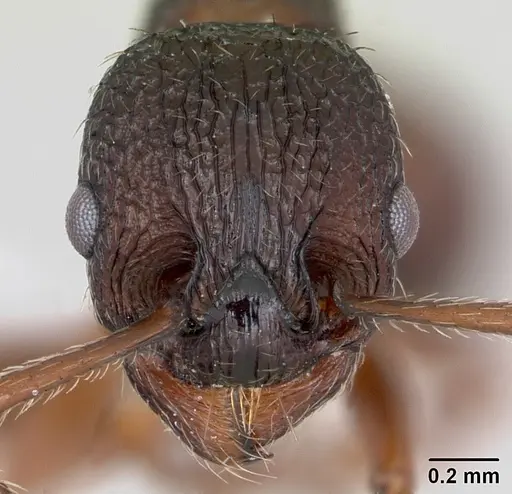
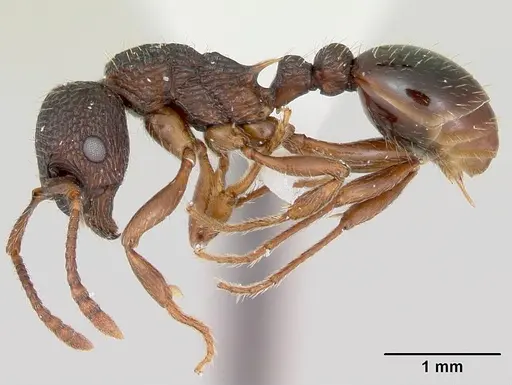
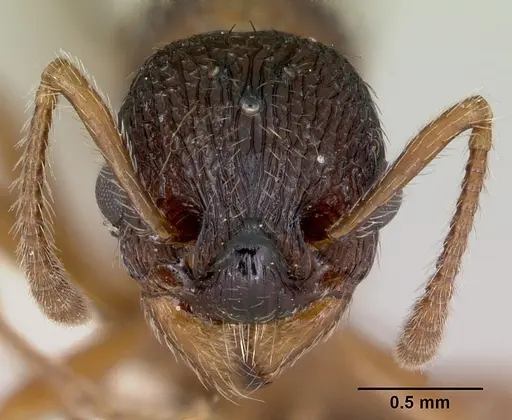
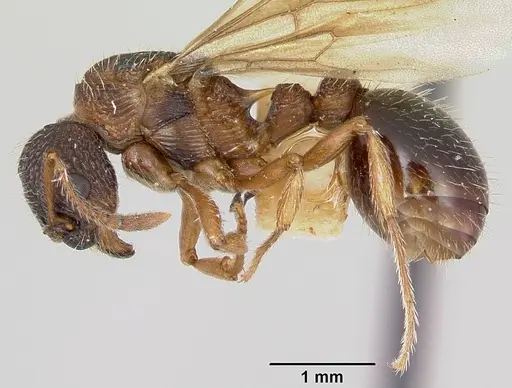
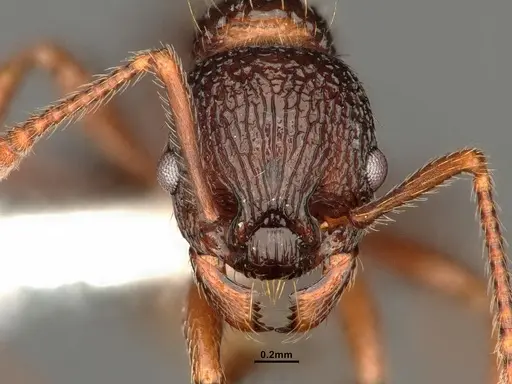
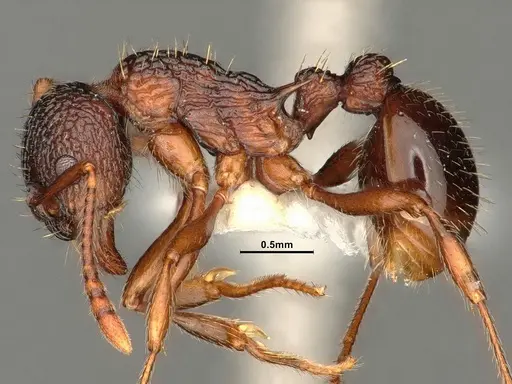
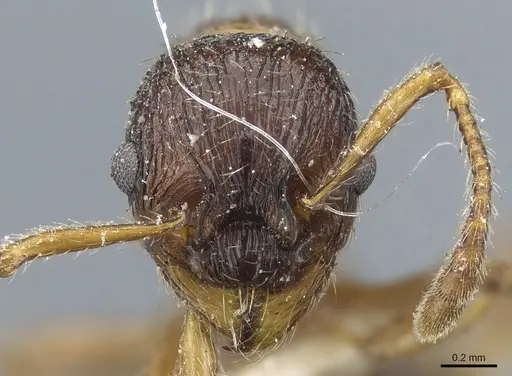
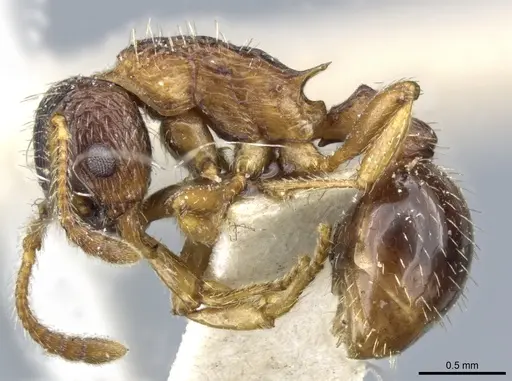
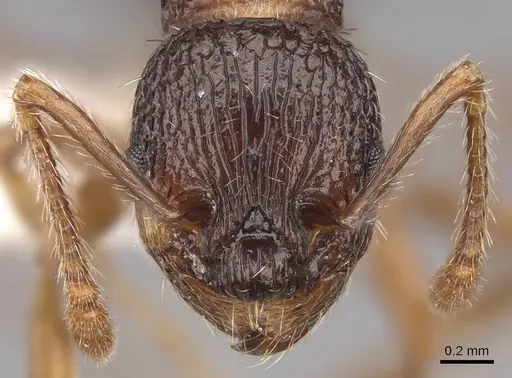
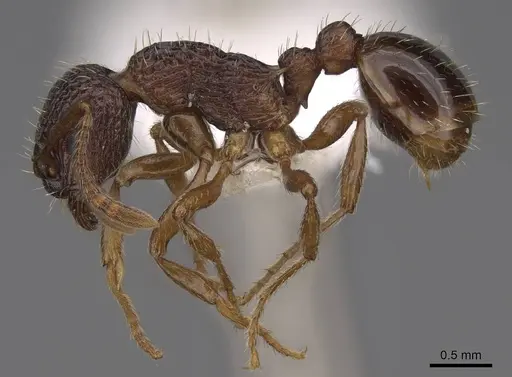
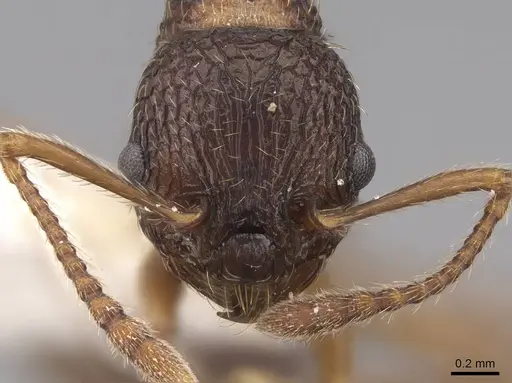
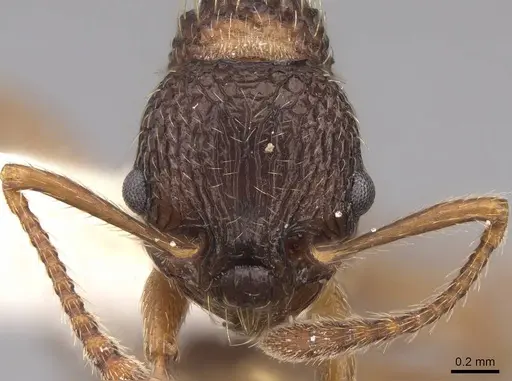
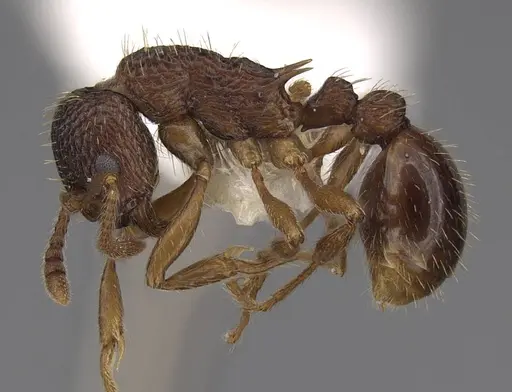
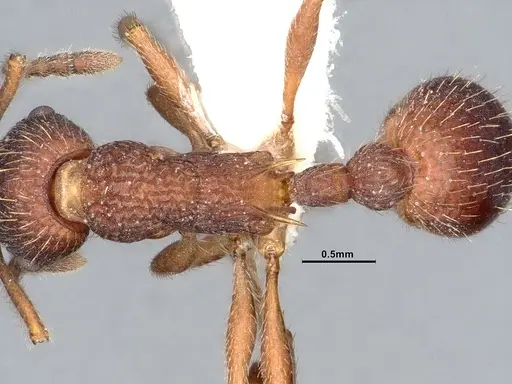
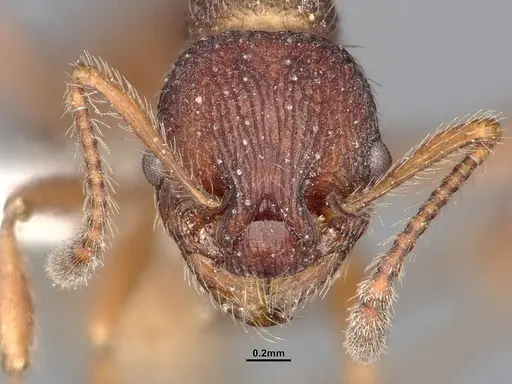
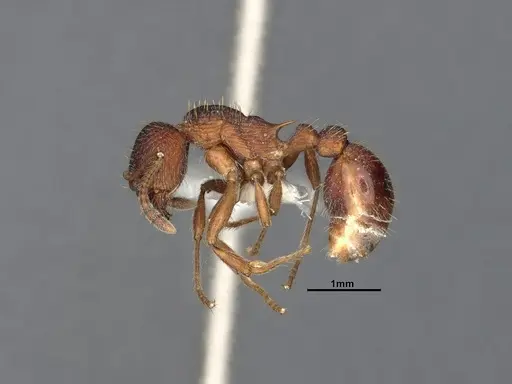
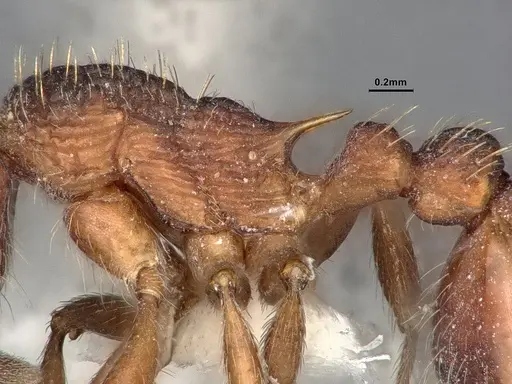
Myrmica detritinodis is a species of ant native to eastern North America, found in Canada and the northeastern United States . Workers are reddish-brown with a distinctive angular bend to their antennae . Size data is unavailable for this species. It is a forest specialist, commonly found in dense, moist woodlands, swamp edges, and rocky outcrops . Nests are typically in rotting conifer logs, under rocks, in moss, or soil . This species is one of the most abundant ants in some Maine forests and codominates with other ants . It is a natural habitat specialist, with over 90% of observations in natural habitats .
Quick Summary
- Difficulty: Medium
- Origin & Habitat: Eastern North America, found throughout Maine, northern Indiana, southwestern Michigan, Wisconsin, Rhode Island, and Canadian provinces including Alberta and Saskatchewan. Inhabits dense, moist deciduous and coniferous forests, swamp edges, rocky outcrops, and clearcut areas. Nests in rotting conifer logs and stumps, under rocks, in moss, and soil [1][4][2].
- Colony Type: Unconfirmed, queen number not specified in research.
- Size & Growth:
- Queen: Size data unavailable
- Worker: Size data unavailable
- Colony: Colony size data unavailable
- Growth: Moderate, inferred from Myrmica genus patterns
- Development: Unknown, no specific data available (Development timeline not documented in research)
- Antkeeping:
- Temperature: Maintain temperatures between 20-24°C, as this species is from temperate forests.
- Humidity: Keep nest substrate consistently moist but not waterlogged, based on natural moist habitat [1][4].
- Diapause: Yes, requires winter diapause of 3-4 months at 5-10°C, inferred from northern distribution and genus patterns [4].
- Nesting: Prefers naturalistic setups with moist substrate, rotting wood, or moss. Y-tong nests with moist plaster or soil work well [1][4].
- Behavior: Generally non-aggressive but will sting if threatened. Workers are active foragers. Escape risk is moderate due to small size.
- Common Issues: high humidity maintenance is critical, drying out causes colony failure [1], hibernation is required for long-term health, skipping winter rest often leads to colony decline [4], wild-caught colonies may have parasites that can devastate captive colonies, colonies grow slowly during first year, beginners may lose patience, nesting preferences are specific, they need rotting wood or equivalent moist substrate
Natural History and Distribution
Myrmica detritinodis is native to the Nearctic region, found throughout eastern Canada and the northeastern United States [1][2]. It is a forest-dependent species and a natural habitat specialist, with over 90% of observations occurring in natural habitats [5]. It thrives in dense, moist woods, particularly where forests contact wetlands or swamp areas [4]. The species is ecologically dominant in boreal and northern temperate forests, often being one of the most abundant ant species in forested habitats [1][6].
Nesting Preferences and Habitat
In the wild, Myrmica detritinodis nests in a variety of moist, sheltered locations. They commonly nest within rotting conifer logs and stumps, under rocks in forested areas, in soil under moss, and in the root zones of bunch-forming sedges [1][4][2]. In northern Indiana and southwestern Michigan, they nest in soil in the root-zone of bunch-forming sedges. Further north, they nest in soil surrounding living woody root caudices of young trees like birch, and in wood in later stages of decomposition [2]. This species shows strong preference for habitats with litter on mineral soil and tree-dominated vegetation [7]. For captive care, provide a naturalistic setup with moist substrate, rotting wood, or moss. They do well in Y-tong nests with moist plaster or soil-filled chambers that maintain humidity.
Feeding and Diet
Myrmica detritinodis is omnivorous. Workers have been observed dispersing seeds of myrmecochorous plants like Viola pubescens [8]. In captivity, offer protein sources such as small insects (fruit flies, small crickets, mealworms), and provide sugar water or honey as an energy source. Feed protein 2-3 times per week and keep sugar water available constantly.
Seasonal Care and Overwintering
Myrmica detritinodis requires a proper hibernation period given its northern distribution. In the wild, alates develop in the nest from late July, with pupae collected from late July to late August, and alates present in nests through late August [4]. No nuptial flights have been recorded [4]. For captive colonies, provide a cold period of 3-4 months at temperatures around 5-10°C during winter. Ensure the nest substrate remains slightly moist during hibernation.
Behavior and Colony Dynamics
This species exhibits typical Myrmica behavior, workers are active foragers, relatively non-aggressive toward humans but will defend the nest if threatened. They possess a sting that can cause mild pain. Colonies are likely monogyne based on genus patterns, but this is not confirmed in research. As a dominant forest species, they compete effectively with other ants [6].
Growth and Development
Specific development timeline for Myrmica detritinodis has not been studied. Based on typical Myrmica genus patterns, eggs develop through larval and pupal stages to first workers in approximately 6-10 weeks at optimal temperatures, but this is inferred and not confirmed. Growth is moderate, but colony size data is unavailable. The key to successful growth is maintaining high humidity, providing consistent protein, and ensuring proper hibernation cycles.
Frequently Asked Questions
Is Myrmica detritinodis a good species for beginners?
Myrmica detritinodis is rated as medium difficulty. It requires specific humidity conditions and proper hibernation, which makes it slightly more challenging than beginner-friendly species like Lasius. However, it is easier than many tropical ants. If you can maintain moist naturalistic housing and provide winter hibernation, it is a rewarding forest ant to keep.
How long does it take for the first workers to emerge?
The exact timeline is unknown, but based on typical Myrmica development patterns, first workers may emerge approximately 6-10 weeks after the queen lays eggs, assuming temperatures around 24°C. This is inferred from genus patterns and not specific to this species.
Do Myrmica detritinodis ants sting?
Yes, they can sting. Myrmica ants have a functional sting that can penetrate human skin, causing mild to moderate pain. However, they are not aggressive and typically only sting when directly threatened or handled roughly.
What do I feed Myrmica detritinodis?
Feed them protein-rich foods like small insects (fruit flies, pinhead crickets, mealworms) 2-3 times per week. Keep sugar water or honey available constantly for energy. They have been observed dispersing seeds in the wild [8].
Do I need to hibernate Myrmica detritinodis?
Yes, hibernation is required for long-term health. This species has a northern distribution and requires a cold period of 3-4 months at 5-10°C during winter. Skipping hibernation often leads to colony decline and reduced lifespan [4].
What type of nest is best for Myrmica detritinodis?
They prefer naturalistic setups with moist conditions. Y-tong nests with moist plaster or soil-filled chambers work well. The key is maintaining high humidity without flooding, use substrate that holds moisture well like a mix of soil and rotting wood or moss [1][4].
Where is Myrmica detritinodis found in the wild?
This species is native to eastern North America, found in Canada (Alberta, Saskatchewan) and the northeastern US (Maine, Indiana, Michigan, Wisconsin, Rhode Island). It lives in dense, moist forests, swamp edges, and areas with significant leaf litter [1][2].
How big do Myrmica detritinodis colonies get?
Colony size data is unavailable for this species. Based on typical Myrmica colony sizes, they may reach several hundred workers, but this is not confirmed.
Can I keep multiple queens together?
Myrmica detritinodis queen number is unconfirmed in research. Combining unrelated queens is not recommended as they will likely fight. Only keep multiple queens together if you observe them founding claustrally in the wild, which has not been documented for this species.
Why are my ants dying?
Common causes include: colony in decline from improper hibernation, nest drying out (critical for this moisture-loving species), parasites from wild-caught colonies, or insufficient protein in diet. Ensure high humidity, proper hibernation, and consistent feeding.
Report an Issue
The current care sheet is based fully on literature. See inconsistencies, or something that's incorrect? Please , it will be resolved after review from an admin. Contributing to the blogs tab also helps providing information, to make us be able to further improve the caresheets. Thank you for your support!
References

This caresheet is licensed under CC BY-SA 4.0 .
Community Blogs
ANTWEB1038009
View on AntWeb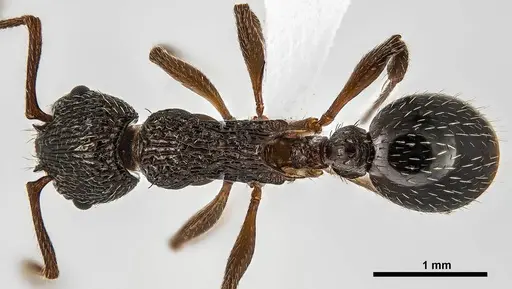
CASENT0104832
View on AntWeb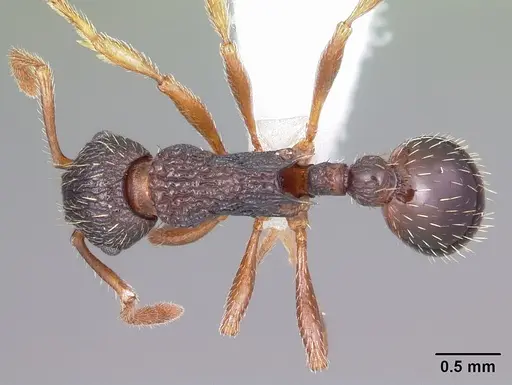
CASENT0104833
View on AntWeb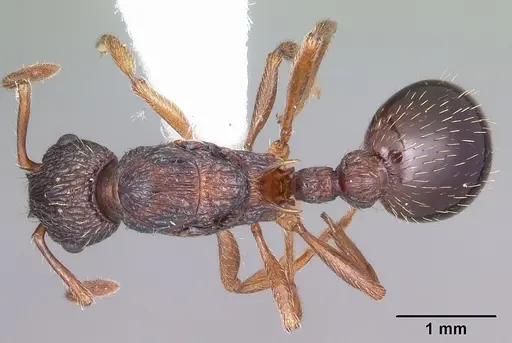
CASENT0173003
View on AntWeb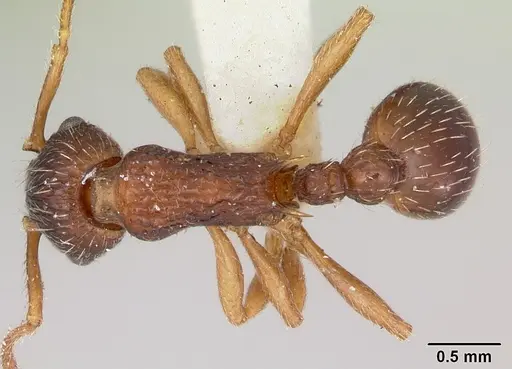
CASENT0173004
View on AntWeb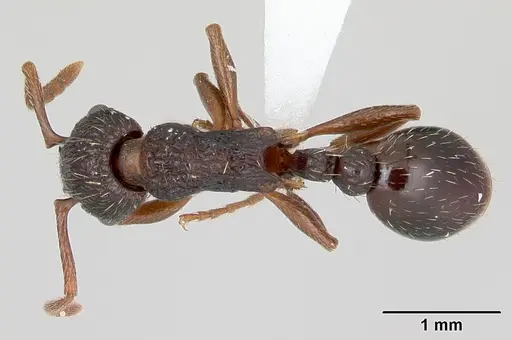
CASENT0173005
View on AntWeb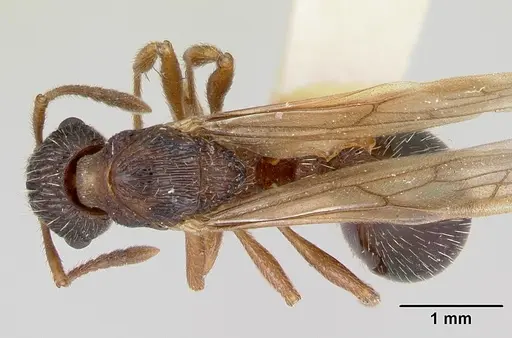
CASENT0884305
View on AntWeb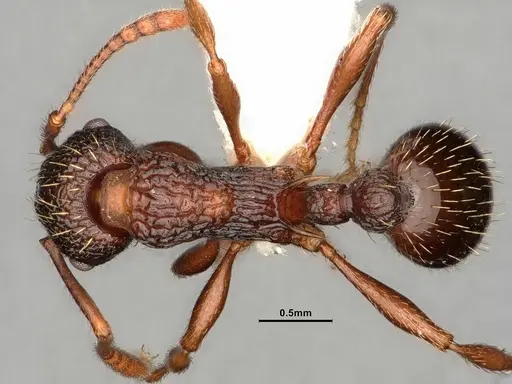
CASENT0904077
View on AntWeb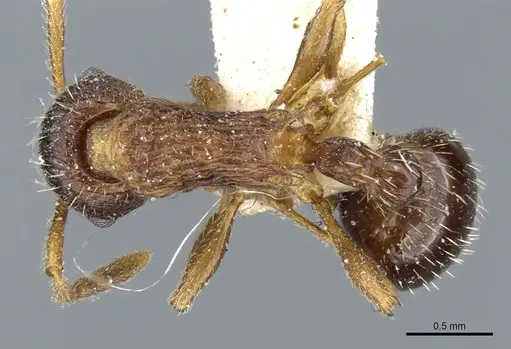
CASENT0922747
View on AntWeb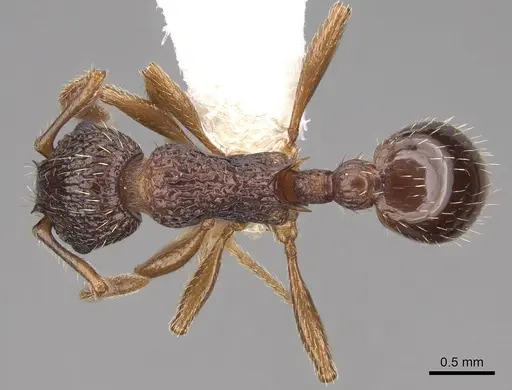
CASENT0922748
View on AntWeb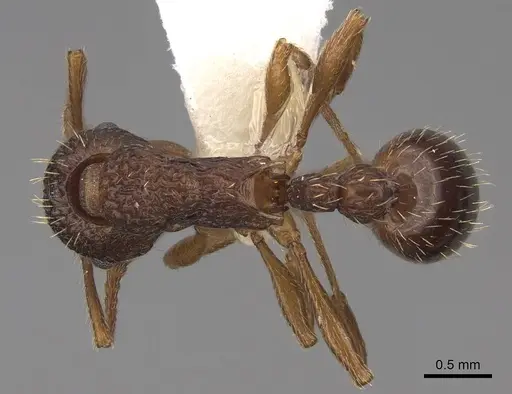
CASENT4031304
View on AntWeb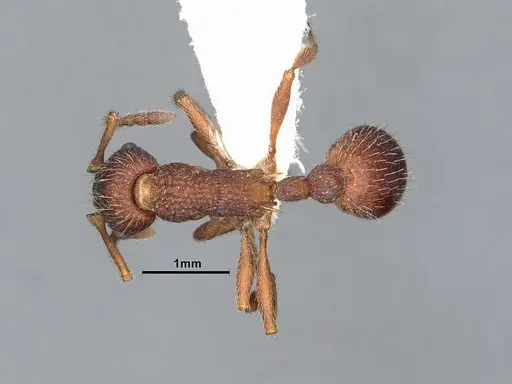
Literature
Loading distribution map...Loading products...