
Myrmica deplanata
- Sci. Name
- Myrmica deplanata
- Tribe
- Myrmicini
- Subfamily
- Myrmicinae
- Author
- Emery, 1921
- Distribution
- Found in 3 countries
Introduction
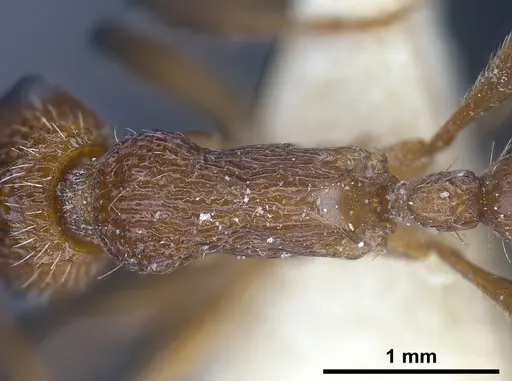
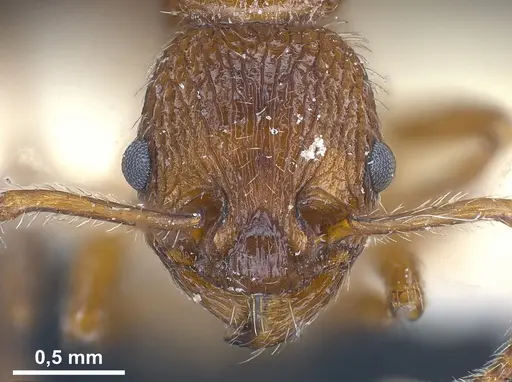
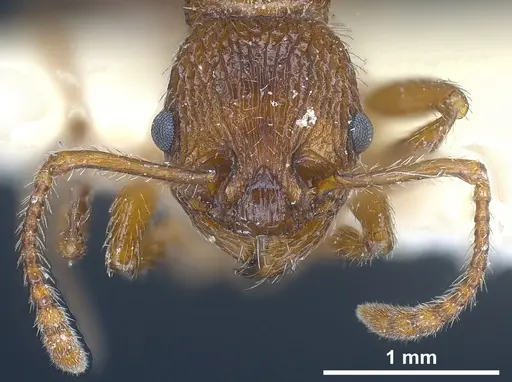
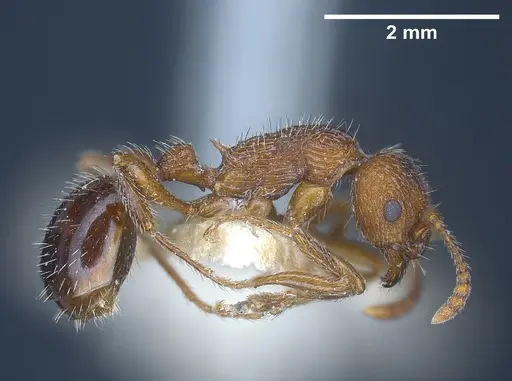
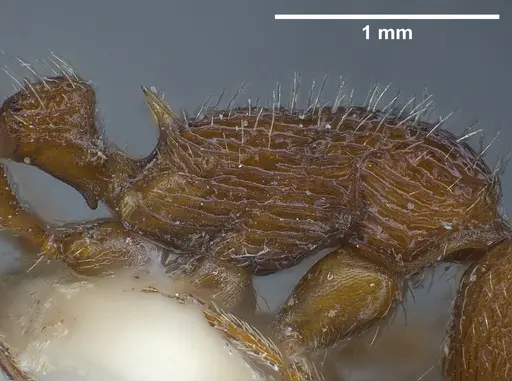
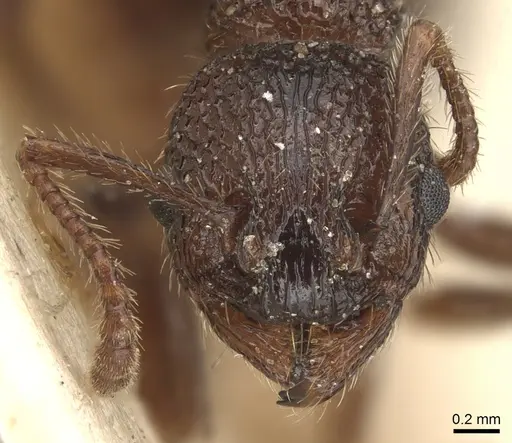
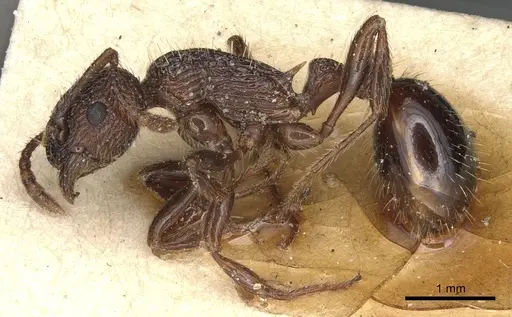
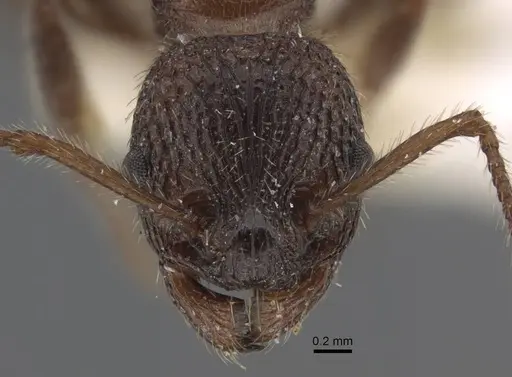
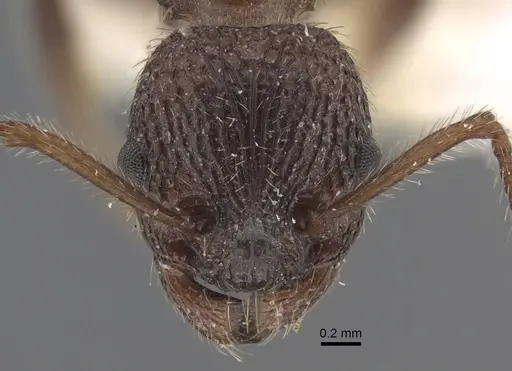
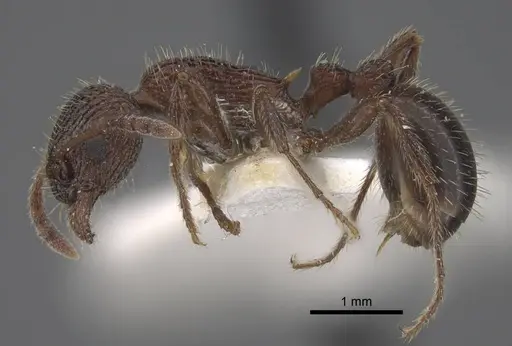
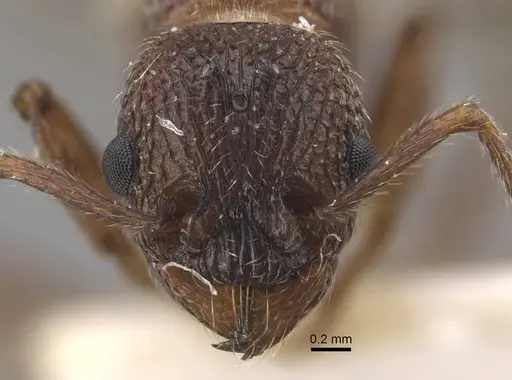
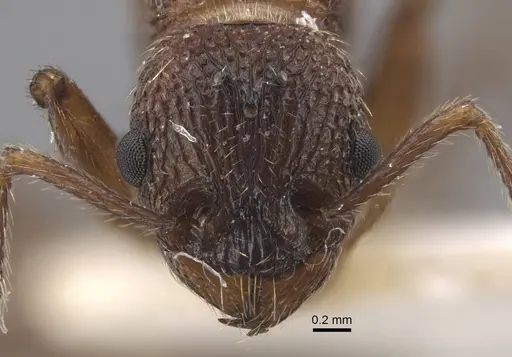
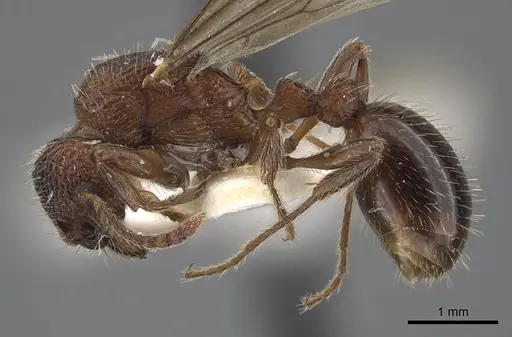
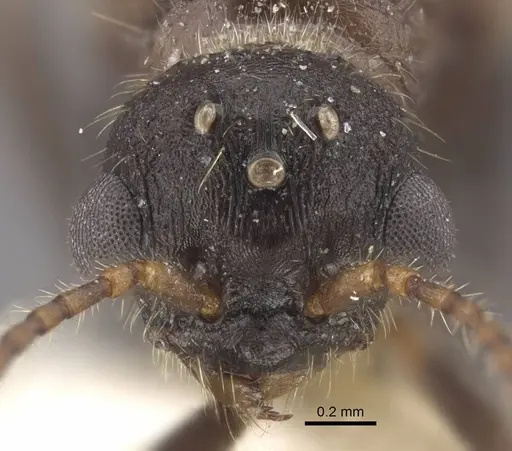
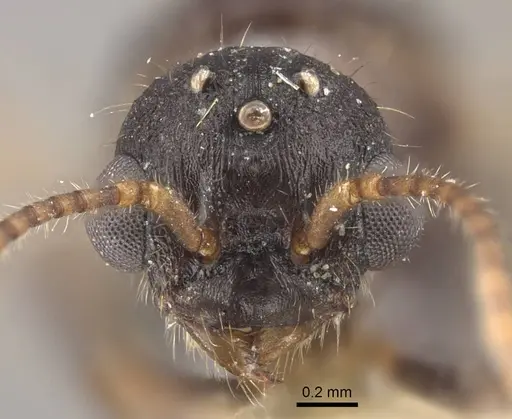
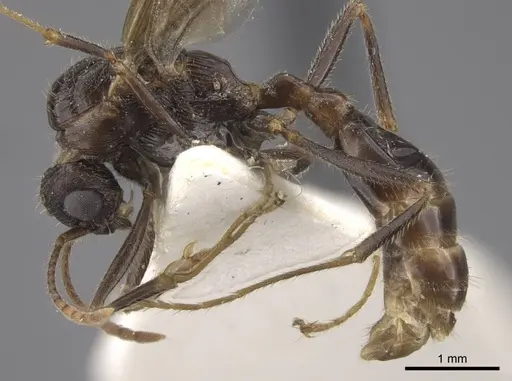
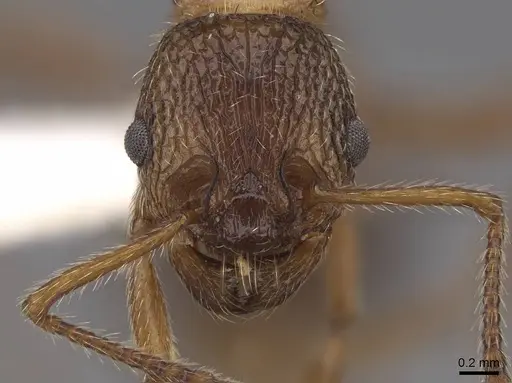
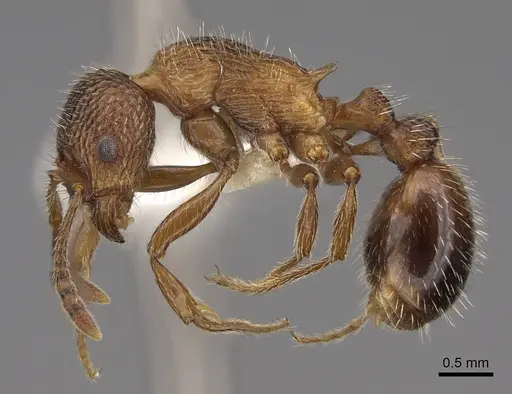
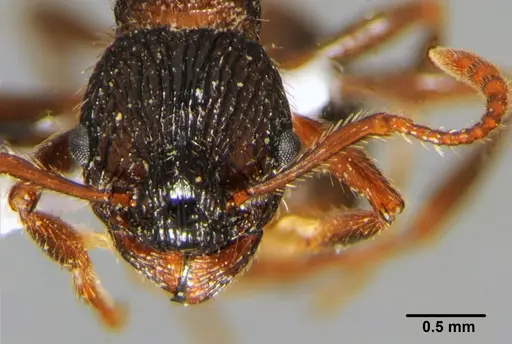
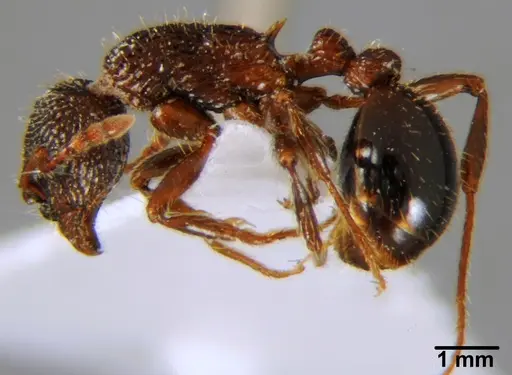
Myrmica deplanata is a small to medium-sized ant species belonging to the Myrmica schencki species group. Workers measure 4.63-5.23mm in total length . The species is distinguished by its wider frons and less extended frontal lobes compared to similar species like Myrmica schencki. The name 'deplanata' comes from the Latin for 'flattened, ' referring to its more flattened propodeum compared to Myrmica scabrinodis. This species is one of the most thermo-xerophilous (heat and dry-loving) Myrmica species, inhabiting steppes and stony, warm sites across the Palaearctic region from Central Europe to China . Despite its widespread distribution, nests are comparatively rare and never abundant even in seemingly optimal habitats .
Quick Summary
- Difficulty: Medium
- Origin & Habitat: Native to the Palaearctic region including Austria, Azerbaijan, Bulgaria, Czech Republic, Georgia, Hungary, Iran, Kazakhstan, Poland, Romania, Russia, Slovakia, Turkey, Turkmenistan, and Ukraine [3][2]. Inhabits steppe and steppe-like habitats at low altitudes, preferring stony sites with low, sparse vegetation. Nests are built in soil, often under stones in locations that become very hot during summer months [2]. Tolerates high soil salinity but is not associated with damper salted areas.
- Colony Type: Colony type is unconfirmed for this specific species. Most Myrmica species are typically monogyne (single-queen), but specific documentation for M. deplanata is lacking.
- Size & Growth:
- Queen: ~6-8mm, inferred from Myrmica genus patterns
- Worker: 4.63-5.23mm [1]
- Colony: Up to several hundred workers, never abundant in the wild
- Growth: Moderate
- Development: 6-10 weeks at optimal temperature based on Myrmica genus patterns (Development time follows typical Myrmica patterns, warmer conditions within species tolerance may accelerate development)
- Antkeeping:
- Temperature: This is a thermo-xerophilous (heat and dry-loving) species. Keep nest area at 22-26°C with a warm gradient. They naturally inhabit hot summer sites, so they handle warmer temperatures better than most Myrmica. Provide a heating cable on one side of the nest to create a thermal gradient [2].
- Humidity: Low to moderate. These ants prefer dry conditions, think stony steppe habitat, not damp forest floor. Keep substrate moderately dry, allowing some areas to dry out completely. Avoid overly moist conditions that would cause mold.
- Diapause: Yes, requires hibernation. As a temperate species, provide a winter rest period of 3-4 months at 5-10°C. Reduce temperature gradually in autumn and restore gradually in spring. This mimics their natural cycle in steppe habitats.
- Nesting: Y-tong (AAC) nests or plaster nests work well. Provide a dry, warm nest environment with some damp substrate areas for brood. Because they nest under stones in the wild, they do well with a naturalistic setup featuring flat stones or similar cover.
- Behavior: Workers are active foragers, typical of Myrmica. They are not particularly aggressive but will sting if threatened. Escape risk is moderate, use standard barrier methods. They are daytime foragers adapted to warm conditions. As a rare species in the wild, colonies tend to be smaller than many common Myrmica.
- Common Issues: colonies rarely become very large, don't expect massive supercolonies, wild colonies are scarce, so finding this species for sale is difficult, overheating is less of a concern than with other Myrmica, but still avoid extreme temperatures, dry conditions are essential, too much moisture causes mold problems, hibernation is mandatory, skipping it will weaken and likely kill the colony
Nest Preferences and Housing
Myrmica deplanata naturally nests in soil under stones in warm, stony steppe habitats [2]. For captive care, Y-tong (AAC) nests or plaster nests work well. Provide a warm, relatively dry nest environment, these ants handle drier conditions better than most Myrmica. A naturalistic setup with flat stones over soil can also work, mimicking their natural nesting sites. The key is providing warmth: place the nest in an area that stays around 22-26°C, or use a heating cable on one side to create a thermal gradient. Unlike many Myrmica that need damp conditions, M. deplanata prefers moderate to low humidity. Allow parts of the nest to dry out completely while keeping a small water reservoir for basic moisture.
Feeding and Diet
Like other Myrmica species, Myrmica deplanata is omnivorous. Feed protein sources like small insects (fruit flies, small mealworms, crickets) and provide sugar water or honey as an energy source. In the wild, they forage for insects and honeydew from aphids. Feed protein 2-3 times per week and keep sugar water available constantly. Since colonies are not likely to grow massive, adjust feeding accordingly, overfeeding can lead to mold issues in their drier habitat. Fresh water should always be available.
Temperature and Seasonal Care
This is a thermo-xerophilous species, one of the most heat-loving Myrmica [2]. Keep the nest at 22-26°C, with warmer areas available. They naturally inhabit locations that become very hot in summer, so they handle warmth better than other Myrmica. However, avoid extreme heat above 30°C. During winter, provide a proper hibernation period of 3-4 months at 5-10°C. This is essential for colony health, skipping hibernation will weaken the colony and may kill it. Reduce temperature gradually in autumn and increase slowly in spring. The outworld can be kept at room temperature, which is typically suitable.
Behavior and Colony Dynamics
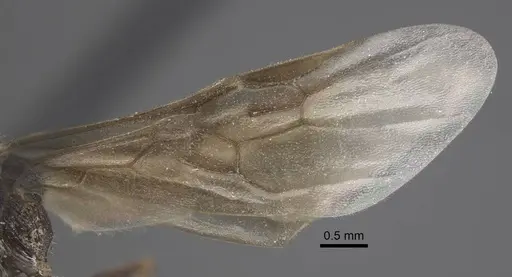
Myrmica deplanata workers are active foragers, searching for food during daytime. They are not particularly aggressive toward keepers but will defend the nest and may sting if handled roughly or if the nest is threatened. Colonies remain relatively small compared to some common Myrmica, expect a few hundred workers at maturity. The species is known for being rare even in optimal habitat, so captive colonies may naturally stay modest in size. Workers have the typical Myrmica appearance with a rounded head and distinct propodeal spines. Sexual brood (alates) has been found in nests from July to September in the wild [2].
Frequently Asked Questions
How long does it take for Myrmica deplanata to produce first workers?
Expect first workers (nanitics) within 6-10 weeks after the queen lays eggs, based on typical Myrmica development patterns. This timeline assumes optimal temperature around 24-26°C. The queen will remain sealed in her founding chamber until the first workers emerge.
Do Myrmica deplanata ants need hibernation?
Yes, hibernation is required. As a temperate species from the Palaearctic region, they need a winter rest period of 3-4 months at 5-10°C. Skip hibernation and the colony will weaken and likely die. Reduce temperature gradually in autumn and increase slowly in spring.
What temperature range is best for Myrmica deplanata?
Keep nest temperatures between 22-26°C. This species is thermo-xerophilous (heat-loving) and handles warmer conditions better than most Myrmica. A heating cable on one side of the nest creates a useful gradient. Avoid temperatures above 30°C.
How big do Myrmica deplanata colonies get?
Colonies typically reach up to several hundred workers. This species is never abundant in the wild, so expect modest colony sizes rather than massive supercolonies. Growth rate is moderate.
Can I keep multiple Myrmica deplanata queens together?
This is not recommended. Most Myrmica species are monogyne (single-queen), and multiple unrelated queens will likely fight. Only keep one queen per colony unless you have specific evidence this species can tolerate multiple queens.
What humidity level do Myrmica deplanata need?
Low to moderate humidity. These are steppe-dwelling ants that prefer dry conditions. Keep the nest relatively dry with only small moisture areas. Avoid the damp conditions preferred by many other Myrmica species.
Do Myrmica deplanata ants sting?
Yes, they can sting. Myrmica ants have stingers, though the pain level is mild to moderate for most people. They are not particularly aggressive but will sting if threatened or if the nest is disturbed.
Is Myrmica deplanata good for beginners?
This is a medium-difficulty species. While not as demanding as some exotic ants, it requires proper hibernation and specific warm, dry conditions that differ from common Myrmica. The main challenge is finding a colony, as this species is rarely available in the antkeeping hobby.
What do Myrmica deplanata eat?
Feed them small insects (fruit flies, small mealworms, crickets) for protein 2-3 times per week. Provide sugar water or honey constantly for energy. Fresh water should always be available.
When should I move Myrmica deplanata to a formicarium?
Keep founding colonies in a test tube setup until they have 20-30 workers. Once the colony outgrows the test tube, transfer to a Y-tong or plaster nest. They do well in nests that can provide warmth and maintain dry conditions.
Report an Issue
The current care sheet is based fully on literature. See inconsistencies, or something that's incorrect? Please , it will be resolved after review from an admin. Contributing to the blogs tab also helps providing information, to make us be able to further improve the caresheets. Thank you for your support!
References

This caresheet is licensed under CC BY-SA 4.0 .
Community Blogs
ANTWEB1041457
View on AntWeb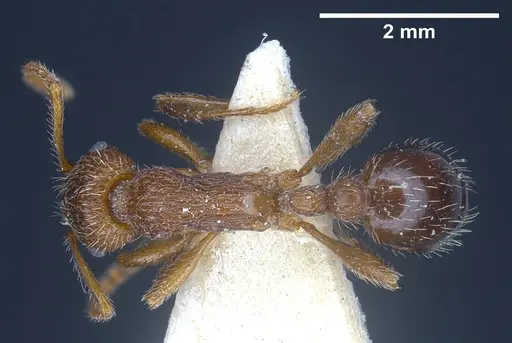
CASENT0904084
View on AntWeb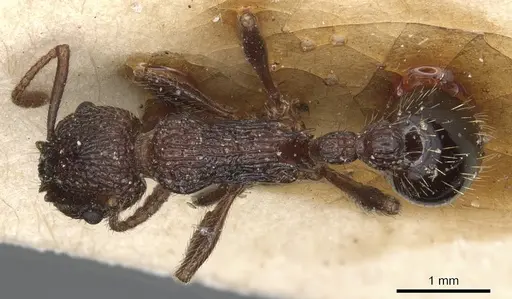
CASENT0917500
View on AntWeb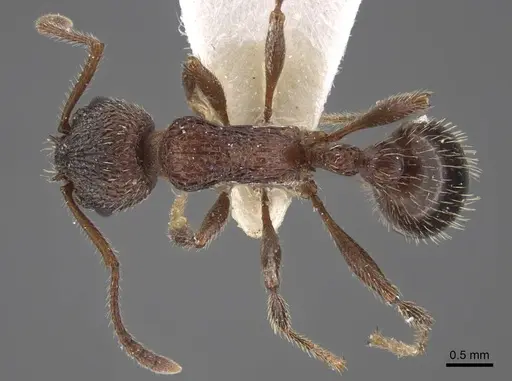
CASENT0917501
View on AntWeb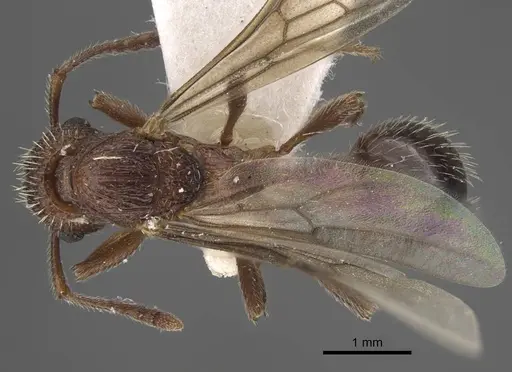
CASENT0917502
View on AntWeb
CASENT0922800
View on AntWeb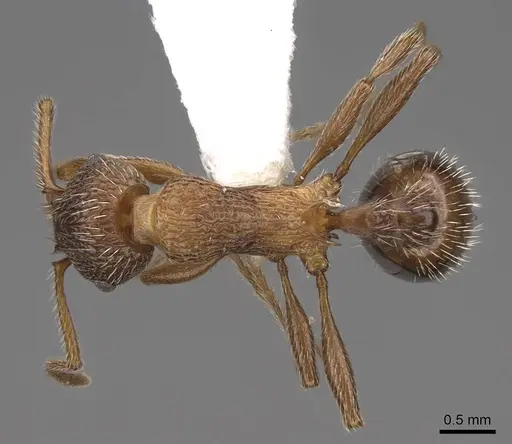
CFH000021
View on AntWeb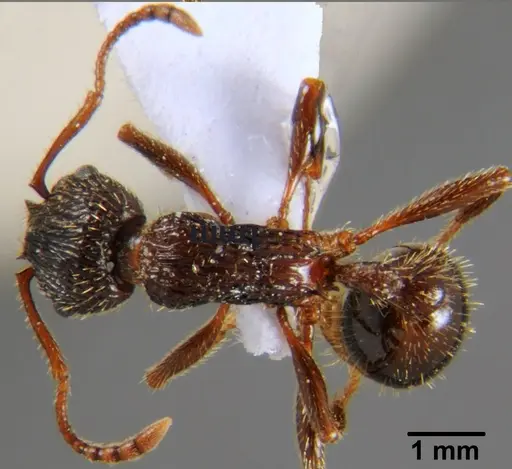
Literature
Loading distribution map...Loading products...