
Myrmica cagnianti
- Sci. Name
- Myrmica cagnianti
- Tribe
- Myrmicini
- Subfamily
- Myrmicinae
- Author
- Espadaler, 1996
- Distribution
- Found in 1 countries
Introduction
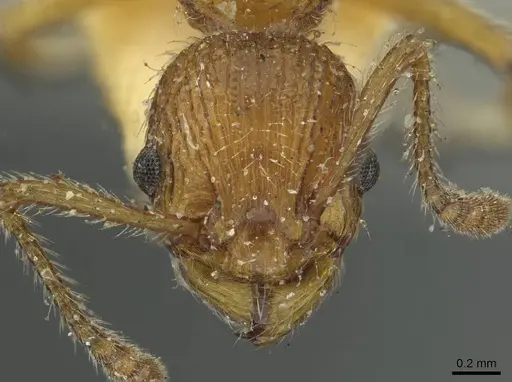
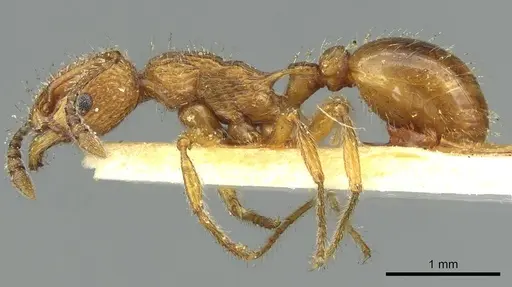
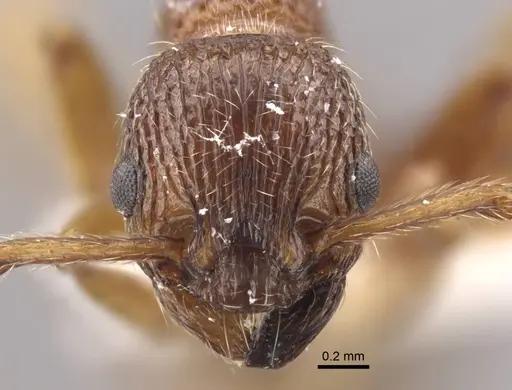
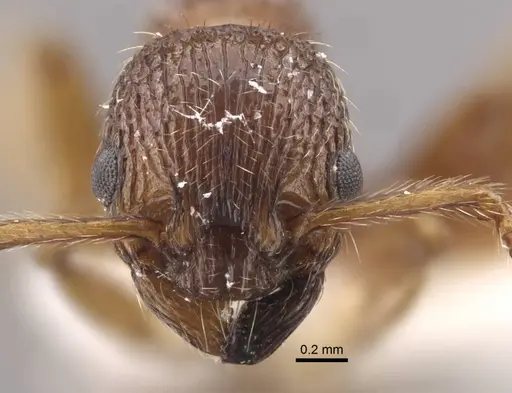
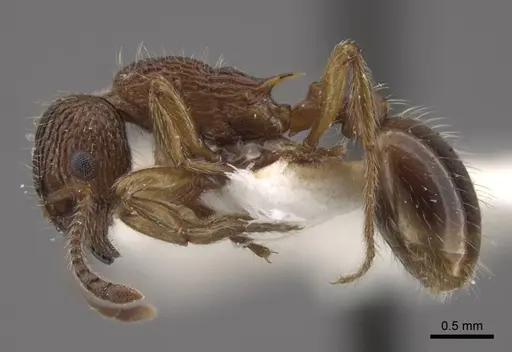
Myrmica cagnianti is a reddish-brown ant species endemic to the high Atlas Mountains of Morocco and Algeria. This species belongs to the scabrinodis-complex and is closely related to Myrmica aloba, from which it differs mainly in fine body sculpture and petiole shape. Workers have the characteristic Myrmica appearance with a rounded head and relatively long legs. Colonies are polygynous, containing multiple egg-laying queens. The species was described by Xavier Espadaler in 1996 and named after the myrmecologist Prof. Henri Cagniant .
Quick Summary
- Difficulty: Medium
- Origin & Habitat: Native to the high Atlas Mountains of Morocco and Algeria, where it inhabits humid mountain biotopes at elevations between 1650 and 2600 meters. Colonies are typically found under stones near small streams and water sources in these alpine environments [1][3][2].
- Colony Type: Polygynous colonies with multiple queens. This is a high-altitude mountain species adapted to cooler, humid conditions [1].
- Size & Growth:
- Queen: ~6-7mm, inferred from Myrmica genus patterns
- Worker: ~4-6mm, inferred from Myrmica genus patterns
- Colony: Colony size data unavailable for this specific species
- Growth: Moderate, typical Myrmica development rates
- Development: Development time is unconfirmed for this species (Based on related Myrmica species, development likely takes several months. Cool mountain conditions may slow development compared to lowland species)
- Antkeeping:
- Temperature: Keep nest area around 18-22°C with a slight gradient. This is a cool-adapted mountain species that does not tolerate high heat. Room temperature is often suitable, but avoid temperatures above 25°C. A heating cable on one side of the nest can create a gentle gradient if needed.
- Humidity: High humidity is essential, these ants come from humid mountain biotopes near streams. Keep the nest substrate consistently moist but not waterlogged. Provide a water tube as a humidity source and consider occasional misting of the outworld. The substrate should feel damp to the touch.
- Diapause: Yes, as a temperate mountain species from high altitude, colonies require a winter hibernation period. Reduce temperature to around 5-10°C for 3-4 months during winter, typically from late autumn to early spring.
- Nesting: Natural nesting sites are under stones in humid areas near water. In captivity, a Y-tong (AAC) nest or plaster nest works well. Keep the nest chambers tight and appropriately scaled to worker size. Naturalistic setups with stones over damp substrate also mimic their natural conditions.
- Behavior: Workers are active foragers that search for food both on the ground and in vegetation. Like other Myrmica species, they have a functional stinger and may sting if threatened, though the sting is mild. They are not particularly aggressive but will defend their nest. Workers communicate using chemical signals and may form foraging trails to food sources. Escape prevention is important as they are quick and can climb smooth surfaces.
- Common Issues: high humidity requirements mean mold can develop if ventilation is poor, balance moisture with adequate airflow, cold-sensitive, temperatures above 25°C can stress colonies and slow development, hibernation is essential for this temperate species, skipping winter rest often leads to colony decline, polygynous colonies may have queen conflicts during founding, multiple queens are normal but monitor for excessive aggression, small colony sizes initially mean they are vulnerable to disturbance, handle gently and minimize nest inspections
Origin and Natural Habitat
Myrmica cagnianti is endemic to the high Atlas Mountains of North Africa, found only in Morocco and Algeria. This species occupies a very specific ecological niche, humid mountain biotopes at elevations between 1650 and 2600 meters. The type colony was collected under a stone at 2450 meters elevation near a small stream in the Oukaimeden region of the Higher Atlas [1]. This tells you they prefer cool, damp conditions with access to water. In Morocco, they have been recorded from several high-altitude locations including Okaymeden, Erdouz, Toubkal, and areas near Azrou. The name 'cagnianti' honors Prof. Henri Cagniant, a prominent French myrmecologist who studied North African ants [3][2].
Colony Structure and Social Organization
This species forms polygynous colonies, meaning each nest contains multiple egg-laying queens. This is relatively common in high-altitude Myrmica species as multiple queens help the colony survive the harsh mountain winters and allows for rapid colony growth when conditions are favorable. The colony grows gradually through the summer months, with the queen producing more workers each year. Unlike some ant species, these ants do not have gamergates (reproductive workers), reproduction is left to the queens [1].
Temperature and Seasonal Care
As a mountain species from high altitude, Myrmica cagnianti is adapted to cool conditions and does not tolerate heat well. Keep the nest area at 18-22°C, this is cooler than many common ant species. Room temperature is often ideal for this species. Avoid placing the nest in direct sunlight or near heat sources that would push temperatures above 25°C. During the active season (spring through autumn), maintain stable temperatures within this range. Come autumn, you must prepare for hibernation, this is critical for the colony's health. Reduce temperatures gradually over 2-3 weeks, then keep the colony at 5-10°C for 3-4 months. A garage, unheated room, or refrigerator (if in a formicarium) works well for winter storage. Do not skip hibernation as it disrupts the colony's natural cycle and can lead to queen death or colony decline.
Feeding and Nutrition
Myrmica cagnianti is a typical Myrmica ant in its dietary preferences, they are omnivores that collect both protein and sugar sources. In the wild, workers forage for honeydew from aphids and scale insects, hunt small insects and arthropods, and collect nectar. In captivity, offer sugar water or honey as a constant energy source. For protein, provide small insects like fruit flies, small crickets, or mealworms. Feed protein prey 2-3 times per week, adjusting based on colony size. Remove uneaten prey after 24-48 hours to prevent mold. A varied diet helps keep colonies healthy. Since this is a relatively rare species in captivity, observe your colony's preferences, some individuals may favor certain foods over others.
Nesting and Setup
In the wild, these ants nest under stones in humid areas near water sources. For captivity, replicate these conditions as closely as possible. A Y-tong (AAC) acrylic nest or a plaster nest with moisture retention works well. The chambers should be appropriately sized for workers, not too large or too small. Keep the nest substrate consistently moist by connecting a water tube to the nest chamber. The humidity should be high, think damp forest floor, not wet swamp. Provide an outworld (foraging area) where you can offer food and where workers can dispose of waste. Use a tight-fitting lid and apply fluon or other barrier to prevent escapes, as Myrmica workers are agile climbers. A naturalistic setup with stones over damp soil can also work well and mimics their natural environment.
Handling and Temperament
Myrmica cagnianti workers are moderately aggressive when defending their nest, they have a functional stinger and will use it if threatened. The sting is mild compared to some tropical ants, causing temporary pain similar to a mosquito bite for most people. However, individual reactions vary. These ants are fast-moving and excellent climbers, so escape prevention is important. When caring for your colony, avoid disturbing the nest too often, especially during founding and when the colony is small. Minimize vibrations and keep the setup in a quiet location. As the colony grows, they become more robust and tolerant of occasional nest checks. Always wash your hands before handling the formicarium as oils and scents can stress the ants.
Frequently Asked Questions
How long does it take for Myrmica cagnianti to produce first workers?
Development time is unconfirmed for this specific species. Based on related Myrmica species in the scabrinodis-complex, expect several months from egg to first worker at optimal temperatures (around 20°C). Development is likely slower than many ants because this is a cool-adapted species that naturally experiences lower temperatures in its mountain habitat.
Do Myrmica cagnianti ants need hibernation?
Yes, hibernation is essential. This is a temperate mountain species adapted to seasonal temperature changes. Reduce temperatures to 5-10°C for 3-4 months during winter, typically from late autumn to early spring. Skipping hibernation often leads to colony decline and queen death.
Can I keep multiple Myrmica cagnianti queens together?
Yes, this is normal for the species, they are naturally polygynous with multiple queens per colony. However, if you are introducing an unrelated queen to an established colony, introduce her carefully and monitor for aggression. The natural polygynous structure means queens coexist peacefully in established colonies.
What temperature range is best for Myrmica cagnianti?
Keep nest temperatures between 18-22°C. This is a cool-adapted mountain species that does not tolerate heat well, avoid temperatures above 25°C. Room temperature is often ideal. A slight temperature gradient allows ants to choose their preferred spot.
Are Myrmica cagnianti good for antkeeping beginners?
This species is rated as medium difficulty. While not the hardest species, it has specific requirements, high humidity, cool temperatures, and mandatory hibernation. Beginners should be prepared for these needs. The polygynous colony structure actually makes them more forgiving than single-queen species.
What do Myrmica cagnianti eat?
They are omnivores. Offer sugar water or honey as a constant energy source, and protein prey like small insects (fruit flies, small crickets, mealworms) 2-3 times per week. Remove uneaten food promptly to prevent mold.
How big do Myrmica cagnianti colonies get?
Colony size data is unavailable for this specific species. Based on related Myrmica species, colonies likely reach several hundred workers over several years. Polygynous colonies can grow relatively quickly once established.
Do Myrmica cagnianti ants sting?
Yes, they have a functional stinger and will sting if threatened or handled roughly. The sting is mild, most people experience temporary pain similar to a mosquito bite. They are not aggressive toward humans but will defend their nest.
When should I move Myrmica cagnianti to a formicarium?
Keep colonies in a test tube setup for the first 6-12 months until you have 50+ workers. Once the colony reaches this size and you see workers consistently foraging, you can move them to a formicarium. Make sure the new nest maintains the high humidity they need.
Where is Myrmica cagnianti native to?
This species is endemic to the high Atlas Mountains of Morocco and Algeria, found at elevations between 1650-2600 meters. It is closely related to Myrmica aloba and was described in 1996 [1][2].
Report an Issue
The current care sheet is based fully on literature. See inconsistencies, or something that's incorrect? Please , it will be resolved after review from an admin. Contributing to the blogs tab also helps providing information, to make us be able to further improve the caresheets. Thank you for your support!
References

This caresheet is licensed under CC BY-SA 4.0 .
Community Blogs
CASENT0913062
View on AntWeb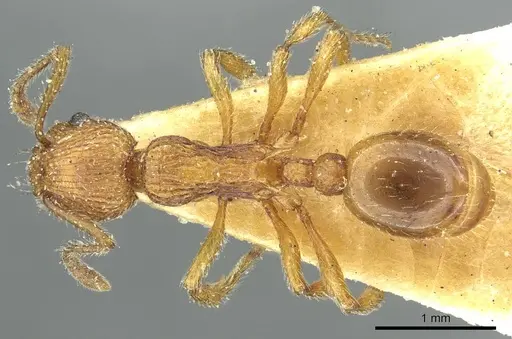
CASENT0917681
View on AntWeb
Literature
Loading distribution map...Loading products...