
Myrmica brevispinosa
- Sci. Name
- Myrmica brevispinosa
- Tribe
- Myrmicini
- Subfamily
- Myrmicinae
- Author
- Wheeler, 1917
- Distribution
- Found in 2 countries
Introduction
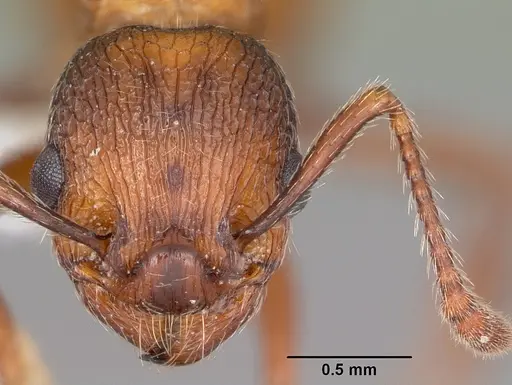
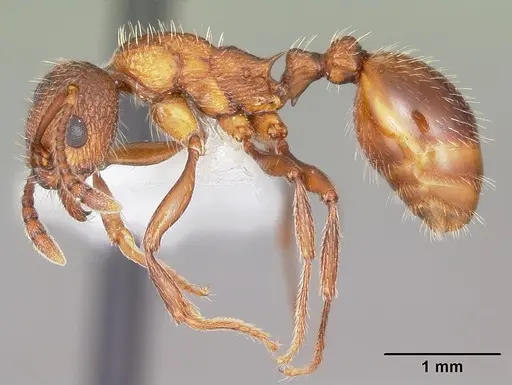
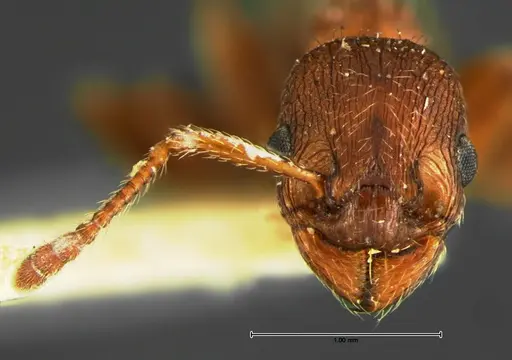
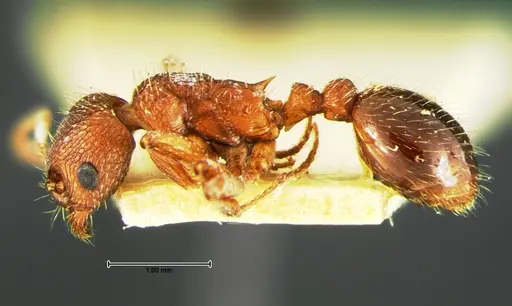
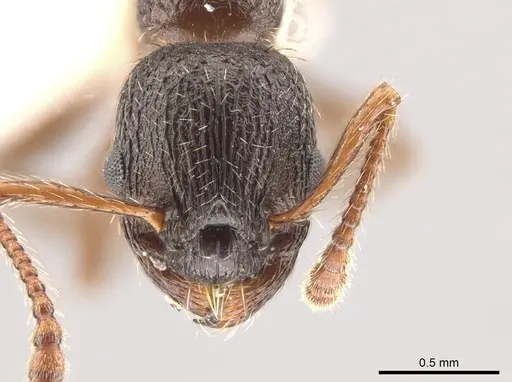
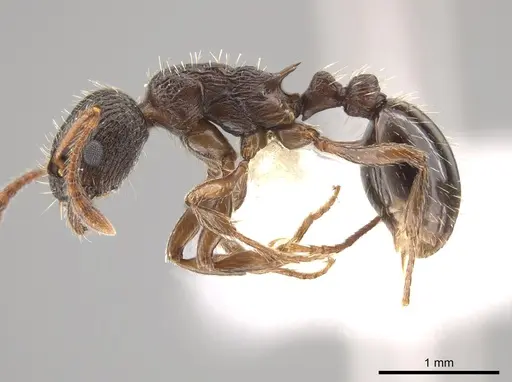
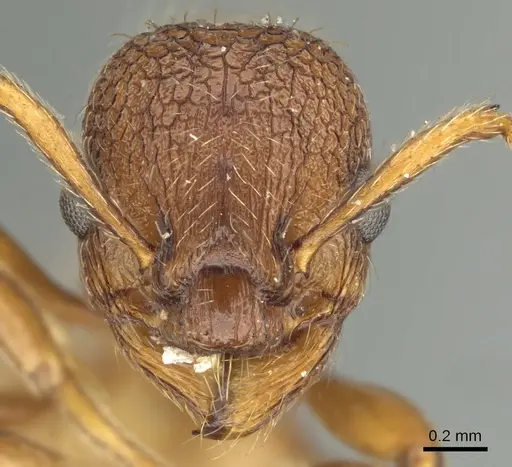
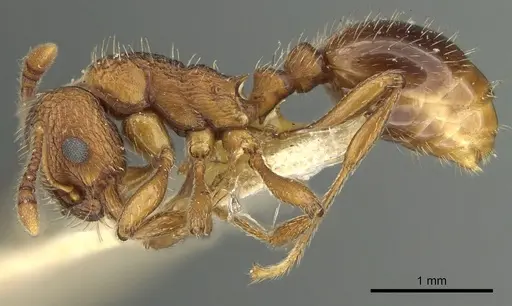
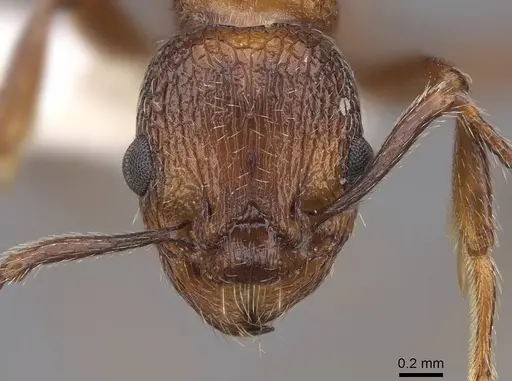
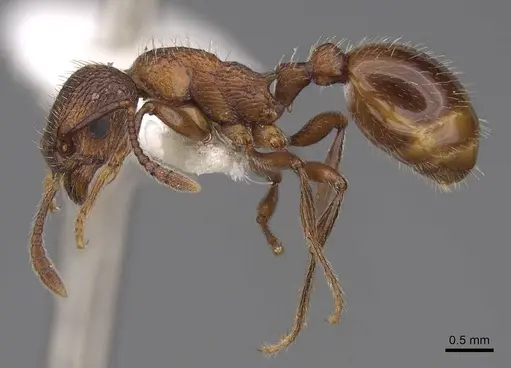
Myrmica brevispinosa is a small red ant native to northern North America. Workers measure around 4-6mm with the characteristic Myrmica feature of short, upward-pointing propodeal spines. The head has a large interlamellar surface and rounded frontal lobes, with a shallowly concave clypeal margin. The gaster is typically dark, creating a striking contrast with the reddish body. This species is distinguished from other Myrmica by its short spines and distinctive head morphology . This is a boreal species adapted to cool, dry, sandy habitats across Canada and the northern United States. It builds nests with obscure entrances in open sandy areas and shows remarkable flexibility in colony structure, being facultatively polygynous with multiple queens possible in a single colony .
Quick Summary
- Difficulty: Easy
- Origin & Habitat: Native to northern North America (Nearctic region). Found across Canada from Newfoundland to British Columbia, and throughout the northern United States from Minnesota to California. Inhabits boreal sand hills, dry grasslands, savannahs, and open woodland areas. Prefers dry, sandy soil habitats with obscure nest entrances [2][5][6].
- Colony Type: Facultatively polygynous, colonies can have a single queen or multiple queens working together. Polygyny has been observed in subarctic populations in Churchill Manitoba and northern Russia [4][3].
- Size & Growth:
- Queen: ~5-7mm, inferred from Myrmica genus patterns
- Worker: 4-6mm [6][1]
- Colony: Up to several hundred workers, estimated based on typical Myrmica patterns
- Growth: Moderate
- Development: 6-10 weeks, estimated from related Myrmica species at optimal temperatures (Development timeline not directly studied for this species, estimates based on genus-level data for Myrmica in cool climates)
- Antkeeping:
- Temperature: Keep at 18-22°C. As a boreal species, they prefer cooler temperatures than tropical ants. Room temperature in most homes works well. Avoid overheating, they do not tolerate high heat [3].
- Humidity: Low to moderate. This species naturally inhabits dry sandy habitats. Keep nest substrate slightly moist but allow it to dry between waterings. Do not keep overly humid [2][6].
- Diapause: Yes, as a boreal species, they require a winter dormancy period. Reduce temperature to 5-10°C for 3-4 months during winter, mimicking natural seasonal cycles [3][4].
- Nesting: Y-tong (AAC) nests or plaster nests work well. Provide a dry to moderately moist nest chamber. In nature they nest in soil with obscure entrances in sandy areas, replicate this with a compact nest with narrow chambers. Test tubes can work for founding colonies [2].
- Behavior: Generally non-aggressive foragers. Workers are active and will search for food both on the ground and up into vegetation. They have the typical Myrmica stinger but rarely use it, and the sting is mild for humans. Escape risk is moderate, standard barrier methods like Fluon work well. They are not particularly aggressive toward keepers but will defend the nest if threatened. Workers are reddish with a dark gaster, making them easy to spot in the outworld [6].
- Common Issues: overheating is a common problem, keep them cool, never above 25°C, facultatively polygynous colonies may have queen conflicts during integration, introduce queens carefully, dry habitat preference means overwatering can cause fungal problems, winter dormancy is essential, skipping hibernation weakens colonies, small colony sizes may make them appear slow to develop compared to faster-growing species
Housing and Nest Setup
Myrmica brevispinosa does well in Y-tong (AAC) nests, plaster nests, or test tubes for founding colonies. This is a dry-adapted species, so keep the nest substrate slightly moist but allow it to dry between waterings. Avoid overly humid conditions that can lead to mold. The nest should have compact chambers scaled to their 4-6mm worker size. A small outworld area with sand or soil substrate works well for foraging. Standard escape prevention with Fluon on the rim of the nest is sufficient, they are not particularly strong climbers but can escape through small gaps [2][6].
Feeding and Diet
Like other Myrmica species, Myrmica brevispinosa is omnivorous. They accept protein sources like small insects (fruit flies, small crickets, mealworms) and will also collect honeydew from aphids and sugar water or honey. Feed protein 2-3 times per week and provide a constant sugar source. In the wild they forage for insects and honeydew, replicate this with a varied diet. Remove uneaten prey after 24-48 hours to prevent mold. They are not specialized predators, so a standard ant diet works well.
Temperature and Seasonal Care
This is a boreal species adapted to cool climates. Keep colony temperatures between 18-22°C, room temperature is often ideal. They do not tolerate heat well, so avoid placing them near heat sources or in warm rooms. During winter, they require a dormancy period of 3-4 months at 5-10°C, similar to other Myrmica species. This can be achieved by moving them to an unheated garage, basement, or refrigerator during winter months. Skipping hibernation will weaken the colony and may affect queen reproduction. Do not feed during dormancy and keep the nest slightly moist but not wet [3][4].
Colony Structure and Multi-Queen Care
Myrmica brevispinosa is facultatively polygynous, meaning colonies can have one queen or multiple queens working together. This flexibility is common in boreal Myrmica species and allows colonies to grow larger faster when multiple queens are present. If you want to start a colony with multiple queens, introduce them together during the founding stage. Established colonies with multiple queens are generally peaceful. Queens may live for several years, and workers can live for several months. Colony growth is moderate, expect 6-10 weeks from egg to first worker, with growth to several hundred workers over 2-3 years under good conditions [3][4].
Behavior and Handling
Workers are active foragers and will search for food in the outworld. They are not aggressive toward keepers and rarely sting, though they do possess a stinger. The sting is mild and comparable to other Myrmica, causing minor irritation at most for most people. They are good escape artists for their size, so use standard barrier methods. Workers are easily recognized by their reddish body and dark gaster. They are not as aggressive as some Myrmica species like Myrmica rubra, making them easier to handle during nest maintenance. When the nest is disturbed, workers may rush to defend but typically calm quickly [6].
Frequently Asked Questions
Can I keep Myrmica brevispinosa in a test tube?
Yes, test tubes work well for founding colonies. Keep the cotton moist but not flooded, and allow the tube to dry slightly between waterings. Once the colony reaches 20-30 workers, consider moving to a small formicarium or Y-tong nest.
Do Myrmica brevispinosa need hibernation?
Yes, they require a winter dormancy period of 3-4 months at 5-10°C. This is essential for colony health and queen reproduction. Skip hibernation only if you cannot provide proper cooling, but expect weaker colony performance [3][4].
How long until first workers with Myrmica brevispinosa?
Expect 6-10 weeks from egg to first worker (nanitic) at room temperature. This is typical for Myrmica species in cool conditions. Growth is moderate, colonies reach several hundred workers over 2-3 years.
Are Myrmica brevispinosa good for beginners?
Yes, they are a good beginner species. They are forgiving of minor care mistakes, don't require high heat, and have straightforward humidity needs. Their facultatively polygynous nature also makes them more forgiving of queen loss [3].
Can I keep multiple queens together?
Yes, this species is facultatively polygynous, meaning multiple queens can coexist in a single colony. If introducing unrelated queens, do so during the founding stage when they are more likely to accept each other [3][4].
What temperature do Myrmica brevispinosa need?
Keep them at 18-22°C, room temperature is typically ideal. They are a boreal species and do not tolerate heat well. Never exceed 25°C. A slight temperature gradient allows workers to choose their preferred spot [3].
Do Myrmica brevispinosa ants sting?
Yes, they have a stinger but rarely use it. The sting is mild and causes minor irritation for most people. They are not considered dangerous and are less aggressive than many Myrmica species [6].
How big do Myrmica brevispinosa colonies get?
Colonies typically reach several hundred workers over 2-3 years. Maximum colony size is not well documented but follows typical Myrmica patterns of moderate-sized colonies.
What do Myrmica brevispinosa eat?
They are omnivorous, feed small insects (fruit flies, small crickets, mealworms) for protein 2-3 times per week, and provide constant sugar sources like honey water or sugar water. They also collect honeydew if aphids are available.
When should I move Myrmica brevispinosa to a formicarium?
Move from test tube to a small nest when the colony reaches 20-30 workers or when the test tube becomes crowded. Y-tong or small plaster nests work well for this species.
Report an Issue
The current care sheet is based fully on literature. See inconsistencies, or something that's incorrect? Please , it will be resolved after review from an admin. Contributing to the blogs tab also helps providing information, to make us be able to further improve the caresheets. Thank you for your support!
References

This caresheet is licensed under CC BY-SA 4.0 .
Community Blogs
CASENT0104831
View on AntWeb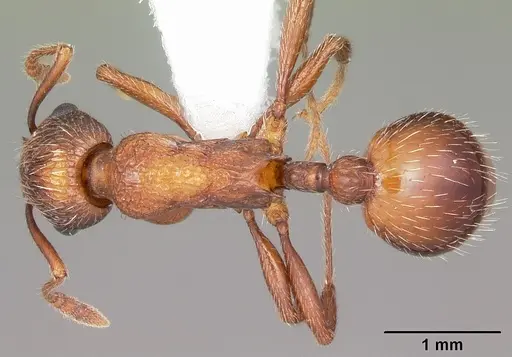
CASENT0105641
View on AntWeb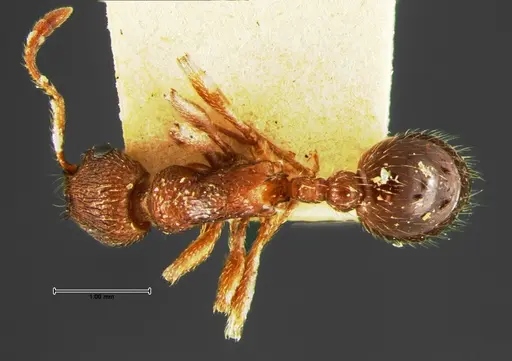
CASENT0644054
View on AntWeb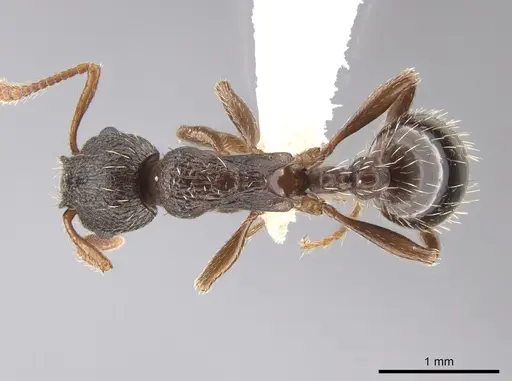
CASENT0900345
View on AntWeb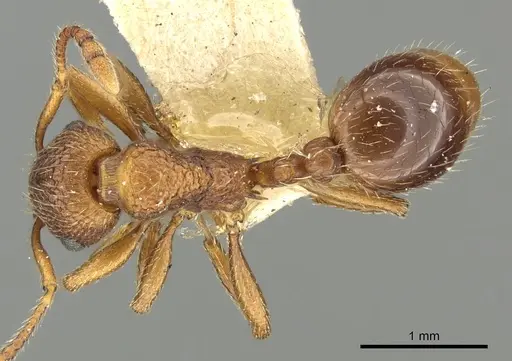
CASENT0922745
View on AntWeb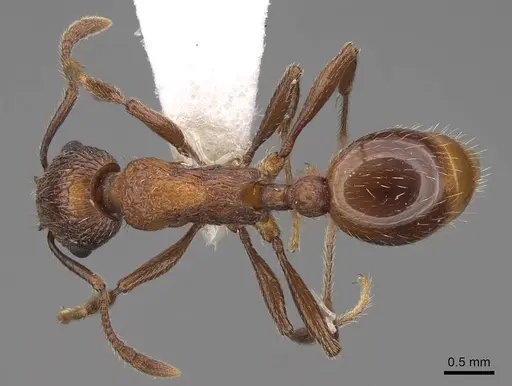
Literature
Loading distribution map...Loading products...