
American Furrowed Ant
Myrmica americana
- Sci. Name
- Myrmica americana
- Tribe
- Myrmicini
- Subfamily
- Myrmicinae
- Author
- Weber, 1939
- Common Name
- American Furrowed Ant
- Distribution
- Found in 2 countries
Introduction
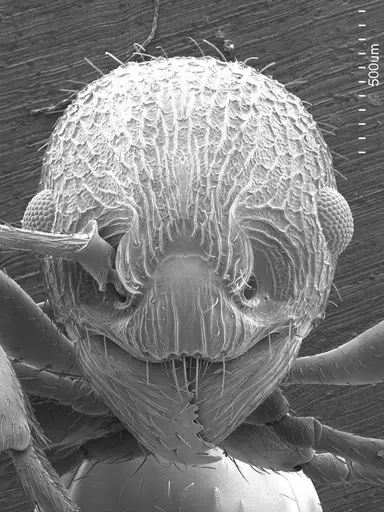
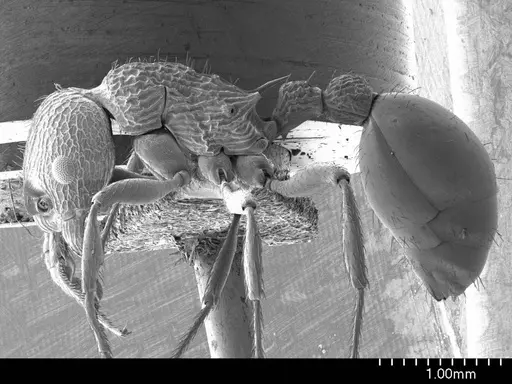
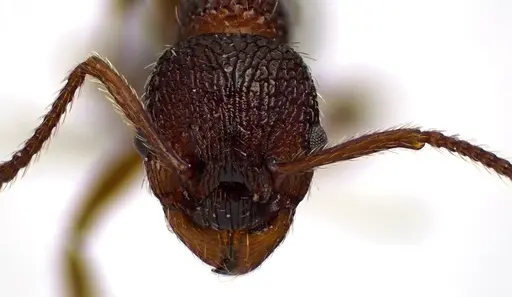
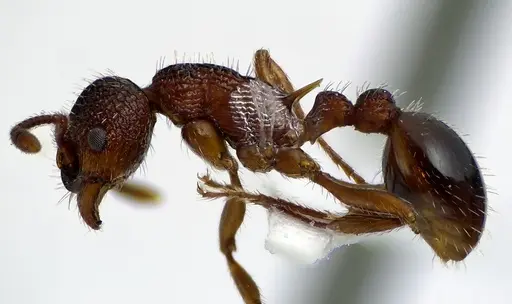
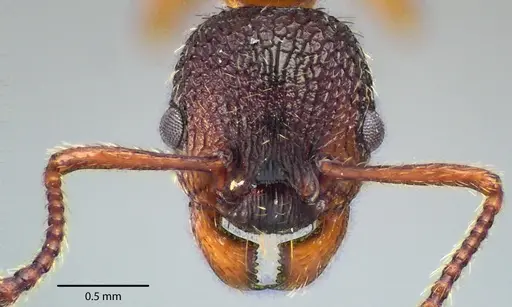
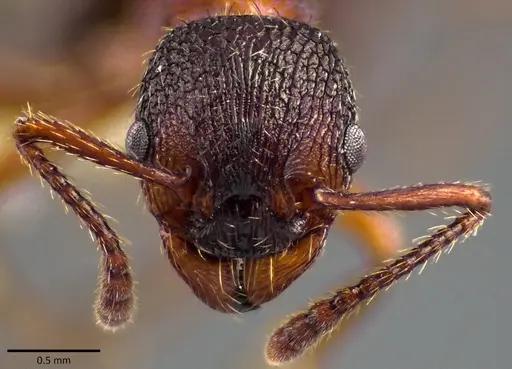
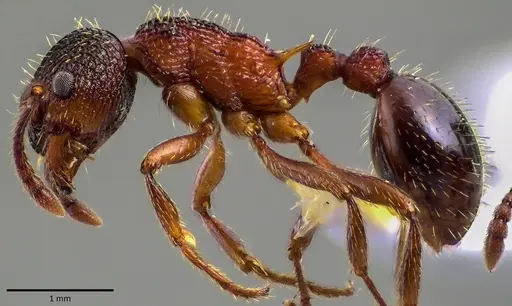
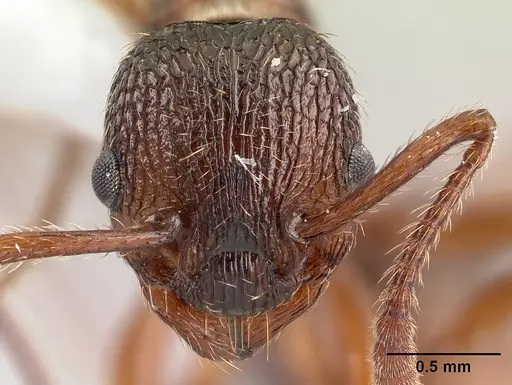
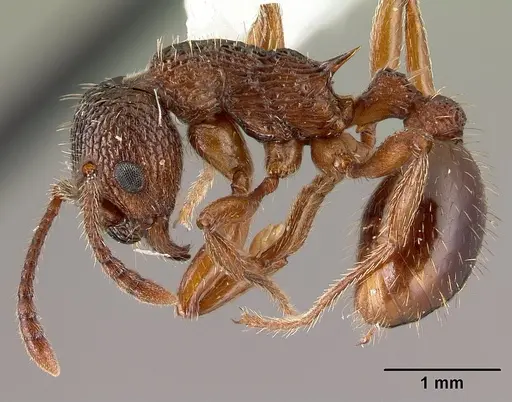
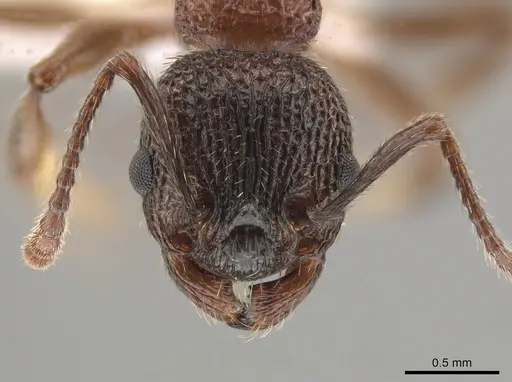
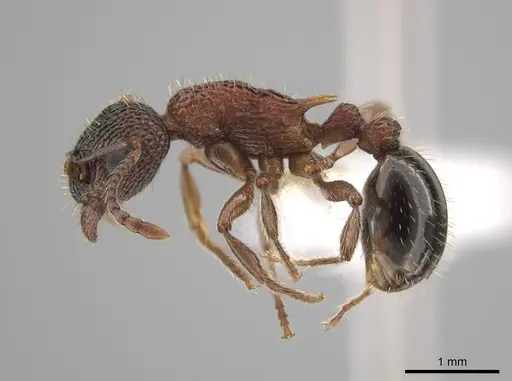
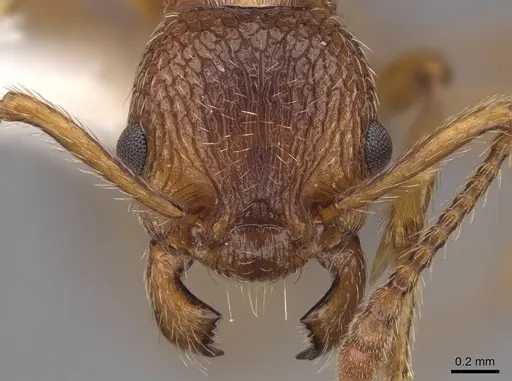
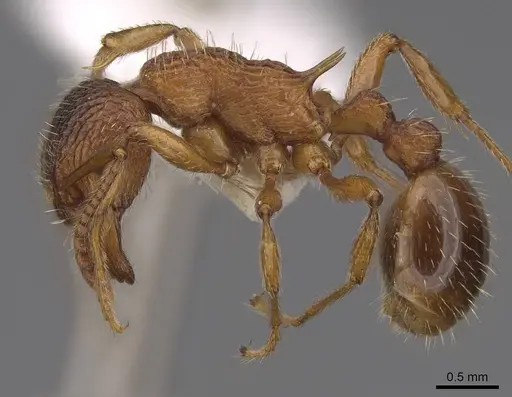
Myrmica americana is a medium-sized reddish-brown to dark brown ant native to North America, ranging from Canada south to Tennessee and Arizona. Workers measure 4.5-6.2mm with a darker gaster that contrasts with the lighter mandibles and legs. This species is identifiable by the distinctive spoon-shaped lamina at the bend of the antennal scape and the flat ventral plate of the postpetiole. Colonies are polygynous, meaning they contain multiple queens, and workers are all the same size (monomorphic). What makes this species interesting is its dual role as both a seed disperser and an aphid tender. Workers actively collect seeds from panic-grass and tend aphids on milkweed, making them important contributors to their ecosystem. They are also one of the few Myrmica species in North America that can actually sting humans effectively - most Myrmica ants are too small to penetrate human skin. These ants prefer open habitats like meadows, prairies, and grassland edges, avoiding dense forests.
Quick Summary
- Difficulty: Medium
- Origin & Habitat: Nearctic region, native to Canada and the United States. Found from Maine and Quebec west to Manitoba, North Dakota, Colorado, Utah, Nevada, and Arizona, south to Tennessee and North Carolina. Inhabits open areas such as meadows, fields, prairies, grasslands, and woodland edges. Nests in soil, often at the bases of grasses or forbs, sometimes with small chimney-like mounds. [1][2][5]
- Colony Type: Polygynous (multiple-queen) colonies with monomorphic workers. Queens mate only once (monandrous). Colonies typically reach around 250 workers. [6][7][8]
- Size & Growth:
- Queen: size data unavailable
- Worker: 4.5-6.2mm [1]
- Colony: around 250 workers [8]
- Growth: Moderate
- Development: 6-10 weeks (estimated based on typical Myrmica development) (Brood is present throughout summer months with eggs and larvae still present in early September. Pupae of alates appear in July and August. [3])
- Antkeeping:
- Temperature: Keep at 20-26°C. Workers forage actively between 15-32°C (60-90°F) and become less active above 32°C. A temperature gradient allowing them to choose their preferred zone works well. [3]
- Humidity: Moderate humidity around 50-70%. These ants prefer drier conditions compared to many Myrmica species, they are meadow and old-field specialists. Allow the nest to dry out somewhat between waterings. [9][5]
- Diapause: Yes. This species requires a winter hibernation period. In their native range, reproductives are present in nests from late July until early September, with nuptial flights occurring between late July and mid-October. After flights, colonies need a cold period around 5-10°C for several months to simulate winter. [3]
- Nesting: Use a dry, well-drained nest setup. These ants do well in Y-tong nests or plaster nests with chambers sized appropriately for 200-300 workers. Because they are meadow-nesting ants, avoid overly humid conditions, a relatively dry nest works better than damp setups. Provide a small water tube but don't over-moisten the nesting area. [1][10]
- Behavior: Workers are slow-moving but aggressive when threatened. They possess a functional stinger that can penetrate human skin, unusual among North American Myrmica species. They are daytime foragers, actively searching for seeds and small insects. Workers will tend aphids for honeydew and are attracted to protein baits. They are sensitive to disturbance and do not thrive in highly urbanized areas. Escape prevention should be moderate, workers are a good size and not particularly prone to escaping compared to tiny ants. [1][11][4]
- Common Issues: colonies often fail if kept too humid, these are dry meadow ants, not rainforest species, hibernation failure is common, colonies need a proper cold period of several months at 5-10°C, slow growth means colonies may appear stagnant during early development, patience is needed, disturbance-sensitive, avoid frequent nest inspections during founding and early colony stages, queens may be killed if the colony is stressed during polygynous establishment
Nest Preferences and Housing
Myrmica americana is a meadow-dwelling species that prefers relatively dry nesting conditions. In the wild, they nest in soil at the bases of grasses or forbs, often building small chimney-like structures around the nest entrance. For captive colonies, use a well-drained nest setup like a Y-tong or plaster nest. Avoid the damp conditions that work well for tropical species, these ants come from open, drier habitats. A small water tube for humidity is sufficient, the nesting area should dry out between waterings. For founding colonies, a standard test tube setup works fine, but keep it in a relatively dry location rather than a humid terrarium. Once the colony reaches 50+ workers, you can move them to a proper formicarium with multiple connected chambers. [1][10]
Feeding and Diet
These ants are opportunistic feeders with a varied diet. Workers forage for seeds (particularly panic-grass seeds), small insects, and will tend aphids for honeydew. In captivity, offer a balanced diet of protein and sugars. Good protein sources include small crickets, mealworms, fruit flies, and other small insects. For sugars, provide sugar water, honey, or diluted honey water. They will also accept seeds if offered, though this is more relevant to their natural foraging behavior. Feed protein 2-3 times per week and keep sugar water available constantly. Remove uneaten prey after 24-48 hours to prevent mold. [3][1][12]
Temperature and Seasonal Care
Keep your colony at room temperature, ideally between 20-26°C. These ants are active foragers between 15-32°C, becoming less active when temperatures exceed 32°C. In captivity, avoid placing the nest in direct sunlight or near heat sources that would push temperatures above 30°C. A simple room-temperature setup is usually adequate.
Winter care is essential. This species requires a hibernation period to maintain healthy colony cycles. In their native range, reproductives are produced from late summer through early fall, with nuptial flights occurring between late July and mid-October. After this, the colony needs a cold period. During winter, move the colony to an unheated garage or basement where temperatures stay around 5-10°C for 3-4 months. Do not feed during hibernation but provide a small water source. Gradual cooling and warming (over 1-2 weeks each) helps prevent stress. [3][1]
Behavior and Temperament
Myrmica americana workers are slower-moving than many ants but are notably aggressive when threatened. Unlike most Myrmica species that are too small to sting humans effectively, this species can deliver a noticeable sting, making them one of the few truly stinging Myrmica in North America. Handle with care.
Workers are daytime foragers and will actively search the outworld for food. They are not skittish and will investigate disturbances. Colonies are polygynous, meaning multiple queens live together harmoniously. This is a relatively long-lived species in the wild, with colonies persisting for many years. Workers are seed dispersers and will collect seeds from the outworld and bring them into the nest, this is normal behavior, not a sign of problems. [1][4][3]
Colony Founding
After mating during nuptial flights from late July to mid-October, the queen digs a small chamber and seals the entrance to raise her first workers. This process typically takes 6-10 weeks depending on temperature. After the first workers emerge as nanitics (smaller first workers), the colony expands and the queen resumes egg-laying. Multiple queens may be present in established colonies, which is normal for this polygynous species. [3][7]
Frequently Asked Questions
Can I keep Myrmica americana in a test tube?
Yes, test tubes work well for founding colonies. Use a standard test tube setup with a cotton water reservoir. Keep the founding setup in a relatively dry location, these are meadow ants that prefer drier conditions than many Myrmica. Once the colony reaches 50+ workers, consider moving them to a proper formicarium with multiple chambers.
How long until first workers appear in Myrmica americana?
Expect first workers (nanitics) to emerge in 6-10 weeks after the queen lays eggs, assuming temperatures around 22-26°C. Development is slower than some faster-growing species, so patience is needed during the founding stage. The first workers will be smaller than mature workers.
Do Myrmica americana ants sting?
Yes, they can sting. This is unusual among North American Myrmica species, as most are too small to penetrate human skin. Myrmica americana workers have a functional stinger and can deliver a noticeable sting if handled roughly or if the colony feels threatened. Handle gently and use caution.
Are Myrmica americana good for beginners?
They are moderate difficulty. They are harder than species like Lasius niger because they need a winter hibernation period and are more sensitive to disturbance. They also require drier nesting conditions than many beginners might assume. However, they are not as demanding as tropical species. Expect moderate growth rates and provide proper hibernation each winter.
Do Myrmica americana need hibernation?
Yes, they require a winter dormancy period. In their native range, colonies experience cold winters and this is essential for their biology. Each fall, move the colony to a cool location (5-10°C) for 3-4 months. This simulates their natural cycle and helps maintain colony health. Skip hibernation only if you plan to keep the colony in continuous reproduction, but this can shorten the queen's lifespan.
How big do Myrmica americana colonies get?
Colonies typically reach around 250 workers in established colonies. This is smaller than some Myrmica species that can form supercolonies. They are polygynous, meaning multiple queens share the nest, but colony size remains moderate. Growth is moderate, expect 1-2 years to reach 100 workers under good conditions.
Can I keep multiple queens together in Myrmica americana?
Yes, this is natural for this species. Myrmica americana is polygynous, colonies naturally have multiple queens. If you have a founding queen and later introduce another foundress, they may coexist. However, stress can cause queen aggression, so it's usually safer to let them establish separately and merge only when both have workers.
What do Myrmica americana eat?
They eat a varied diet: protein (small insects like crickets, mealworms, fruit flies), sugars (sugar water, honey), and seeds. In the wild, they collect panic-grass seeds and tend aphids for honeydew. Feed protein 2-3 times per week and keep sugar water available constantly. Remove uneaten prey after a day or two.
Why is my Myrmica americana colony dying?
Common causes include: too much humidity (they prefer dry meadow conditions), improper hibernation (they need 3-4 months at 5-10°C), disturbance during founding (queens are sensitive), or poor feeding. Check that the nest is not overly damp, that temperatures stay below 30°C, and that the colony has proper hibernation each winter. These ants are also sensitive to disturbance, minimize nest inspections during stressful periods.
When do Myrmica americana have nuptial flights?
Nuptial flights occur between late July and mid-October in their native range. Males and females are present in nests from late July through early September. If you have a mature colony with reproductives, expect alates to appear in late summer. After mating flights, new queens will seek places to found new colonies.
Report an Issue
The current care sheet is based fully on literature. See inconsistencies, or something that's incorrect? Please , it will be resolved after review from an admin. Contributing to the blogs tab also helps providing information, to make us be able to further improve the caresheets. Thank you for your support!
References

This caresheet is licensed under CC BY-SA 4.0 .
Community Blogs
ANTWEB1008553
View on AntWeb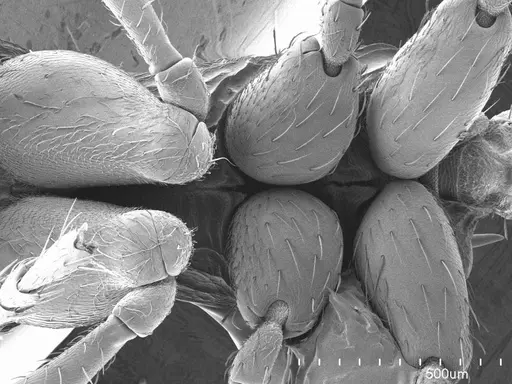
ANTWEB1041601
View on AntWeb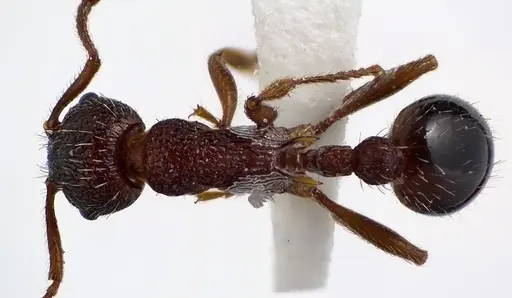
ANTWEB1041724
View on AntWeb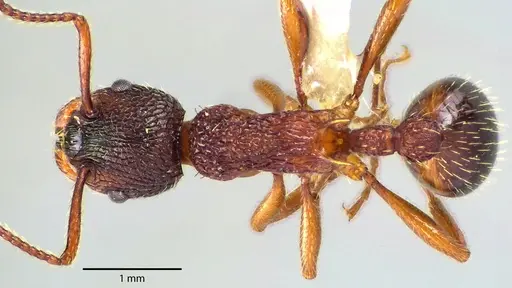
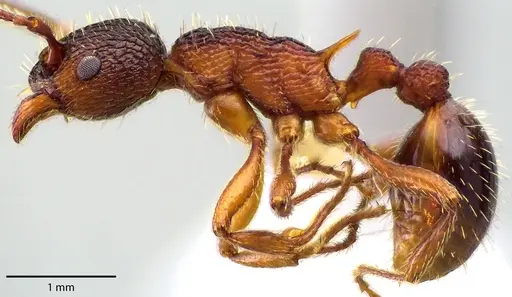
ANTWEB1041799
View on AntWeb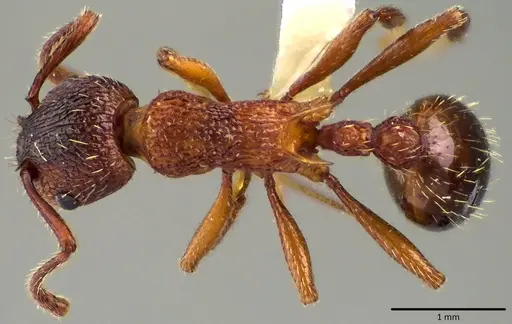
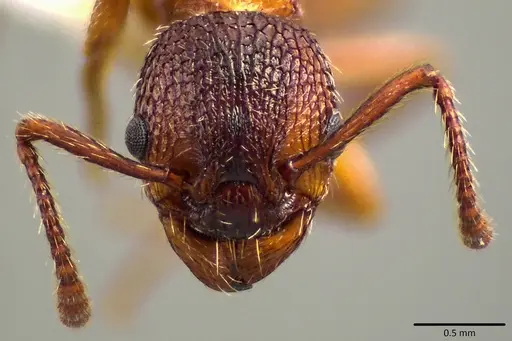
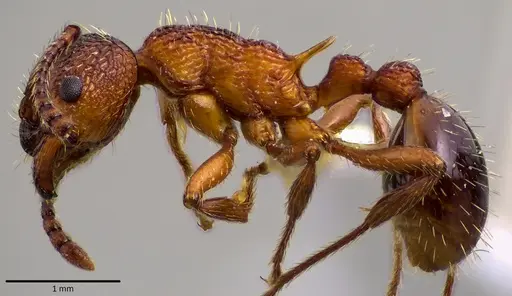
ANTWEB1041800
View on AntWeb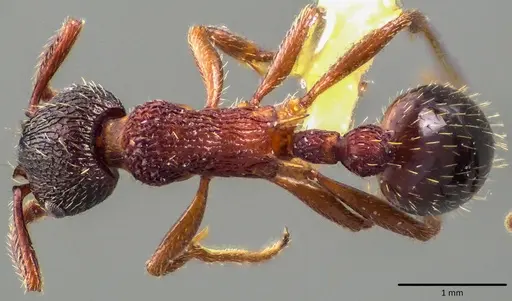
CASENT0179857
View on AntWeb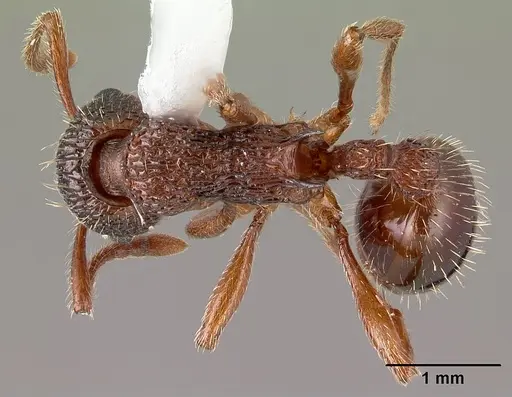
CASENT0649125
View on AntWeb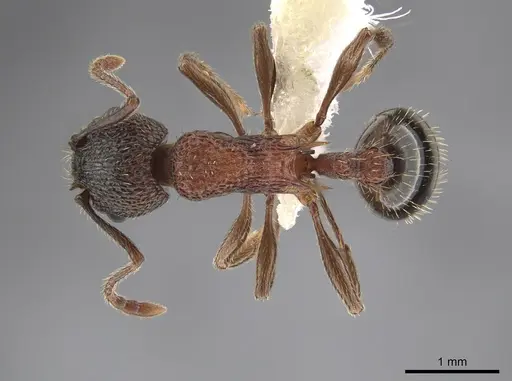
CASENT0922744
View on AntWeb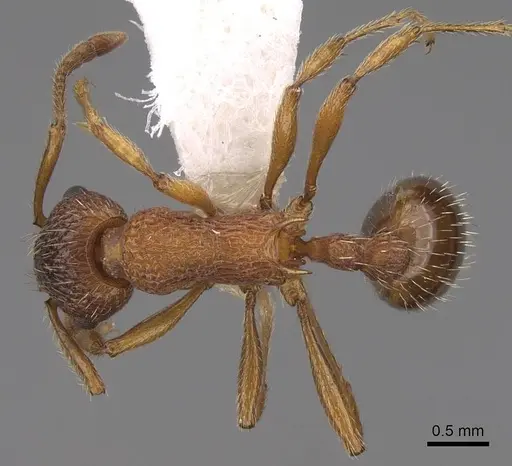
Literature
Loading distribution map...Loading products...