
Myrmica ademonia
- Sci. Name
- Myrmica ademonia
- Tribe
- Myrmicini
- Subfamily
- Myrmicinae
- Author
- Bolton, 1995
- Distribution
- Found in 1 countries
Introduction
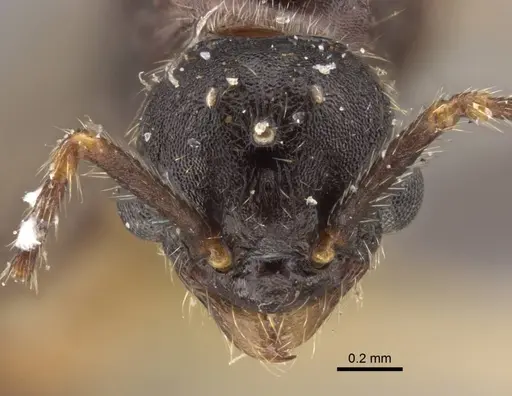
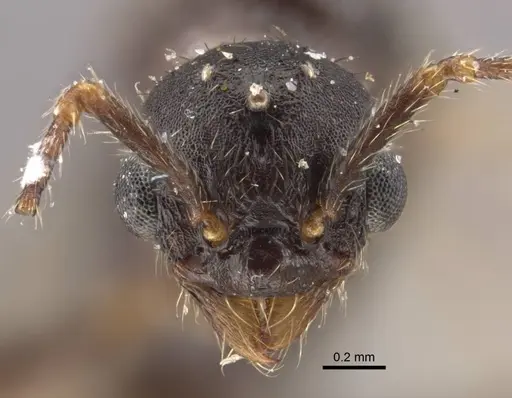
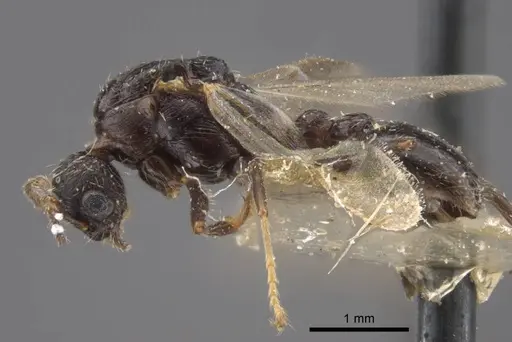
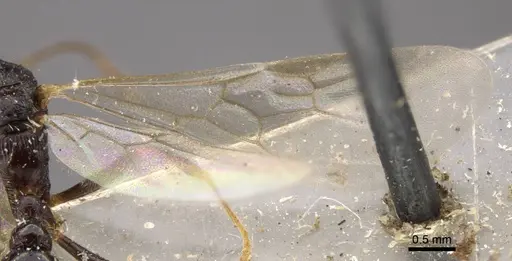
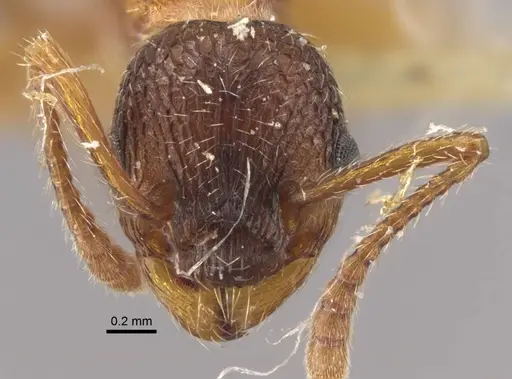
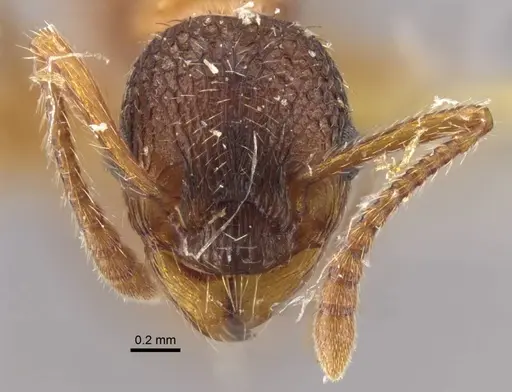
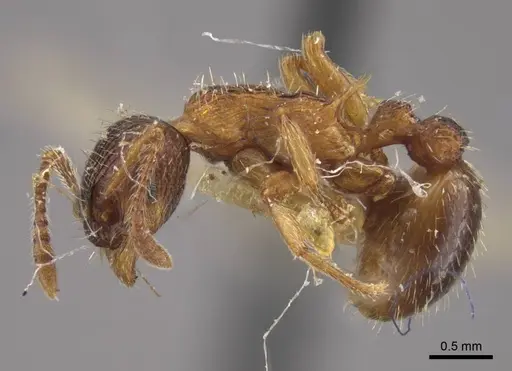
Myrmica ademonia is a small ant species native to the southern Russian Far East and Korean Peninsula. Workers are reddish-brown with notably long, sharp propodeal spines that point upward at an acute angle - this is the key identifying feature that distinguishes them from the similar Myrmica sulcinodis. The species belongs to the sulcinodis-complex, a group of Myrmica ants known for their spiny appearance. All three castes (workers, queens, and males) have been documented. The name 'ademonia' was coined by Bolton as a replacement for the junior homonym 'aspersa', derived loosely from the Latin 'ademptio' meaning 'to take away' . This species is notable for its strong preference for nesting in decaying wood rather than soil - a trait that sets it apart from many other Myrmica species, particularly Myrmica sulcinodis which nests directly in coarse sandy soil or under stones. Found in cool, damp forest environments at higher altitudes in Korea (600-1500m), these ants have adapted to life in damp, shaded forest floors where they nest in rotting logs and fallen branches .
Quick Summary
- Difficulty: Medium
- Origin & Habitat: Southern Russian Far East (Khabarovsk, Primorye, Kuril Islands) and Korean Peninsula. In Russia, it inhabits mixed and deciduous forests, nesting primarily in decayed wood and rarely in soil. In Korea, it lives in mixed forests (oak, maple, elm, pine, fir) at altitudes between 600-1500m, though it has also been found in wetter areas at lower elevations around 200m [1][2].
- Colony Type: Colony structure is unconfirmed for this specific species.
- Size & Growth:
- Queen: Size data unavailable, no specific measurements exist for this species. Based on typical Myrmica genus patterns, queens are likely in the 5-7mm range.
- Worker: Size data unavailable, no specific measurements exist for this species. Based on typical Myrmica genus patterns, workers are likely in the 4-6mm range.
- Colony: Colony size is not documented for this specific species. Myrmica colonies typically reach several hundred to a few thousand workers at maturity.
- Growth: Moderate, typical for Myrmica species
- Development: Development time is unconfirmed for this species. Based on typical Myrmica genus patterns, expect approximately 6-10 weeks from egg to worker emergence. (Development time depends on temperature, cooler temperatures slow development significantly.)
- Antkeeping:
- Temperature: Keep around 18-22°C. This species prefers cooler conditions typical of its northern forest habitat. Avoid overheating, temperatures above 25°C may be stressful. A gentle temperature gradient allows workers to choose their preferred zone.
- Humidity: High humidity is essential, these are damp forest ants. Keep the nest substrate consistently moist but not waterlogged. The nesting chamber should feel damp to the touch. Provide a water reservoir in test tube setups and mist the outworld regularly.
- Diapause: Yes, Myrmica species require a winter dormancy period. Keep colonies at 5-10°C for 3-4 months (roughly October to February in the Northern Hemisphere) to simulate natural seasonal cycles. Reduce feeding and keep the colony slightly cooler during this period.
- Nesting: Decaying wood specialist, prefers nesting in moist, rotting wood or wood-based substrates. In captivity, a Y-tong (AAC) nest with wood inserts or a naturalistic setup with damp wood pieces works well. Test tubes with cotton water reservoirs are suitable for founding colonies. Avoid dry, sandy substrates, this species avoids the coarse soil and stone habitats that other Myrmica species prefer.
- Behavior: Workers are moderately active and forage actively in the outworld. Like most Myrmica species, they have a functional stinger and can deliver a mild sting if provoked, though they are not particularly aggressive. They use chemical recruitment to alert nestmates to food sources. Escape risk is moderate, these ants are not strong climbers but can climb smooth surfaces. Use standard barrier methods (fluon on rim edges). Workers are reddish-brown and may be confused with other Myrmica species if not examined closely.
- Common Issues: dry nesting material is the most common killer, these ants need constant moisture., overheating causes rapid colony decline, keep away from direct heat sources and warm rooms., colonies often fail during first hibernation if not properly prepared or if temperature fluctuates wildly., wild-caught colonies may harbor parasites that can devastate captive colonies., their preference for wood nesting means standard test tube setups may need modification with damp wood inserts.
Nest Preferences and Housing
Myrmica ademonia is a wood-nesting specialist. In the wild, it almost exclusively nests in decaying wood, fallen logs, rotting branches, and similar damp, soft wood substrates. This is a key difference from species like Myrmica sulcinodis that nest directly in soil or under stones. For captive care, provide a nest environment that mimics this wood-preference. A Y-tong (AAC) formicarium with wood inserts or a naturalistic setup with pieces of damp, rotting wood works best. Test tube setups can work for founding colonies if you add a small piece of damp wood or bark for the queen to adopt. The nesting area must stay consistently moist, these ants will abandon chambers that dry out. Avoid completely dry formicaria or sandy soil nests that work for other species [2].
Temperature and Seasonal Care
This species prefers cooler temperatures than many commonly kept ants. Keep the nest area between 18-22°C, this mimics the cool forest floor conditions of its natural habitat in the Russian Far East and Korean Peninsula. Room temperature is often suitable, but avoid placing colonies near heating vents, radiators, or in warm rooms. Overheating is a common killer of Myrmica ademonia colonies. During summer months, ensure good ventilation and consider moving the colony to a cooler location if room temperatures exceed 25°C. A heating cable on only one side of the nest can create a useful gradient, allowing workers to move between warmer and cooler areas. In winter, provide a proper diapause (winter rest) at 5-10°C for 3-4 months, this is essential for colony health and reproduction.
Feeding and Diet
Like other Myrmica species, Myrmica ademonia is omnivorous with a preference for protein-rich foods. Feed a varied diet including small insects (fruit flies, small crickets, mealworms), and offer sugar sources such as honey water or sugar water regularly. In the wild, they forage for small invertebrates and likely tend aphids for honeydew. Feed protein sources 2-3 times per week, and keep a constant sugar water supply. Remove uneaten prey after 24-48 hours to prevent mold. Workers will recruit nestmates to larger food finds using chemical trails. A varied diet supports healthy brood development and colony growth.
Humidity Requirements
High humidity is critical for this species, they are forest-floor ants from damp environments. The nest substrate should feel consistently moist but never waterlogged. In test tube setups, use a water reservoir with cotton wick that keeps the chamber humid without flooding. In formicaria, mist the nest area regularly and consider adding a water reservoir. The outworld should also have some moisture, occasional misting helps. However, avoid stagnant, overly wet conditions that promote mold. The key is consistent dampness: dry nesting material causes colony abandonment or death faster than almost any other factor. Monitor moisture daily and rehydrate before the substrate surface dries out.
Hibernation and Winter Care
Myrmica ademonia requires a winter dormancy period to maintain healthy colony cycles. This diapause mimics the harsh winters of its native range in the Russian Far East and Korean Peninsula. From roughly October through February (3-4 months), reduce the colony temperature to 5-10°C. This can be achieved by moving the colony to a cool basement, unheated garage, or refrigerator (for small setups). During hibernation, reduce feeding significantly, the colony will be mostly inactive. Do not feed during the deepest winter rest. Ensure the nesting material remains slightly moist throughout hibernation, check periodically and add a few drops of water if needed. Proper hibernation promotes queen fertility and helps synchronize the colony's annual cycle with natural rhythms.
Frequently Asked Questions
What is the best nest type for Myrmica ademonia?
A Y-tong (AAC) formicarium with wood inserts or a naturalistic setup with damp wood pieces works best. This species naturally nests in decaying wood, so providing wood-based nesting material is ideal. Test tubes with a small piece of damp wood or bark can work for founding colonies.
How long does it take for the first workers to emerge?
Development time is unconfirmed for this species. Based on typical Myrmica genus patterns, expect first workers (nanitics) approximately 6-10 weeks after the queen lays eggs. Development time depends on temperature, cooler temperatures slow development significantly.
Do Myrmica ademonia ants sting?
Yes, Myrmica ademonia has a functional stinger and can deliver a mild sting if handled roughly or if the colony feels threatened. The sting is not dangerous to healthy humans but can be irritating. These ants are not particularly aggressive, they will typically flee rather than attack.
What temperature do Myrmica ademonia colonies need?
Keep nest temperatures between 18-22°C. This species prefers cooler conditions typical of northern forest habitats. Avoid temperatures above 25°C, as overheating quickly stresses or kills colonies. Room temperature is often suitable.
Do Myrmica ademonia need hibernation?
Yes, a winter dormancy period is essential. Keep colonies at 5-10°C for 3-4 months during winter (roughly October to February). This diapause is required for colony health and helps synchronize their annual cycle with natural seasonal rhythms.
How often should I feed Myrmica ademonia?
Feed protein sources (small insects) 2-3 times per week. Keep a constant supply of sugar water (honey water or sugar water) available. Remove uneaten prey after 24-48 hours to prevent mold. During hibernation, reduce or eliminate feeding.
Why is my Myrmica ademonia colony dying?
The most common causes are: dry nesting material (these ants need constant moisture), overheating (keep below 25°C), improper hibernation, or parasites from wild-caught colonies. Check humidity levels first, dry conditions kill these damp-forest ants quickly.
Can I keep multiple queens together?
Combining unrelated queens of this species has not been documented. Based on typical Myrmica behavior, it is not recommended, queens will likely fight. Start with a single founding queen for best success.
How big do Myrmica ademonia colonies get?
Colony size is not documented for this specific species, but Myrmica colonies typically reach several hundred to a few thousand workers at maturity. Growth is moderate, expect several years to reach large colony size.
Is Myrmica ademonia good for beginners?
This species is rated as medium difficulty. While not the hardest ant to keep, it has specific humidity and temperature requirements that differ from more adaptable species. Its preference for wood nesting and cooler temperatures requires more specialized setup than typical test-tube species. Not recommended as a first ant, but manageable for keepers with some experience.
Report an Issue
The current care sheet is based fully on literature. See inconsistencies, or something that's incorrect? Please , it will be resolved after review from an admin. Contributing to the blogs tab also helps providing information, to make us be able to further improve the caresheets. Thank you for your support!
References

This caresheet is licensed under CC BY-SA 4.0 .
Community Blogs
CASENT0917679
View on AntWeb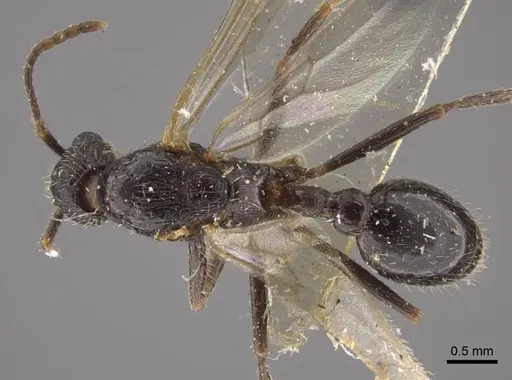
CASENT0917680
View on AntWeb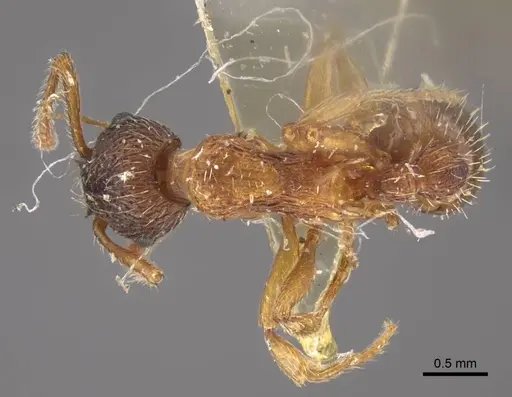
Literature
Loading distribution map...Loading products...