
Myrmelachista skwarrae
- Sci. Name
- Myrmelachista skwarrae
- Tribe
- Myrmelachistini
- Subfamily
- Formicinae
- Author
- Wheeler, 1934
- Distribution
- Found in 3 countries
Introduction
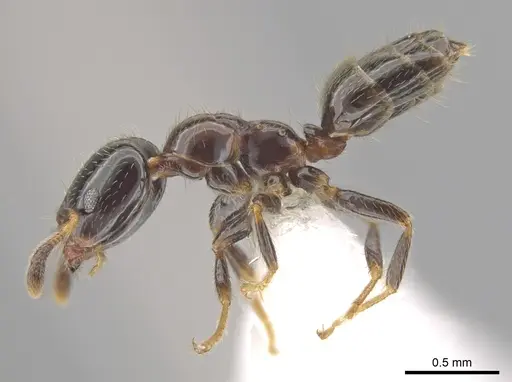
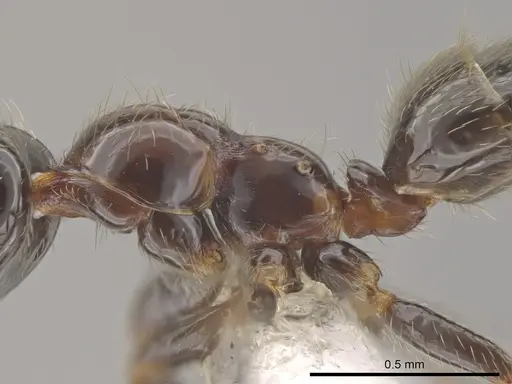
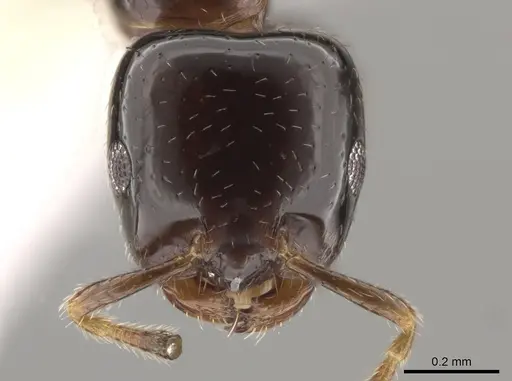
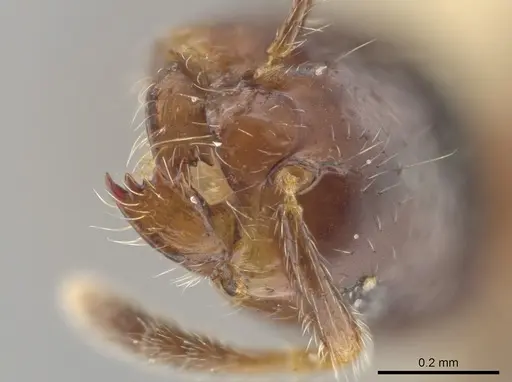
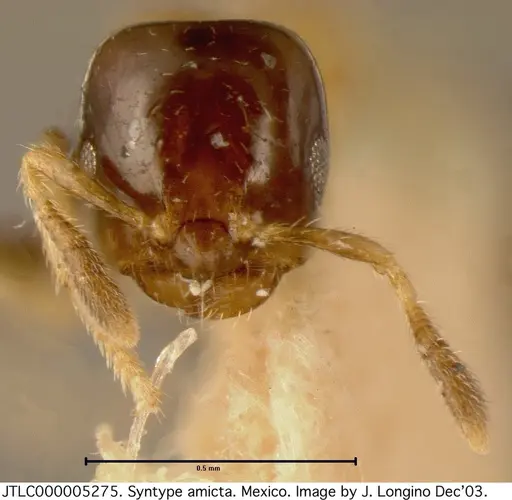
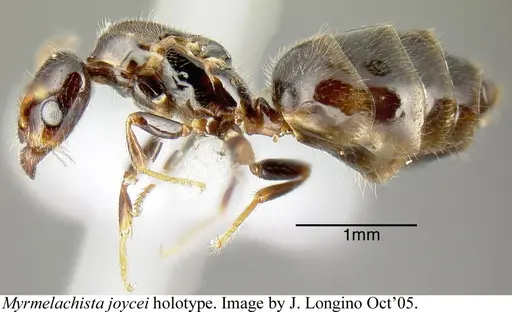
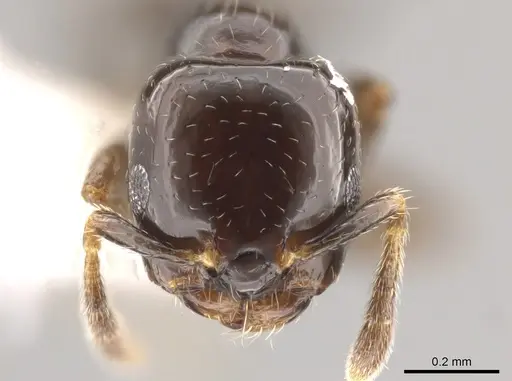
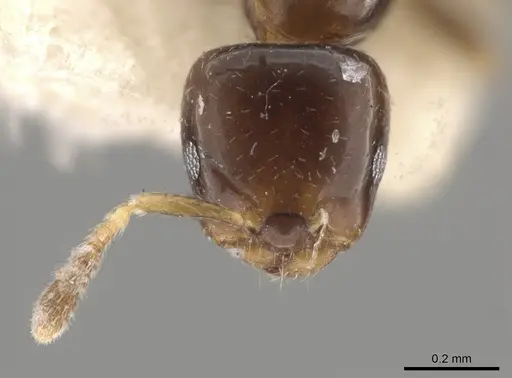
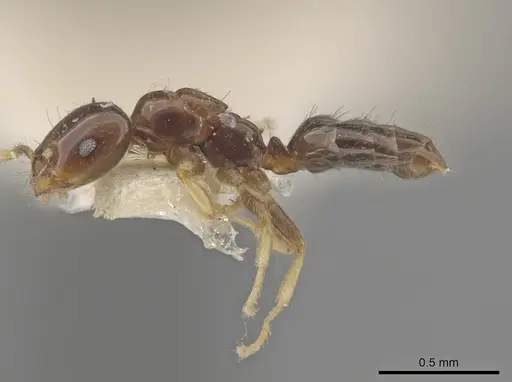
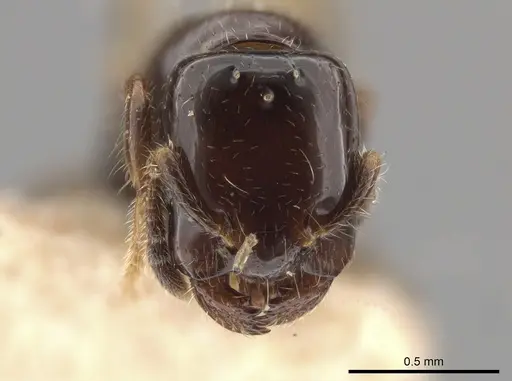
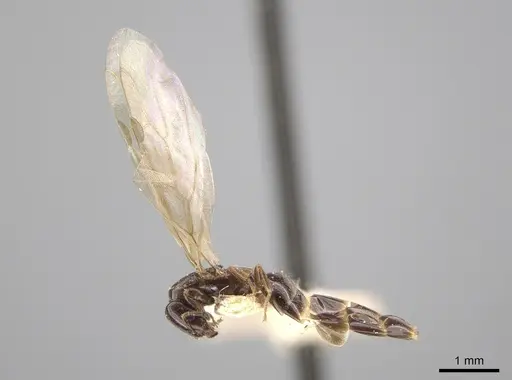
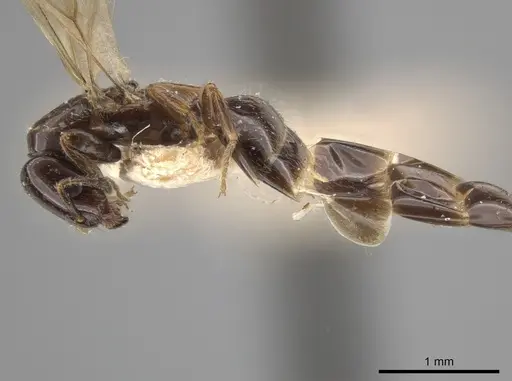
Myrmelachista skwarrae is a tiny arboreal ant native to Mexico and Guatemala. Workers measure 2-2.5 mm and are mostly black with brownish-yellow markings on their legs, antennae, and neck area. Queens are larger at 3-4 mm and have similar dark coloring with yellowish leg joints. This species has nine antennal segments and nests inside plant cavities, particularly bromeliads . These ants are arboreal, living in plants rather than on the ground, making them a unique species to keep .
Quick Summary
- Difficulty: Medium
- Origin & Habitat: Native to central Mexico (Hidalgo, Morelos, Veracruz) and Guatemala in the Neotropical region. They live in tropical areas where they nest inside plant cavities, especially bromeliads like Tillandsia species [1][3].
- Colony Type: Colony structure is unconfirmed. No specific data on queen number or social structure for this species.
- Size & Growth:
- Queen: 3-4 mm [2]
- Worker: 2-2.5 mm [2]
- Colony: Unknown
- Growth: Unknown
- Development: Unknown, no direct studies. Based on related Formicinae ants, estimate 6-10 weeks at warm temperatures. (Development timeline is unconfirmed. Related arboreal ants in similar climates typically develop in 6-10 weeks at optimal temperatures.)
- Antkeeping:
- Temperature: Keep warm, around 22-26°C, based on subtropical Mexico habitat.
- Humidity: Keep nest substrate moist but not waterlogged, with some drier areas available.
- Diapause: Unknown, no data on hibernation for this species.
- Nesting: Prefer arboreal setups with tight chambers. Use small nests scaled to their tiny size, such as Y-tong or plaster nests with narrow spaces.
- Behavior: Generally peaceful and non-aggressive. Workers are small and inconspicuous, foraging quietly. Based on Formicinae patterns, they likely use formic acid for defense and are docile. Their tiny size means high escape risk, use fine mesh barriers.
- Common Issues: escape prevention is critical due to tiny worker size, humidity control can be tricky for arboreal species, wild-caught colonies may be difficult to establish, slow colony growth may frustrate beginners, established colonies are rare, making acquisition challenging
Nest Preferences and Housing
Myrmelachista skwarrae is an arboreal species that naturally nests inside plant cavities, particularly bromeliads [1]. In captivity, provide a nest with tight, appropriately-sized chambers scaled to their tiny 2-2.5mm worker size. Use small Y-tong or plaster nests with narrow spaces, these provide the dark, enclosed environments they prefer. Avoid large open formicaria, these ants feel exposed in spacious setups. Ensure proper ventilation to prevent mold, and include climbing structures since they are arboreal.
Feeding and Diet
Myrmelachista ants are likely omnivorous generalists. Offer sugar sources like honey water constantly for energy, and protein sources like small insects (fruit flies, pinhead crickets) every few days. Prey items should be appropriately sized for their tiny stature. Remove uneaten food after 24 hours to maintain hygiene.
Temperature and Seasonal Care
Native to subtropical Mexico, this species prefers warm conditions. Maintain temperatures around 22-26°C for optimal activity. A gentle temperature gradient allows workers to regulate their exposure. During cooler months, room temperature is likely sufficient, but avoid cold drafts. True hibernation is not documented, so do not force cold exposure. [3]
Behavior and Colony Dynamics
This is a peaceful, inconspicuous species. Workers are slender and dark, foraging quietly through tight spaces. Based on Formicinae patterns, they likely use formic acid for defense and are not aggressive. Queens are larger than workers and should be handled gently during establishment. Colony growth is slow initially, then gradual.
Frequently Asked Questions
How long does it take for Myrmelachista skwarrae to produce first workers?
The exact timeline is unknown. Based on related Formicinae ants, expect 6-10 weeks from egg to first worker at warm temperatures (22-26°C).
Can I keep Myrmelachista skwarrae in a test tube?
Test tubes can work for founding colonies, but these tiny ants need very small chambers. Once the colony reaches 10-20 workers, move to a small nest with tight spaces.
What do Myrmelachista skwarrae eat?
They are likely omnivores. Offer sugar water constantly and protein like small insects every few days. Remove uneaten prey after 24 hours.
Are Myrmelachista skwarrae good for beginners?
This species is rated as medium difficulty. They require careful escape prevention and humidity control, but their peaceful nature makes them manageable. They are not commonly available.
How big do Myrmelachista skwarrae colonies get?
Colony size is not well documented, but based on their small worker size and arboreal nesting, colonies are likely small.
Do Myrmelachista skwarrae need hibernation?
True hibernation is not documented for this species. They are from subtropical Mexico and may reduce activity in cooler months, but do not require cold dormancy.
Why are my Myrmelachista skwarrae escaping?
Their tiny 2-2.5mm size means they can squeeze through gaps. Use fine mesh barriers and ensure all seams are tight.
When should I move my colony to a formicarium?
Move from a founding test tube to a small nest once the colony reaches 10-20 workers and the test tube becomes crowded. Use a small nest with tight chambers.
Can I keep multiple Myrmelachista skwarrae queens together?
This has not been studied for this species. Single-queen colonies are likely, but combining queens is not recommended without evidence.
Report an Issue
The current care sheet is based fully on literature. See inconsistencies, or something that's incorrect? Please , it will be resolved after review from an admin. Contributing to the blogs tab also helps providing information, to make us be able to further improve the caresheets. Thank you for your support!
References

This caresheet is licensed under CC BY-SA 4.0 .
Community Blogs
CASENT0280544
View on AntWeb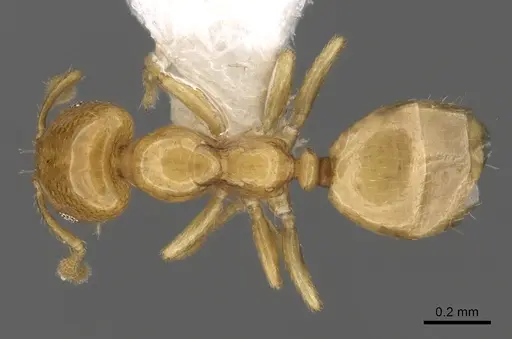
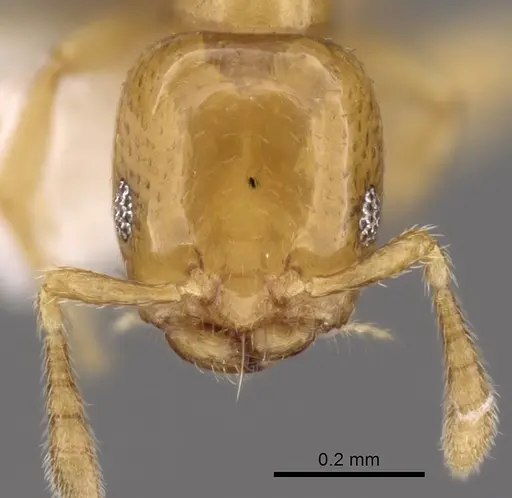
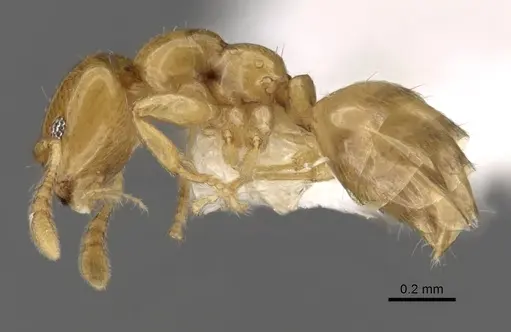
CASENT0280554
View on AntWeb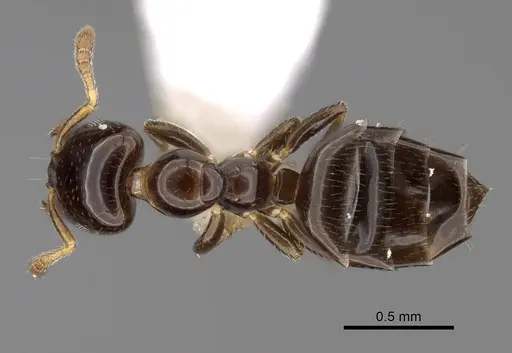
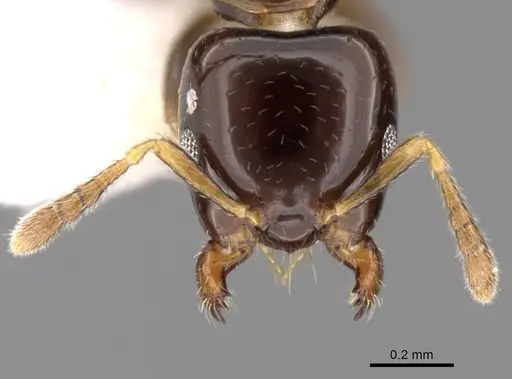
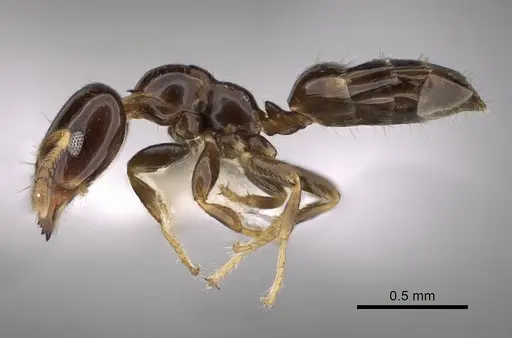
CASENT0612658
View on AntWeb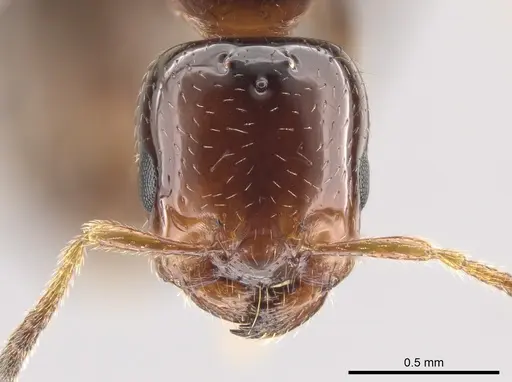
CASENT0637184
View on AntWeb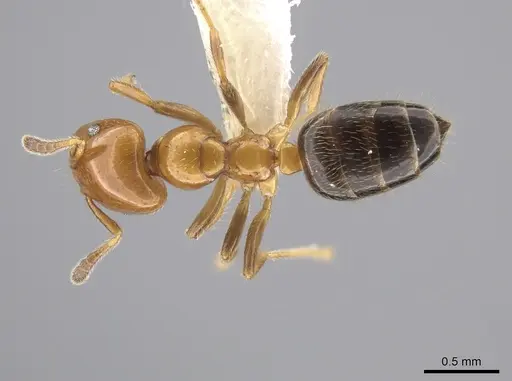
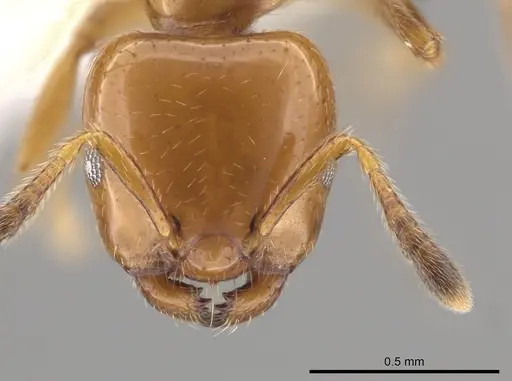
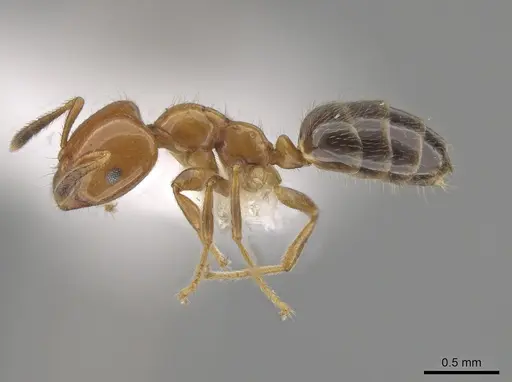
CASENT0650957
View on AntWeb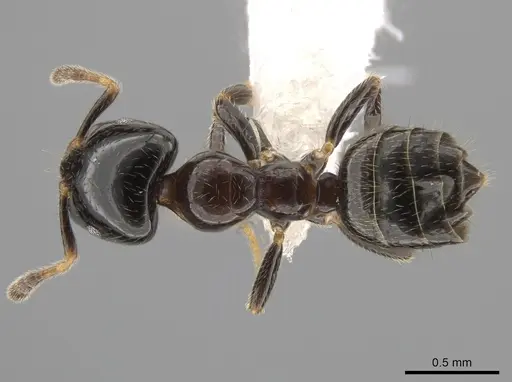
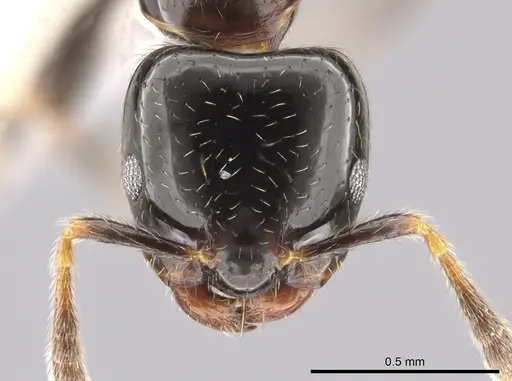
CASENT0650958
View on AntWeb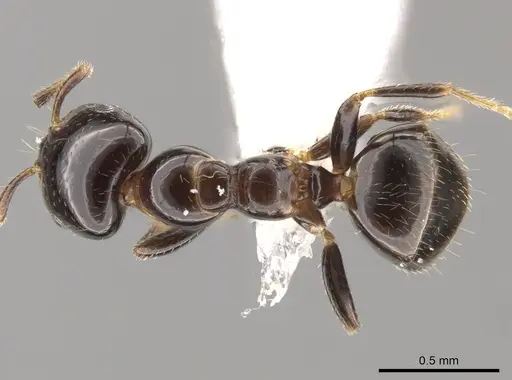
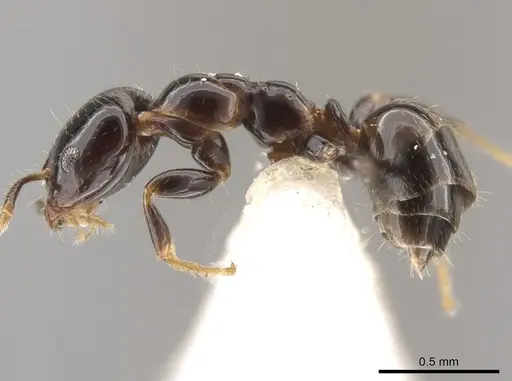
INB0003659381
View on AntWeb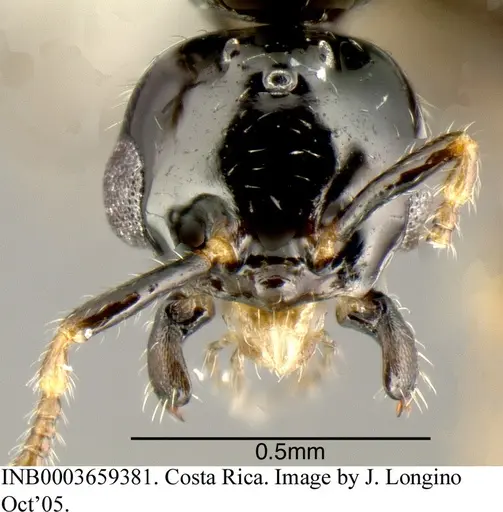
JTLC000002756
View on AntWeb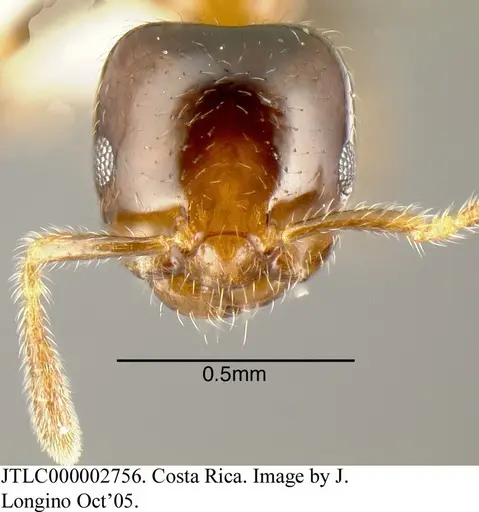
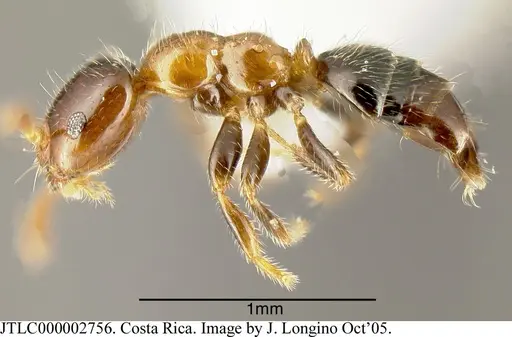
JTLC000002766
View on AntWeb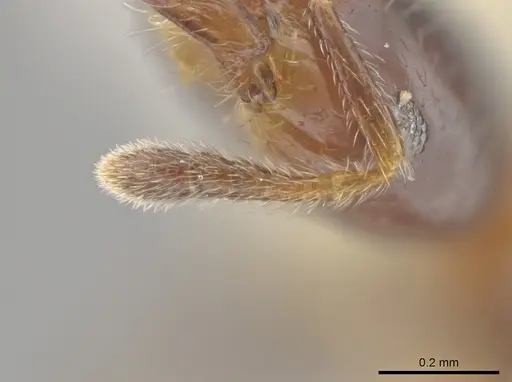
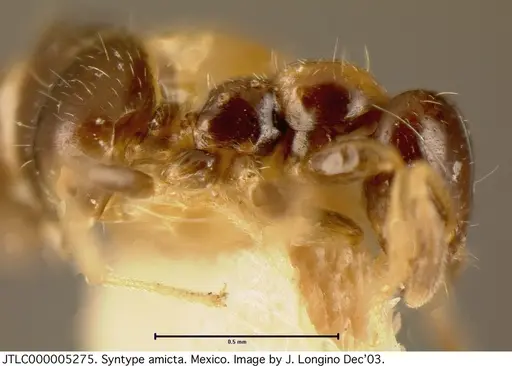
JTLC000005275
View on AntWeb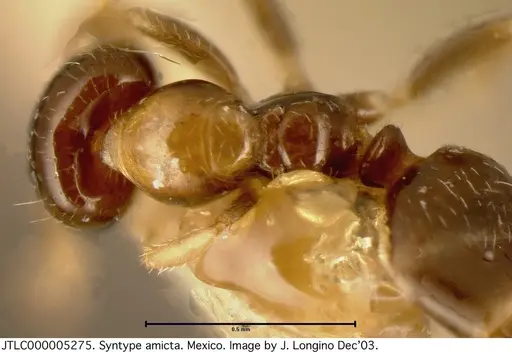
JTLC000005411
View on AntWeb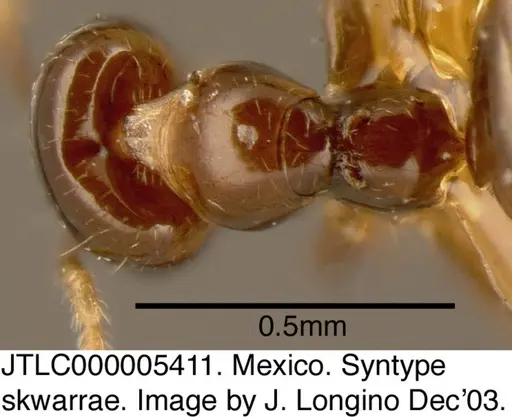
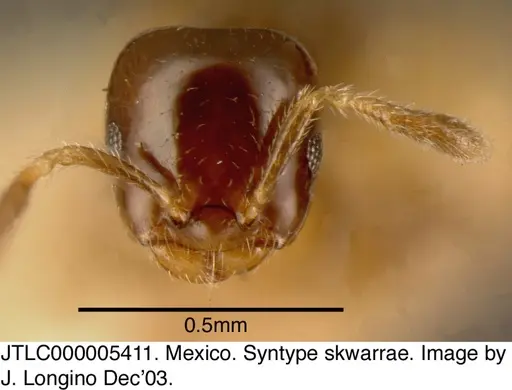
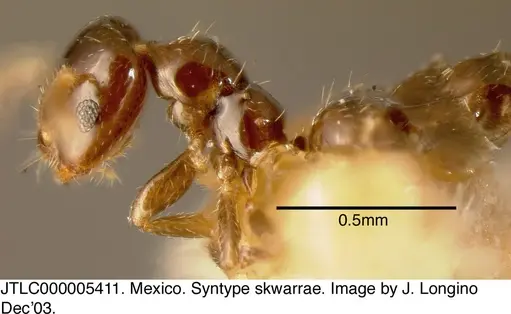
JTLC000006202
View on AntWeb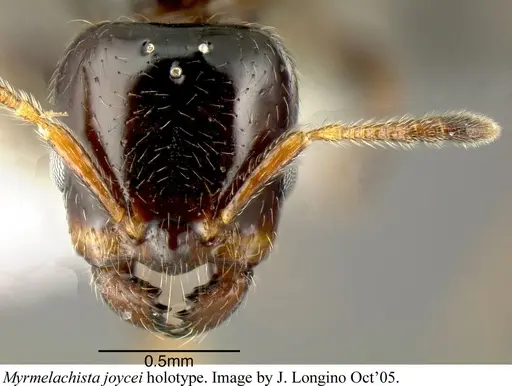
JTLC000007445
View on AntWeb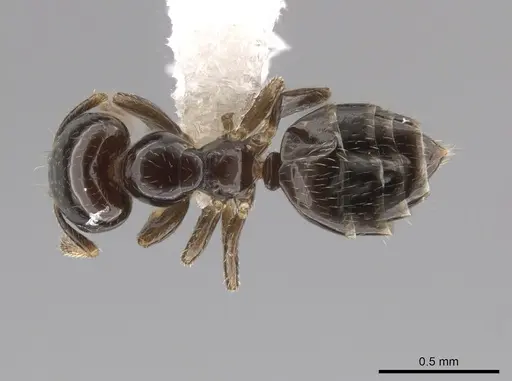
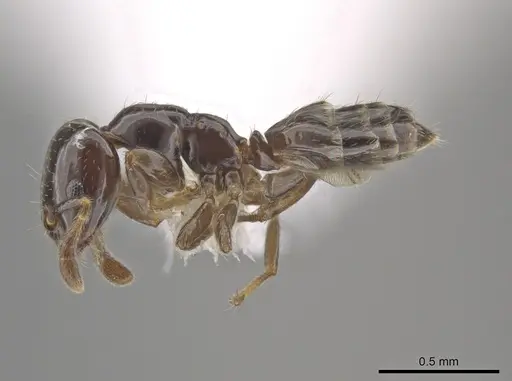
JTLC000010267
View on AntWeb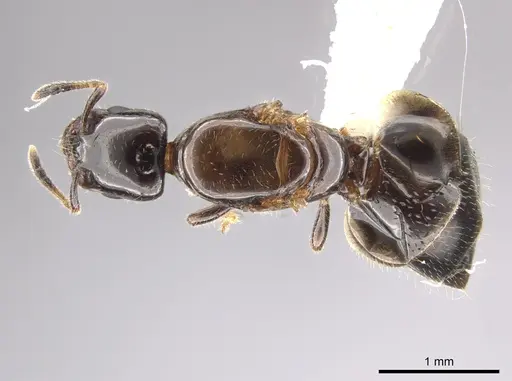
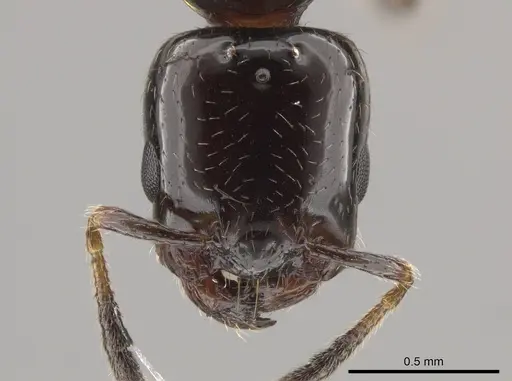
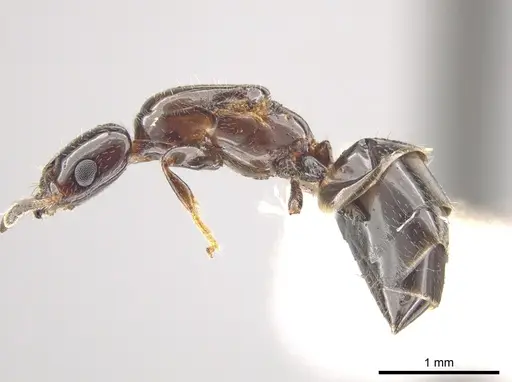
MCZ-ENT00730771
View on AntWeb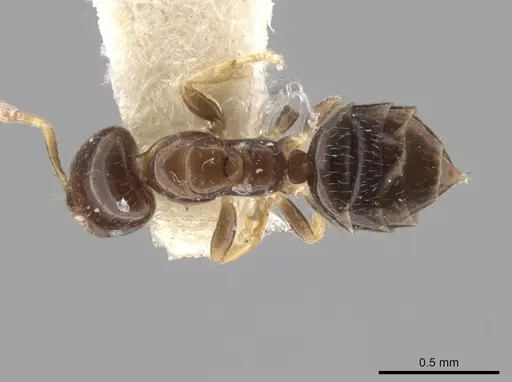
MCZ-ENT00793522
View on AntWeb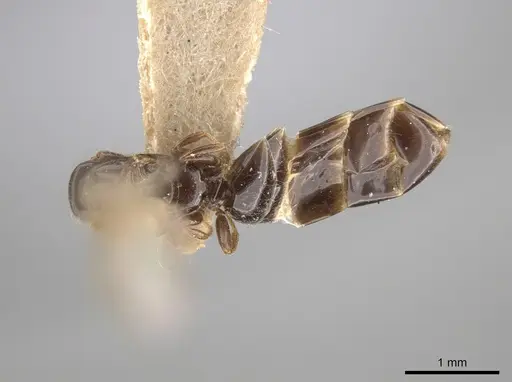
Literature
Loading distribution map...Loading products...