
Myrmelachista schumanni
- Sci. Name
- Myrmelachista schumanni
- Tribe
- Myrmelachistini
- Subfamily
- Formicinae
- Author
- Emery, 1890
- Distribution
- Found in 6 countries
Introduction
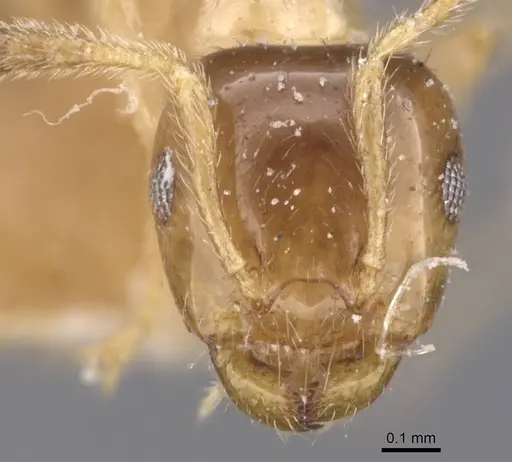
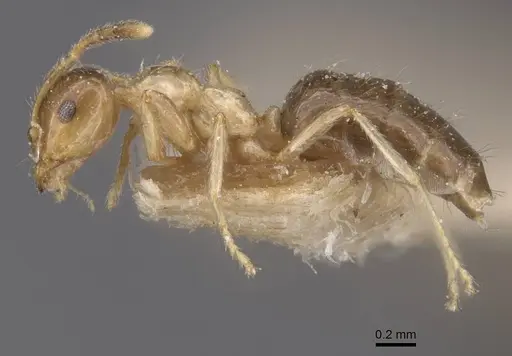
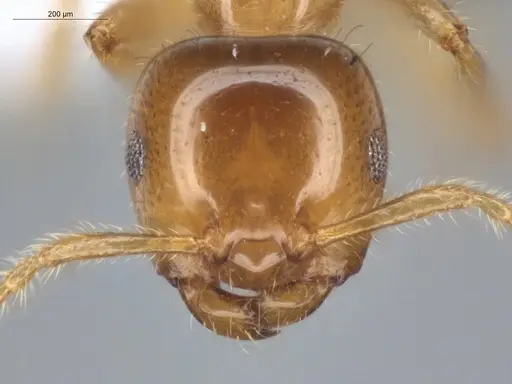
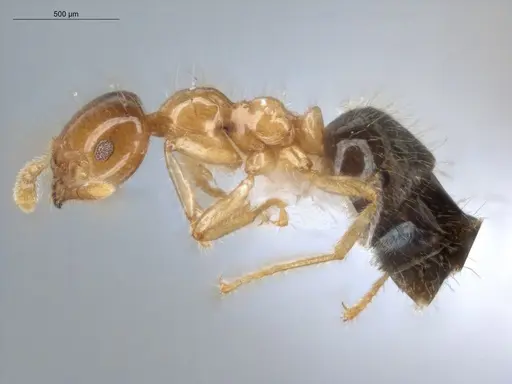
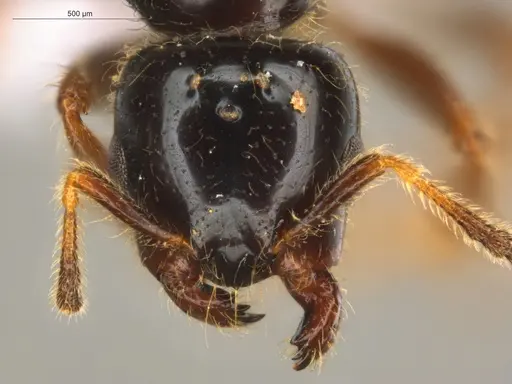
Myrmelachista schumanni is a small tropical ant species native to the Amazon region of Bolivia, Colombia, and Peru. This species is famous for its extraordinary mutualistic relationship with Duroia hirsuta and Tococa plants - it creates 'devil's gardens, ' which are monodominant stands of these host plants by systematically poisoning all competing vegetation with formic acid. This is the first documented case of an ant using formic acid as a herbicide. Colonies are polygynous (multiple egg-laying queens) and can grow absolutely massive - up to 3 million workers and 15,000 queens across hundreds of host trees, with some colonies estimated to live for 800 years .
Quick Summary
- Difficulty: Expert
- Origin & Habitat: Amazon rainforest region of Bolivia, Colombia, and Peru. In nature, these ants live exclusively inside the hollow, swollen stems (domatia) of Duroia hirsuta and Tococa plants, creating devil's gardens in the understory [3][4][5].
- Colony Type: Highly polygynous colonies with multiple egg-laying queens, can have up to 15,000 queens in a single colony that spans hundreds of host trees [6][1].
- Size & Growth:
- Queen: Approximately 5-7mm, inferred from Myrmelachista genus patterns [7]
- Worker: Approximately 2-4mm, inferred from Myrmelachista genus patterns [7]
- Colony: Up to 3 million workers in mature colonies [1]
- Growth: Slow, tropical colonies grow continuously but can take years to reach full size
- Development: Approximately 6-8 weeks, inferred from related Formicinae species at tropical temperatures (Development is likely slower than temperate species due to stable tropical conditions, expect 2-3 months to first workers)
- Antkeeping:
- Temperature: Keep at 24-28°C, these are tropical ants requiring warm, stable conditions. Based on Amazon distribution.
- Humidity: High humidity essential. These ants naturally live inside plant stems in the humid understory, the nest area must remain consistently moist but not waterlogged. Based on tropical rainforest habitat.
- Diapause: No, as a tropical species, they do not require hibernation. Maintain warm conditions year-round.
- Nesting: This is an arboreal species that naturally nests inside hollow plant stems. In captivity, they do best in setups that mimic this, Y-tong nests, plaster nests with multiple chambers, or naturalistic setups with hollow twigs. They need tight, enclosed spaces scaled to their small size. Based on domatia-nesting behavior.
- Behavior: Workers are relatively docile compared to many ant species but will defend their colony aggressively if threatened. They are active foragers that tend to move in trails. Their most remarkable behavior is the systematic destruction of non-host plants using formic acid, workers bite small holes in leaf tissue and inject formic acid, causing leaf necrosis within 24 hours [1]. Escape prevention is important as they are small and can squeeze through small gaps. Their primary defense is formic acid spray used against plants and likely predators.
- Common Issues: tropical humidity requirements mean mold can be a serious problem if ventilation is poor, their specialized diet makes feeding challenging, they need live prey and honeydew/sugar sources, polygynous colonies can be difficult to establish from a single queen, their small size means escape prevention must be excellent, they are extremely difficult to acquire as they require host plant structures
The Devil's Garden Phenomenon
Myrmelachista schumanni is famous for creating 'devil's gardens', large patches of monodominant vegetation where only the host plants Duroia hirsuta and Tococa grow. This is one of the most remarkable mutualisms in the ant world. The ants systematically destroy all non-host plants by biting small holes in leaf tissue and injecting formic acid into the wounds. This causes leaf necrosis within 24 hours, and most attacked saplings lose their leaflets within five days [1]. A single colony can tend hundreds of Duroia trees, with one documented colony occupying 594 trees. These colonies can live for up to 800 years, making them among the longest-lived organisms on Earth [6][1]. In return, the host plants provide hollow stems (domatia) for the ants to nest in, and the ants provide protection, debris removal, and nutrient-rich waste.
Housing and Nest Setup
This species presents unique challenges for antkeepers because it naturally nests inside living plant stems. In captivity, you should provide a setup that mimics their natural arboreal nesting sites. Y-tong nests or plaster nests with multiple connected chambers work well. The key is maintaining high humidity while ensuring good ventilation to prevent mold. Because they are small, escape prevention must be excellent, use fine mesh barriers and ensure all connections are tight. A naturalistic setup with hollow twigs or bamboo sections can also work, but humidity control is more difficult. Keep the nest area consistently moist but never allow standing water. [3][4]
Feeding and Nutrition
In the wild, M. schumanni tends to a wide variety of insects and likely feeds on honeydew from the host plants. They are generalist predators that capture small arthropods. In captivity, offer small live prey such as fruit flies, pinhead crickets, and small mealworms. Sugar sources should be available, offer honey water or sugar water regularly, though acceptance may vary. They produce formic acid, so they likely have higher protein requirements to support this chemical production. Feed small amounts of protein 2-3 times per week and keep sugar water constantly available. [1]
Temperature and Seasonal Care
As a tropical Amazon species, M. schumanni requires warm, stable temperatures year-round. Keep the nest area at 24-28°C with minimal variation. Unlike temperate ants, they do not require hibernation or cooling periods. A heating cable or mat on one side of the nest can help maintain optimal temperatures, but always provide a temperature gradient so ants can self-regulate. Room temperature in most homes may be too cool, consider using a thermostat-controlled heater for the ant room or a small heating element. Sudden temperature drops can stress colonies and slow or stop brood development. [4][5]
Colony Structure and Growth
M. schumanni colonies are polygynous from the start, they can have multiple egg-laying queens. A single wild colony can contain up to 15,000 queens and 3 million workers spread across hundreds of host trees [1]. This makes them one of the largest and most complex ant colonies known. In captivity, expect slow growth, these ants prioritize long-term colony survival over rapid expansion. A well-established captive colony may take several years to reach a few thousand workers. The colony structure means multiple queens can coexist peacefully, which differs from many ant species where queens fight.
Defense Mechanisms
The most remarkable defense mechanism of M. schumanni is its use of formic acid as a herbicide, the first ant species documented using this strategy [1]. Workers bite small holes in non-host plant tissue and inject formic acid, killing the plant. Against predators, they can spray formic acid, though this is less documented. In captivity, they are not particularly aggressive and rarely sting. Their small size means their sting is unlikely to penetrate human skin. The primary concern for keepers is the formic acid production, when alarmed, workers may release this chemical, which has a distinctive pungent odor.
Frequently Asked Questions
Can I keep Myrmelachista schumanni in a test tube?
Test tubes can work for founding colonies but are not ideal for long-term housing. This species naturally nests in plant stems and needs more space as the colony grows. A Y-tong or plaster nest is more appropriate for established colonies.
How long does it take for first workers to appear?
Expect approximately 6-8 weeks from egg to first worker at optimal tropical temperatures. This is based on related Formicinae species, the actual timeline may vary and could be slower.
Are devil's garden ants good for beginners?
No, this species is considered expert-level. They have very specific humidity and temperature requirements, need live prey, and are difficult to acquire. They also require specialized nesting setups that mimic their natural plant-stem habitat.
How big do Myrmelachista schumanni colonies get?
In the wild, colonies can reach 3 million workers and 15,000 queens across hundreds of host trees. In captivity, a few thousand workers would be an impressive colony size. They grow slowly but live for centuries.
Can I keep multiple queens together?
Yes, this species is naturally polygynous, meaning multiple egg-laying queens coexist in established colonies. Unlike many ant species, queens do not fight. However, combining unrelated foundress queens has not been documented.
What do I feed Myrmelachista schumanni?
Offer small live prey like fruit flies, pinhead crickets, and small mealworms 2-3 times per week. Keep sugar water or honey water constantly available. They are generalist predators with high protein needs to support formic acid production.
Do they need hibernation?
No, as a tropical Amazon species, they do not require hibernation. Keep them warm year-round at 24-28°C. Cooling them down can stress or kill the colony.
Why are my ants dying?
Common causes include: temperature too low or fluctuating, humidity too low or too high (causing mold), inadequate protein food, stress from disturbance, or escape/collection issues. This species is sensitive to environmental changes.
Where does Myrmelachista schumanni live in the wild?
They are found in the Amazon rainforest of Bolivia, Colombia, and Peru. They live exclusively inside the hollow stems of Duroia hirsuta and Tococa plants, creating devil's gardens in the forest understory.
Report an Issue
The current care sheet is based fully on literature. See inconsistencies, or something that's incorrect? Please , it will be resolved after review from an admin. Contributing to the blogs tab also helps providing information, to make us be able to further improve the caresheets. Thank you for your support!
References

This caresheet is licensed under CC BY-SA 4.0 .
Community Blogs
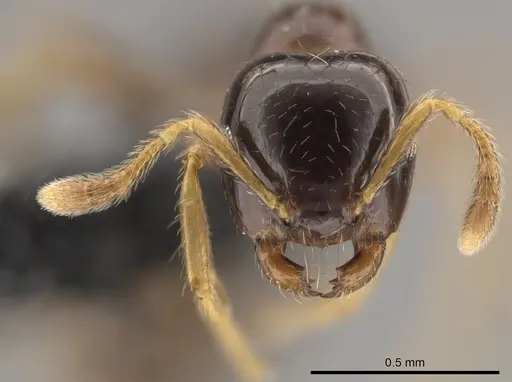
CASENT0280558
View on AntWeb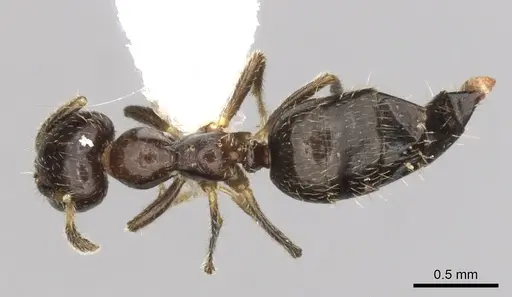
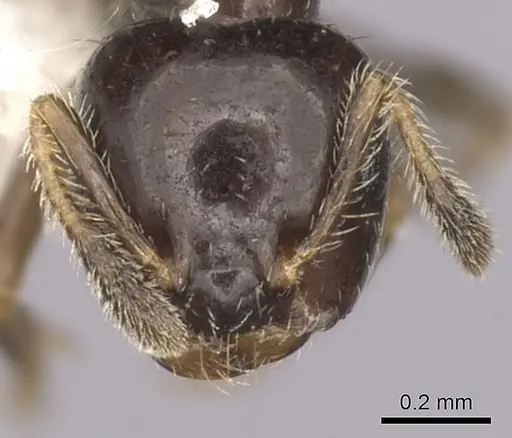
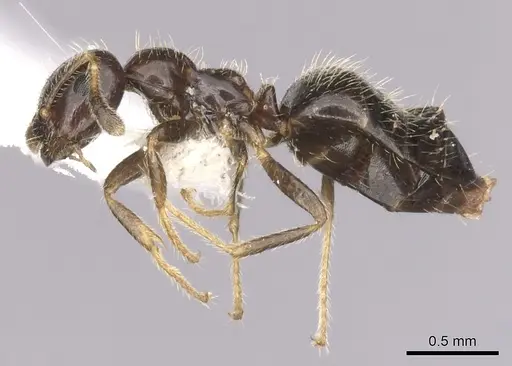
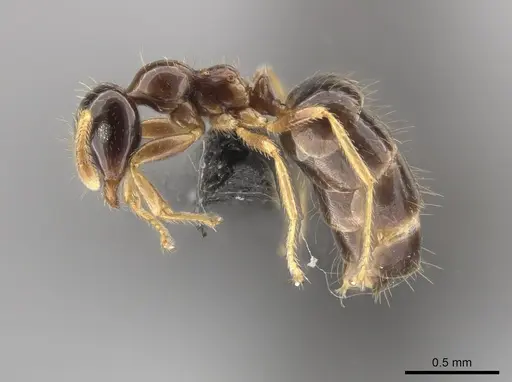
CASENT0647442
View on AntWeb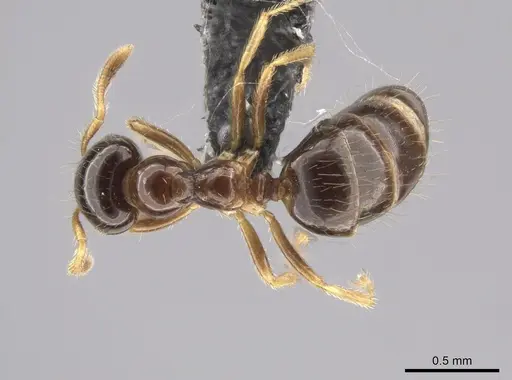
CASENT0652893
View on AntWeb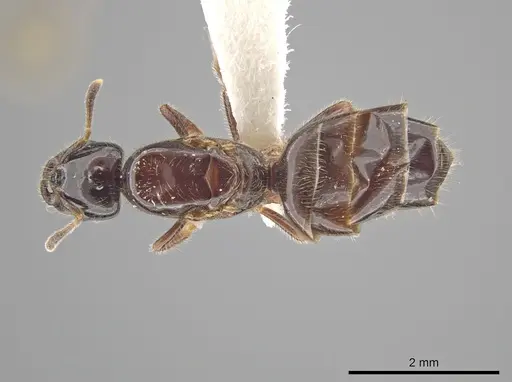
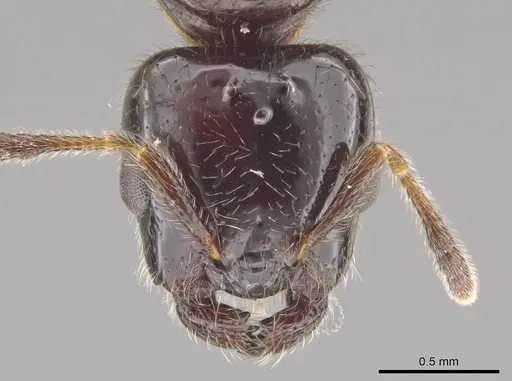
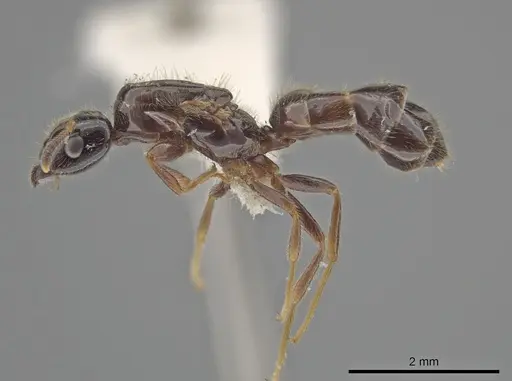
CASENT0905165
View on AntWeb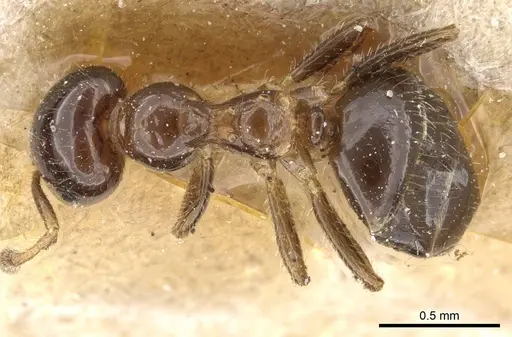
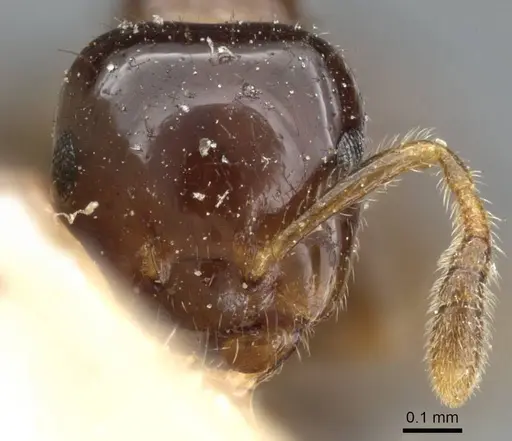
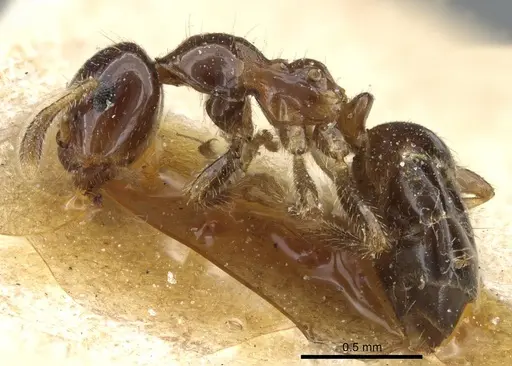
CASENT0912346
View on AntWeb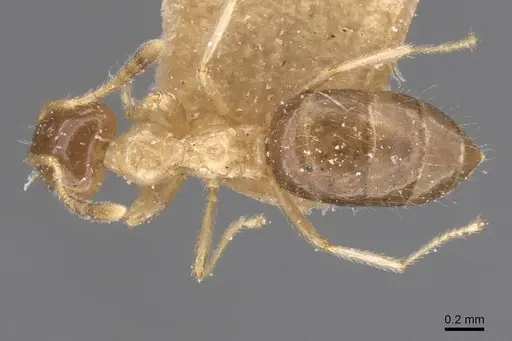
ECOFOG-HC-0017
View on AntWeb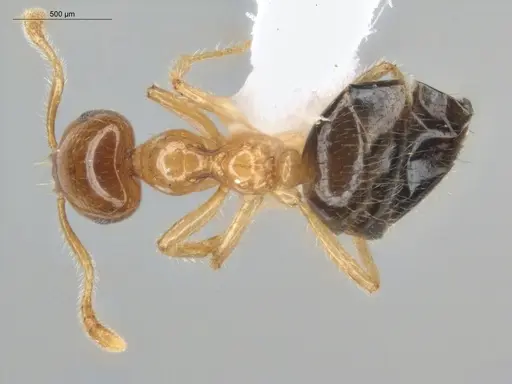
ECOFOG-IT24-0118-01-Q
View on AntWeb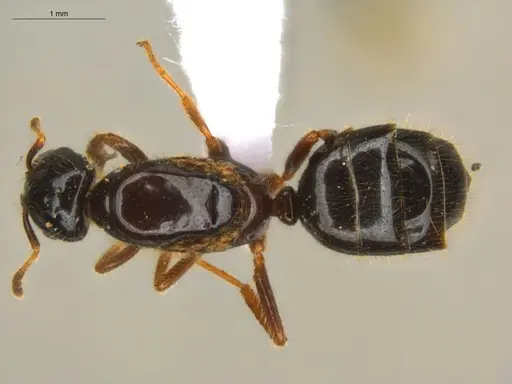
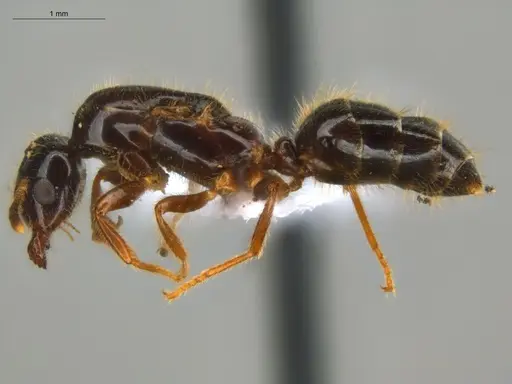
ECOFOG-IT24-0118-01
View on AntWeb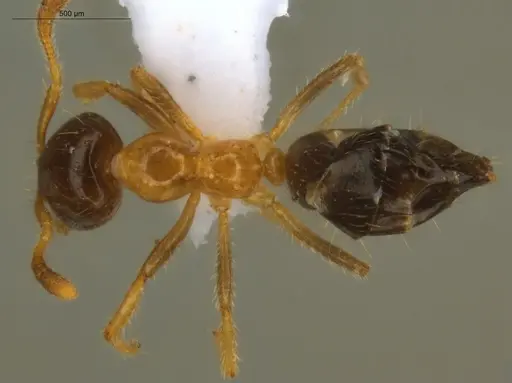
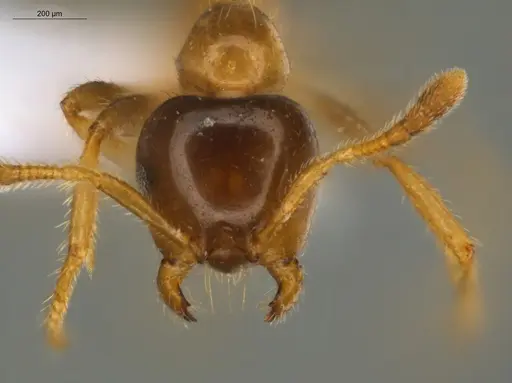
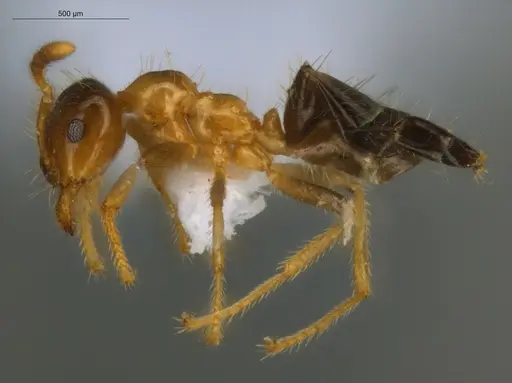
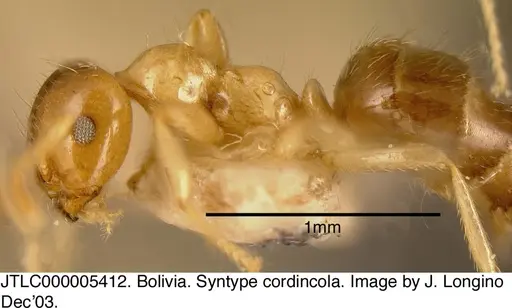
JTLC000005412
View on AntWeb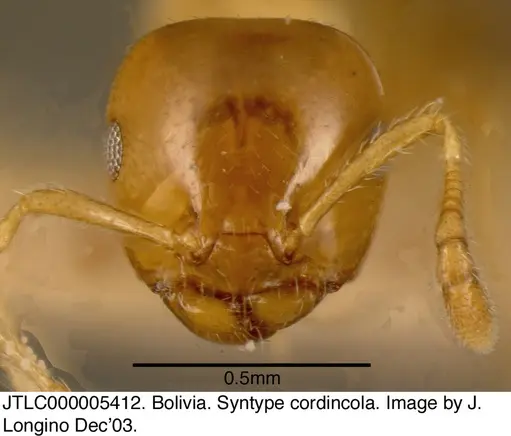
Literature
Loading distribution map...Loading products...