
Myrmelachista rogeri
- Sci. Name
- Myrmelachista rogeri
- Tribe
- Myrmelachistini
- Subfamily
- Formicinae
- Author
- André, 1887
- Distribution
- Found in 1 countries
Introduction
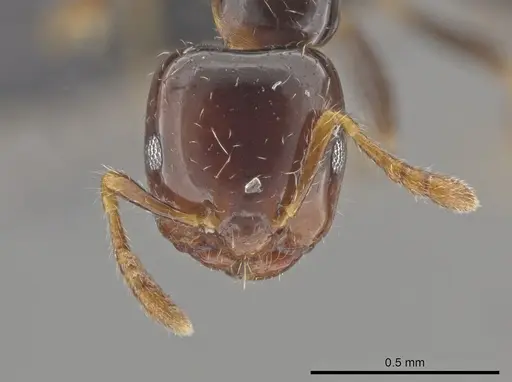
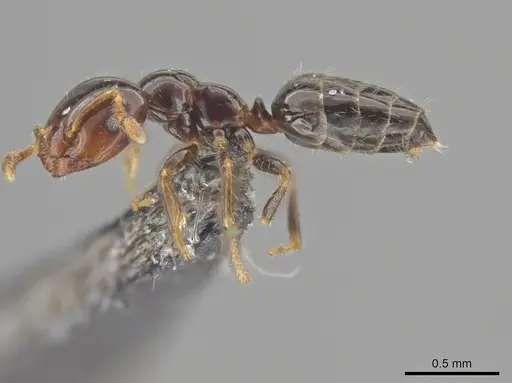
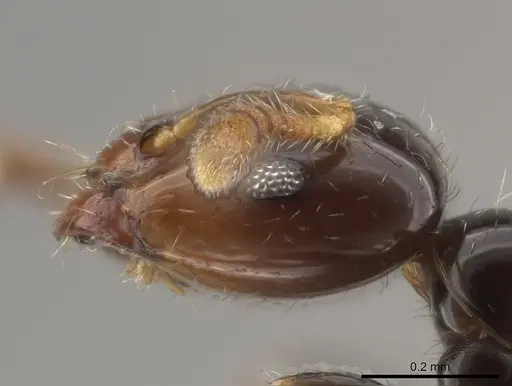
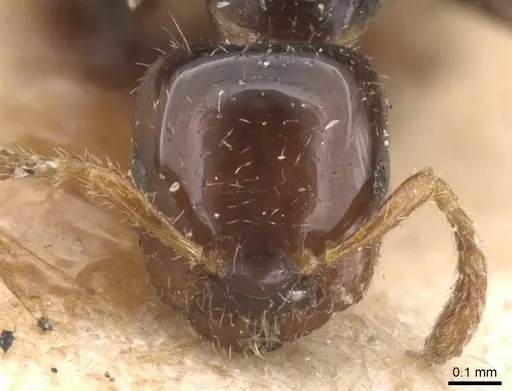
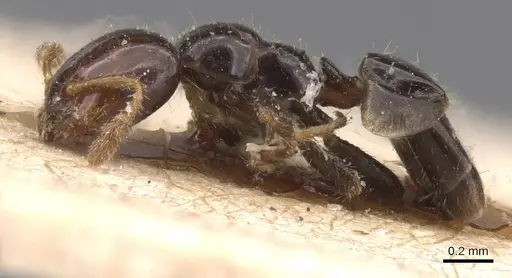
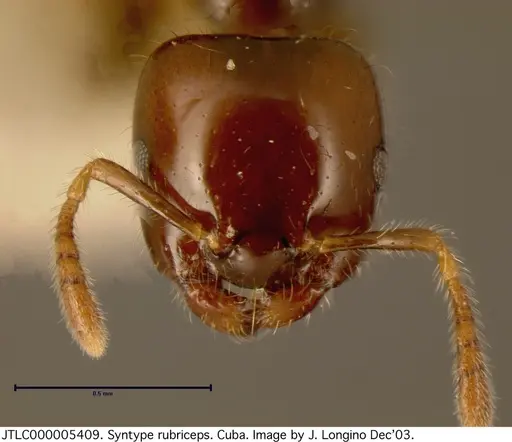
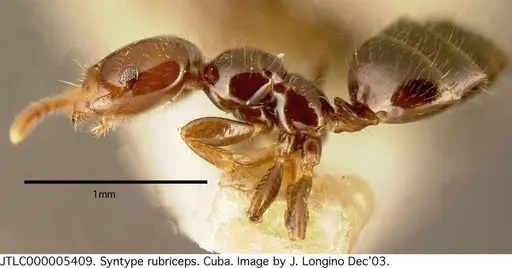
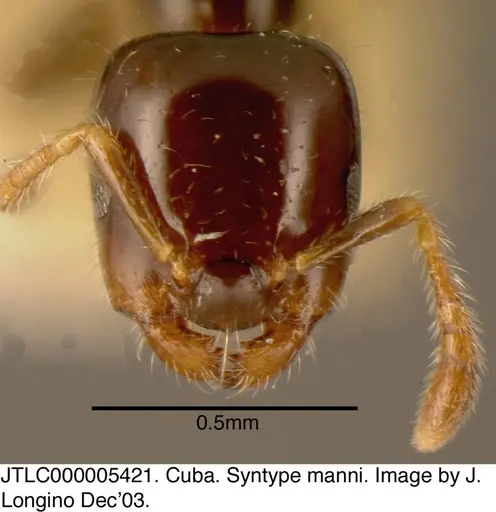
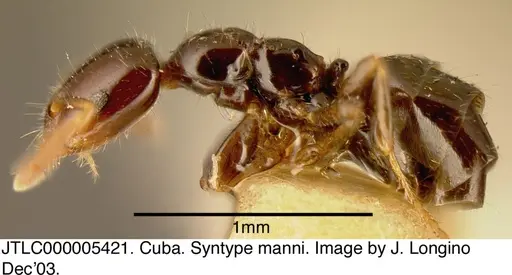
Myrmelachista rogeri is a small ant species endemic to Cuba, belonging to the Formicinae subfamily. Workers have nine antennal segments . This species is found exclusively in Cuba's eastern mountain ranges, particularly in the Sierra Maestra and Nipe-Sagua-Baracoa regions, where it inhabits diverse environments ranging from pluviforest to pine forest and coffee plantations . As an endemic Cuban species, it is not found anywhere else . Based on genus patterns, these ants likely nest arboreally in vegetation, hollow stems, or under bark, but specific nesting behavior for this species is unconfirmed.
Quick Summary
- Difficulty: Hard
- Origin & Habitat: Cuba, endemic to the Sierra Maestra and Nipe-Sagua-Baracoa mountain ranges. Inhabits pluviforest, pine forest, and coffee plantations [2][3].
- Colony Type: Colony structure is unconfirmed. Most Myrmelachista species are monogyne (single queen), but this has not been directly documented for M. rogeri.
- Size & Growth:
- Queen: size data unavailable
- Worker: ~3-4 mm, inferred from Myrmelachista genus general size [1]
- Colony: Unknown, no data available
- Growth: Unknown
- Development: Unconfirmed, estimated 6-8 weeks at tropical temperatures based on typical Formicinae development (Direct measurements for this species are not available. Estimates are based on genus-level patterns.)
- Antkeeping:
- Temperature: Keep at 24-28°C, mimicking tropical Cuban conditions. Provide a gradient with a warmer and cooler area. Avoid drops below 20°C.
- Humidity: Moderate to high. Keep the nest substrate slightly moist but not waterlogged. Use a water reservoir and ensure ventilation to prevent stagnation.
- Diapause: Unlikely, as a tropical Cuban species, they probably do not require hibernation. Activity may slow slightly during cooler months.
- Nesting: Arboreal nesting preferences inferred from genus. Provide a nest with vertical space, such as Y-tong (AAC) blocks with narrow chambers, or plaster nests. Include twigs or fake plants in the outworld for foraging.
- Behavior: Myrmelachista ants are generally docile and non-aggressive. They are arboreal foragers, likely feeding on honeydew and small arthropods. Workers are tiny and quick, making escape prevention critical – use fine mesh (0.5 mm or smaller) on all openings.
- Common Issues: tiny size makes escape prevention critical – seal all gaps with fine mesh or fluon, humidity control is important – too wet causes mold, too dry stresses the colony, tropical species may not tolerate temperatures below 20°C, limited natural history data means keepers must observe closely to adjust care, arboreal nesting needs vertical space and may not use horizontal ground nests well
Natural History and Distribution
Myrmelachista rogeri is a Cuban endemic, found only in the eastern mountain ranges of Sierra Maestra and Nipe-Sagua-Baracoa [2]. It occupies pluviforest, pine forest, and coffee plantations [2]. André described the worker in 1887, Wheeler added the queen description in 1934 [1]. Two subspecies exist: M. rogeri manni and M. rogeri rubriceps [1]. The genus Myrmelachista contains about 70 Neotropical species, many arboreal, but specific nesting behavior for M. rogeri is unconfirmed.
Housing and Nest Preferences
Based on typical Myrmelachista behavior, these ants prefer arboreal nesting sites. In captivity, provide a nest that accommodates their small size and likely arboreal nature. Y-tong (AAC) blocks with narrow chambers work well, as do plaster nests that maintain humidity. Chambers should be small – tight spaces help them feel secure. Include a water reservoir to keep the substrate slightly moist. Since they are arboreal, provide vertical space in the outworld with fake plants or twigs for foraging. Test tubes can work for founding colonies but may need modifications for humidity. [1]
Feeding and Diet
Myrmelachista species typically feed on honeydew and small insects. In captivity, offer sugar water or honey water as a constant energy source. For protein, provide small live prey like fruit flies, pinhead crickets, or crushed mealworms 2–3 times per week. Remove uneaten prey after 24–48 hours to prevent mold. Because the ants are tiny, prey must be appropriately sized – oversized prey will be ignored.
Temperature and Seasonal Care
As a tropical Cuban species, Myrmelachista rogeri needs warm conditions. Keep temperatures between 24–28°C for optimal development. Avoid temperatures below 20°C, as the species is not adapted to cool conditions. If your home is cooler, use a heating cable on one side of the nest to create a gentle gradient. Heating from above (e.g., a heat mat on the lid) can help maintain humidity inside. They likely do not need a true diapause, activity may slow during cooler months, but this is not a required hibernation. [2]
Behavior and Colony Dynamics
Myrmelachista ants are generally docile and non-aggressive toward keepers. Workers are small, quick, and likely forage for honeydew and small arthropods. Colony structure is not well documented for this species, but most Myrmelachista appear to be monogyne. Workers may show mild alarm responses when the nest is disturbed but rarely swarm. Their tiny size makes them excellent escape artists – use fine mesh (0.5 mm or finer) on all openings and check regularly for gaps. [1]
Frequently Asked Questions
How long does it take for Myrmelachista rogeri to produce first workers?
The egg-to-worker timeline is unconfirmed. Based on typical Formicinae development in tropical conditions, expect approximately 6–8 weeks from egg to first worker at optimal temperatures (24–28°C).
What do Myrmelachista rogeri ants eat?
They likely feed on honeydew and small insects, like most Myrmelachista species. In captivity, offer sugar water or honey water as a constant food source, plus small protein sources like fruit flies, pinhead crickets, or crushed mealworms 2–3 times per week.
Can I keep Myrmelachista rogeri in a test tube?
Test tubes can work for founding colonies, but due to their small size and arboreal nature, you may need to modify them (e.g., add a cotton ball for humidity) or transition to a more appropriate nest (Y-tong or plaster) as the colony grows. Ensure proper humidity control.
What temperature do Myrmelachista rogeri ants need?
Keep them at 24–28°C, mimicking their native Cuban tropical environment. Avoid temperatures below 20°C.
Are Myrmelachista rogeri ants good for beginners?
This species is not ideal for complete beginners due to limited species-specific care information and their tiny size requiring careful escape prevention. However, experienced antkeepers comfortable with tropical species should find them manageable.
How big do Myrmelachista rogeri colonies get?
Colony size is unconfirmed. Based on genus patterns, colonies likely reach several hundred workers at most. They are not among the largest ant species.
Do Myrmelachista rogeri need hibernation?
No, as a tropical Cuban species, they do not require hibernation or diapause. Simply maintain warm temperatures year-round.
Why are my Myrmelachista rogeri escaping?
Their tiny size means they can squeeze through extremely small gaps. Use fine mesh (0.5 mm or smaller), check all lid edges, and ensure any tubing connections are secure. Escape prevention is critical with this species.
Where is Myrmelachista rogeri found in the wild?
This species is endemic to Cuba, found only in the eastern mountain regions of Sierra Maestra and Nipe-Sagua-Baracoa.
Report an Issue
The current care sheet is based fully on literature. See inconsistencies, or something that's incorrect? Please , it will be resolved after review from an admin. Contributing to the blogs tab also helps providing information, to make us be able to further improve the caresheets. Thank you for your support!
References

This caresheet is licensed under CC BY-SA 4.0 .
Community Blogs
CASENT0280552
View on AntWeb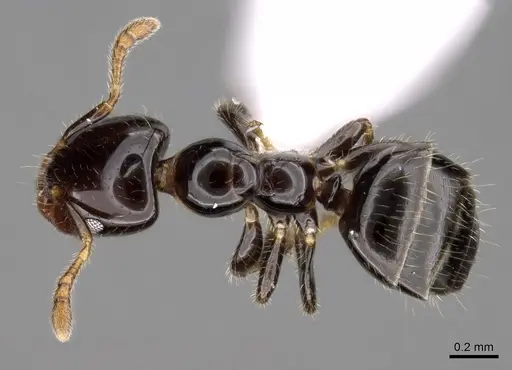
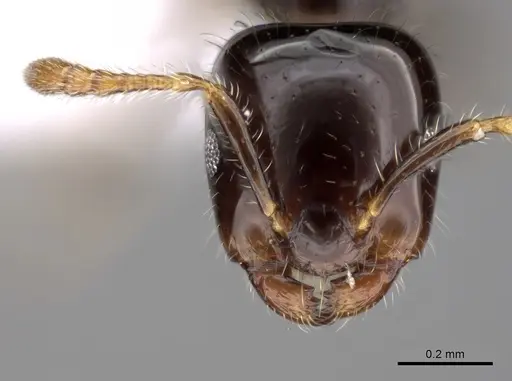
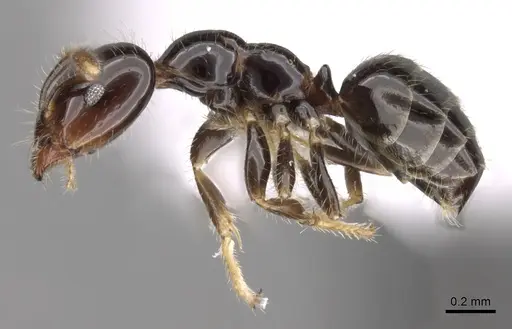
CASENT0647447
View on AntWeb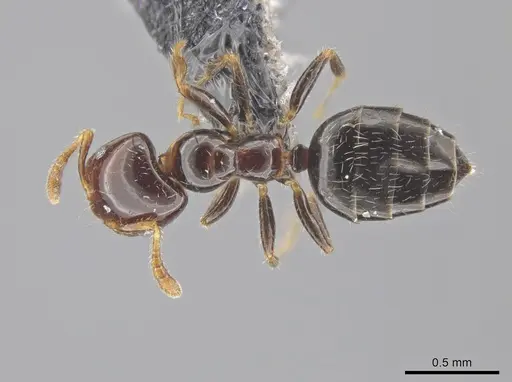
CASENT0913669
View on AntWeb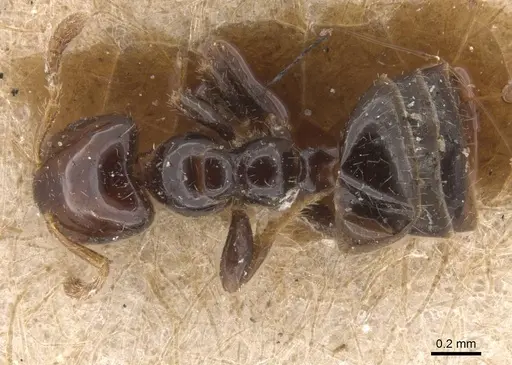
JTLC000005409
View on AntWeb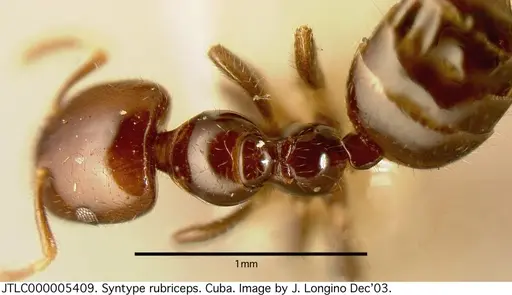
JTLC000005421
View on AntWeb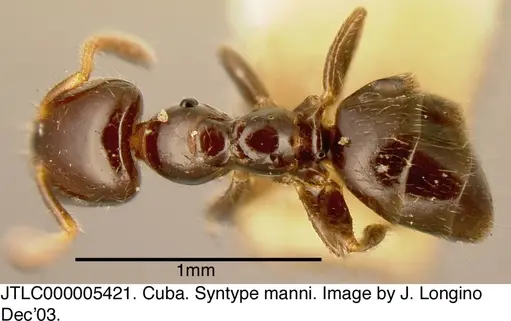
JTLC000005424
View on AntWeb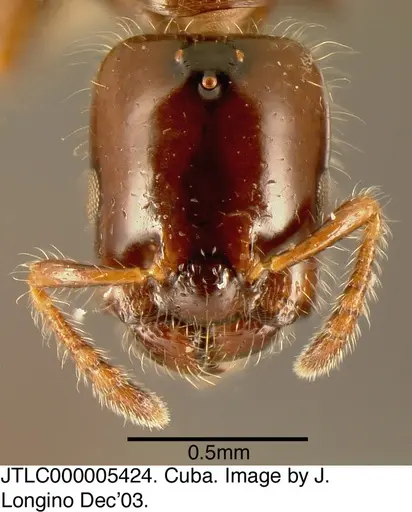
JTLC000005425
View on AntWeb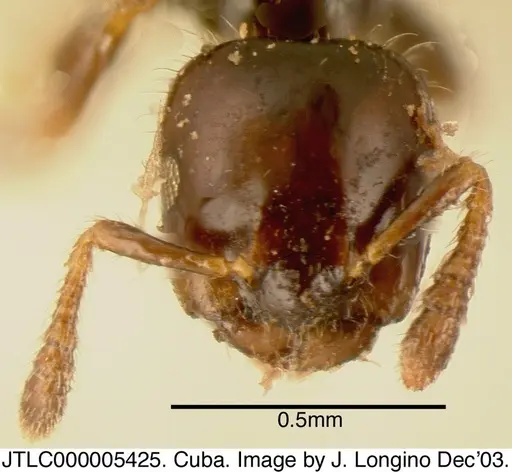
LACMENT683132
View on AntWeb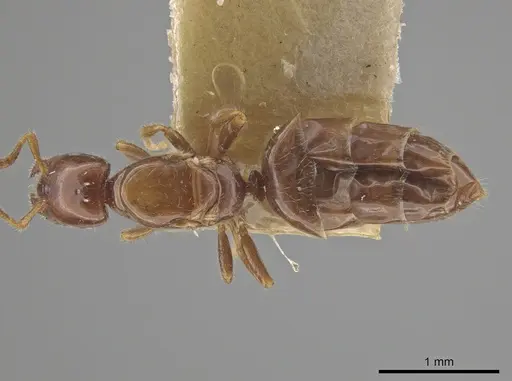
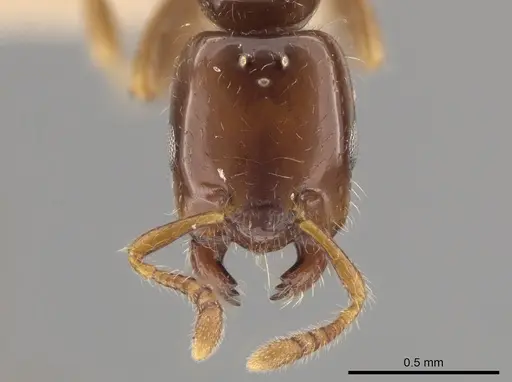
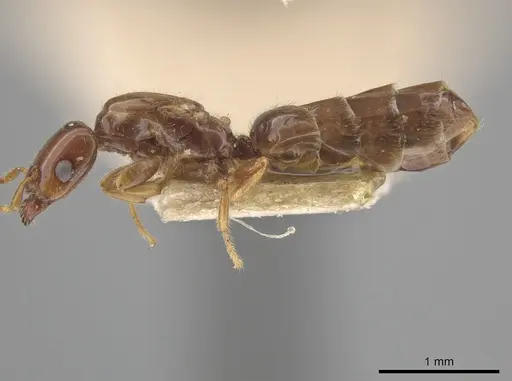
MCZ-ENT00681534
View on AntWeb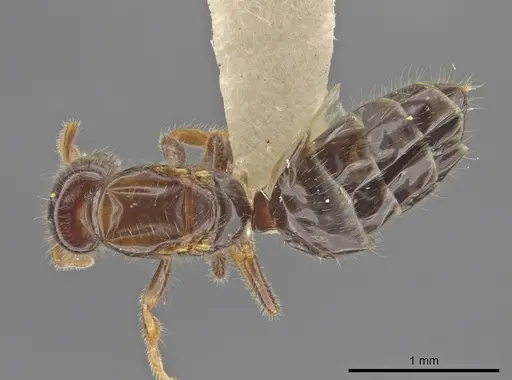
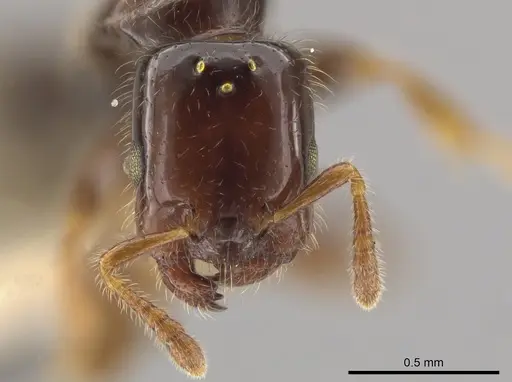
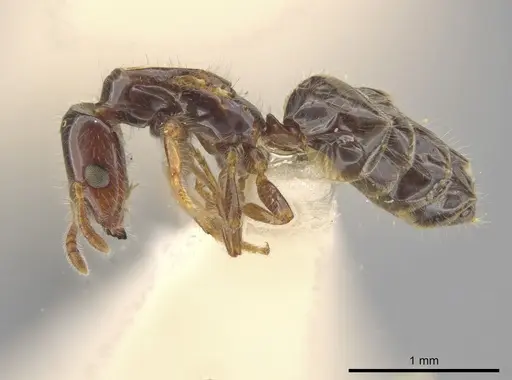
Literature
Loading distribution map...Loading products...