
Myrmelachista nodigera
- Sci. Name
- Myrmelachista nodigera
- Tribe
- Myrmelachistini
- Subfamily
- Formicinae
- Author
- Mayr, 1887
- Distribution
- Found in 7 countries
Introduction
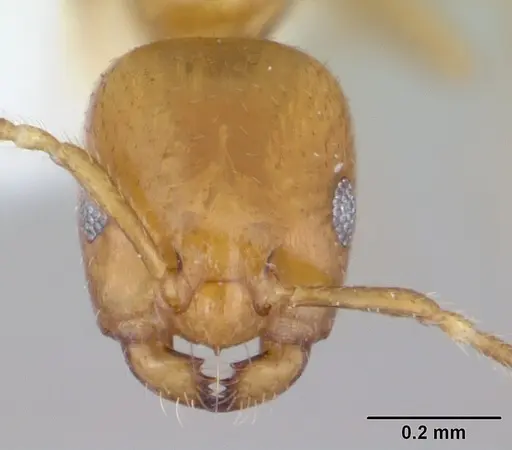
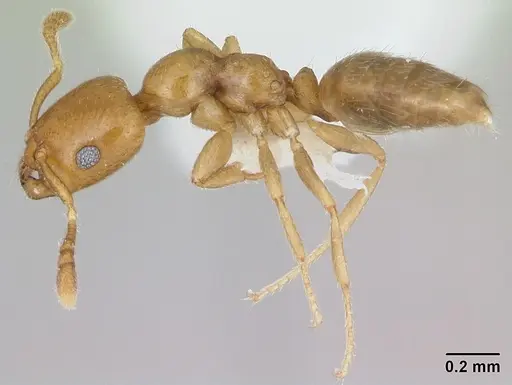
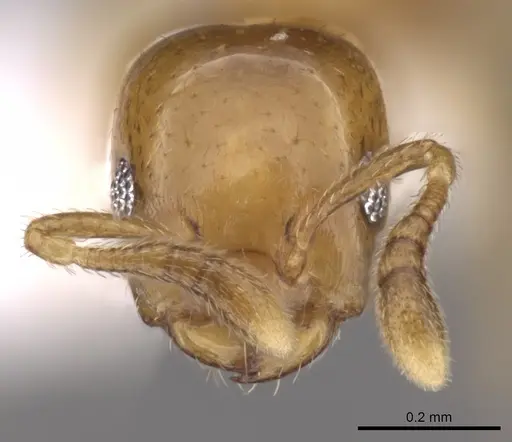
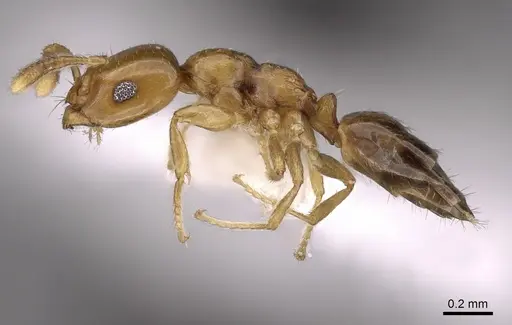
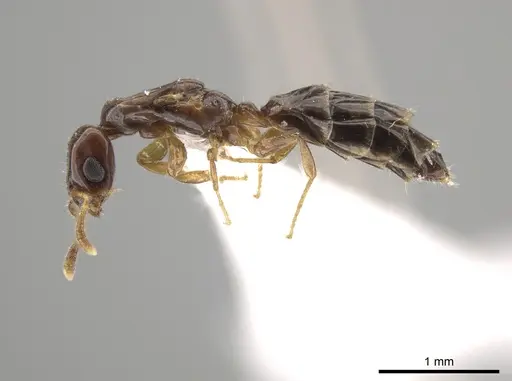
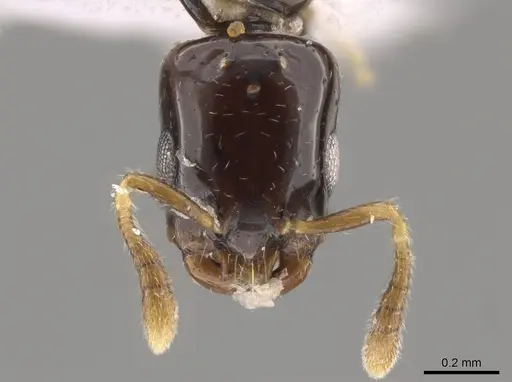
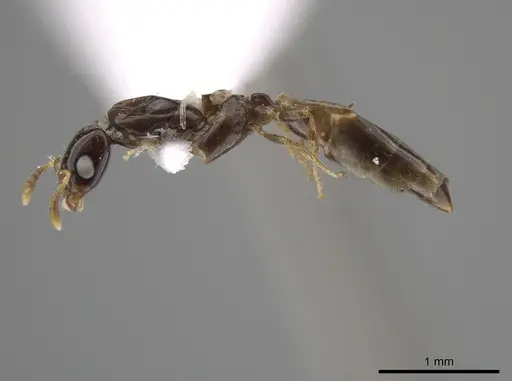
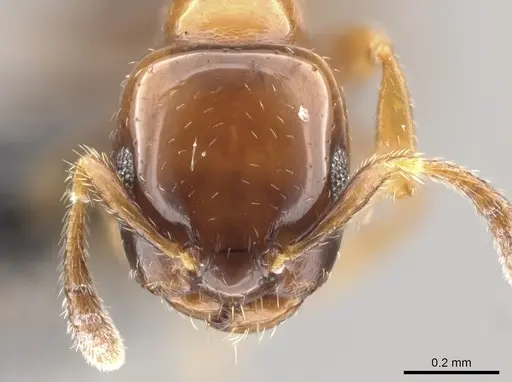
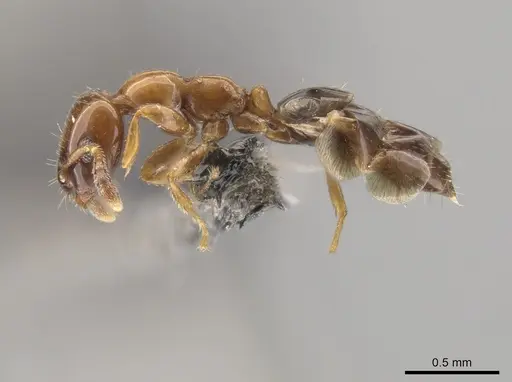
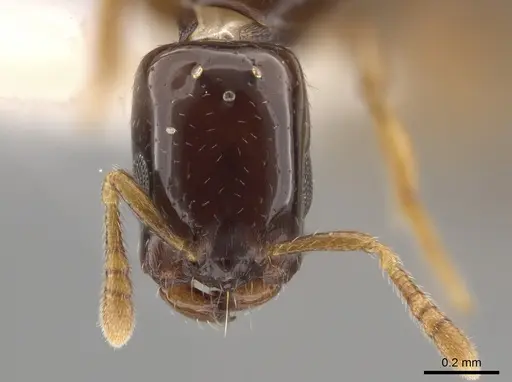
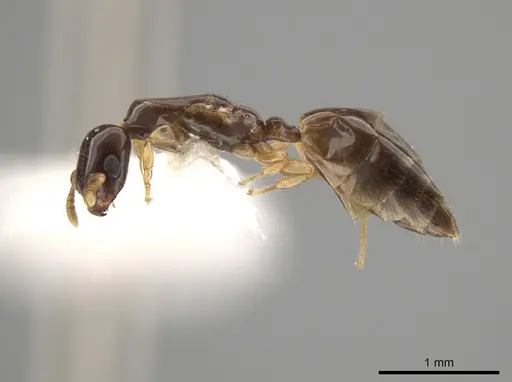
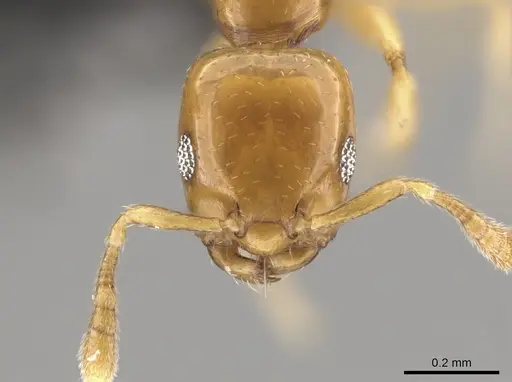
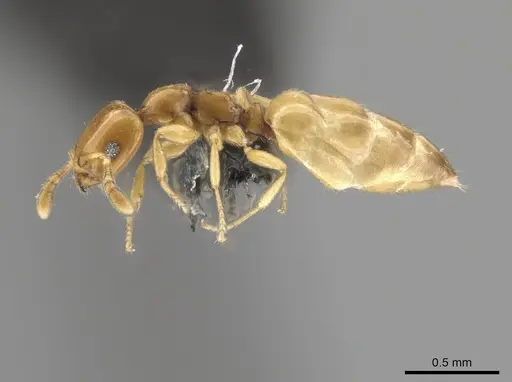
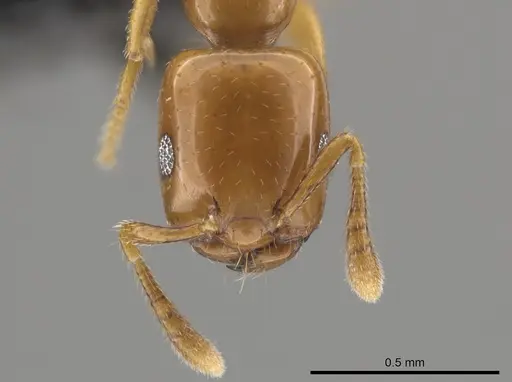
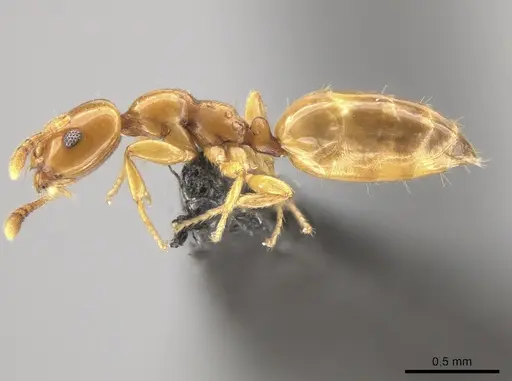
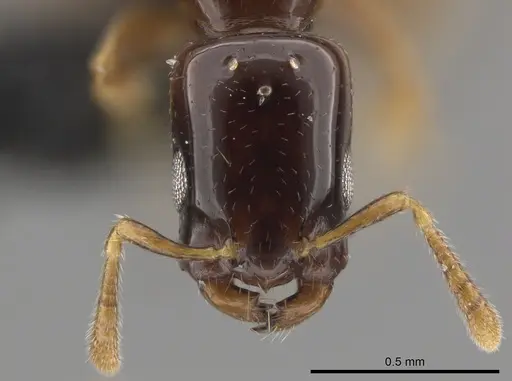
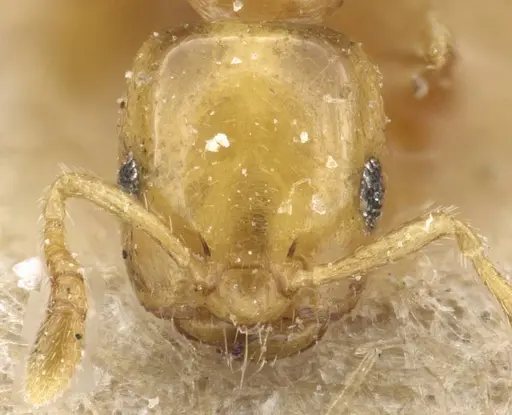
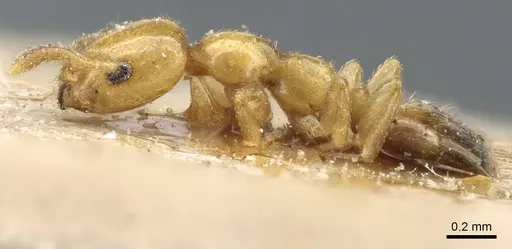
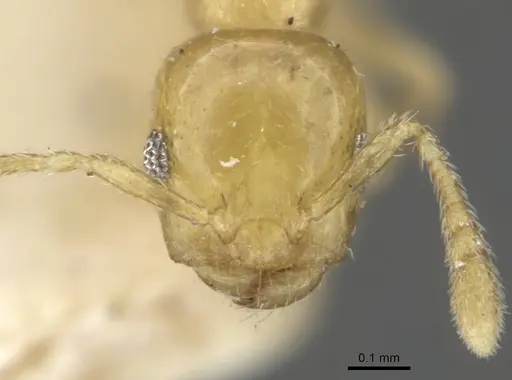
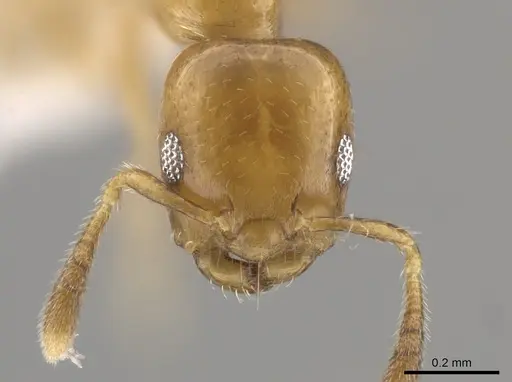
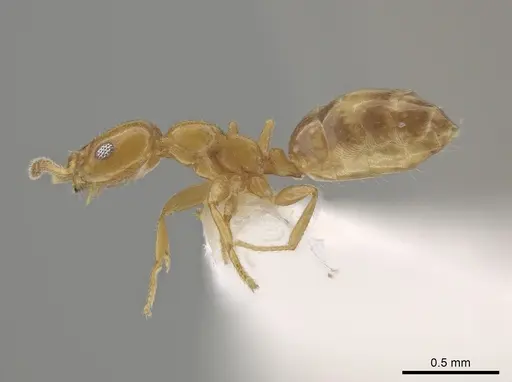
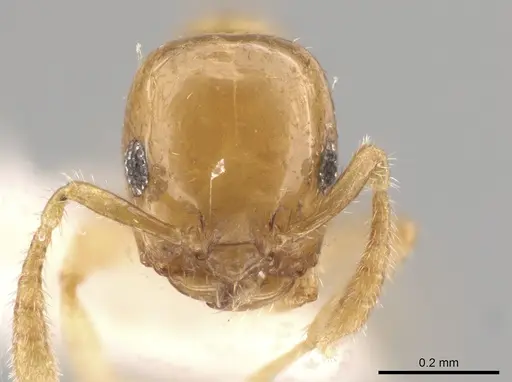
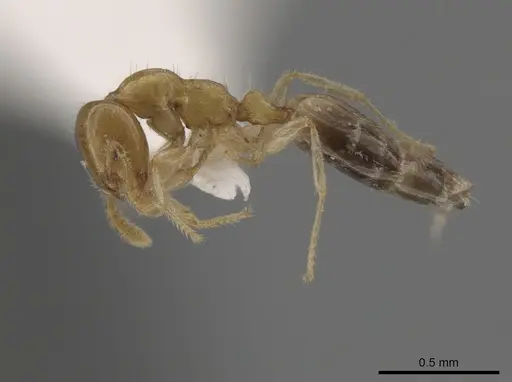
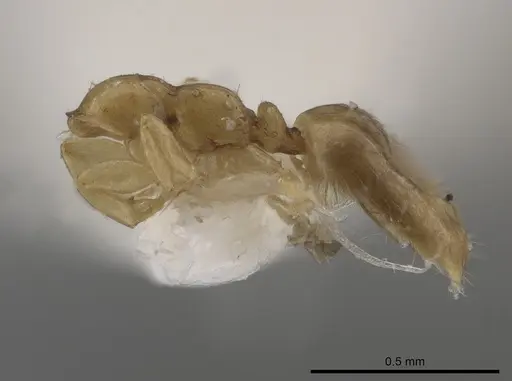
Myrmelachista nodigera is a tiny yellow arboreal ant native to the Neotropical region of South America, found across Argentina, Bolivia, Brazil, Paraguay, and Uruguay . Workers are among the smallest in the genus Myrmelachista and have a distinctive yellow coloration with a shiny body surface . These ants are vegetation specialists that nest exclusively in small twigs and tree cavities, primarily in the Atlantic Forest of southeastern Brazil . This species is notable for its extremely timid temperament - when disturbed, workers quickly retreat into nest orifices rather than defending the colony . They form complex mutual associations with myrmecophytes (ant plants) and scale insects, feeding on extrafloral nectaries and animal-derived proteins . Colonies remain relatively small, typically containing under 110 workers, making them one of the more modest-sized arboreal ants .
Quick Summary
- Difficulty: Medium
- Origin & Habitat: Native to the Neotropical region, Argentina, Bolivia, Brazil, Paraguay, and Uruguay [1]. Found primarily in the Atlantic Forest of southeastern Brazil, where it nests in small twigs and tree cavities in dense ombrophile forest [3][4]. Also recorded in restinga (coastal dune) habitats in Santa Catarina [6].
- Colony Type: Single-queen colonies (monogyne). Each nest contains a single queen.
- Size & Growth:
- Queen: size data unavailable
- Worker: approximately 2-3mm, inferred from Myrmelachista genus
- Colony: up to 300 workers in exceptional colonies, typical colonies contain up to 110 workers
- Growth: Moderate
- Development: approximately 6-8 weeks (Direct development data not available for this species. Estimate based on typical Formicinae patterns for small tropical ants.)
- Antkeeping:
- Temperature: Keep at 22-26°C. As a tropical species from the Atlantic Forest, they need warm conditions. Use a heating cable on one side of the nest to create a gentle gradient if room temperature falls below this range.
- Humidity: Moderate to high humidity (60-80%). These ants naturally live in forest environments with good moisture. Keep the nest substrate consistently moist but not waterlogged. Mist occasionally and provide a water tube.
- Diapause: No, as a tropical species from southeastern Brazil, they do not require hibernation. They may show reduced activity during cooler months.
- Nesting: Arboreal specialists. Provide small twigs or bamboo sections with internal cavities of 1.5-2.7mm diameter. A naturalistic setup with small twigs or a Y-tong nest with fine chambers works well. They prefer twig diameters of 4-8mm in the wild [5].
- Behavior: Extremely timid and non-aggressive. When threatened, workers immediately retreat into nest holes rather than attacking [4][2]. They are vegetation specialists with exclusive activity in the plant canopy, rarely descending to the ground [7]. Because of their very small size, escape prevention is critical, they can squeeze through tiny gaps. They are not stingers and pose no danger to keepers.
- Common Issues: escape prevention is critical due to their tiny size, use fine mesh and tight-fitting barriers, small colony size means growth is slow and colonies remain modest, timid nature means they may be stressed by excessive disturbance, wild-caught colonies may have parasites that affect survival, twig nests can dry out quickly, monitor moisture levels regularly
Nest Preferences and Housing
Myrmelachista nodigera is an arboreal ant that naturally nests in small twigs and tree cavities. In the wild, they inhabit twigs with diameters between 4-8mm, with internal cavity sizes of just 1.4-2.7mm [5]. They show a strong preference for twigs that have fallen onto the leaf litter or are attached to live trees, particularly species like Tibouchina mutabilis, Psychotria, and Piperaceae [4].
For captive care, you should replicate these conditions using small-diameter bamboo sections, twig formicaria, or a Y-tong nest with appropriately scaled chambers. The chambers must be very small, standard formicarium tunnels will be far too large for these tiny ants. Naturalistic setups with actual twigs work well, provided you can maintain proper humidity within them. Avoid tall, open spaces, these ants feel safest in tight, enclosed spaces that mimic their natural twig homes.
Feeding and Diet
In their natural habitat, Myrmelachista nodigera feeds on extrafloral nectaries from plants and animal-derived proteins [3]. They form mutual associations with scale insects (Coccidae and Pseudococcidae), tending them for honeydew just like many other arboreal ants.
In captivity, offer a varied diet including sugar water or honey as an energy source, and small protein sources like fruit flies, pinhead crickets, or other tiny insects. Because of their small size, prey items must be appropriately sized, standard mealworms are likely too large. They may accept specialized ant feeds, but live prey is preferable for protein. Sugar sources should be available at all times, replaced every 2-3 days.
Temperature and Care
As a tropical species from the Atlantic Forest of southeastern Brazil, Myrmelachista nodigera requires warm temperatures. Aim for 22-26°C in the nest area. A heating cable placed on one side of the nest can create the gentle gradient these ants prefer. Avoid temperature extremes, sudden drops below 18°C or spikes above 30°C can stress colonies.
Humidity should be moderate to high (60-80%), reflecting their forest habitat. Keep the nest substrate slightly moist but not saturated. Because they nest in small twigs, these can dry out quickly, so monitor moisture levels regularly and rehydrate before the substrate becomes completely dry. Good ventilation is important to prevent mold, but avoid strong airflow that dries the nest. [3][4]
Behavior and Temperament
This is one of the most timid ant species you can keep. When their nest is disturbed, workers immediately retreat into nest holes rather than emerging to defend or investigate [4][3]. They are not aggressive and will not bite or sting. This makes them fascinating to observe but can make them seem inactive or reclusive.
They are vegetation specialists with exclusive activity in the plant canopy, rarely descending to the ground [7]. In captivity, they will establish foraging trails along branches or nest surfaces but remain cryptic. Their small size means they are excellent climbers but also skilled escape artists, use fine mesh and ensure all openings are sealed tightly.
Colony Structure and Development
Myrmelachista nodigera forms single-queen colonies with relatively modest populations. Wild colonies contain up to 110 workers, with one documented colony reaching approximately 300 individuals [5][4]. Each nest contains a single queen, making them straightforward to keep, you won't need to deal with multiple reproductive females.
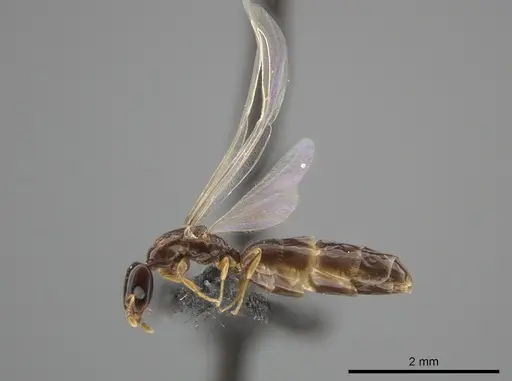
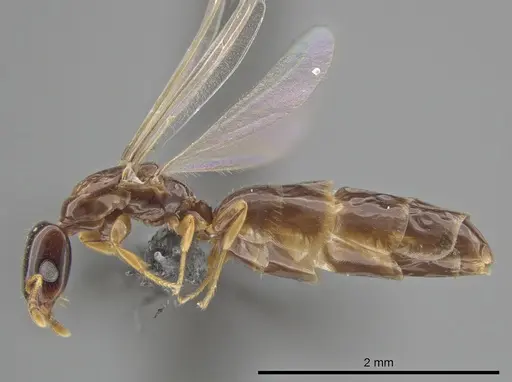
Winged reproductives (alates) have been observed in November and December in the wild [2], suggesting nuptial flights occur during the South American spring/summer. Colony growth is moderate but slow compared to larger ant species. Given their small colony size, expect your colony to remain modest even when well-established, this is normal for the species, not a sign of poor care.
Frequently Asked Questions
Can I keep Myrmelachista nodigera in a test tube?
Test tubes can work for founding colonies and small groups, but these ants are arboreal twig-nesters. For established colonies, provide small twigs, bamboo sections, or a Y-tong nest with chambers scaled to their tiny size (internal cavities of 1.5-2.7mm). Standard test tubes may be too large and open for their preferences.
How long until first workers in Myrmelachista nodigera?
Direct development data is not available for this species. Based on typical Formicinae patterns, expect approximately 6-8 weeks from egg to first worker at optimal temperature (22-26°C). Growth will be slower than larger ant species due to their small size.
Are Myrmelachista nodigera good for beginners?
This species is rated as medium difficulty. While they are non-aggressive and small, their tiny size creates significant escape prevention challenges. They also require specific twig-based housing and may be stressed by excessive disturbance. They are better suited for keepers with some antkeeping experience who can provide appropriately scaled nests.
How big do Myrmelachista nodigera colonies get?
Colonies remain relatively small compared to many ant species. Typical colonies contain up to 110 workers, with maximum documented sizes around 300 workers. This is normal for the species, they are not a rapidly expanding colony type.
Can I keep multiple queens together?
No. This species forms single-queen colonies (monogyne), with one queen per nest documented in all wild colonies studied. Combining unrelated queens is not recommended and has not been studied for this species.
What do Myrmelachista nodigera eat?
They feed on extrafloral nectaries and animal-derived proteins in the wild. In captivity, offer sugar water or honey as a constant energy source, plus small live prey like fruit flies, springtails, or tiny crickets for protein. Appropriately size prey to their tiny worker size.
Do Myrmelachista nodigera need hibernation?
No. As a tropical species from southeastern Brazil, they do not require a true hibernation period. They may show reduced activity during cooler months, but a full diapause is not necessary. Keep them warm year-round.
Why are my Myrmelachista nodigera hiding all the time?
This is normal behavior, they are extremely timid ants that retreat into nest holes at the slightest disturbance. They are not inactive, they are simply cryptic. Avoid excessive disturbance of the nest, and observe them during feeding times when foragers emerge.
When to move Myrmelachista nodigera to a formicarium?
Move them when the colony reaches around 30-50 workers and the test tube or founding setup becomes cramped. However, because they prefer twig-style nesting, consider providing a naturalistic twig setup rather than a traditional formicarium. Ensure any new housing has appropriately small chambers.
Report an Issue
The current care sheet is based fully on literature. See inconsistencies, or something that's incorrect? Please , it will be resolved after review from an admin. Contributing to the blogs tab also helps providing information, to make us be able to further improve the caresheets. Thank you for your support!
References

This caresheet is licensed under CC BY-SA 4.0 .
Community Blogs
CASENT0173488
View on AntWeb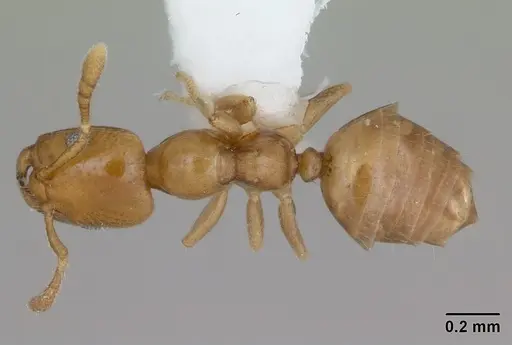
CASENT0280549
View on AntWeb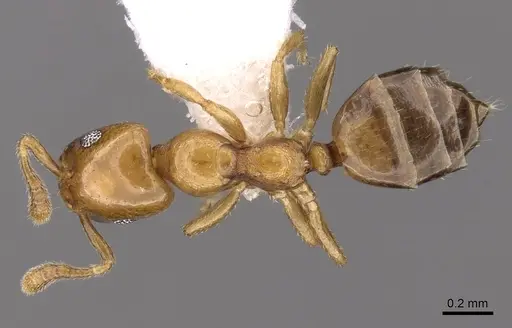
CASENT0647176
View on AntWeb
CASENT0647238
View on AntWeb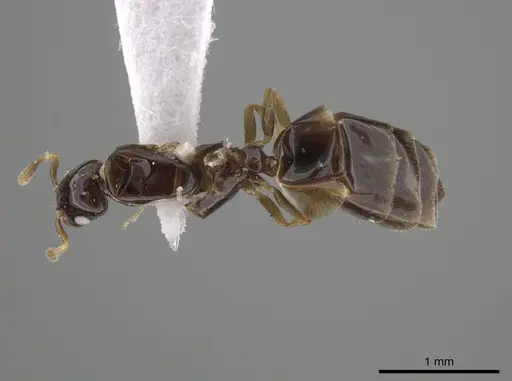
CASENT0647425
View on AntWeb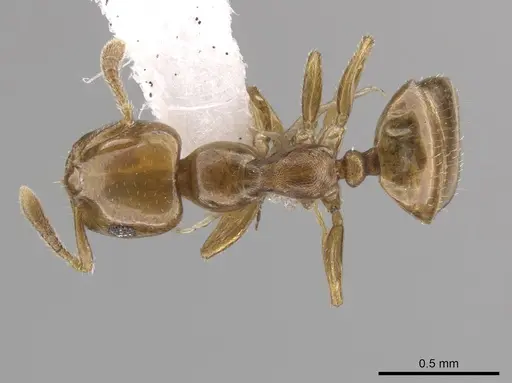
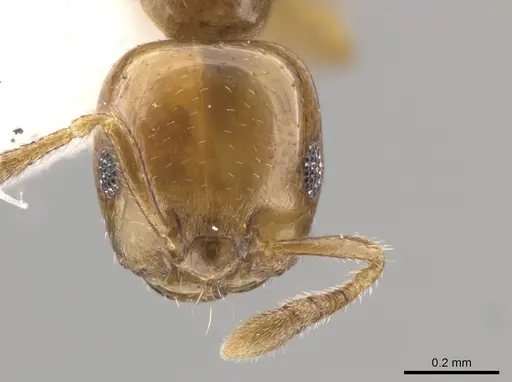
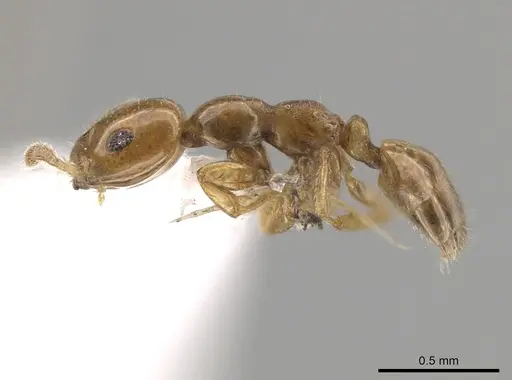
CASENT0652261
View on AntWeb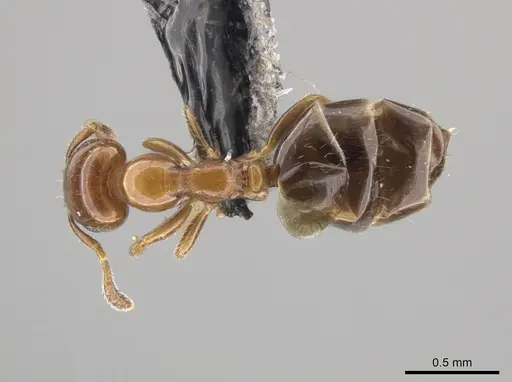
CASENT0654003
View on AntWeb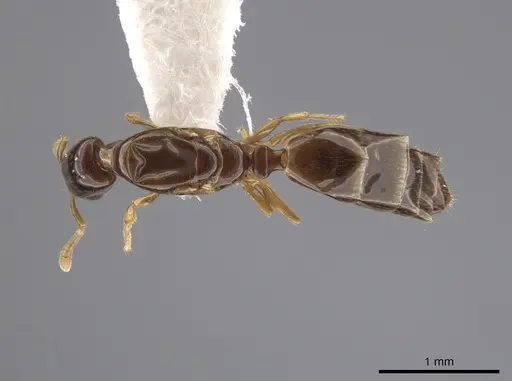
CASENT0654213
View on AntWeb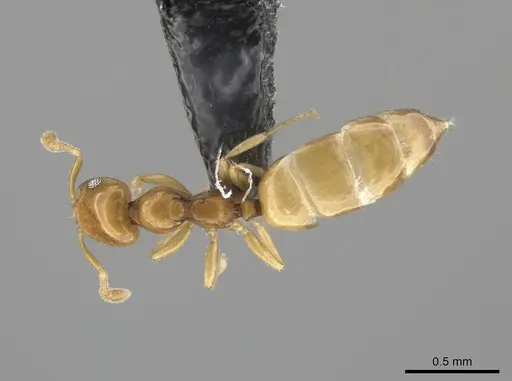
CASENT0654215
View on AntWeb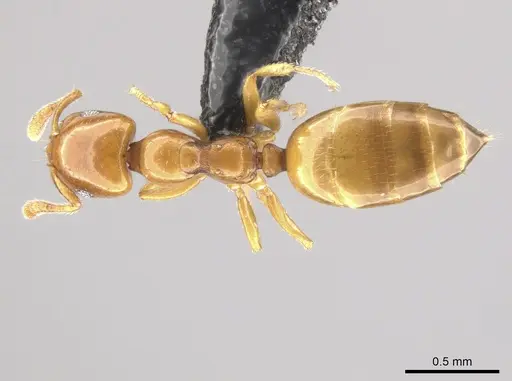
CASENT0654219
View on AntWeb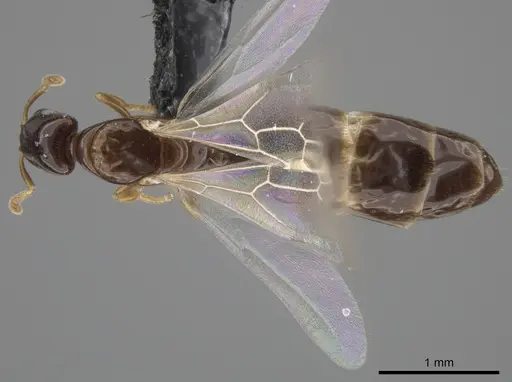
CASENT0905166
View on AntWeb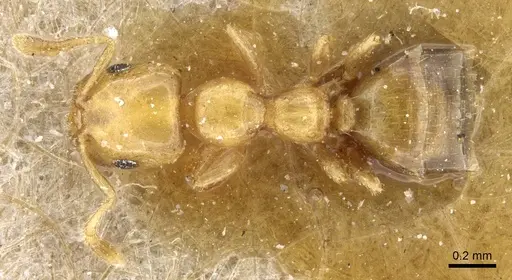
CASENT0909924
View on AntWeb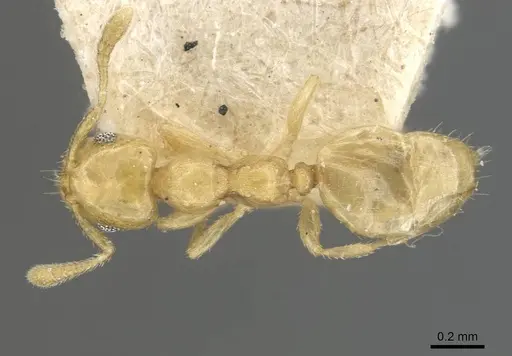
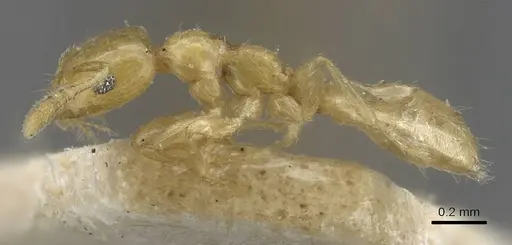
CASENT0915742
View on AntWeb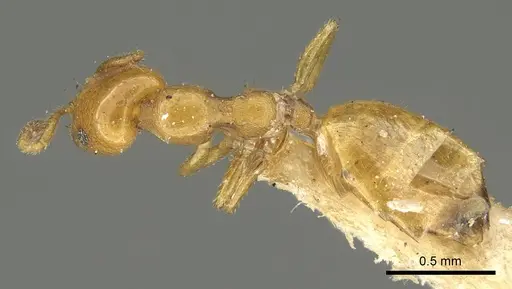
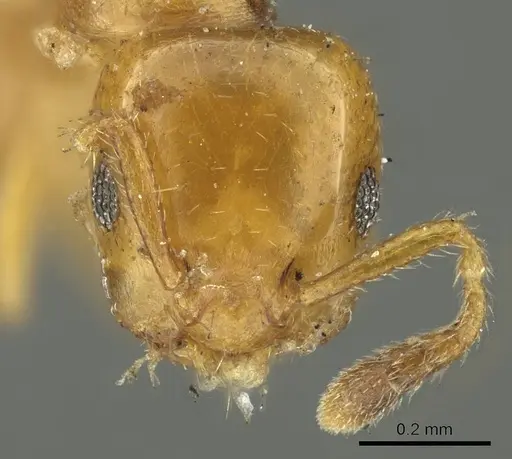
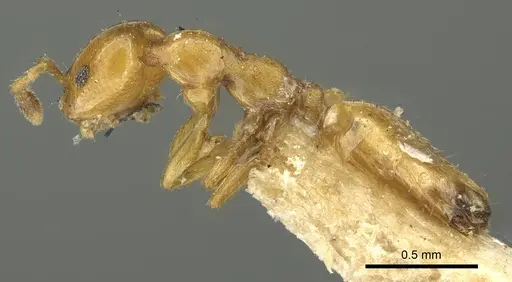
LACMENT683065
View on AntWeb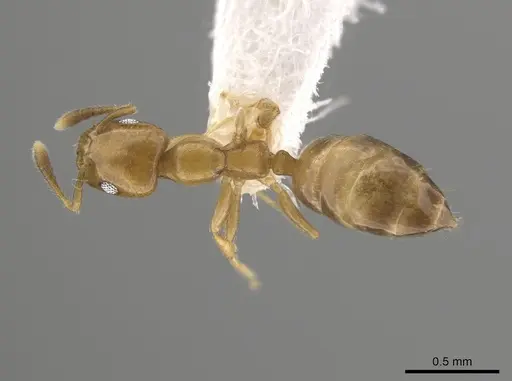
MCZ-ENT00793699
View on AntWeb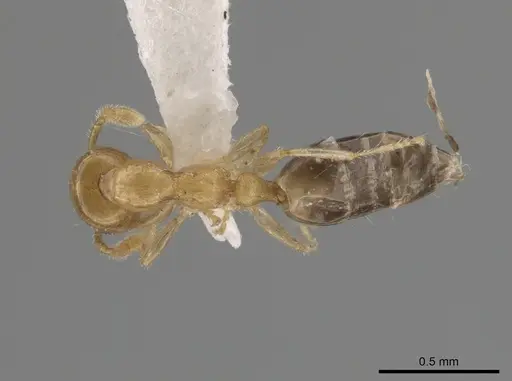
MCZ-ENT00793700
View on AntWeb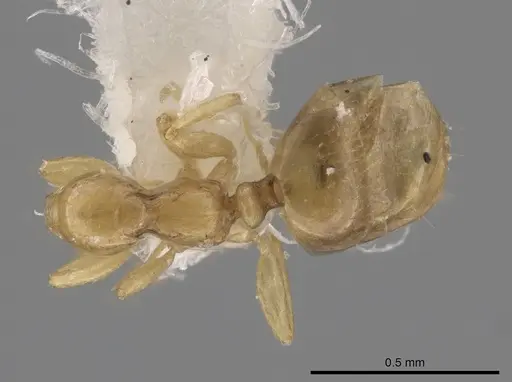
UFV-LABECOL-002732
View on AntWeb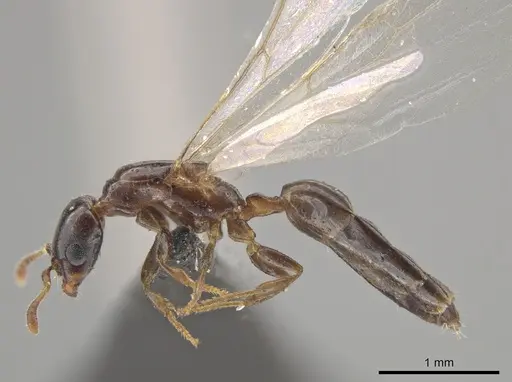
Literature
Loading distribution map...Loading products...