
Myrmelachista mayri
- Sci. Name
- Myrmelachista mayri
- Tribe
- Myrmelachistini
- Subfamily
- Formicinae
- Author
- Forel, 1886
- Distribution
- Found in 2 countries
Introduction
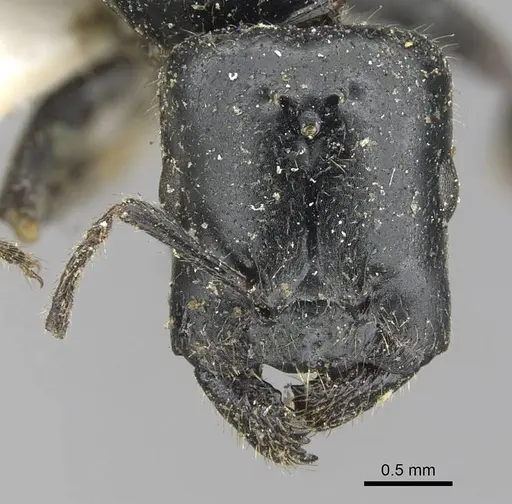
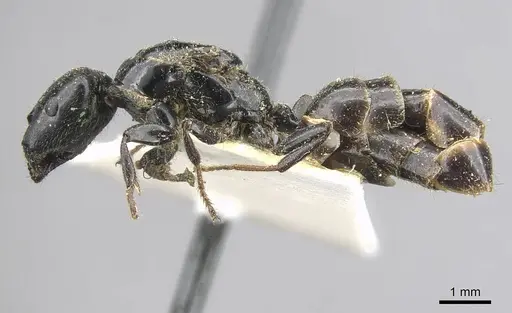
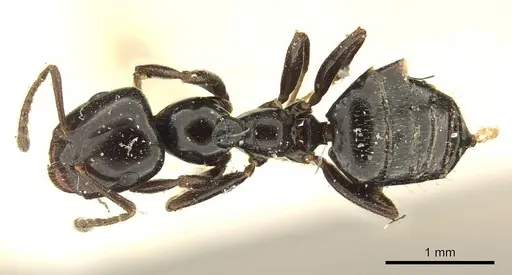
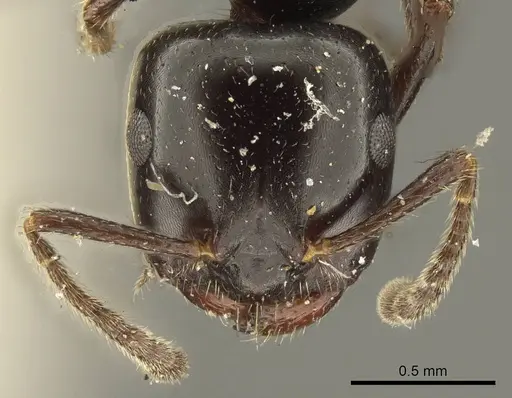
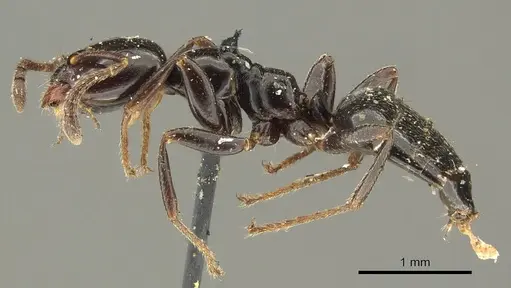
Myrmelachista mayri is an ant species native to Chile, belonging to the Formicinae subfamily. Size data is unavailable from current literature. The species was described by Forel in 1886,and Myrmelachista mayri monticola is a junior synonym . It is found from Santiago to Llanquihue in Chile . This species is endemic to Chile, with a distribution covering central to southern regions, experiencing temperate seasonal conditions.
Quick Summary
- Difficulty: Hard
- Origin & Habitat: Central to southern Chile (Santiago to Llanquihue), in temperate habitats [2][1].
- Colony Type: Unconfirmed, colony structure has not been documented.
- Size & Growth:
- Queen: size data unavailable
- Worker: size data unavailable
- Colony: Unknown
- Growth: Unknown
- Development: Unknown, no specific data available (Development timeline is not documented for this species.)
- Antkeeping:
- Temperature: Based on Chilean habitat, provide a temperature gradient around 18-24°C during active seasons [2].
- Humidity: Keep nest substrate consistently moist but not waterlogged, inferred from temperate habitats [2].
- Diapause: Likely required due to Chilean winters, provide 3-4 months of cool temperatures (10-15°C) [2].
- Nesting: No specific data, inferred to nest in soil or under stones based on habitat. Use standard ant nests like test tubes or Y-tong.
- Behavior: Behavior is unconfirmed. As a Myrmelachista species, they may be relatively docile, but escape prevention is important due to likely small size (inferred).
- Common Issues: Escape prevention is critical due to small size, but size data is unavailable., Diapause requirements are inferred but not confirmed, monitor colony activity., Diet preferences unknown, offer varied foods and observe acceptance.
General Overview
Myrmelachista mayri is a Chilean endemic ant species described by Forel in 1886. The species was originally described from Chile, and subsequent taxonomic work confirmed that Myrmelachista mayri described by Mayr in 1887 is the same species, making monticola a junior synonym [1]. The genus Myrmelachista belongs to the Formicinae subfamily and the tribe Myrmelachistini. These ants are found throughout central to southern Chile, from Santiago Metropolitan Region south to Llanquihue in the Los Lagos Region [2].
Distribution and Habitat
Myrmelachista mayri is found exclusively in Chile, making it an endemic species to that country. The known distribution runs from Santiago in the north to Llanquihue in the south [2]. This range encompasses multiple habitat types including the Mediterranean climate of central Chile and the more temperate conditions of southern Chile. The ant likely occupies various microhabitats within these regions, potentially nesting in soil, under stones, or in decaying wood.
Temperature and Seasonal Care
Based on the Chilean distribution, provide a temperature gradient around 18-24°C during active seasons [2]. During winter, Chilean temperatures drop significantly, and the ants likely enter a period of reduced activity or dormancy. Provide a diapause period of approximately 3-4 months during winter, keeping the colony at cool but above-freezing temperatures around 10-15°C [2].
Feeding and Diet
The specific dietary preferences of Myrmelachista mayri have not been documented. As a Formicine ant, they likely have omnivorous habits similar to most ants in this subfamily. Offer sugar water or honey as a carbohydrate source, and protein sources such as small insects. Since specific acceptance is unknown, offer a variety of foods and observe what the colony consumes. [1]
Nesting and Housing
No specific natural nesting data exists for this species. Based on the Chilean habitat, they likely nest in soil or under stones in the wild. For captive care, standard ant keeping setups work well. Test tubes with water reservoirs provide suitable founding chambers for queens. Established colonies can be kept in Y-tong nests or naturalistic setups. Keep the nest substrate slightly moist but not waterlogged. [1]
Frequently Asked Questions
How long does it take for Myrmelachista mayri to produce first workers?
The exact timeline is unknown for this species. No specific data is available on development periods.
Do Myrmelachista mayri ants need hibernation?
Hibernation is likely required given their Chilean origin, but it is not confirmed. Provide a winter dormancy period of 3-4 months at temperatures around 10-15°C based on habitat inference [2].
What do Myrmelachista mayri ants eat?
Specific dietary preferences are unconfirmed, but they likely accept standard ant foods. Offer sugar water or honey for carbohydrates, and protein sources like small insects.
Are Myrmelachista mayri good for beginners?
This species has limited documented care information, making it challenging for beginners. The lack of specific care data means some trial and error may be required.
How big do Myrmelachista mayri colonies get?
Colony size is unknown, no scientific data documents maximum colony sizes for this species.
Can I keep multiple Myrmelachista mayri queens together?
Colony structure is unconfirmed for this species. The combination of unrelated queens has not been documented. For safety, it is recommended to keep only one queen per colony.
What temperature range is best for Myrmelachista mayri?
Based on their Chilean habitat, aim for temperatures between 18-24°C during the active season [2].
When do Myrmelachista mayri nuptial flights occur?
Nuptial flight timing is unconfirmed for this species. No specific data is available.
Is Myrmelachista mayri an aggressive species?
Aggression levels are not documented. As Myrmelachista ants, they are likely relatively docile compared to some other ant genera.
Report an Issue
The current care sheet is based fully on literature. See inconsistencies, or something that's incorrect? Please , it will be resolved after review from an admin. Contributing to the blogs tab also helps providing information, to make us be able to further improve the caresheets. Thank you for your support!
References

This caresheet is licensed under CC BY-SA 4.0 .
Community Blogs
Literature
Loading distribution map...Loading products...