
Myrmelachista hoffmanni
- Sci. Name
- Myrmelachista hoffmanni
- Tribe
- Myrmelachistini
- Subfamily
- Formicinae
- Author
- Forel, 1903
- Distribution
- Found in 1 countries
Introduction
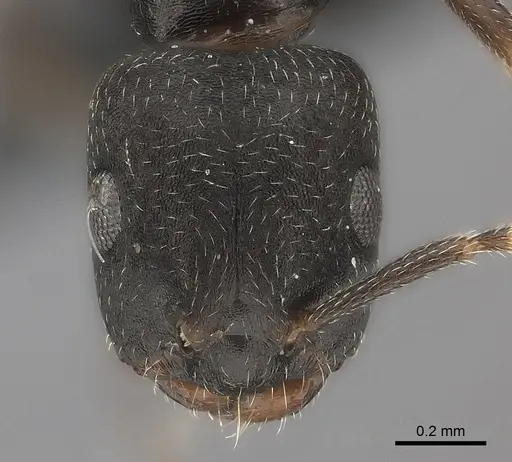
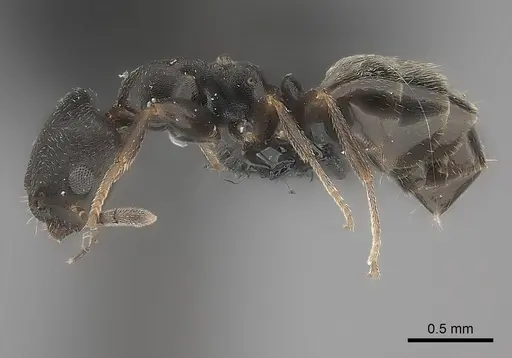
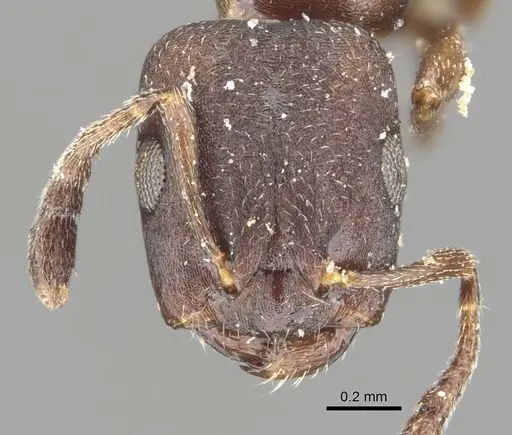
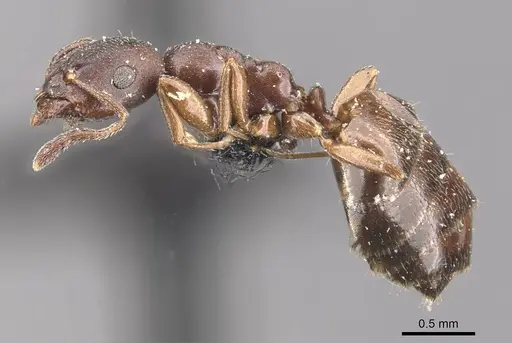
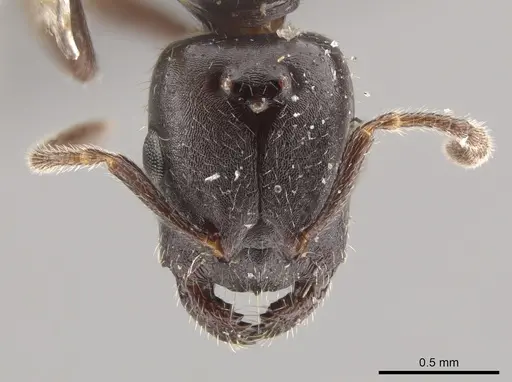
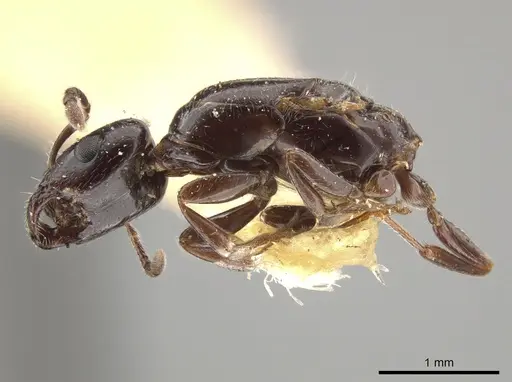
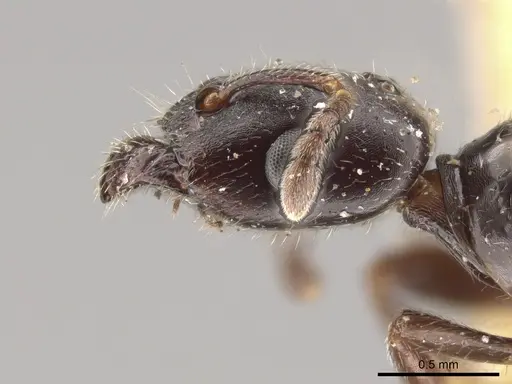
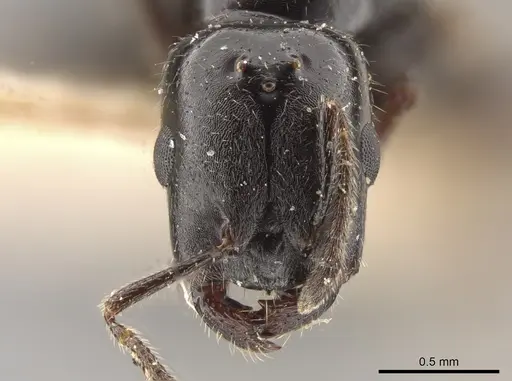
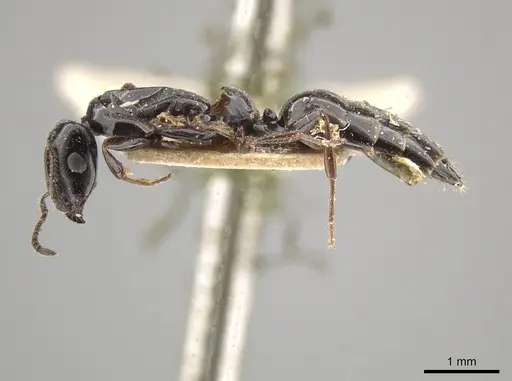
Myrmelachista hoffmanni is a small ant species native to Chile, belonging to the subfamily Formicinae and tribe Myrmelachistini. Workers are tiny ants - exact measurements are unavailable but the genus typically includes small species. The species was originally described by Forel in 1903 and was later recognized as the senior synonym of Myrmelachista rectinota . These ants are found exclusively in Chile, ranging from Copiapó in the north to Perquenco in the south . They inhabit both foliage and soil surface environments, as evidenced by studies in the Metropolitan Region's Reserva Río Clarillo where they were collected during spring on both north and south-facing slopes . This species represents a poorly studied member of the Myrmelachistini tribe, with limited published research on their specific biology or captive care requirements. They appear to be generalist foragers found in various microhabitats across Chile's diverse climate zones. Their presence in lizard stomach contents (Liolaemus monticola) indicates they play a role in the broader ecosystem as prey items .
Quick Summary
- Difficulty: Medium
- Origin & Habitat: Native to Chile, ranging from Copiapó in the arid north to Perquenco in the more humid south [2]. Found in the Metropolitan Region in areas like Reserva Río Clarillo, where they inhabit both foliage and soil surface layers [3]. The broad distribution across Chile suggests adaptability to various microhabitats from dry to more temperate conditions.
- Colony Type: Colony structure is unconfirmed for this species.
- Size & Growth:
- Queen: Size data unavailable, no specific measurements published for this species
- Worker: Size data unavailable, no specific measurements published for this species
- Colony: Unknown, no colony size data published
- Growth: Unknown, no development timing data available
- Development: Estimated 6-10 weeks based on typical Formicinae patterns at optimal temperature (No direct development data exists for this species. Estimates based on related ant species.)
- Antkeeping:
- Temperature: Keep at room temperature, roughly 18-22°C. Being from temperate Chile, they likely prefer cooler conditions than tropical species. A gentle gradient allowing workers to choose their preferred temperature is recommended.
- Humidity: Moderate humidity around 50-70%. Their natural habitat includes both foliage and soil surface layers in central Chile, which experiences seasonal variation. Keep nest substrate lightly moist but not waterlogged.
- Diapause: Likely yes, being from temperate Chile, they probably require a winter rest period. However, specific diapause requirements have not been documented.
- Nesting: Based on their presence in soil surface and foliage studies, they likely nest in soil or under debris. In captivity, standard test tubes or small ytong nests work well. Keep nesting area dark and quiet.
- Behavior: Temperament is not well documented, but Myrmelachista species are generally not aggressive. They are small ants and may be shy. Escape prevention should be considered due to their tiny size, even small gaps can allow escape. Foraging likely occurs on foliage and soil surfaces based on field studies.
- Common Issues: limited data makes care recommendations uncertain, much is inferred from genus patterns, no published information on their specific diet preferences, hibernation requirements are unconfirmed but likely necessary given their temperate origin, escape risk is present due to small size, slow growth possible given limited published development data
Natural History and Distribution
Myrmelachista hoffmanni is endemic to Chile, representing one of the many ant species native to this South American country. Their distribution spans from Copiapó in the northern Atacama region down to Perquenco in the southern part of their range [2]. This broad distribution across nearly the entire length of Chile suggests the species has adapted to diverse climatic conditions, from the arid north to the more temperate south.
Field studies have documented these ants in the foliage and among soil surface organisms. Research in Reserva Río Clarillo in the Metropolitan Region found them during spring sampling on both north and south-facing slopes [3]. Their presence in lizard stomach contents (Liolaemus monticola) indicates they serve as prey in the local food web [3]. The species has been collected at various times, suggesting they are active throughout warmer months.
Housing and Nesting
Based on their collection from both foliage and soil surface layers, Myrmelachista hoffmanni likely nests in soil or under debris in natural settings. For captive care, standard test tube setups work well for founding colonies. The test tube should be kept in a dark, quiet location as queens typically prefer dark, enclosed spaces for egg-laying.
Because these ants are small, ensure any housing setup has no gaps that would allow escape. Small ytong nests with appropriately sized chambers can work for established colonies. Keep the nesting area humidified but not wet, the substrate should retain some moisture without becoming waterlogged. A small water reservoir connected to the nest helps maintain stable humidity.
Feeding and Diet
The specific diet of Myrmelachista hoffmanni has not been documented in scientific literature. As a Formicine ant, they likely have typical ant dietary preferences: sugar sources (honey water, sugar water) for energy, and protein sources (insects, small prey) for colony growth. Their small size suggests they would prefer tiny prey items like fruit flies, pinhead crickets, or other small insects.
Feed a drop of honey water or sugar water as a constant sugar source. Offer small insect prey items 2-3 times per week, removing uneaten prey after 24-48 hours to prevent mold. Start with small amounts and adjust based on colony consumption. Given the lack of species-specific data, observe your colony's preferences and adjust accordingly.
Temperature and Seasonal Care
Being from temperate Chile, these ants likely prefer cooler conditions than many tropical species. Room temperature (18-22°C) is probably ideal. The broad distribution from Copiapó to Perquenco indicates adaptability, but they likely experience distinct seasons in the wild with cooler winters.
A winter rest period (diapause) is probably beneficial, though not scientifically documented for this species. Consider reducing temperatures to around 10-15°C for 2-3 months during winter, mimicking natural seasonal cycles. During active months, room temperature is likely sufficient. Avoid overheating, temperatures above 28°C may be stressful. A temperature gradient allowing workers to choose their preferred zone is always helpful. [2]
Colony Development
No published data exists on the development timeline from egg to worker for Myrmelachista hoffmanni. Based on typical Formicinae patterns, expect approximately 6-10 weeks for the first workers (nanitics) to emerge at optimal temperatures around 20-24°C. Founding behavior is unconfirmed for this species.
Initial colony growth will be slow as the queen raises her first brood alone. Once workers emerge, growth typically accelerates as the colony now has foragers to bring in food. Be patient, founding colonies can take months to establish firmly. Do not disturb the queen during founding unnecessarily. Colony size at maturity is unknown.
Frequently Asked Questions
How long does it take for Myrmelachista hoffmanni to produce first workers?
No specific data exists for this species. Based on typical Formicinae development, expect 6-10 weeks from egg to first worker at optimal temperatures around 20-24°C. Be patient during founding, the queen does everything alone initially.
What temperature do Myrmelachista hoffmanni ants need?
Keep them at room temperature, roughly 18-22°C. Being from temperate Chile, they prefer cooler conditions than tropical ants. A slight temperature gradient allowing them to choose their preferred zone is beneficial.
Do Myrmelachista hoffmanni ants need hibernation?
Likely yes, being from temperate Chile with distinct seasons, they probably benefit from a winter rest period. Reduce temperatures to 10-15°C for 2-3 months during winter. However, this is inferred from their geographic origin, not specifically documented.
What do Myrmelachista hoffmanni ants eat?
Their specific diet is not documented. Offer sugar water or honey water as a constant energy source. For protein, provide small insects like fruit flies, pinhead crickets, or similar tiny prey. Feed 2-3 times per week and remove uneaten food promptly.
Are Myrmelachista hoffmanni good for beginners?
This species is not well-documented in the antkeeping hobby, making it more challenging than established species. The difficulty is rated Medium due to limited care information. Beginners may want to start with more commonly kept species until they gain experience.
How big do Myrmelachista hoffmanni colonies get?
Colony size is not documented in scientific literature. Based on related Myrmelachista species, colonies likely reach several hundred workers at maturity. Their small size and the lack of data suggest moderate colony sizes.
Can I keep multiple Myrmelachista hoffmanni queens together?
The colony structure of this species is not documented. Based on typical Myrmelachista patterns, they likely form single-queen colonies. Combining unrelated queens is not recommended without species-specific data.
When should I move Myrmelachista hoffmanni to a formicarium?
Keep them in a test tube setup until the colony reaches 20-30 workers or the test tube becomes overcrowded. This typically takes several months to a year. Moving too early can stress the colony.
Why is my Myrmelachista hoffmanni colony dying?
Without species-specific data, common issues include: temperature stress (too hot or too cold), improper humidity (too dry or waterlogged), insufficient food, or disturbance during founding. Review basic care parameters and ensure the queen is healthy and not disturbed.
Report an Issue
The current care sheet is based fully on literature. See inconsistencies, or something that's incorrect? Please , it will be resolved after review from an admin. Contributing to the blogs tab also helps providing information, to make us be able to further improve the caresheets. Thank you for your support!
References

This caresheet is licensed under CC BY-SA 4.0 .
Community Blogs
CASENT0217729
View on AntWeb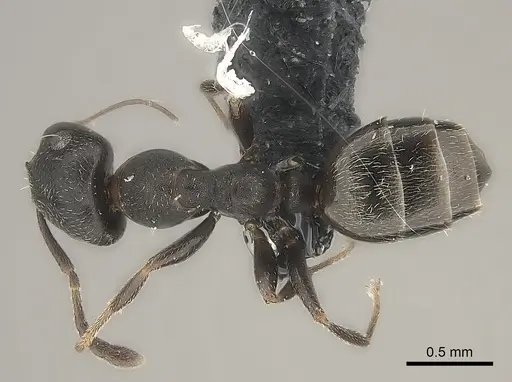
CASENT0909920
View on AntWeb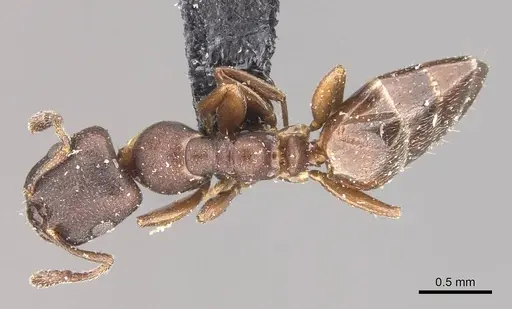
LACMENT683335
View on AntWeb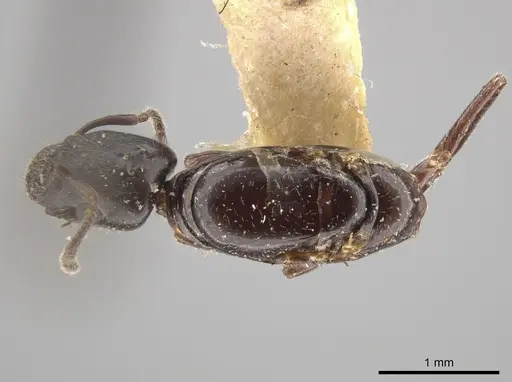
MHNG-ENTO-0248831
View on AntWeb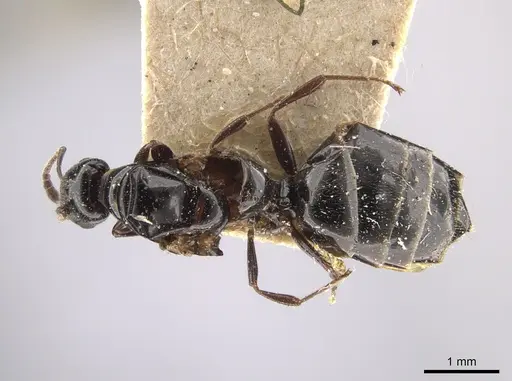
Literature
Loading distribution map...Loading products...