
Myrmelachista gallicola
- Sci. Name
- Myrmelachista gallicola
- Tribe
- Myrmelachistini
- Subfamily
- Formicinae
- Author
- Mayr, 1887
- Distribution
- Found in 3 countries
Introduction
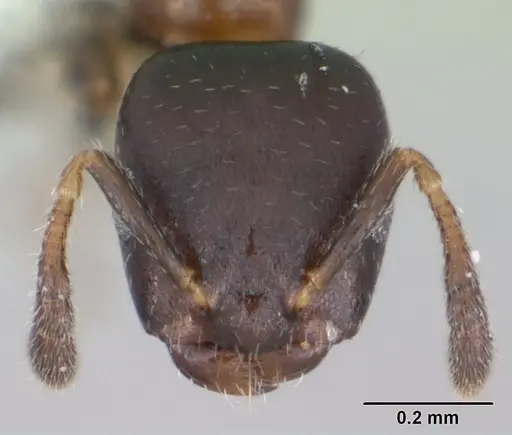
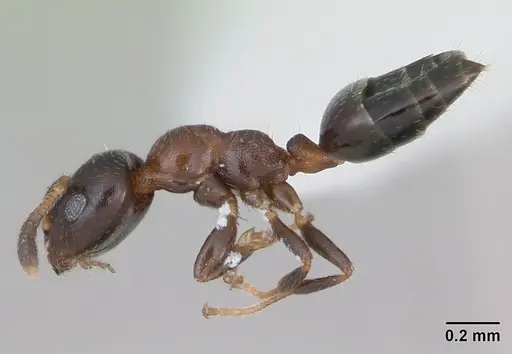
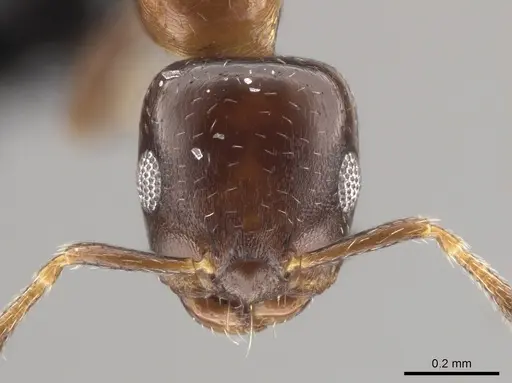
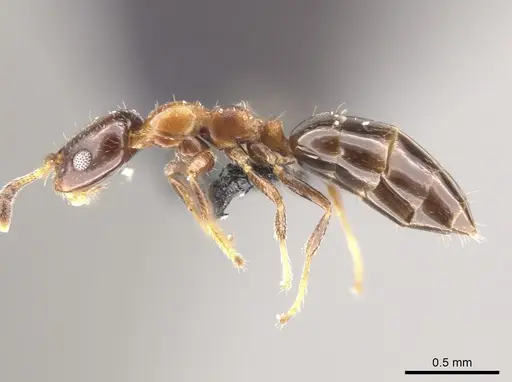
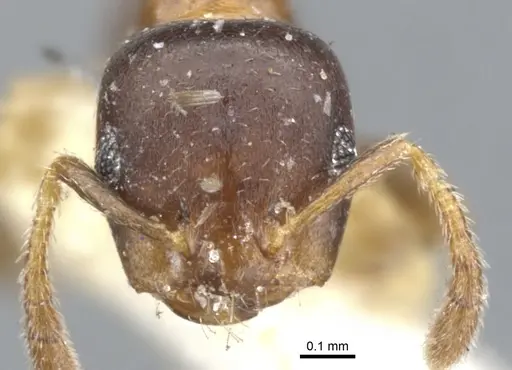
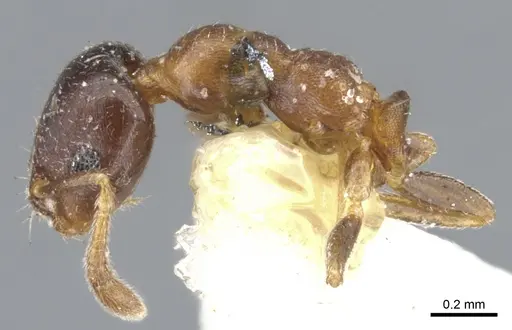
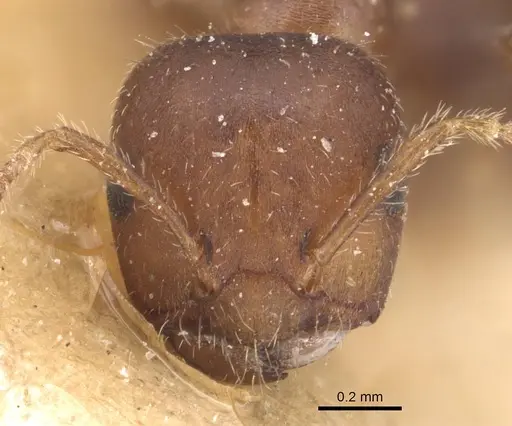
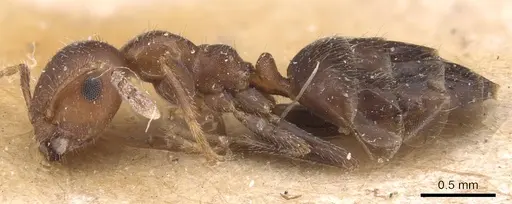
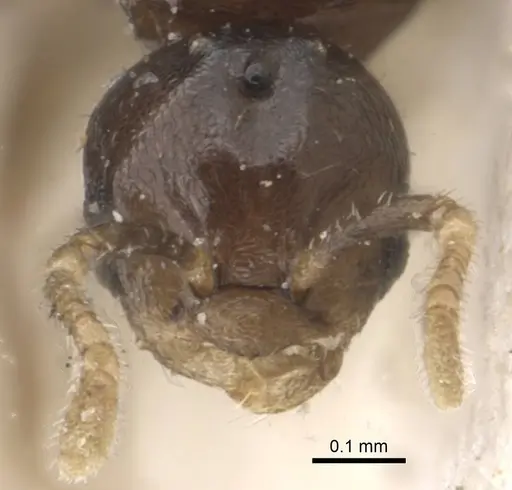
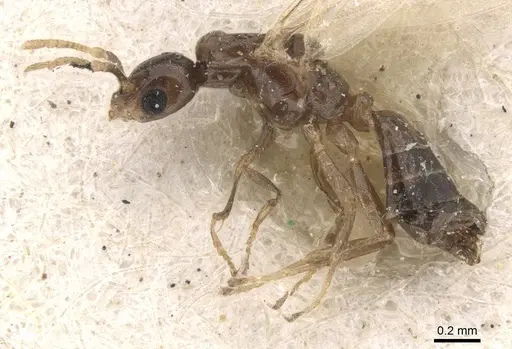
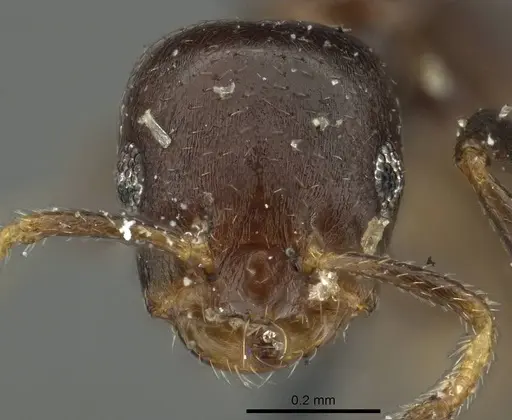
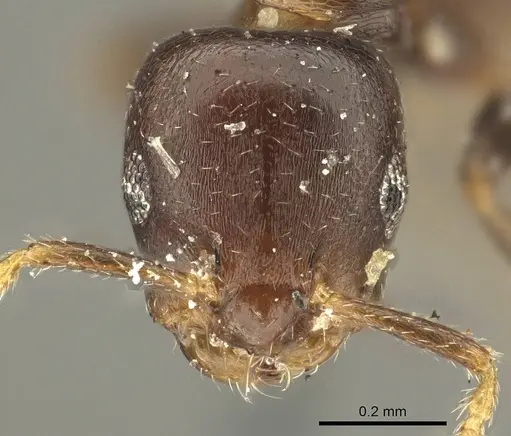
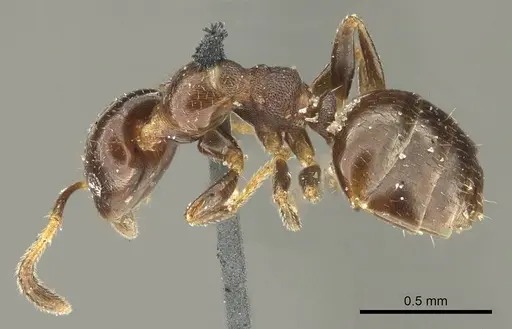
Myrmelachista gallicola is a tiny arboreal ant native to the Neotropical region of South America, found across Argentina, Uruguay, and southern Brazil. Workers measure 1.7-2.5mm with a distinctive appearance: medium brown head and mesosoma contrasting with a very dark brown gaster. The species has 10-segmented antennae and a thick, high petiolar scale with a slight notch in the middle. This ant is strictly arboreal, nesting inside plant galls, hollow twigs, and tree cavities - particularly in the dead tips of trees like Brazilian peppertree (Schinus terebinthifolius). Colonies are polygynous, typically containing 1-2 queens with colony sizes reaching over 100 workers. The species is non-aggressive and timid, quickly retreating into nest openings when disturbed.
Quick Summary
- Difficulty: Medium
- Origin & Habitat: Native to the Neotropical region: Argentina (Buenos Aires, Misiones, La Pampa), Uruguay (Soriano, Mercedes), and Brazil (Rio Grande do Sul, Rio de Janeiro). Inhabits Atlantic Forest, subtropical grasslands, restinga coastal areas, and Cerrado. Nests in arboreal cavities including plant galls, dead twigs, and tree hollows [1][2][3][4].
- Colony Type: Polygynous colonies with 1-2 queens (mean 1.4 ± 0.55). Polydomy observed, multiple nests can exist in a single plant, each with its own queen [5][6].
- Size & Growth:
- Antkeeping:
- Temperature: Keep at 22-26°C. As a subtropical species, they prefer warm conditions. A gentle temperature gradient allows them to regulate. Room temperature within this range works well, otherwise use a heating cable on one side of the nest.
- Humidity: Moderate to high. As an arboreal species nesting in tree cavities and plant galls, they prefer humid conditions. Keep nest substrate lightly moist but not waterlogged. Mist occasionally and provide a water tube.
- Diapause: No, as a subtropical species from southern Brazil, Uruguay, and Argentina, they do not require true hibernation. Maintain stable temperatures year-round [7].
- Nesting: Arboreal setup works best. These ants naturally nest in hollow twigs, plant galls, and tree cavities. In captivity, use Y-tong (AAC), plaster, soil nests, or 3D-printed nests with small narrow chambers. Avoid large, open spaces, they prefer tight, enclosed spaces.
- Behavior: Extremely timid and non-aggressive. When threatened, they quickly retreat into nest openings rather than defending. This makes them a peaceful colony to observe but also means they're easily stressed by excessive disturbance. They are arboreal foragers, feeding on extrafloral nectaries and small insects. Escape prevention is important due to their very small size, use fine mesh barriers. They form mutual associations with scale insects (Coccidae and Pseudococcidae) for honeydew [8].
- Common Issues: very small size means escapes are likely without fine mesh barriers, timid behavior may lead to stress if colony is frequently disturbed, arboreal nesting means standard soil-based nests may not be ideal, polygynous structure means multiple queens are normal, do not separate them, limited captive breeding information makes care experimental
Nest Preferences and Housing
Myrmelachista gallicola is an obligate arboreal nester. In the wild, they colonize hollow twigs, plant galls (especially those produced by Tetradiplosis sp. and Eschatocerus acaciae), and cavities in small dead trees. They've been found nesting in Schinus terebinthifolius (Brazilian peppertree) and Prosopis caldenia. A single plant can support multiple nests (polydomy), with each nest containing its own queen [6][1][2][8]. For captive care, mimic their natural nesting sites using Y-tong (AAC), plaster, soil nests, or 3D-printed nests with narrow chambers and passages. Twig-style nests or setups with pre-drilled small cavities work well. Avoid large, open spaces, these ants prefer tight, enclosed areas. Provide multiple connected chambers to accommodate their polygynous colony structure.
Feeding and Diet
Like other Myrmelachista species, M. gallicola feeds on extrafloral nectaries and animal-derived proteins. In captivity, offer a varied diet including sugar water or honey as an energy source, and small protein sources like fruit flies, small mealworms, or other tiny insects. They form mutualistic associations with scale insects (Coccidae and Pseudococcidae) in the wild, so they may tend aphids or scale insects if provided in the outworld [8]. Feed small amounts of protein 2-3 times per week, and keep a constant sugar water source available. Remove uneaten food promptly to prevent mold.
Temperature and Seasonal Care
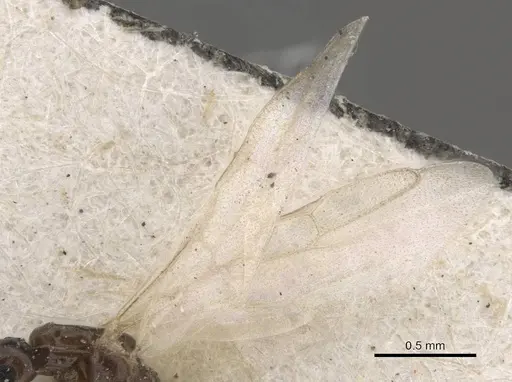
As a subtropical species from southern Brazil, Uruguay, and Argentina, Myrmelachista gallicola prefers warm, stable temperatures in the range of 22-26°C. They are found in Atlantic Forest and grassland habitats where temperatures are moderate year-round. Provide a gentle temperature gradient using a heating cable on one side of the nest if room temperature falls below this range. True hibernation is unlikely given their subtropical distribution, maintain stable temperatures throughout the year. Winged reproductives have been observed in November-December, suggesting nuptial flights occur during the southern hemisphere summer [7].
Colony Structure and Behavior
This species is polygynous, with colonies typically containing 1-2 queens (mean 1.4 ± 0.55). Unlike many ants, they naturally form polydomous colonies, multiple nests within a single plant, each with its own queen [6][5]. Workers are extremely timid and non-aggressive, when disturbed, they quickly retreat into nest openings rather than defending [6][8]. This peaceful temperament makes them interesting to observe but also means they're sensitive to vibration and disturbance. Colony sizes in the wild reach up to 114 workers, with averages around 85 workers per colony [5]. The species is considered cryptic and arboreal, nesting in vegetation rather than on the ground [4][9].
Escape Prevention
With workers measuring only 1.7-2.5mm, Myrmelachista gallicola is prone to escaping through tiny gaps. Use excellent escape prevention including fine mesh barriers (at least 0.5mm mesh), tight-fitting lids on any outworld containers, and reliable barrier methods like Fluon on test tube rims. Check connections between nest components regularly as these tiny ants can squeeze through remarkably small spaces. Their timid nature actually helps with containment, they're more likely to hide than to actively explore escape routes, but you should still assume they will find any gap available. [1][2]
Frequently Asked Questions
How long does it take for Myrmelachista gallicola to produce first workers?
The exact egg-to-worker development time is unknown for this species. No specific development studies have been conducted. Expect a moderate growth rate and be patient as the colony establishes.
Can I keep multiple queens together in Myrmelachista gallicola?
Yes, this is normal and expected. M. gallicola is naturally polygynous, with colonies typically containing 1-2 queens. In the wild, multiple queens can coexist in polydomous colonies (multiple nests in one plant). Do not attempt to separate queens, they work together cooperatively.
What size colony does Myrmelachista gallicola reach?
Colonies reach up to 114 workers in the wild, with an average of about 85 workers. Some sources indicate colony sizes can exceed 100 workers. This is a relatively small colony size compared to many common ant species.
Are Myrmelachista gallicola good for beginners?
This species is rated as Medium difficulty. While their small size and specific arboreal nesting requirements present challenges, their peaceful temperament and polygynous colony structure can be advantages. They require more specialized housing than ground-nesting ants but are not overly demanding otherwise.
What do Myrmelachista gallicola eat?
They feed on extrafloral nectaries and animal-derived proteins. In captivity, offer sugar water or honey as a constant energy source, and small protein sources like fruit flies, tiny mealworms, or other small insects 2-3 times per week. They may also tend scale insects if provided.
Do Myrmelachista gallicola need hibernation?
No. As a subtropical species from southern Brazil, Uruguay, and Argentina, they do not require true hibernation. Maintain stable temperatures (22-26°C) year-round. They may show slight seasonal activity changes but no extended dormancy period.
What is the best nest type for Myrmelachista gallicola?
Arboreal-style setups work best, Y-tong (AAC), plaster, soil nests, or 3D-printed nests with narrow chambers and passages that mimic their natural nesting in hollow twigs and tree cavities. Avoid large, open spaces. Small twig-style nests or setups with multiple connected chambers suit their polygynous structure.
Why are my Myrmelachista gallicola dying?
Common causes include: stress from excessive disturbance (they are very timid), improper humidity (too dry), escape through tiny gaps due to their small size, or unsuitable nesting (large open spaces instead of tight cavities). Ensure fine mesh barriers, maintain humid conditions, and minimize vibrations near the colony.
Report an Issue
The current care sheet is based fully on literature. See inconsistencies, or something that's incorrect? Please , it will be resolved after review from an admin. Contributing to the blogs tab also helps providing information, to make us be able to further improve the caresheets. Thank you for your support!
References

This caresheet is licensed under CC BY-SA 4.0 .
Community Blogs
CASENT0173487
View on AntWeb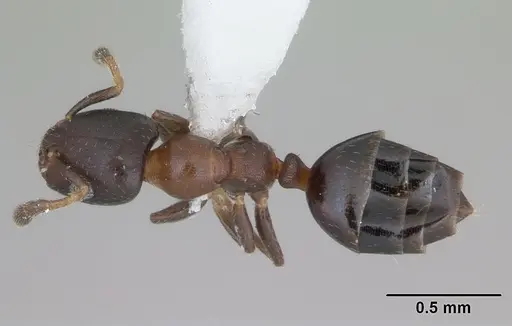
CASENT0647382
View on AntWeb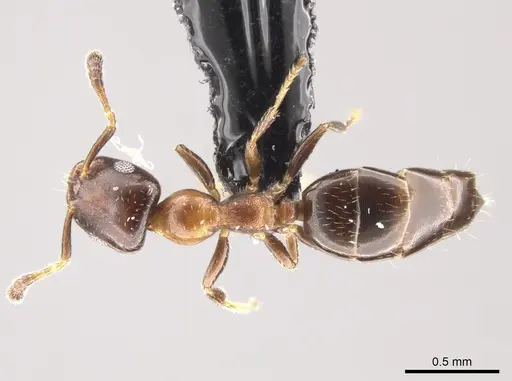
CASENT0903115
View on AntWeb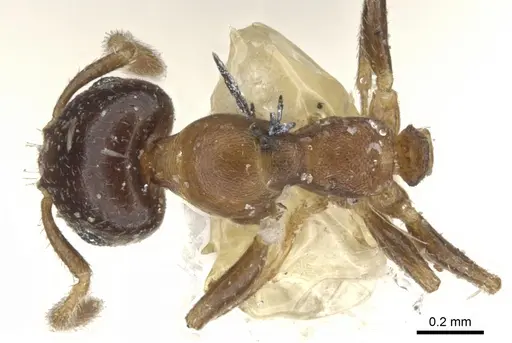
CASENT0905170
View on AntWeb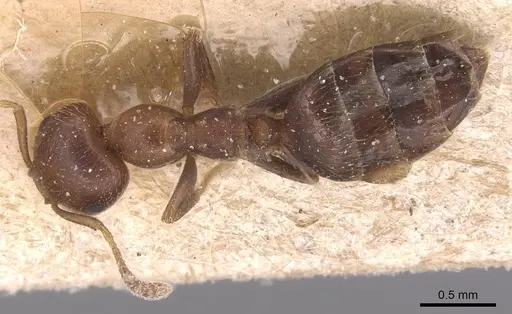
CASENT0909928
View on AntWeb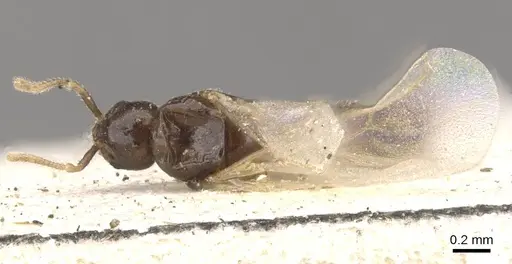
CASENT0915740
View on AntWeb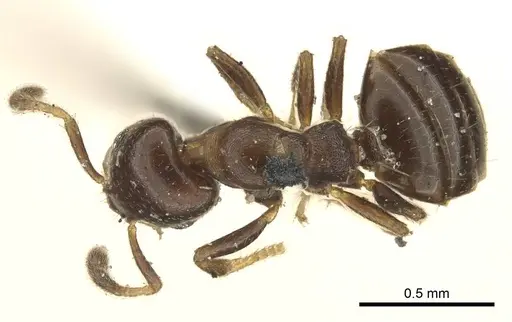
Literature
Loading distribution map...Loading products...