
Myrmelachista dalmasi
- Sci. Name
- Myrmelachista dalmasi
- Tribe
- Myrmelachistini
- Subfamily
- Formicinae
- Author
- Forel, 1912
- Distribution
- Found in 1 countries
Introduction
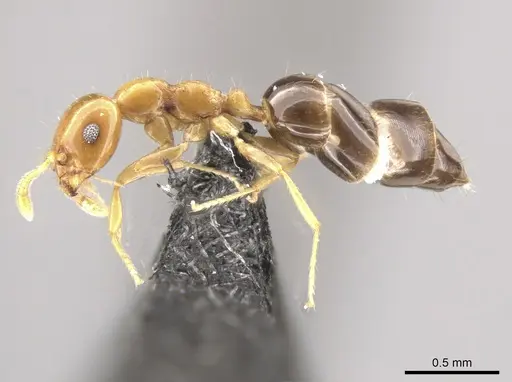
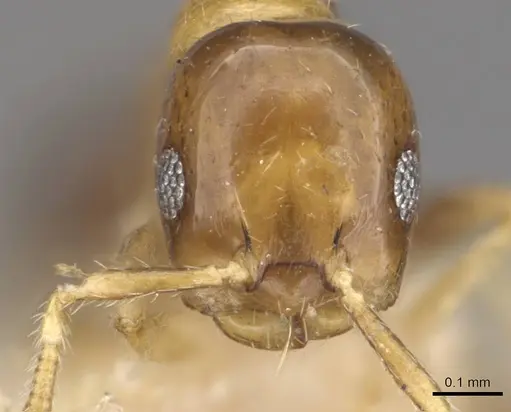
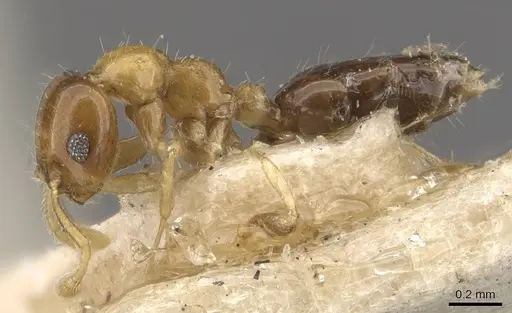
Myrmelachista dalmasi is a small ant species native to Colombia, specifically found in the La Guajira region and Sierra Nevada de Santa Marta at elevations around 835 meters . Size data is unavailable from current research. This species is part of the Formicinae subfamily and Myrmelachistini tribe. It inhabits dry to moderately humid tropical environments, suggesting adaptation to warmer, drier conditions .
Quick Summary
- Difficulty: Medium
- Origin & Habitat: Native to Colombia, specifically La Guajira and Sierra Nevada de Santa Marta at around 835m elevation in dry tropical environments [1][2][3].
- Colony Type: Colony structure is unconfirmed. No specific data on queen number or social structure.
- Size & Growth:
- Queen: Size data unavailable [1][2][3]
- Worker: Size data unavailable [1][2][3]
- Colony: Unknown, no data on colony size
- Growth: Moderate, inferred from tropical distribution [1][2]
- Development: Estimated 6-8 weeks based on genus patterns, but no specific study exists [4] (Development time is inferred, tropical Formicinae typically develop faster.)
- Antkeeping:
- Temperature: Keep warm, around 24-28°C, based on tropical origin [1][2].
- Humidity: Provide a humidity gradient, since found in dry regions, allow substrate to dry partially between waterings [1][3].
- Diapause: No, tropical species do not require hibernation [1][2].
- Nesting: Based on genus patterns, prefer arboreal or semi-arboreal setups. Use Y-tong or naturalistic nests with climbing structures [4].
- Behavior: Behavior is unconfirmed. Based on genus patterns, workers are likely docile and forage on vegetation. Escape risk is moderate due to small size, but no specific data [4].
- Common Issues: temperature drops below 20°C may stress the colony [1][2]., small size may increase escape risk, use fine barriers., limited species-specific care information available.
Natural History and Distribution
Myrmelachista dalmasi is endemic to northern Colombia, with confirmed records from La Guajira and the Sierra Nevada de Santa Marta regions [1][2]. The Sierra Nevada de Santa Marta location at 835m elevation shows this species can be found in transitional dry-to-humid tropical habitats [3]. The La Guajira region is characterized by relatively dry, warm conditions, suggesting this species is more xerotolerant than many rainforest-dwelling ants [1][3].
Housing and Nest Preferences
Based on genus patterns, Myrmelachista dalmasi likely prefers arboreal or semi-arboreal nesting arrangements [4]. In captivity, Y-tong (AAC) nests work well for small Myrmelachista species, as do naturalistic setups with pre-formed cavities. Avoid fully soil-based nests unless the colony shows a preference for ground-nesting. Provide some climbing structures and vegetation-like materials since they likely forage in and around plants. Ensure the nest has adequate humidity control, these ants can handle moderate dryness but need access to moisture.
Feeding and Diet
The diet of Myrmelachista dalmasi has not been specifically studied, but Myrmelachista species are typically omnivorous, feeding on honeydew, nectar, and small insects [4]. Offer sugar water or honey regularly as a carbohydrate source. For protein, provide small insects such as fruit flies, small mealworms, or pinhead crickets. As with most Formicinae, they likely have a moderate protein requirement. Feed every 2-3 days, removing uneaten prey after 24 hours.
Temperature and Seasonal Care
Maintain temperatures between 24-28°C for optimal colony development, based on the tropical origin of this species [1][2]. Avoid temperatures below 20°C for extended periods, as this may stress the colony. Unlike temperate species, they do not require true hibernation, but a slight reduction to around 20-22°C during winter months may simulate natural seasonal changes. Use a heating cable on one side of the nest to create a temperature gradient, allowing workers to self-regulate.
Behavior and Colony Dynamics
Specific behavioral documentation for M. dalmasi is limited, but Myrmelachista species are generally known to be docile and less aggressive than many ant genera [4]. Workers are small and likely forage on vegetation as well as the ground. The genus is known to form polydomous colonies in some species, which may require more vertical or distributed housing options. They probably use chemical communication rather than aggressive defense. Colony growth is likely moderate, expect 6-8 weeks from egg to first worker at optimal temperatures.
Frequently Asked Questions
How long does it take for Myrmelachista dalmasi to raise first workers?
Estimated 6-8 weeks from egg to first worker at optimal temperatures (25-28°C). This is based on typical Formicinae development patterns since no specific study exists for this species [4].
What temperature do Myrmelachista dalmasi ants need?
Keep them at 24-28°C. They are tropical ants from Colombia and prefer consistent warmth [1][2]. Avoid temperatures below 20°C for extended periods.
Do Myrmelachista dalmasi ants need hibernation?
No, they likely do not require true hibernation. As a tropical species, they prefer year-round warmth [1][2]. A slight cool-down to around 20-22°C in winter may be beneficial but is not necessary.
What do Myrmelachista dalmasi ants eat?
They likely accept the typical ant diet: sugar sources (honey, sugar water) and small insects (fruit flies, small mealworms, pinhead crickets). This is based on genus-level knowledge [4].
Are Myrmelachista dalmasi ants aggressive?
Myrmelachista species are generally considered docile and non-aggressive [4]. However, specific behavior for M. dalmasi has not been documented.
How big do Myrmelachista dalmasi colonies get?
Colony size is unknown for this specific species. No data is available from current research [1][2][3].
Can I keep multiple Myrmelachista dalmasi queens together?
This has not been documented. The colony structure of M. dalmasi is unconfirmed. For safety, keep only one queen per colony unless you have specific evidence they accept multiple queens.
What type of nest is best for Myrmelachista dalmasi?
Based on genus patterns, they likely prefer arboreal or semi-arboreal setups [4]. Y-tong (AAC) nests or naturalistic setups with pre-formed cavities work well. Provide climbing structures.
Is Myrmelachista dalmasi good for beginners?
This species is rated as Medium difficulty and is rarely available in the antkeeping hobby. Beginners may struggle due to limited species-specific care information. Consider starting with more established species first.
Where is Myrmelachista dalmasi found in the wild?
This species is native to Colombia, specifically the La Guajira region and Sierra Nevada de Santa Marta at around 835m elevation [1][2][3].
Report an Issue
The current care sheet is based fully on literature. See inconsistencies, or something that's incorrect? Please , it will be resolved after review from an admin. Contributing to the blogs tab also helps providing information, to make us be able to further improve the caresheets. Thank you for your support!
References

This caresheet is licensed under CC BY-SA 4.0 .
Community Blogs
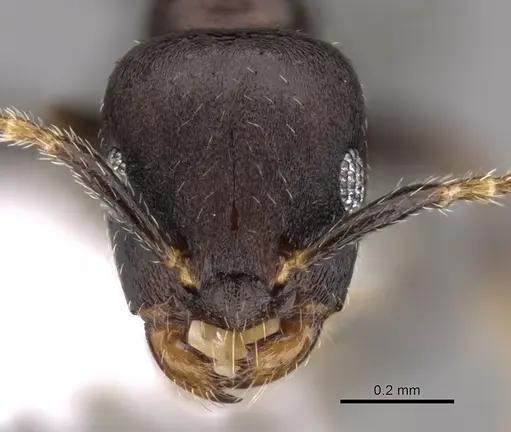
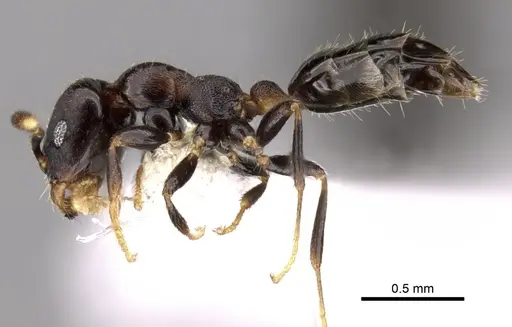
CASENT0280539
View on AntWeb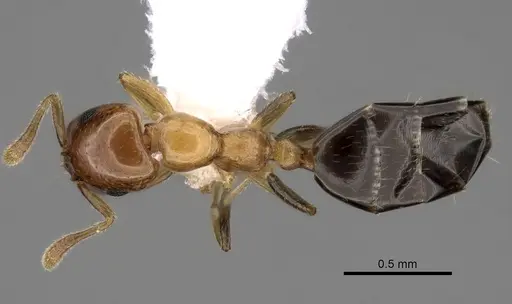
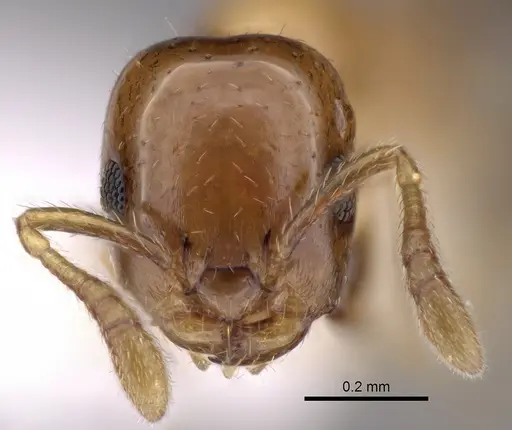
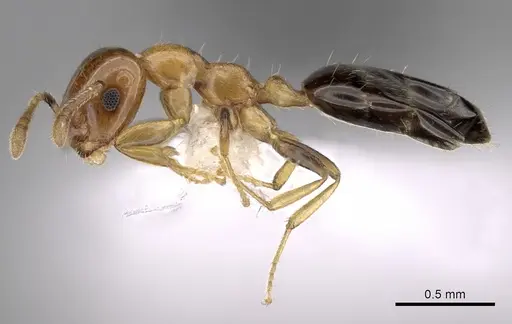
CASENT0280540
View on AntWeb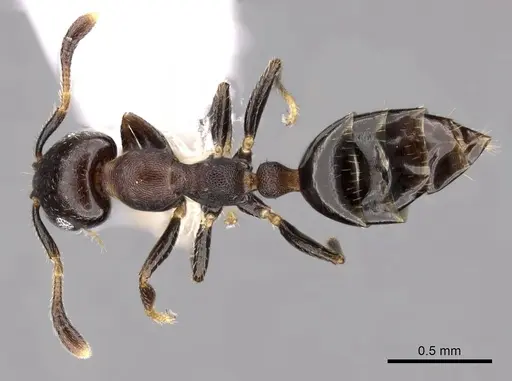
CASENT0654218
View on AntWeb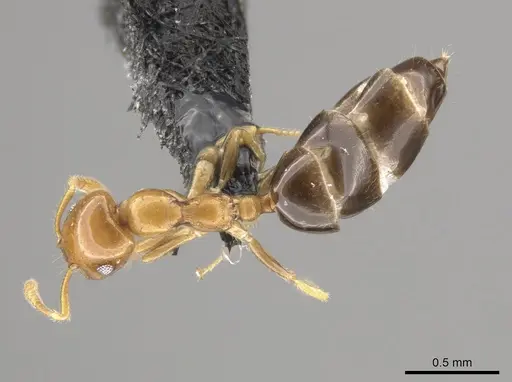
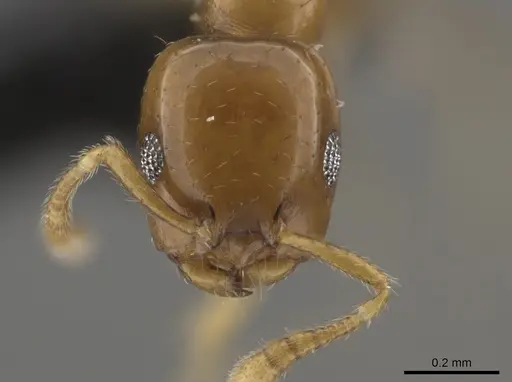
CASENT0909918
View on AntWeb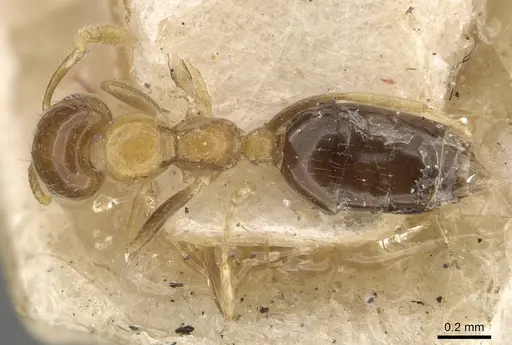
Literature
Loading distribution map...Loading products...