
Myrmelachista brevicornis
- Sci. Name
- Myrmelachista brevicornis
- Tribe
- Myrmelachistini
- Subfamily
- Formicinae
- Author
- Wheeler, 1934
- Distribution
- Found in 7 countries
Introduction
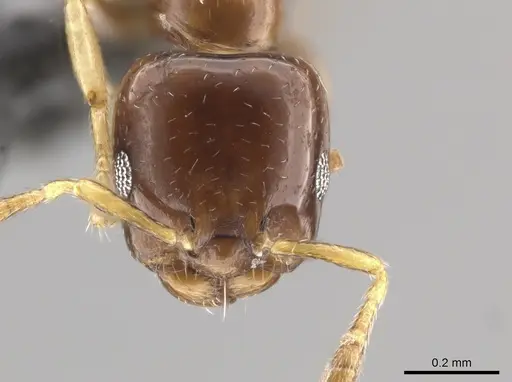
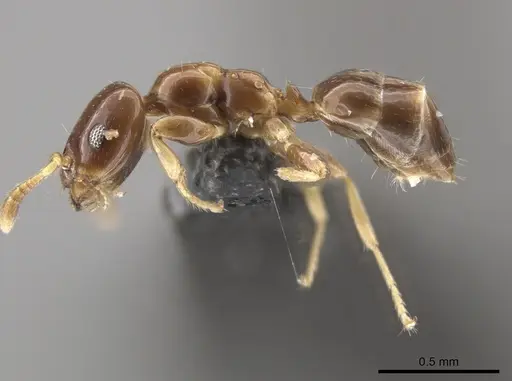
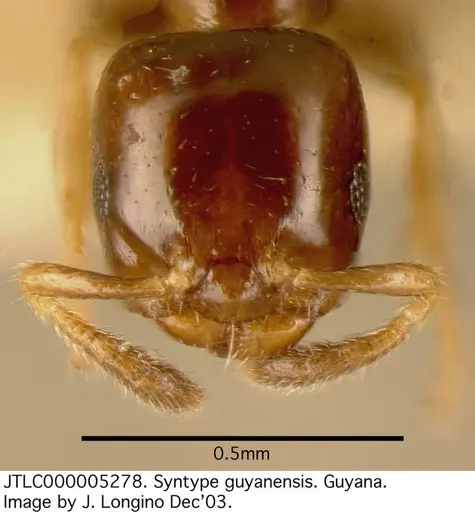
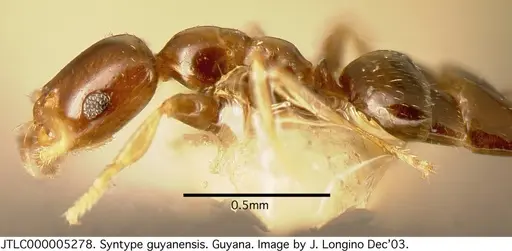
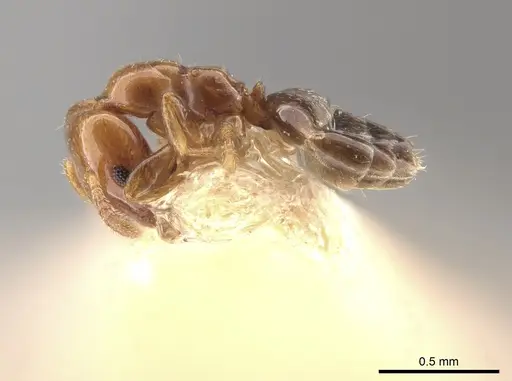
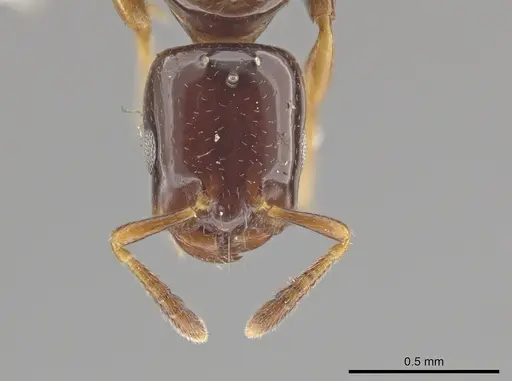
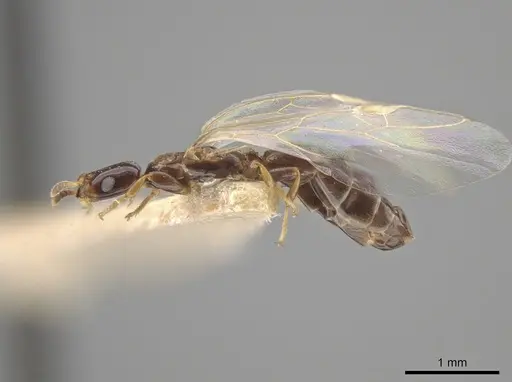
Myrmelachista brevicornis is a tiny arboreal ant species native to the Neotropical region, found in Brazil and Peru. Workers measure just 1.2mm, making them among the smaller ants you'll encounter. They have a distinctive appearance with a yellowish-red head, thorax, and petiole contrasting against a black gaster, while their antennae and legs are reddish-yellow. One unusual feature is their nine antennal segments, compared to the typical 11-12 found in most ants. These ants belong to the subfamily Formicinae and are closely related to other arboreal Myrmelachista species that typically nest in hollow twigs and branches in tropical forests.
Quick Summary
- Difficulty: Medium
- Origin & Habitat: Native to the Neotropical region, specifically Brazil (Santarem) and Peru. They inhabit tropical forest environments where they nest in arboreal locations like hollow twigs and branches [1][2].
- Colony Type: Colony structure is unconfirmed. Based on typical Myrmelachista patterns, they likely form small colonies with single queens, but this has not been directly documented for this species.
- Size & Growth:
- Queen: Size data unavailable, no queen description has been published.
- Worker: 1.2mm [2]
- Colony: Unknown, no documented colony size for this species.
- Growth: Unknown, not studied
- Development: Unknown, no specific development data exists for this species. (Development timeline has not been documented.)
- Antkeeping:
- Temperature: Keep at 24-28°C. As a tropical species, they need warm conditions year-round.
- Humidity: High humidity (70-85%), mimic the damp tropical forest understory where they naturally occur. Keep nesting material consistently moist but not waterlogged.
- Diapause: No, as a tropical species, they do not require hibernation. Maintain consistent warm temperatures year-round.
- Nesting: Arboreal nesting preferences. In captivity, they do well in small test tubes or Y-tong setups with narrow chambers scaled to their tiny size. Provide twigs or small channels they can use as nesting spaces.
- Behavior: These are tiny, fast-moving arboreal ants. They are likely active foragers that search for honeydew and small prey. Their small size makes them excellent escape artists, escape prevention must be excellent with fine mesh barriers and tight-fitting lids. They are probably non-aggressive and may flee rather than fight when disturbed. Their nine antennal segments suggest they may have reduced sensory capabilities compared to other ants.
- Common Issues: escape prevention is critical due to their very small size, they can squeeze through standard mesh, humidity control is challenging, too dry causes dehydration, too wet causes mold, tropical temperature requirements mean they cannot tolerate cool rooms, slow colony growth can frustrate beginners who overfeed and cause mold, wild-caught colonies may have parasites or diseases that kill them in captivity
Housing and Nest Setup
Myrmelachista brevicornis is an arboreal species that naturally nests in hollow twigs and branches in tropical forests. In captivity, they do well in small test tubes with cotton stoppers or Y-tong nests scaled to their tiny size. The key is providing appropriately sized passages, chambers that are too large can stress these small ants. A test tube setup works well for founding colonies, while established colonies can be moved to small plaster or Y-tong nests. Always ensure excellent escape prevention, these tiny ants can squeeze through gaps that would hold back larger species. Use fine mesh on any ventilation holes and check all seams regularly. [2]
Feeding and Diet
Based on typical Myrmelachista genus behavior, these ants likely feed primarily on honeydew collected from aphids and scale insects, plus small insects and other protein sources. In captivity, offer sugar water or honey water as a constant energy source. For protein, provide small live prey like fruit flies, pinhead crickets, or mealworms cut into tiny pieces. Because of their small size, prey items should be appropriately sized, anything larger than their head is likely ignored. Feed protein every 2-3 days and remove any uneaten prey within 24 hours to prevent mold. [2]
Temperature and Humidity
As a tropical species from Brazil and Peru, Myrmelachista brevicornis requires warm, humid conditions. Maintain temperatures between 24-28°C year-round, they do not tolerate cool conditions and have no diapause requirement. A heating cable on one side of the nest can create a temperature gradient, allowing the ants to self-regulate. Humidity should be kept high at 70-85%. If using a test tube setup, ensure the water reservoir is adequate but not excessive to prevent flooding. Mist the outworld occasionally and monitor for condensation. Avoid placing the nest near air conditioning vents or in rooms with temperature fluctuations. [2]
Colony Growth and Development
The specific development timeline of Myrmelachista brevicornis has not been documented. Colony growth will likely be slow initially, these are small ants. Be patient during the founding phase, queens may take several weeks to lay their first eggs. Do not disturb the nest during this critical period. [2]
Handling and Observation
These tiny ants are fast-moving and can be challenging to observe closely. They are likely non-aggressive and will flee rather than engage if threatened. Their small size means they are fragile, avoid handling them directly and use gentle techniques if colony transfers are necessary. When observing, use good lighting and consider a magnifying glass to appreciate their distinctive coloring (yellowish-red body with black gaster). Their nine antennal segments are unusual and can be observed under magnification. Keep escape prevention in mind during any outworld feeding or nest maintenance. [2]
Frequently Asked Questions
How long does it take for Myrmelachista brevicornis to produce first workers?
This has not been documented for this species. Development timeline is unknown.
What size colony does Myrmelachista brevicornis reach?
Colony size is not documented for this species. No data exists on maximum colony size.
Can I keep multiple queens together?
This has not been documented for Myrmelachista brevicornis. Colony social structure has not been studied for this species.
What do Myrmelachista brevicornis eat?
Based on typical Myrmelachista behavior, they likely feed on honeydew and small insects. In captivity, offer sugar water or honey water as a constant food source, plus small live prey like fruit flies or tiny cricket pieces for protein.
Are Myrmelachista brevicornis good for beginners?
This species is rated as Medium difficulty. Their small size and specific temperature/humidity requirements make them better suited for keepers with some experience. Their escape risk and need for tropical conditions require attention to detail.
Do Myrmelachista brevicornis need hibernation?
No, as a tropical species from Brazil and Peru, they do not require hibernation or diapause. Keep them warm year-round at 24-28°C.
Why are my Myrmelachista brevicornis escaping?
At only 1.2mm, they are excellent escape artists. Ensure you have fine mesh, tight-fitting lids, and check all seams and connections. Even tiny gaps that wouldn't hold larger ants will allow these tiny ants to escape.
When should I move Myrmelachista brevicornis to a formicarium?
Start with a test tube setup for the founding colony. Once the colony reaches 20-30 workers and the test tube shows signs of drying or condensation issues, you can move them to a small Y-tong nest. They do well in nests with small, appropriately scaled chambers.
What makes Myrmelachista brevicornis different from other ants?
This species has an unusual nine antennal segments, compared to the typical 11-12 in most ants. They also have distinctive coloring with a yellowish-red head, thorax, and petiole contrasting against a black gaster. They are arboreal, nesting in twigs and branches rather than underground.
Report an Issue
The current care sheet is based fully on literature. See inconsistencies, or something that's incorrect? Please , it will be resolved after review from an admin. Contributing to the blogs tab also helps providing information, to make us be able to further improve the caresheets. Thank you for your support!
References

This caresheet is licensed under CC BY-SA 4.0 .
Community Blogs
CASENT0647449
View on AntWeb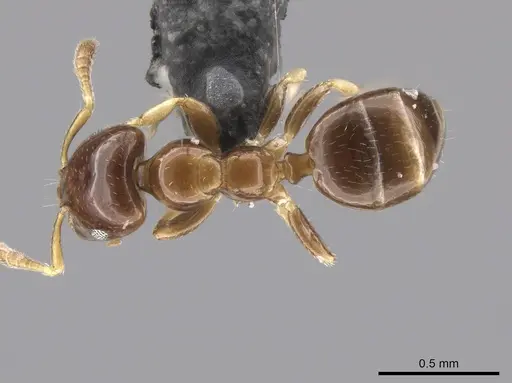
JTLC000005278
View on AntWeb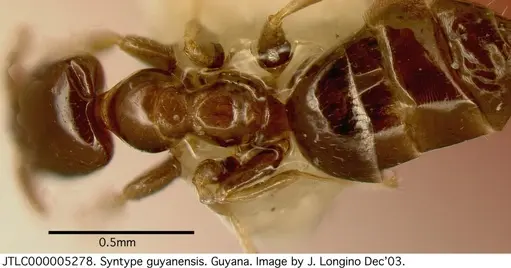
MCZ-ENT00021417
View on AntWeb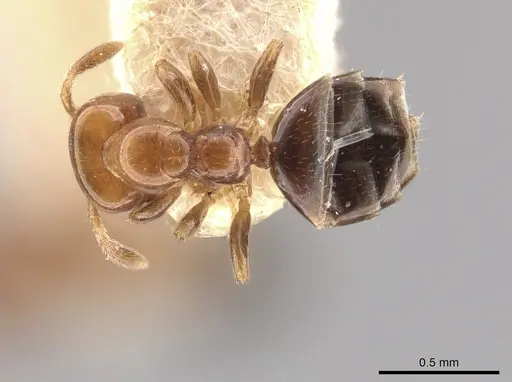
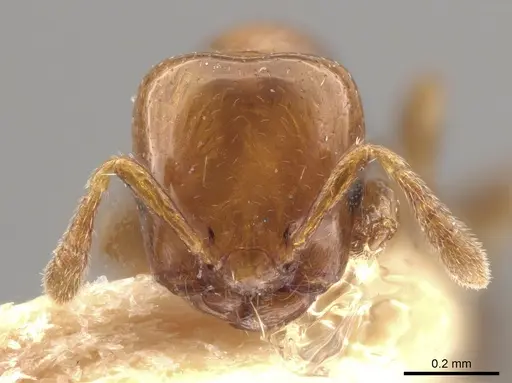
MCZ-ENT00793528
View on AntWeb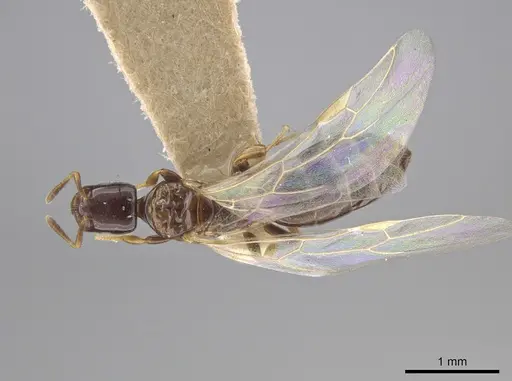
Literature
Loading distribution map...Loading products...