
Brick Honeypot Ant
Myrmecocystus testaceus
- Sci. Name
- Myrmecocystus testaceus
- Tribe
- Lasiini
- Subfamily
- Formicinae
- Author
- Emery, 1893
- Common Name
- Brick Honeypot Ant
- Distribution
- Found in 2 countries
Introduction
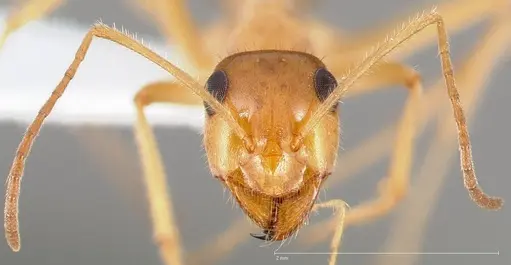
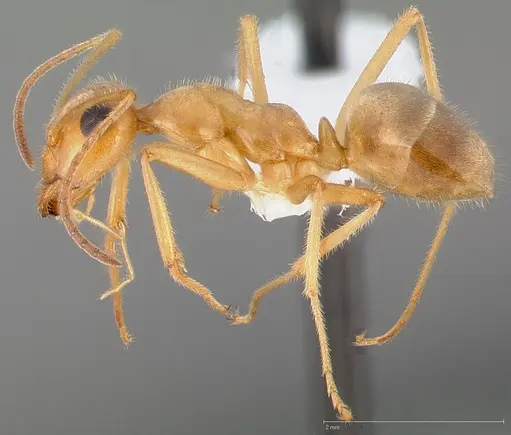
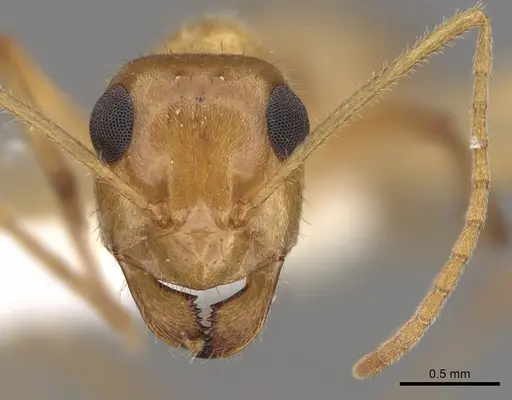
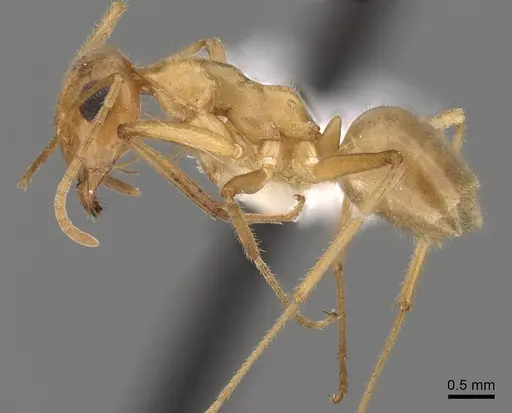
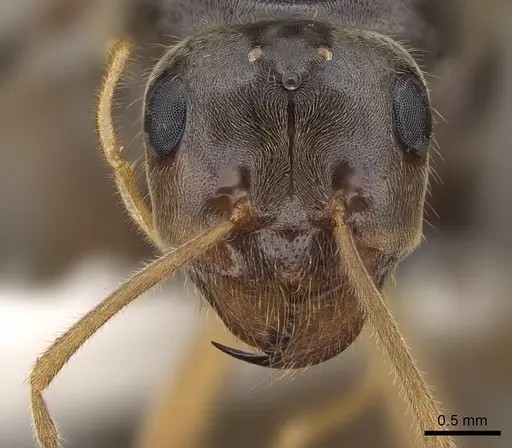
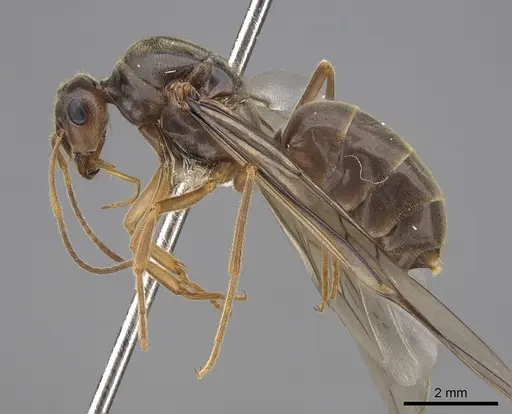
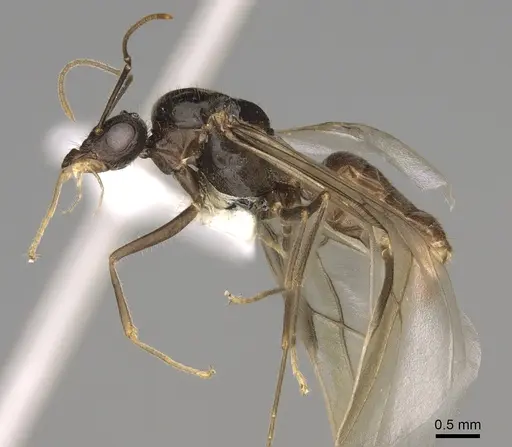
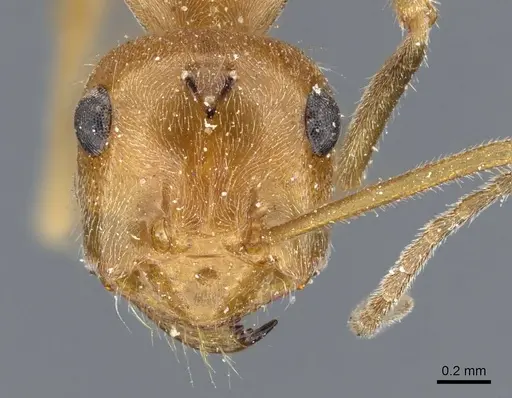
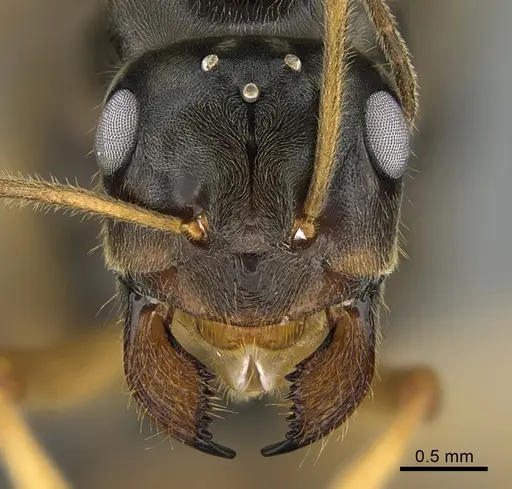
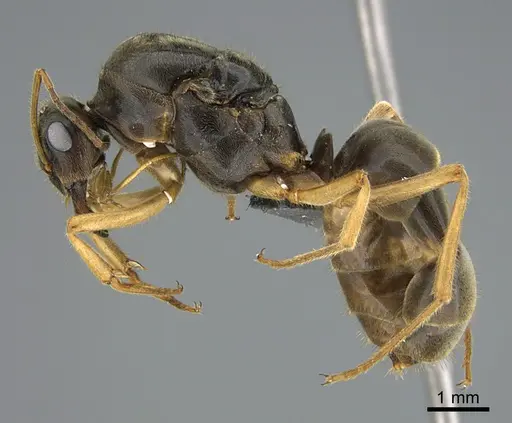
Myrmecocystus testaceus is a medium-sized honey ant found across the western United States and northern Mexico. Workers are typically 2-4 mm in total length, inferred from Myrmecocystus genus , with a yellowish to reddish-yellow coloration and numerous erect hairs. Queens are larger, approximately 4-6 mm, also inferred . This species ranges from southern Washington to northern Baja California, east to Idaho and Utah , inhabiting sagebrush steppe, chaparral, and pinon-juniper woodlands at elevations from 1400 to 6900 feet .
Quick Summary
- Difficulty: Medium
- Origin & Habitat: Western United States and northern Mexico, from southern Washington to northern Baja California, east to Idaho and Utah. Found in sagebrush steppe, coastal sagebrush, chaparral, and pinon-juniper woodlands between 1400-6900 feet elevation [2][3][4].
- Colony Type: Unconfirmed, not explicitly documented in research literature.
- Size & Growth:
- Queen: ~4-6 mm, inferred from Myrmecocystus genus [1]
- Worker: ~2-4 mm, inferred from Myrmecocystus genus [1]
- Colony: Unknown maximum
- Growth: Moderate, inferred from Formicinae patterns
- Development: Estimated 6-8 weeks at optimal temperature (Development time inferred from related species, specific data not available for this species.)
- Antkeeping:
- Temperature: Keep warm,24-32°C, as this is a hot climate specialist [4]. Provide a thermal gradient so workers can regulate their temperature.
- Humidity: Keep nest substrate relatively dry, with a small water chamber for humidity control [4].
- Diapause: Yes, aestivation during hot weather documented [1]. Winter diapause likely in cooler climates.
- Nesting: Naturalistic setup with soil or sandy substrate, Y-tong or plaster nests with dry conditions are suitable [1].
- Behavior: Crepuscular and nocturnal, active around dusk. Workers gather at nest entrance 15-20 minutes before sunset, then mass-exodus for foraging [1][5]. Moderate escape risk due to small size, not highly aggressive but will defend the nest.
- Common Issues: desert species is sensitive to excess moisture, keep substrate dry to prevent fungal growth., nocturnal activity pattern means limited visibility during daytime hours., aestivation behavior may alarm keepers, colonies can become inactive during hot periods., slow founding phase, queens may take months before first workers emerge., test tube setups may be too wet, prefer drier conditions than many species.
Housing and Nest Setup
You should use a naturalistic setup with deep soil or sandy substrate to allow excavation of crater mounds. A mix of sand and soil that holds shape but drains well works best. These are desert ants, so keep the substrate relatively dry. If using a formicarium, choose plaster or Y-tong nests with good ventilation and dry conditions. For founding colonies, a test tube setup can work if you keep the water chamber small and allow most of the tube to remain dry. Provide a temperature gradient with a heating cable on one side, but ensure a cool area for retreat [1][4].
Feeding and Diet
In the wild, this species feeds on honeydew from aphids, plant nectar, and insects [4]. In captivity, offer sugar water or honey water every 2-3 days, plus protein sources like fruit flies or small crickets. They store food in repletes, so sugar sources are important. Remove uneaten prey after 24-48 hours to prevent mold [4].
Temperature and Heating
As a hot climate specialist, keep temperatures between 24-32°C [4]. Provide a thermal gradient using a heating cable on one side of the nest, placed on top of the substrate to prevent excessive drying. Room temperature may be too cool, use a heat mat if below 24°C. During summer, aestivation is normal if temperatures become extreme [1].
Foraging Behavior and Activity Patterns
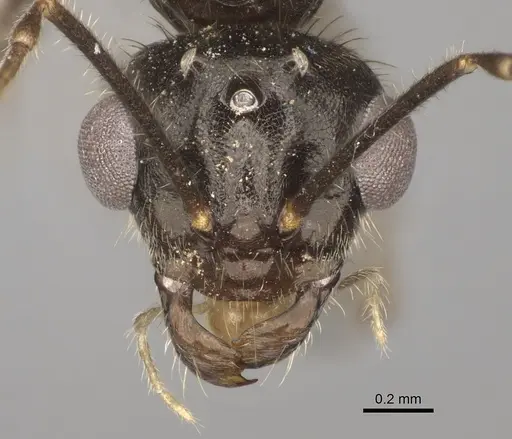
This species is crepuscular and nocturnal, foraging primarily around dusk and into the night. Workers gather at the nest entrance 15-20 minutes before sunset, then rush out in a mass exodus [1]. The initial foraging lasts about an hour, with individual ants continuing for 2-4 hours. Their large eyes are adapted for low-light vision [5]. Check the colony in the evening to observe activity.
Seasonal Care and Overwintering
Aestivation occurs during hot weather, so reduced activity in summer is normal [1]. For overwintering, provide a diapause period of 2-3 months at 10-15°C, reducing feeding during this time. This mimics their native range where winters are cold.
Frequently Asked Questions
Can I keep Myrmecocystus testaceus in a test tube?
Yes, for founding colonies, but keep the water chamber small and allow most of the tube to remain dry. These ants prefer drier conditions [1].
How long until first workers emerge?
Estimated 6-8 weeks at optimal temperature (around 26-28°C), based on genus patterns. Claustral founding means the queen raises the first brood alone.
Are Myrmecocystus testaceus good for beginners?
Medium difficulty, they require warm, dry conditions and specific feeding. Nocturnal activity means less visible movement during daytime, so experienced keepers may have more success.
What do Myrmecocystus testaceus eat?
They primarily feed on honeydew and plant nectar in the wild. In captivity, offer sugar water plus small insects for protein [4].
When should I move my colony to a formicarium?
Move once the colony reaches 50-100 workers and the test tube is crowded. Use a naturalistic setup with deep sandy soil [1].
Do Myrmecocystus testaceus need hibernation?
Yes, a winter diapause of 2-3 months at 10-15°C is beneficial, as they experience cold winters in their native range.
Why is my colony not moving during the day?
This is normal, they are crepuscular and nocturnal. Most activity occurs around dusk [1][5].
How big do colonies get?
Maximum colony size is unknown, but related Myrmecocystus species form colonies of several thousand workers. They are known for having repletes [1].
Can I keep multiple queens together?
Not recommended, as colony type is unconfirmed. Combining unrelated queens may result in aggression. Start with one queen per colony.
Report an Issue
The current care sheet is based fully on literature. See inconsistencies, or something that's incorrect? Please , it will be resolved after review from an admin. Contributing to the blogs tab also helps providing information, to make us be able to further improve the caresheets. Thank you for your support!
References

This caresheet is licensed under CC BY-SA 4.0 .
Community Blogs
CASENT0005423
View on AntWeb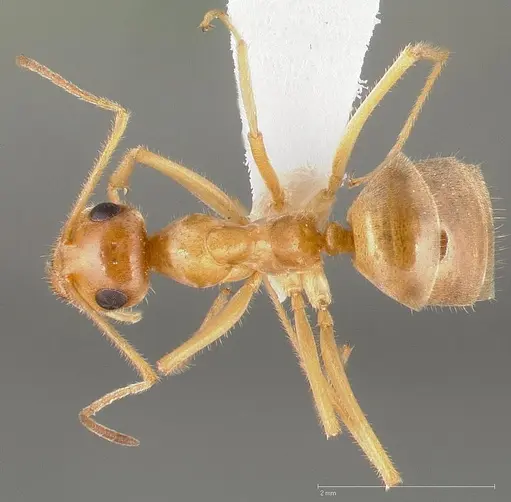
CASENT0280531
View on AntWeb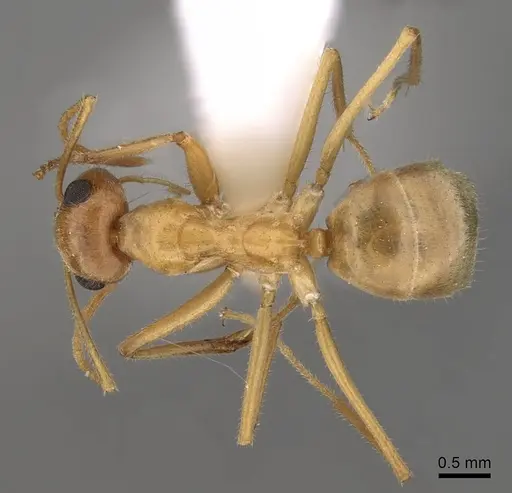
CASENT0862014
View on AntWeb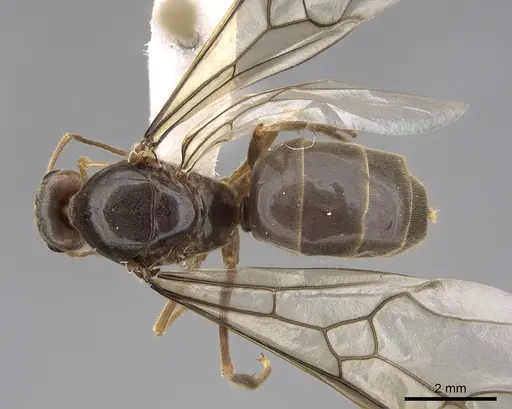
CASENT0862015
View on AntWeb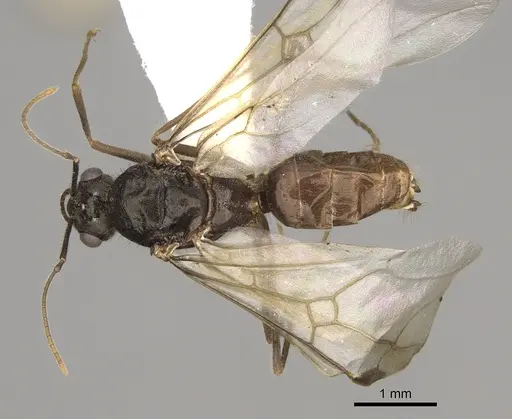
CASENT0905691
View on AntWeb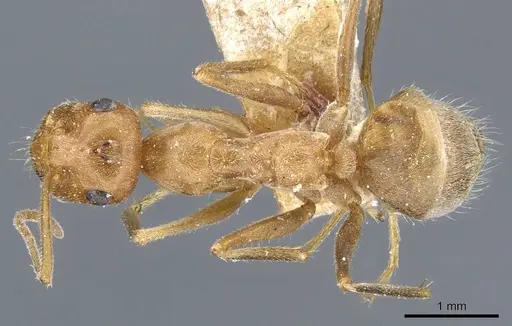
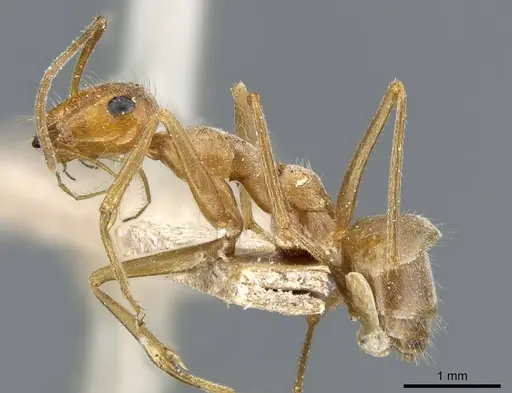
CASENT0923354
View on AntWeb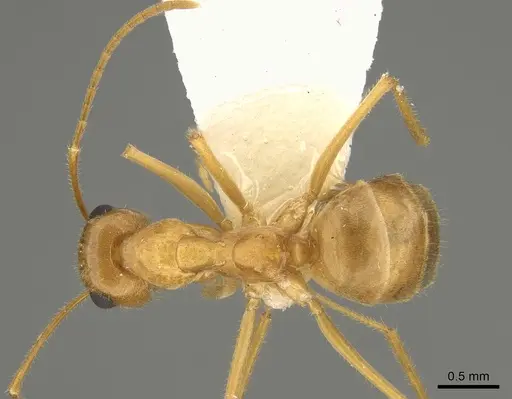
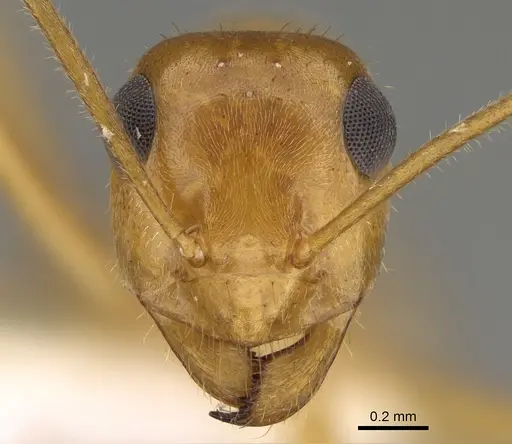
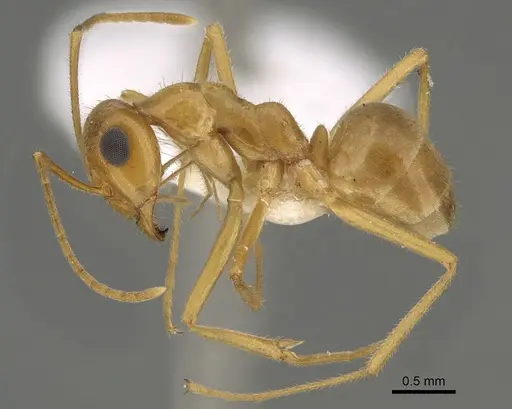
CASENT0923645
View on AntWeb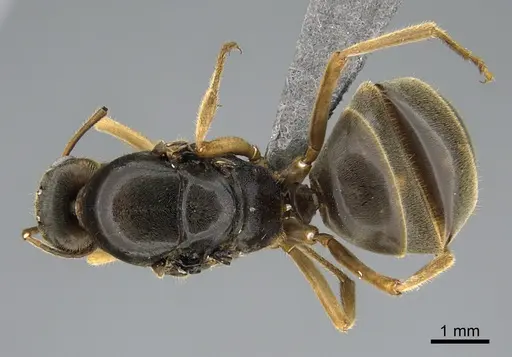
Literature
Loading distribution map...Loading products...