
Navajo Honeypot Ant
Myrmecocystus navajo
- Sci. Name
- Myrmecocystus navajo
- Tribe
- Lasiini
- Subfamily
- Formicinae
- Author
- Wheeler, 1908
- Common Name
- Navajo Honeypot Ant
- Distribution
- Found in 2 countries
Introduction
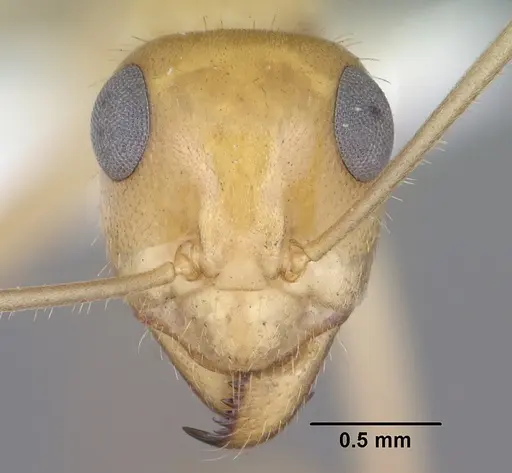
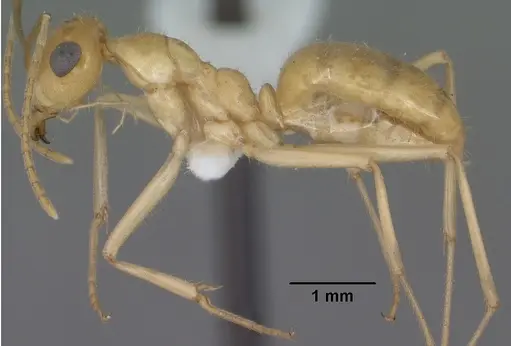
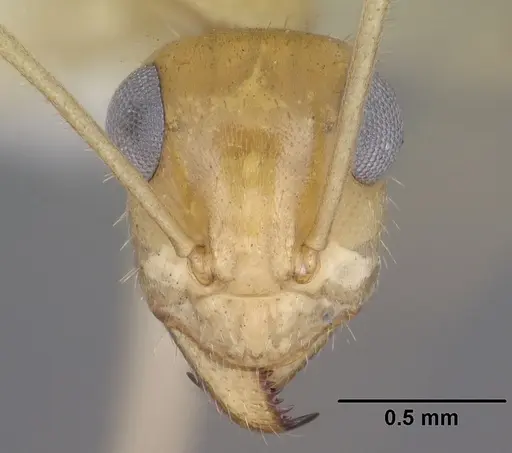
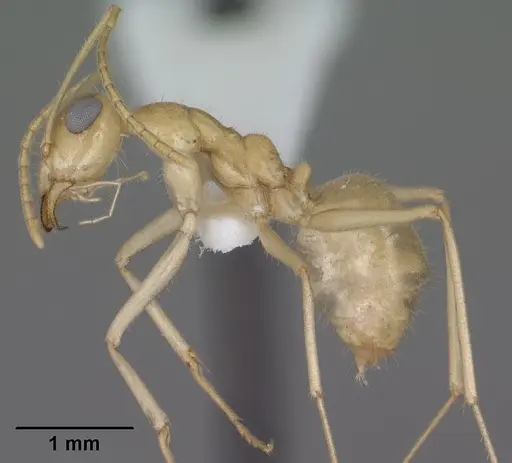
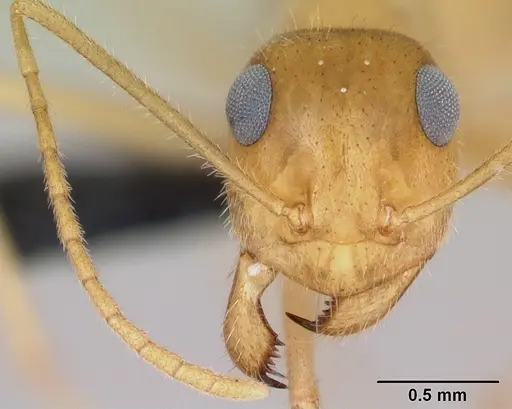
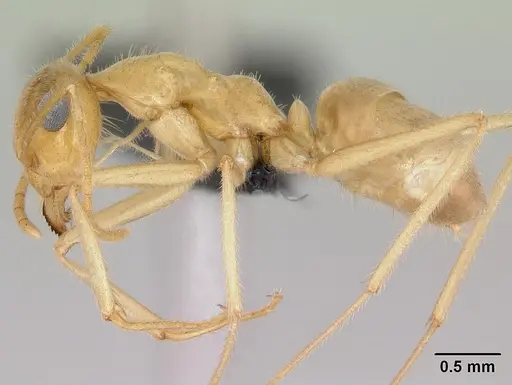
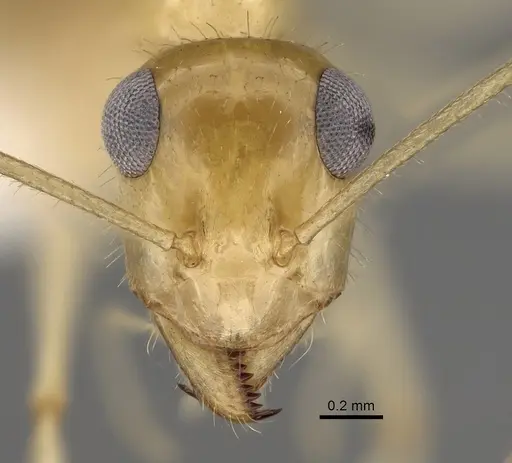
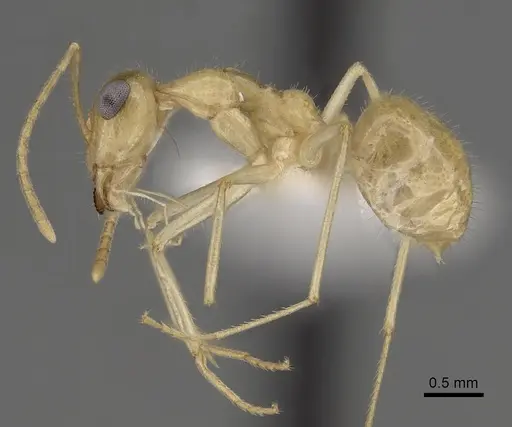
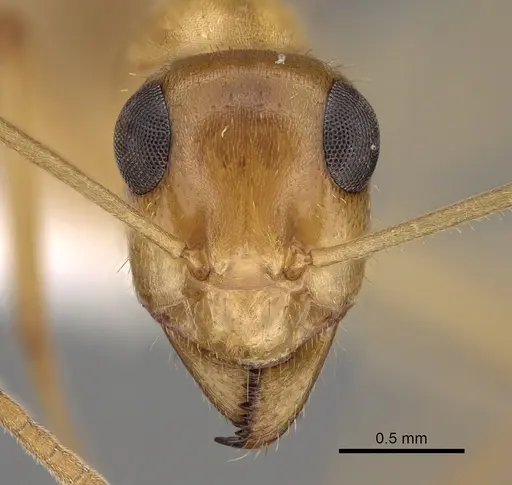
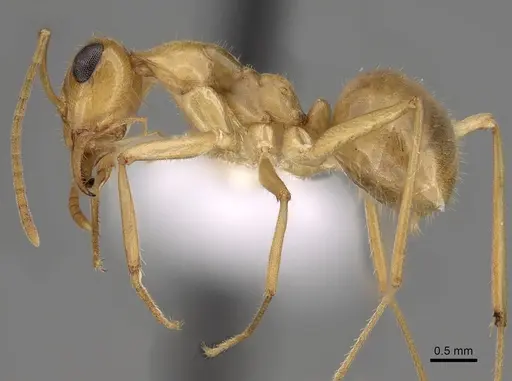
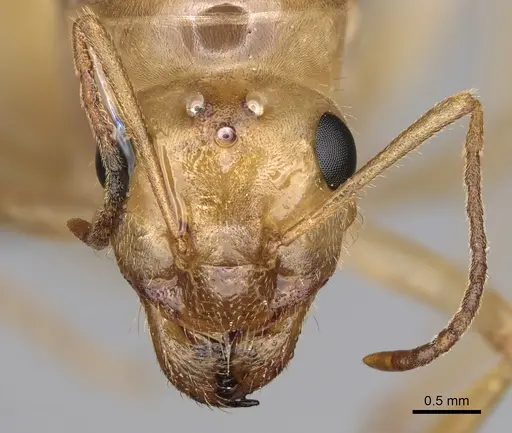
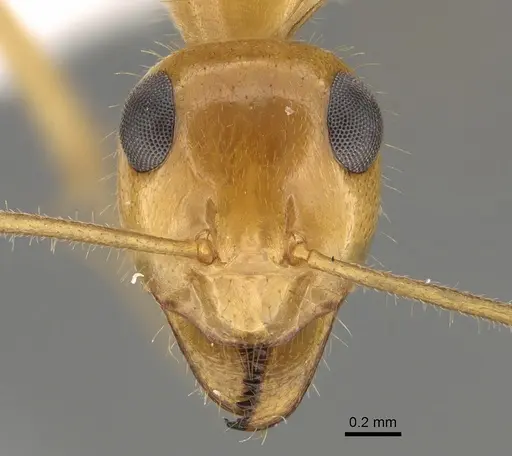
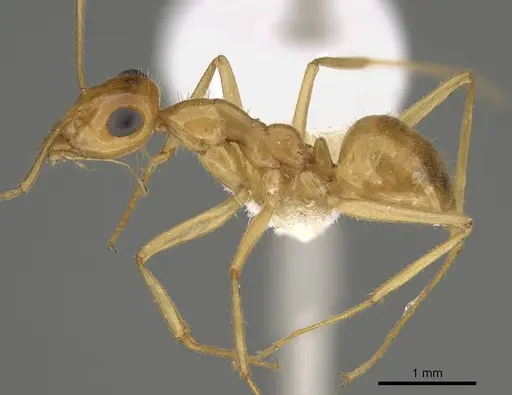
Myrmecocystus navajo is a small honey ant native to the arid American Southwest and northern Mexico. Workers have large eyes positioned high on the head, adapted for nocturnal vision . The species ranges from eastern Colorado south to western Texas, west to southern Utah, Nevada, California, and northern Sonora, inhabiting desert scrub and juniper woodland habitats at elevations from 700-6500 feet . This species is strictly nocturnal, foraging at night using moonlight and starlight for orientation. They have evolved specialized visual systems for low-light conditions . Unlike some related honey ants, M. navajo forms repletes in mature colonies, though early studies missed this .
Quick Summary
- Difficulty: Medium
- Origin & Habitat: Arid American Southwest, from eastern Colorado south to western Texas, west to southern Utah, Nevada, California, and northern Sonora. Found in Creosote bush Scrub, Oak-Juniper Woodlands, and Pinon-Juniper Woodlands at elevations from 700-6500 feet [1][3].
- Colony Type: Unconfirmed, queen number not specified in research
- Size & Growth:
- Queen: Inferred from Myrmecocystus genus approximately 4-5 mm
- Worker: Inferred from Myrmecocystus genus approximately 2-3 mm
- Colony: Up to 1000 workers [1]
- Growth: Moderate, inferred from genus patterns
- Development: Estimated 6-10 weeks based on related Myrmecocystus species [1] (Development time may vary with temperature.)
- Antkeeping:
- Temperature: Keep nest at stable temperatures with a gradient allowing cooler areas. Foraging occurs when air temperature is 52-70°F (11-21°C), so provide a cool zone for activity [1]. Avoid temperatures above 94°F (34°C) as workers die quickly [1].
- Humidity: Keep nest substrate dry with minimal moisture, as this is a desert species [1][3].
- Diapause: No diapause required based on geographic range [1].
- Nesting: Nests in sandy soil in nature. Use test tube setup or Y-tong nest with dry substrate [1].
- Behavior: Strictly nocturnal workers with large eyes for low-light vision [2][4]. Moderate temperament, not aggressive but will defend nest. Escape risk moderate due to small size, use barrier precautions.
- Common Issues: heat sensitivity, workers die within minutes at temperatures above 94°F when exposed to direct sun [1], desert species rots easily in humid conditions, keep nesting area dry [1], nocturnal activity makes them less observable, early colony stages can be difficult, queens may fail without proper conditions, small worker size means some escape risk
Nest Preferences and Housing
In the wild, Myrmecocystus navajo nests in sandy soil, creating inconspicuous entrances sometimes surrounded by low mounds of coarse sand or fine pebbles [1]. The nests are not typically crater-shaped like some ant species.
For captive care, a simple test tube setup works well for founding colonies. Use a test tube with a water reservoir at one end, plugged with cotton, the ants will self-regulate their humidity needs. For established colonies, a Y-tong nest or a small formicarium with sandy substrate works well. The key is keeping the nesting area relatively dry, this is a desert species that suffers in humid conditions [1].
Because they are nocturnal and heat-sensitive, position the nest in a location that stays cool during the day. Avoid placing heating cables directly on the nest, instead, create a temperature gradient in the outworld so workers can choose their preferred temperature zone [1].
Feeding and Diet
Myrmecocystus navajo workers are opportunistic feeders with a sweet tooth. In nature, they solicit honeydew from aphids and scale insects (hemipterans), feed on flower nectar, and collect dead arthropods [1][3]. Workers are also attracted to sweet baits.
In captivity, offer a constant source of sugar water or honey diluted with water. For protein, provide small dead insects (fruit flies, small crickets, mealworms). Since they are nocturnal, feed in the evening, place food in the outworld before lights would naturally go out in their native habitat.
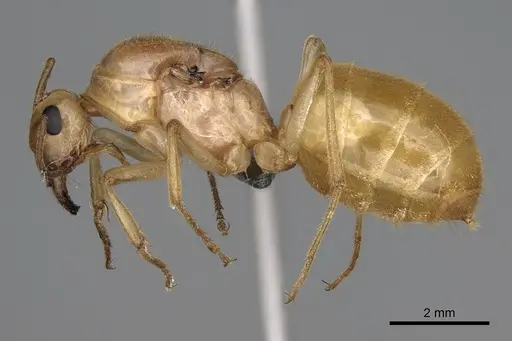
Because they tend hemipterans in the wild, you might see them clustering around sugar sources. Repletes (workers with enlarged abdomens that store liquid food) may develop in well-fed colonies [1].
Temperature and Thermal Management
This is a hot-climate specialist with a critical thermal maximum, workers die within 1-10 minutes when exposed to direct sun at 94°F (34°C) [1]. However, they are also cold-sensitive and only become active when air temperature drops below 88°F (31°C) [1].
Foraging occurs when air temperature is between 52-70°F (11-21°C), with an average of about 63.5°F (17°C) [1]. This explains their strictly nocturnal behavior, they wait until the desert cools down at night before leaving the nest.
Keep the nest area at stable temperatures with a gradient. The outworld can reach higher temperatures during the day (simulating desert conditions), but the nest itself should remain cooler. Never expose colonies to direct sunlight or temperatures above 35°C [1].
Behavior and Activity Patterns
Myrmecocystus navajo is strictly nocturnal, with one of the most specialized visual systems among ants. Their large eyes and enlarged collar regions in the brain allow them to navigate using moonlight and starlight [2]. Workers often climb bushes and scan horizons for landmarks, comparing what they see with stored visual memories [2][4].
Activity timing shifts with seasons, in April, workers become active just before dark, and this timing progressively delays through summer as temperatures rise. By midsummer, they may not emerge until near midnight [1].
Workers are not particularly aggressive but will defend the nest if threatened. They communicate through chemical trails and can be recruited to food sources. The colony establishes a clear circadian rhythm tied to temperature rather than light cycles.
Colony Growth and Development
Early observations suggested small colonies of only 100-150 workers, but later research confirmed mature colonies can exceed 1000 individuals [1]. The discrepancy likely reflects that Wheeler examined mostly young colonies.
Queens are inferred to be claustral founders based on genus patterns, but this is not confirmed for this species. The founding chamber is typically in sandy soil at a moderate depth.
Development from egg to worker takes an estimated 6-10 weeks based on related Myrmecocystus species [1]. The first workers (nanitics) are smaller than mature workers and may have reduced pigmentation initially.
Frequently Asked Questions
How long does it take for Myrmecocystus navajo to produce first workers?
Based on related Myrmecocystus species, expect first workers (nanitics) approximately 6-10 weeks after the queen lays eggs. This timeline assumes temperatures around 25-27°C. Lower temperatures will slow development [1].
Can I keep multiple Myrmecocystus navajo queens together?
The colony type is unconfirmed, but if monogyne, only one queen should be housed per colony. Combining unrelated queens may result in fighting. Check research before attempting multi-queen setups.
What temperature range is safe for Myrmecocystus navajo?
Keep the nest at stable temperatures with a gradient. Foraging occurs when air temperature is 52-70°F (11-21°C), so provide a cool zone. Workers die within minutes when exposed to direct sun above 94°F (34°C) [1].
Why are my Myrmecocystus navajo not coming out?
They are strictly nocturnal. Workers will only emerge in dim light or darkness, typically in the evening or night. If you are observing during the day, you likely won't see activity. Try offering food in the evening and dimming lights [2][1].
Do Myrmecocystus navajo need hibernation?
No diapause is required based on their geographic range as a desert species [1].
How big do Myrmecocystus navajo colonies get?
Mature colonies can exceed 1000 workers [1].
What do Myrmecocystus navajo eat?
They are omnivorous with a preference for sweets. Offer sugar water or honey constantly, plus small dead insects for protein. They also collect nectar and honeydew in the wild [1][3].
Are Myrmecocystus navajo good for beginners?
This species is rated as medium difficulty. While not extremely difficult, their strict nocturnal activity and heat sensitivity require more attention than beginner-friendly species. They are better suited for keepers with some experience [1].
When should I move my colony to a formicarium?
Move to a formicarium once the colony reaches a reasonable size and the test tube space becomes cramped. For this desert species, ensure the formicarium has dry nesting chambers and a temperature gradient [1].
Report an Issue
The current care sheet is based fully on literature. See inconsistencies, or something that's incorrect? Please , it will be resolved after review from an admin. Contributing to the blogs tab also helps providing information, to make us be able to further improve the caresheets. Thank you for your support!
References

This caresheet is licensed under CC BY-SA 4.0 .
Community Blogs
CASENT0005422
View on AntWeb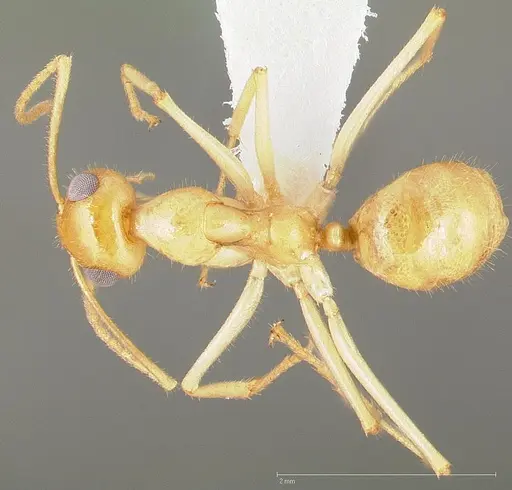
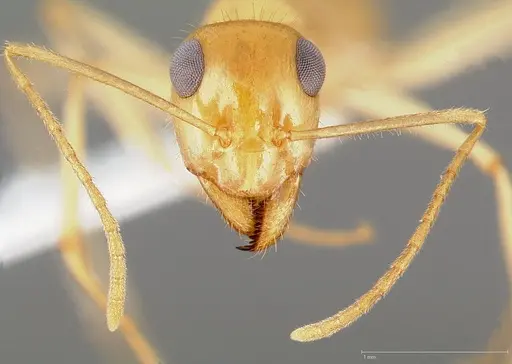
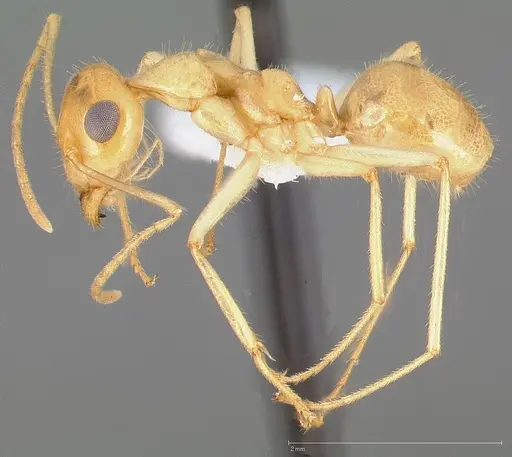
CASENT0102816
View on AntWeb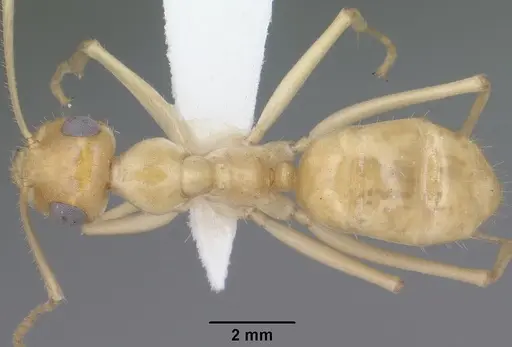
CASENT0102817
View on AntWeb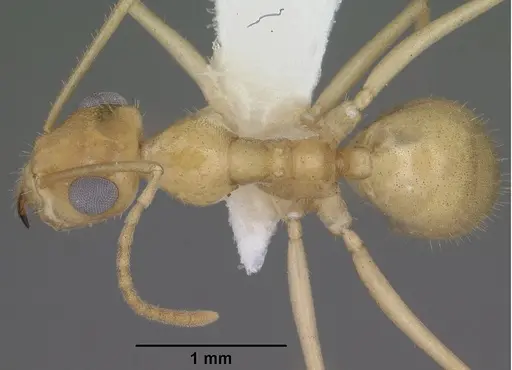
CASENT0118162
View on AntWeb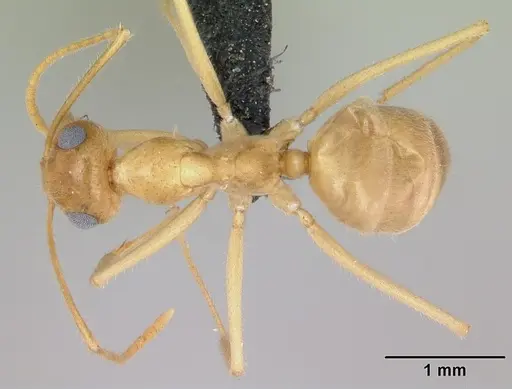
CASENT0280532
View on AntWeb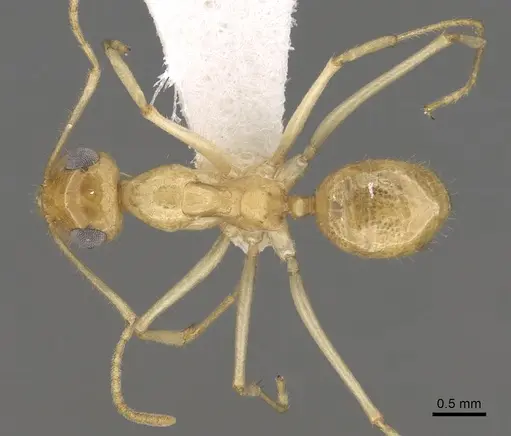
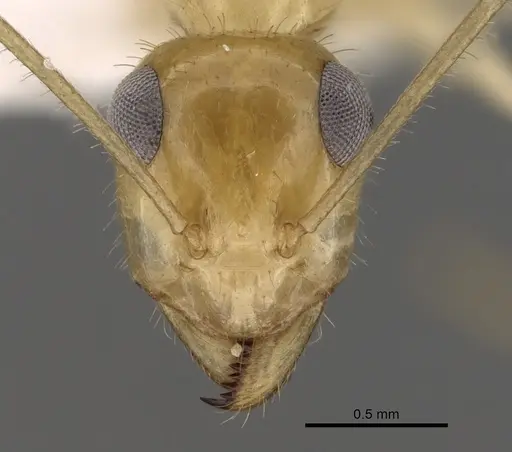
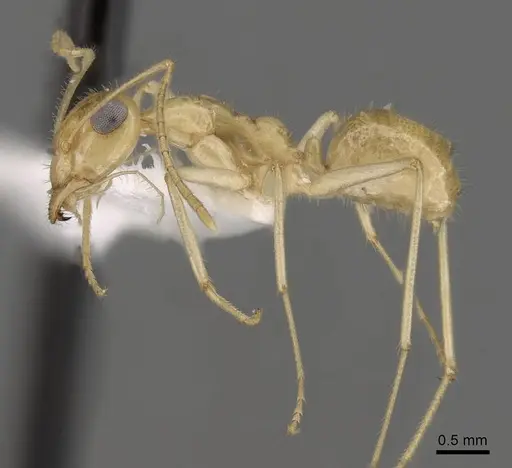
CASENT0280533
View on AntWeb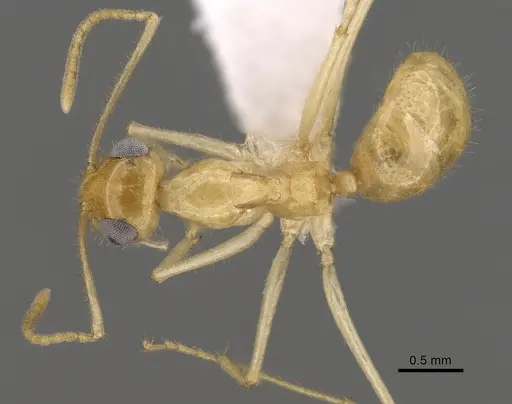
CASENT0280534
View on AntWeb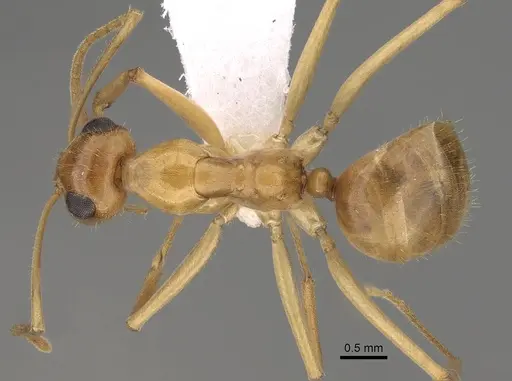
CASENT0872150
View on AntWeb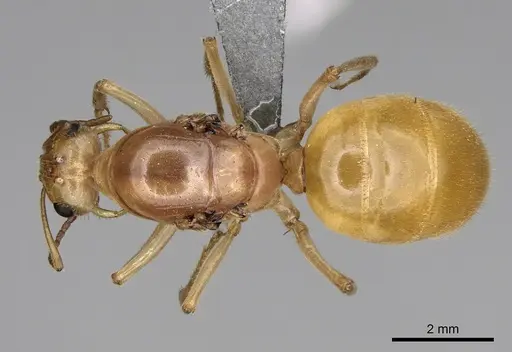
CASENT0923356
View on AntWeb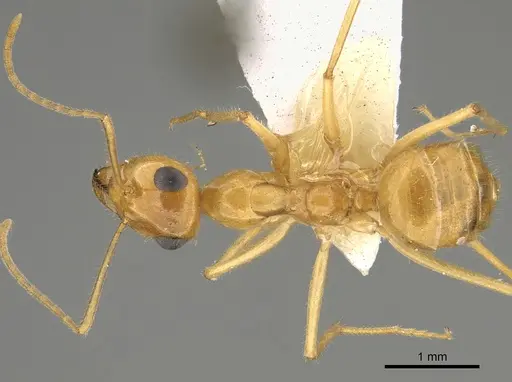
Literature
Loading distribution map...Loading products...