
Mexican Honeypot Ant
Myrmecocystus mexicanus
- Sci. Name
- Myrmecocystus mexicanus
- Tribe
- Lasiini
- Subfamily
- Formicinae
- Author
- Wesmael, 1838
- Common Name
- Mexican Honeypot Ant
- Distribution
- Found in 2 countries
Introduction
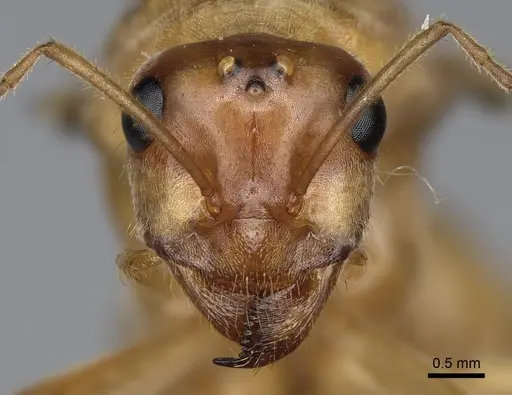
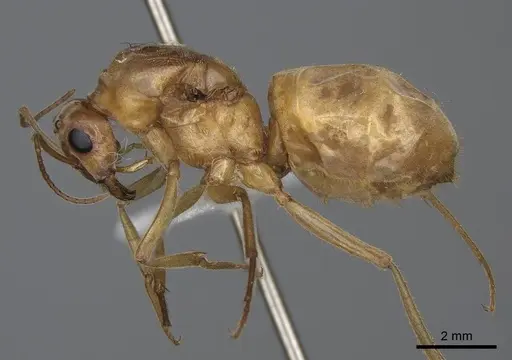
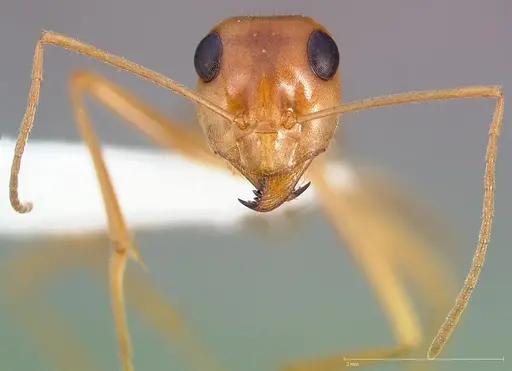
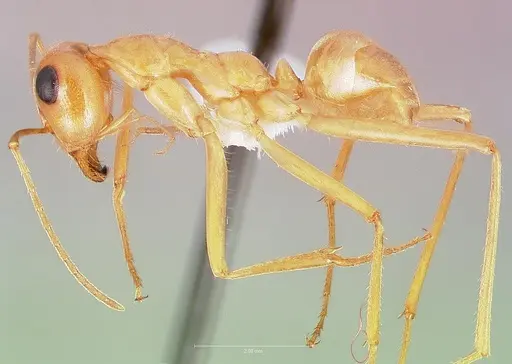
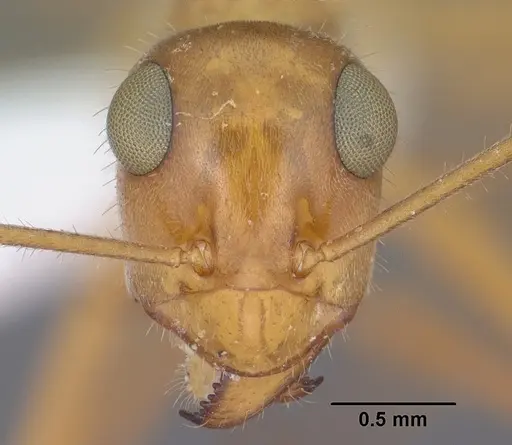
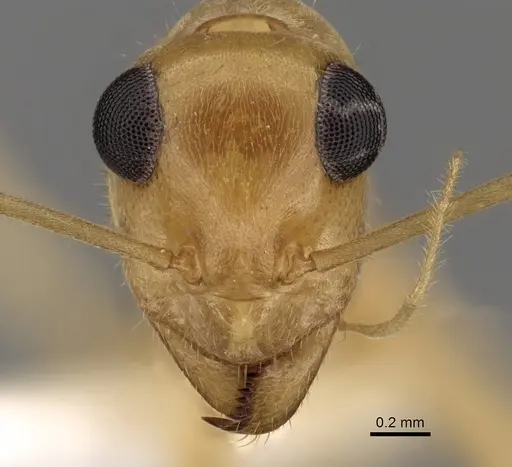
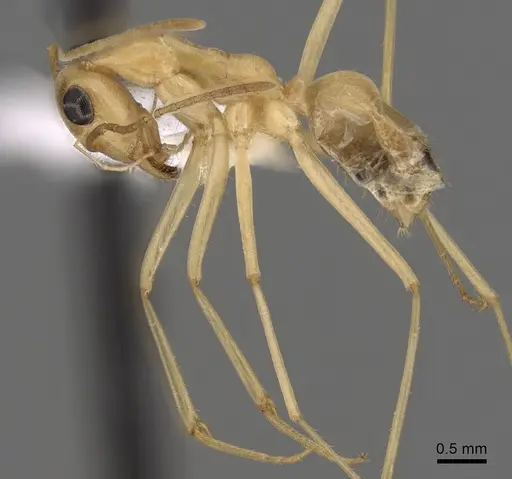
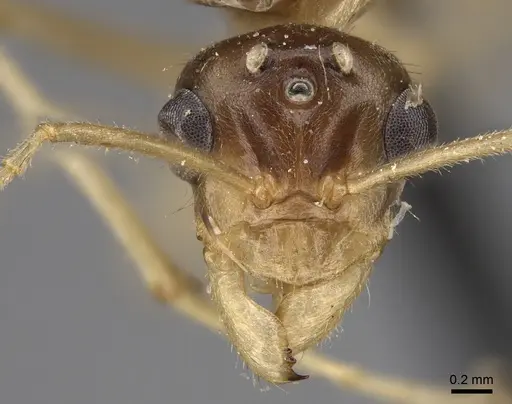
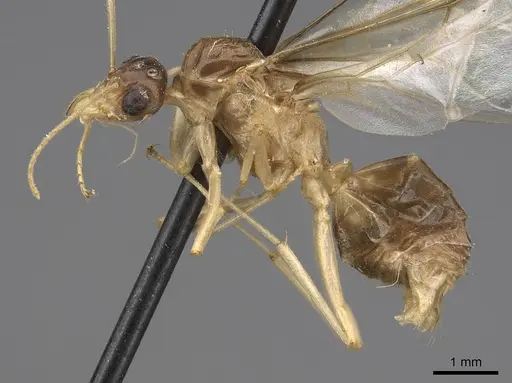
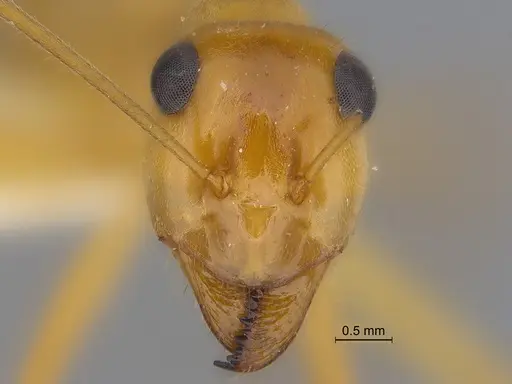
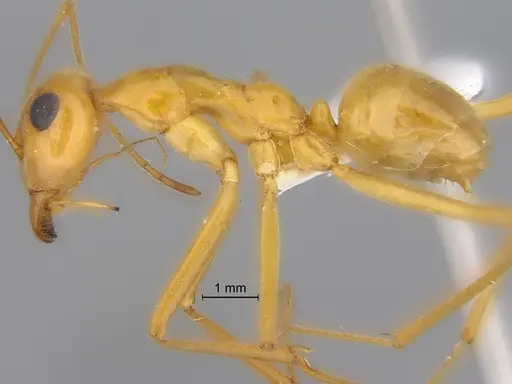
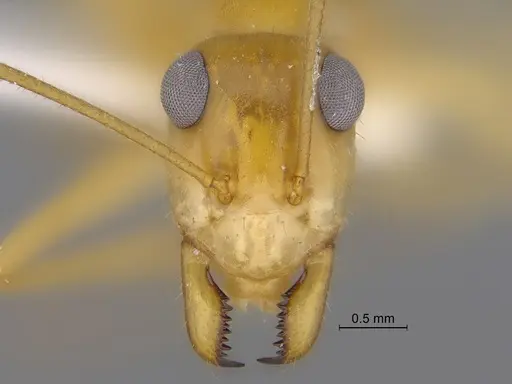
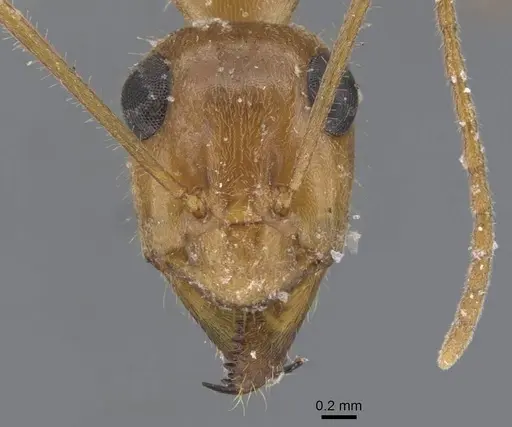
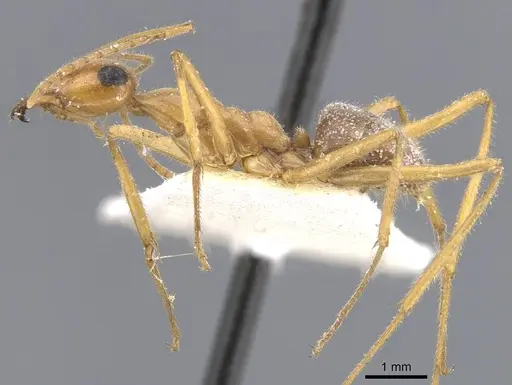
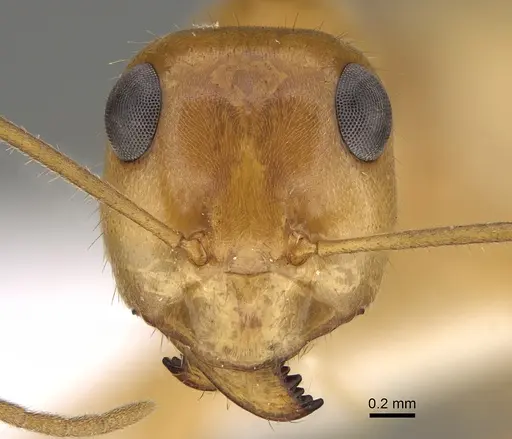
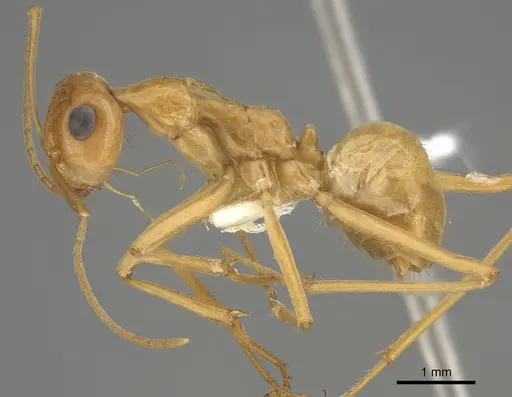
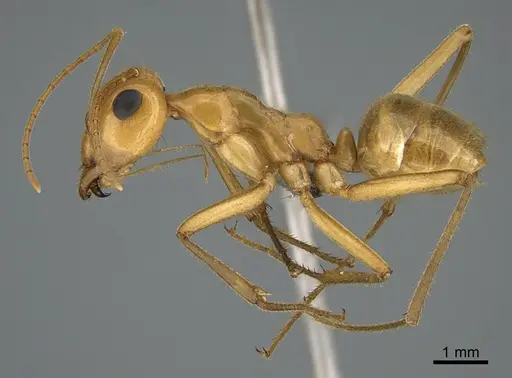
Myrmecocystus mexicanus is a pale yellowish ant with black eyes, belonging to the honey ant genus Myrmecocystus. It is native to the American Southwest and Mexico, found from central Mexico north through California, Arizona, Colorado, and Utah . This species inhabits desert scrub, sagebrush, and oak woodland areas, often nesting in coarse soil with crater-shaped mound entrances . The most distinctive aspect is its social structure, where some workers become 'repletes' that store liquid food in their enlarged abdomens, acting as living reservoirs for the colony .
Quick Summary
- Difficulty: Medium
- Origin & Habitat: American Southwest and Mexico, Sonoran and Transition Zones, including desert scrub, sagebrush, oak woodland up to pinyon-juniper. Found from below sea level in California's Salton Sea to 8000 feet elevation in New Mexico [5][4].
- Colony Type: Colony structure is unconfirmed, no specific data on queen number or social structure from research.
- Size & Growth:
- Queen: Size data unavailable, no total length measurements provided in research
- Worker: Size data unavailable, no total length measurements provided in research
- Colony: Size data unavailable, no specific colony size data from research
- Growth: Moderate
- Development: Estimated 6-10 weeks based on typical Formicinae patterns at optimal temperature (Development time inferred from genus patterns, direct measurements not available for this species)
- Antkeeping:
- Temperature: Keep warm, roughly 24-30°C, as this species is a hot climate specialist [4]. Provide a temperature gradient for self-regulation.
- Humidity: Keep nest substrate consistently dry but with a small water source for drinking, as this species prefers desert conditions [4].
- Diapause: Unknown, no specific diapause data available for this species.
- Nesting: Deep nests required, in the wild, nests extend 30-92 inches underground with coarse soil [6]. Provide deep substrate or a custom deep formicarium.
- Behavior: Nocturnal foragers that emerge at dusk to search for food individually, not in trails [3]. They are docile scavengers, collecting honeydew, nectar, and dead insects, with a strong association with Pogonomyrmex harvester ants for protein [7]. Escape risk is moderate, standard barriers are sufficient.
- Common Issues: deep nesting requirements mean standard shallow nests are inadequate., nocturnal activity means you may rarely see foragers during the day., colonies can take several years to reach significant size., winter dormancy may be needed but is unconfirmed, observe colony behavior., repletes are fragile and can be damaged if disturbed.
Housing and Nesting
Myrmecocystus mexicanus requires deep nesting space. In the wild, nests extend 30-92 inches underground with a single large entrance crater made of coarse gravel [6]. For captivity, provide at least 6-8 inches of substrate depth, though deeper is better. Use a naturalistic setup with coarse, well-draining soil. Create a small entrance (around 2cm) with a crater-like mound using sand or pebbles [3]. Avoid compacting the substrate. Include an outworld for foraging with a water test tube for drinking.
Feeding and Diet
These ants are primarily liquid feeders. In the wild, they collect honeydew from aphids, nectar from flowers, and scavenge dead insects, especially Pogonomyrmex workers [7][5]. For captivity, offer sugar water (1:1 ratio) constantly in a test tube or wick feeder. Provide protein from small dead insects like fruit flies or mealworms. They are not active predators, so live prey is rarely needed. Repletes form when food is abundant, do not overfeed to avoid mold.
Temperature and Seasonal Care
This species is a hot climate specialist, so keep temperatures warm around 24-30°C during active seasons [4]. Provide a gradient for self-regulation. No specific diapause data is available, but if keeping in temperate regions, observe for winter slowdown. Reduce feeding if activity decreases.
Behavior and Foraging
Workers are strictly nocturnal, foraging at dusk and returning before dawn [3]. They forage individually, searching for liquids and scavenging dead insects. They are docile and non-aggressive toward humans. Repletes hang from nest ceilings and store liquid food, handle nests gently to avoid damage.
Colony Development
Colonies grow moderately once established. Queens may seal themselves in to raise first workers, but founding type is unconfirmed. Colonies can live for many years, one study noted a life expectancy of nearly 19 years for established colonies [8]. Be patient, as these are long-lived ants that build slowly.
Frequently Asked Questions
How long does it take for Myrmecocystus mexicanus to produce first workers?
Expect first workers to emerge 6-10 weeks after queen lays eggs, depending on temperature. Keep founding chamber at around 26°C for optimal development. The queen may seal herself in and live off fat reserves until workers emerge.
Can I keep multiple Myrmecocystus mexicanus queens together?
This is unconfirmed from research, but based on typical ant behavior, multiple queens may fight. House queens separately if found in the wild.
What do Myrmecocystus mexicanus repletes look like?
Repletes are specialized workers with distended abdomens filled with liquid food. They hang from nest ceilings and appear translucent. Only well-fed colonies produce them.
Do Myrmecocystus mexicanus need hibernation?
Diapause is unknown for this species. If keeping in temperate regions, observe for winter slowdown, but no specific data is available.
Why are my Myrmecocystus mexicanus not foraging during the day?
This is normal, they are nocturnal. Workers emerge at dusk and forage through the night.
How deep should my Myrmecocystus mexicanus nest be?
As deep as possible. In the wild, nests are 30-92 inches deep. Provide at least 6-8 inches of substrate in captivity.
Are Myrmecocystus mexicanus good for beginners?
They are intermediate due to deep nesting needs and nocturnal activity. Docile but require patience.
What is the best food for Myrmecocystus mexicanus?
Sugar water or honey water constantly available. Protein from small dead insects. Avoid overfeeding.
How big do Myrmecocystus mexicanus colonies get?
Colony size data is unavailable from research. They are long-lived, with life expectancies up to 19 years.
Report an Issue
The current care sheet is based fully on literature. See inconsistencies, or something that's incorrect? Please , it will be resolved after review from an admin. Contributing to the blogs tab also helps providing information, to make us be able to further improve the caresheets. Thank you for your support!
References

This caresheet is licensed under CC BY-SA 4.0 .
Community Blogs
CASENT0001995
View on AntWeb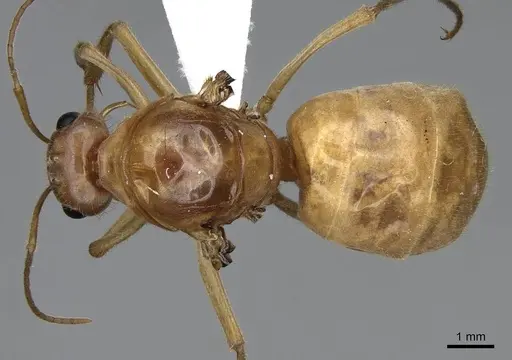
CASENT0005421
View on AntWeb
CASENT0102814
View on AntWeb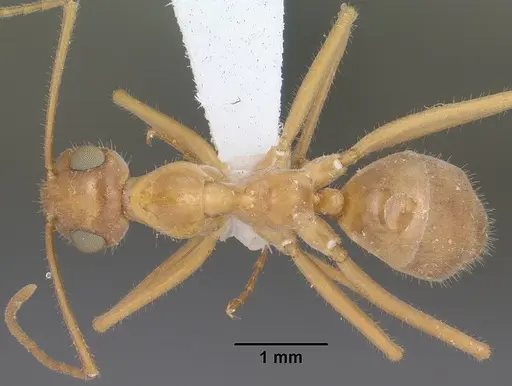
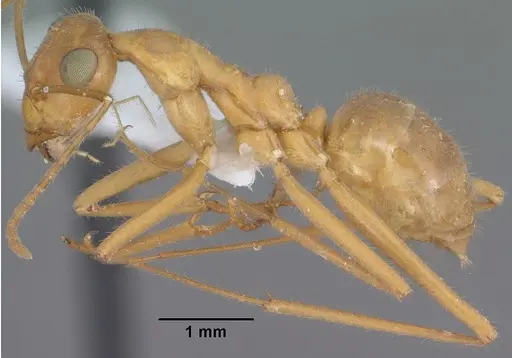
CASENT0280527
View on AntWeb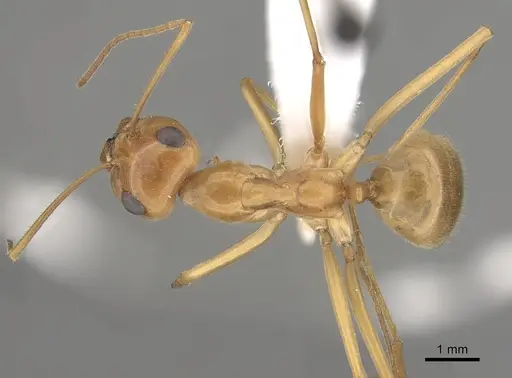
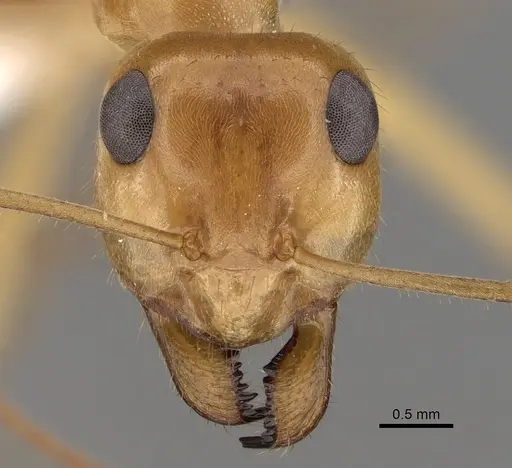
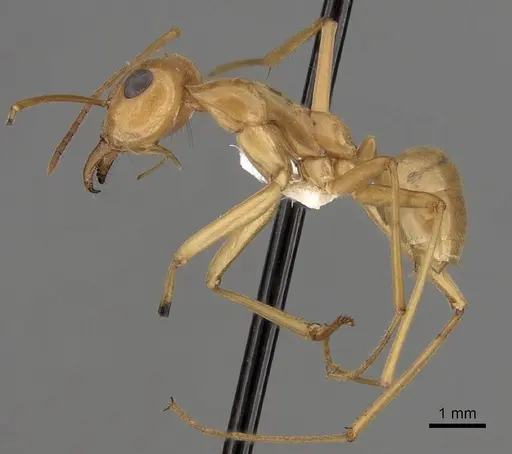
CASENT0280528
View on AntWeb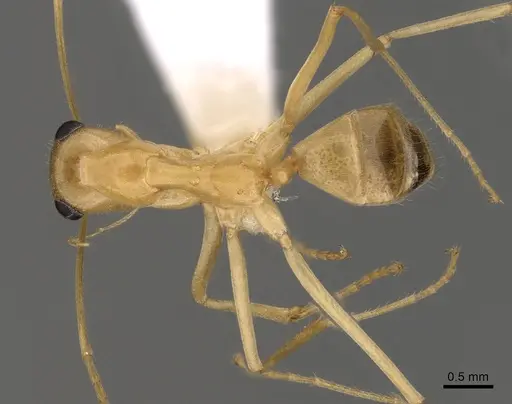
CASENT0862010
View on AntWeb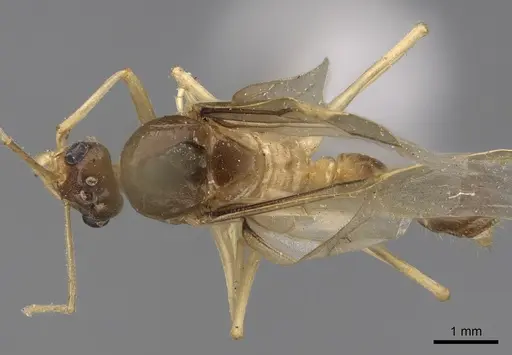
CASENT0869799
View on AntWeb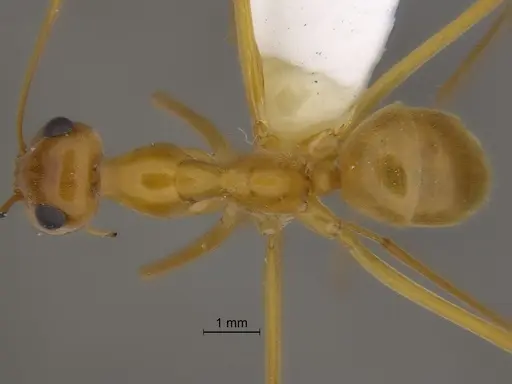
CASENT0869800
View on AntWeb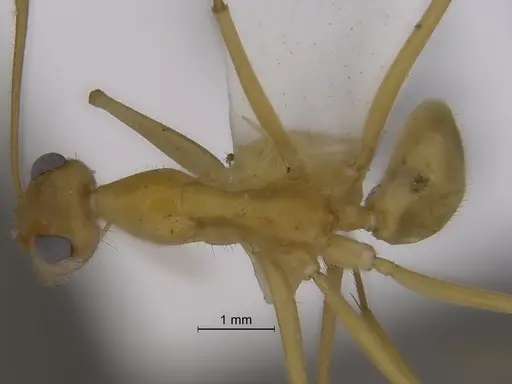
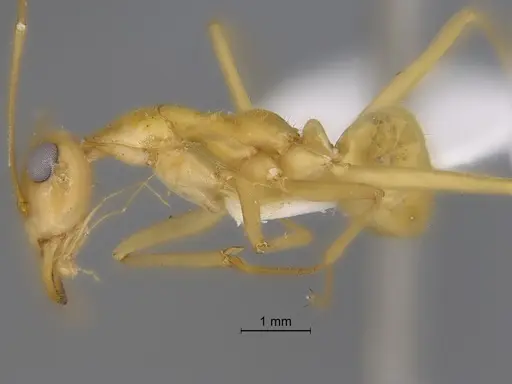
CASENT0911062
View on AntWeb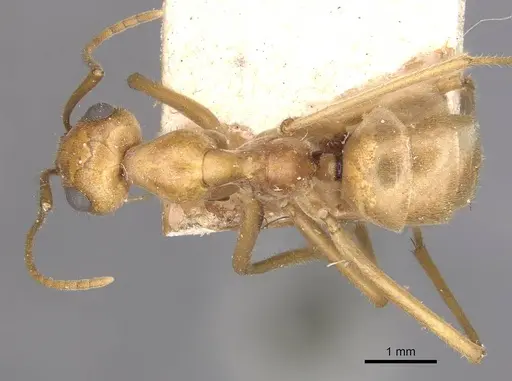
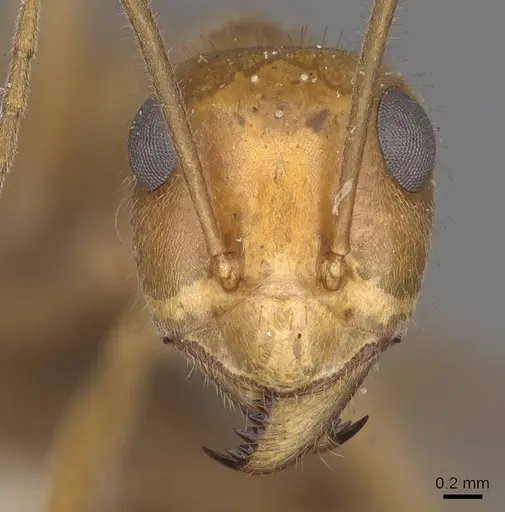
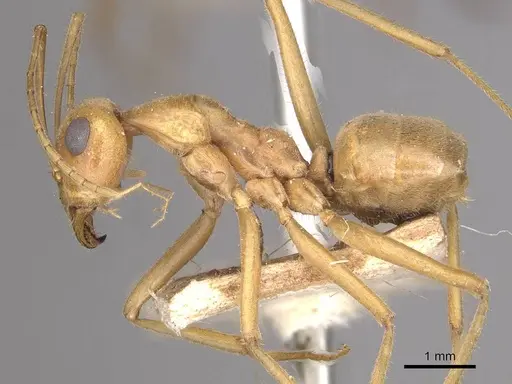
CASENT0911202
View on AntWeb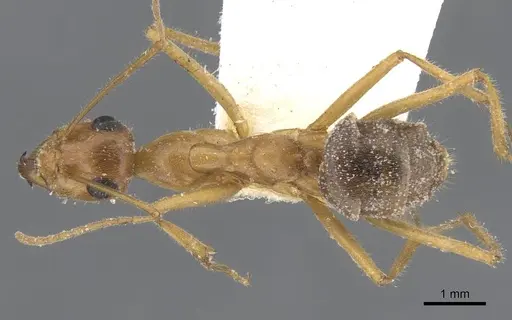
CASENT0923355
View on AntWeb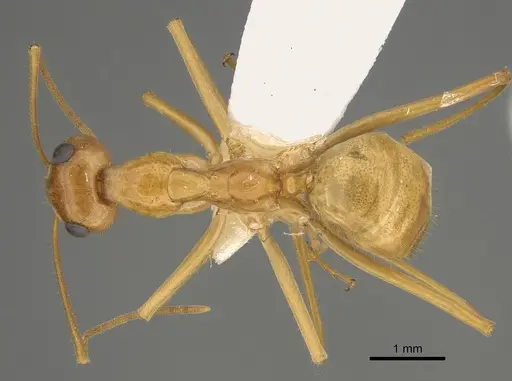
CASENT0923646
View on AntWeb
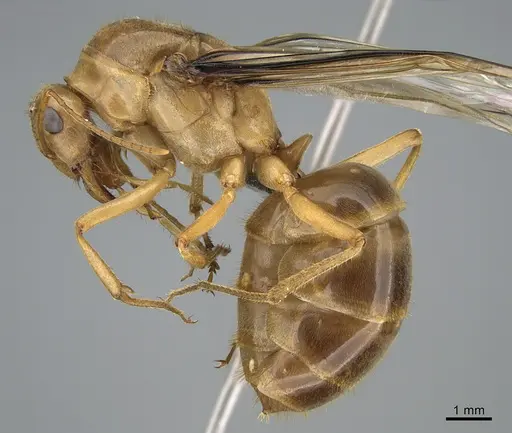
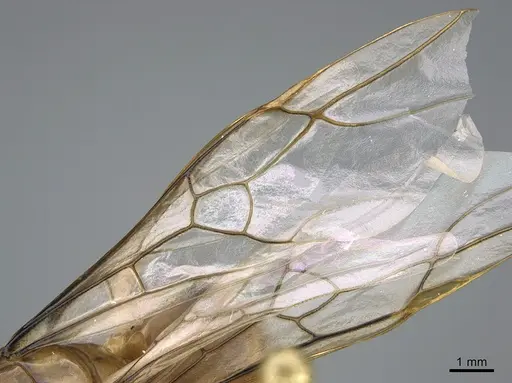
CASENT0923647
View on AntWeb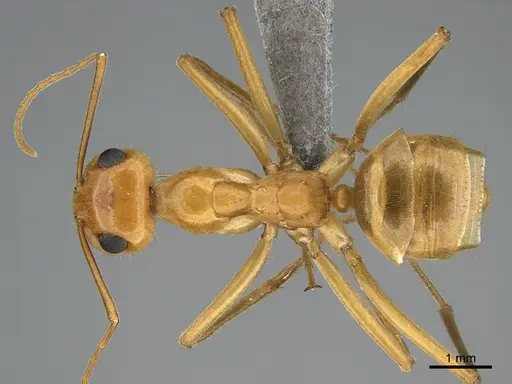
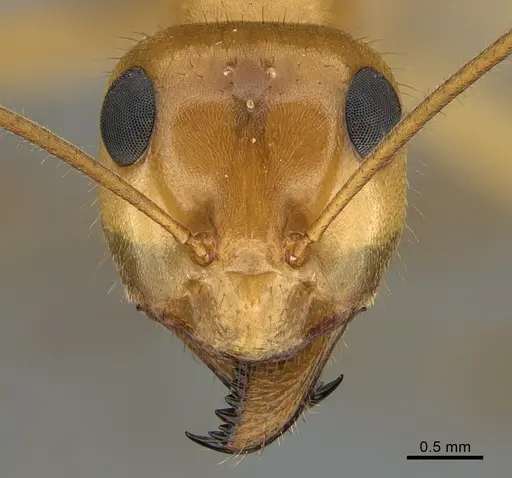
Literature
Loading distribution map...Loading products...