
Yellow-headed Honeypot Ant
Myrmecocystus flaviceps
- Sci. Name
- Myrmecocystus flaviceps
- Tribe
- Lasiini
- Subfamily
- Formicinae
- Author
- Wheeler, 1912
- Common Name
- Yellow-headed Honeypot Ant
- Distribution
- Found in 2 countries
Introduction
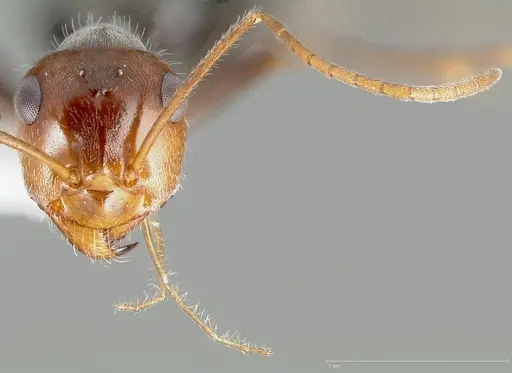
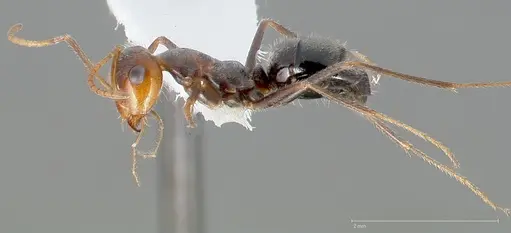
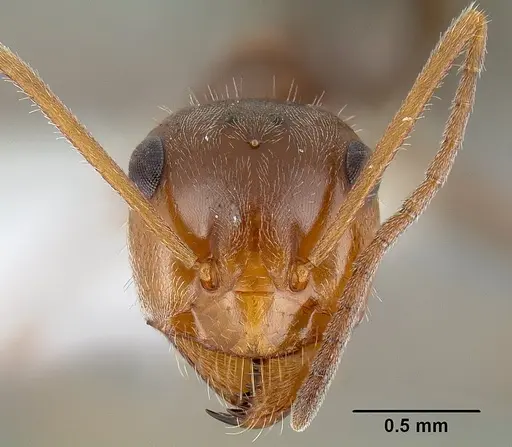
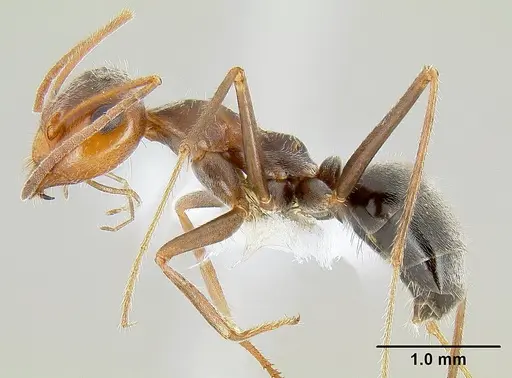
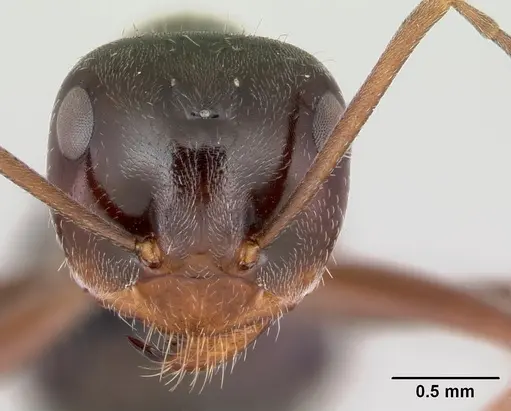
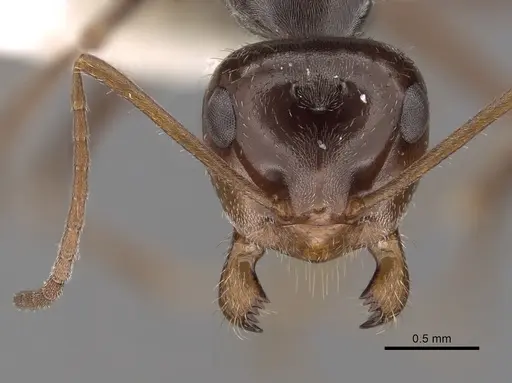
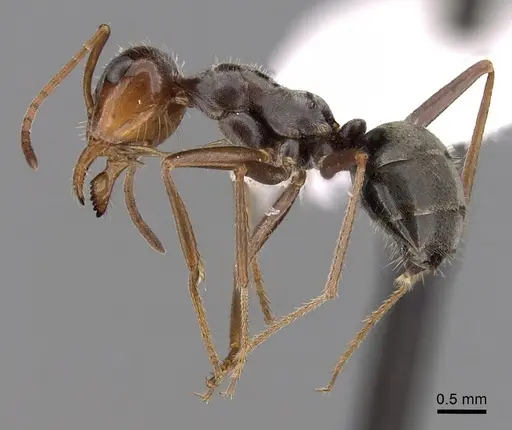
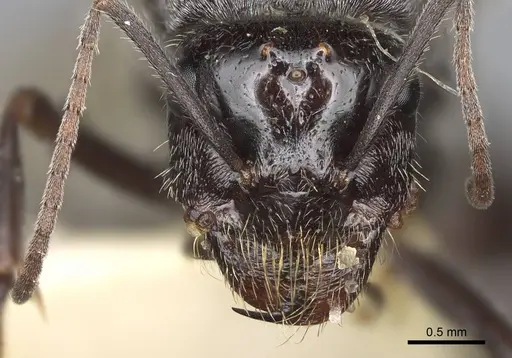
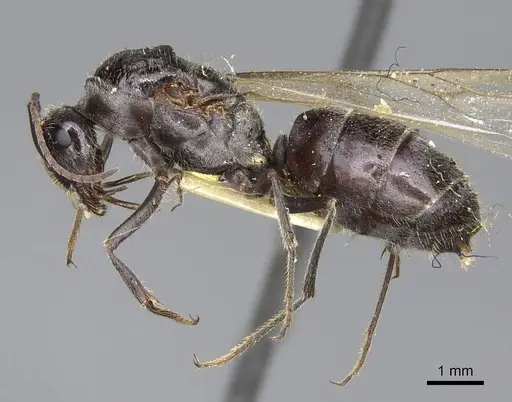
Myrmecocystus flaviceps is a honey ant native to the deserts of the American Southwest and northwestern Mexico. Workers are polymorphic, with minor workers around 4mm and major workers reaching up to 7mm. Queens are robust, measuring approximately 10-12mm. The species gets its 'honeypot' name from its ability to store nectar in swollen worker abdomens, creating living food reservoirs called repletes. Workers have a uniformly brown gaster and yellowish-ferruginous head and thorax. Nests are easily recognized by their large crater entrances exceeding half an inch in diameter, sometimes spanning over a foot across . This species is notable for its nocturnal foraging behavior - workers avoid intense desert heat by being active during cooler evening and night hours. They gather nectar from flowers and extrafloral nectaries, tend aphids and mealybugs for honeydew, and scavenge dead arthropods. Recent genetic studies have revealed cryptic diversity within this species, with mixed clades alongside Myrmecocystus mimicus .
Quick Summary
- Difficulty: Medium
- Origin & Habitat: Southwestern United States and northwestern Mexico, from southwestern Utah and southern Nevada south to northern Sonora and central Baja California. Inhabits desert communities including creosote bush, palo verde-cactus shrub, saltbush-greasewood, and Great Basin sagebrush areas [1][4].
- Colony Type: Single-queen (monogyne) colonies. Colonies can grow large with documented repletes (workers with swollen abdomens storing nectar) found in colonies near Death Valley [1].
- Size & Growth:
- Queen: ~10-12mm, inferred from Myrmecocystus genus patterns
- Worker: ~4-7mm polymorphic (minor workers ~4mm, major workers up to 7mm), inferred from Myrmecocystus genus patterns
- Colony: Up to several hundred workers based on related species
- Growth: Moderate
- Development: 6-10 weeks at warm temperatures, estimated based on genus patterns (Desert species develops faster in warm conditions. First workers (nanitics) typically smaller than normal workers.)
- Antkeeping:
- Temperature: Keep warm at 26-32°C. This is a hot climate specialist recorded in all months in the Mojave Desert [5]. Provide a thermal gradient so ants can regulate their own temperature.
- Humidity: Low to moderate. These are desert ants adapted to arid conditions. Keep nest substrate relatively dry with occasional moisture zones. Avoid damp or humid conditions.
- Diapause: Partial dormancy recommended during winter months. Reduce temperatures to 15-18°C for 2-3 months to simulate natural seasonal cycle.
- Nesting: Use a dry, well-drained nest setup. Y-tong (AAC) or plaster nests work well. Provide a sandy or soil-based area for natural behavior. Nest entrances should be narrow to prevent escapes.
- Behavior: Generally calm and non-aggressive foragers. Workers are primarily nocturnal, actively foraging during cooler evening and night hours when desert temperatures drop. They readily accept sugar sources and will hunt small prey. Escape risk is moderate, standard barrier methods work well.
- Common Issues: desert species rots quickly in damp conditions, keep nest substrate dry, colonies may be slow to establish initially, patience is key during founding, overheating is more dangerous than cold, avoid temperatures above 35°C, wild-caught colonies may have parasites, quarantine and monitor new colonies, large nest craters in the wild suggest they need space to expand, provide adequate outworld room
Nest Preferences and Housing
Myrmecocystus flaviceps nests in exposed desert soil, creating distinctive crater-shaped entrances that can exceed 10-16 inches in diameter with entrance holes 1.5-3 inches wide [1]. In captivity, provide a dry, well-drained nest environment that mimics these conditions. Y-tong nests work well, or you can use a naturalistic setup with a sandy soil mix. Avoid humid or damp conditions, these desert ants are adapted to arid climates and can develop fungal problems in moist nests.
The key is providing excellent drainage. If using a formicarium with soil or sand substrate, ensure it dries out quickly after watering. Many keepers successfully keep Myrmecocystus in standard formicariums with a dry chamber and a separate water chamber connected via a cotton wick. A small water test tube should always be available in the outworld for drinking.
Because they naturally create large nest craters, give colonies room to expand. Once established, they may excavate or move chambers as needed. The outworld should be spacious enough for foraging and waste disposal areas.
Feeding and Diet
Myrmecocystus flaviceps is an omnivorous scavenger-predator with a strong sweet tooth. Workers gather nectar from floral and extrafloral nectaries, and they actively solicit honeydew from aphids and mealybugs [1]. They also scavenge remnants of dead arthropods. In captivity, offer sugar water or honey water as a constant food source. They will readily accept these sugar solutions.
For protein, offer small insects like fruit flies, small crickets, mealworms, or other appropriately-sized prey. Feed protein 2-3 times per week, adjusting based on colony size and consumption. Remove uneaten prey after 24-48 hours to prevent mold.
The species is known for creating repletes, workers that store nectar in their distended abdomens to serve as living food reserves for the colony. This is a fascinating behavior to observe in established colonies. To encourage this, provide a consistent sugar source and the colony will store excess carbohydrates.
Fresh water should always be available in the outworld.
Temperature and Seasonal Care
As a hot climate specialist from desert habitats, Myrmecocystus flaviceps requires warm temperatures to thrive. Maintain nest temperatures between 26-32°C during the active season. A heating cable or heating mat on one side of the nest creates a thermal gradient allowing ants to regulate their own temperature by moving between warmer and cooler areas.
This species has been recorded in all months in the Mojave Desert, indicating year-round activity in suitable conditions [5]. During winter months, provide a cooler period to simulate natural seasonal changes. Reduce temperatures to 15-18°C for 2-3 months. This winter dormancy helps maintain colony health and mimics the natural cycle.
Avoid temperatures above 35°C as this can overheat and kill the colony. Conversely, prolonged temperatures below 20°C may slow development significantly. Monitor colony behavior, active, foraging ants indicate good conditions.
Behavior and Colony Dynamics
Myrmecocystus flaviceps workers are primarily nocturnal foragers, avoiding the intense desert heat by being active during cooler evening and night hours [1]. In captivity, you may notice increased activity in the evening and early morning hours. This is normal behavior.
The colony structure is monogyne, a single queen establishes the colony and can live for many years. Colonies grow gradually, with the queen producing workers continuously during the warm season. The first workers (nanitics) are typically smaller than normal workers, a common pattern in claustrally-founding species.
Workers are not particularly aggressive and handle calmly. They are efficient foragers and will readily explore outworlds for food. Escape risk is moderate, while not tiny, they can squeeze through small gaps, so use standard barrier methods like Fluon on test tube rims or barrier tape on formicarium edges.
One of the most fascinating aspects of this species is the formation of repletes, workers that specialize in storing nectar in their swollen abdomens. These living food reservoirs allow the colony to survive lean times, a remarkable adaptation to the unpredictable desert environment. Repletes have been documented in colonies near Death Valley [1].
Frequently Asked Questions
How long does it take for Myrmecocystus flaviceps to produce first workers?
Expect first workers (nanitics) to emerge in 6-10 weeks at warm temperatures. This is an estimate based on related Myrmecocystus species, as specific development timing for M. flaviceps has not been directly studied. The queen will remain sealed in her founding chamber until the first workers emerge.
Can I keep multiple Myrmecocystus flaviceps queens together?
No. This species is monogyne, colonies have a single queen. Multiple unrelated queens will fight. Only combine foundresses if you observe pleometrosis behavior in a newly caught colony, but this is rare and risky. Stick with single-queen colonies for best success.
What do I feed Myrmecocystus flaviceps?
Offer sugar water or honey water constantly, they have a strong sweet tooth. For protein, provide small insects like fruit flies, small crickets, or mealworms 2-3 times per week. They will also scavenge dead arthropods. Remove uneaten food after 24-48 hours to prevent mold.
Are Myrmecocystus flaviceps good for beginners?
This species is rated as medium difficulty. While not the easiest beginner species, they are rewarding to keep once you understand their desert habitat needs. The main challenges are providing proper warm, dry conditions and being patient during the slow founding phase. Experienced antkeepers will have the most success.
Do Myrmecocystus flaviceps need hibernation?
Yes, they benefit from a cool winter period. Reduce temperatures to 15-18°C for 2-3 months during winter. This mimics their natural seasonal cycle in the desert Southwest. They do not need complete darkness or total inactivity, just cooler temperatures with reduced feeding.
When should I move Myrmecocystus flaviceps to a formicarium?
Keep newly caught or small colonies in test tubes or small containers for the first several months. Move to a larger formicarium once the colony reaches 30-50 workers and the test tube setup becomes cramped. Ensure the new setup maintains dry, warm conditions appropriate for desert species.
Why are my Myrmecocystus flaviceps dying?
The most common causes are: (1) too much moisture, these desert ants rot easily in damp conditions, keep the nest dry, (2) temperatures too cold, they need 26-32°C to thrive, (3) poor nutrition, ensure constant sugar access and regular protein, (4) stress from disturbance, minimize nest inspections during founding. Check these factors first before assuming disease.
How big do Myrmecocystus flaviceps colonies get?
Colony size is estimated at up to several hundred workers based on related species. Exact maximum size for M. flaviceps specifically is not documented. Growth is moderate, expect several years to reach large colony size. The presence of repletes indicates a healthy, established colony.
Report an Issue
The current care sheet is based fully on literature. See inconsistencies, or something that's incorrect? Please , it will be resolved after review from an admin. Contributing to the blogs tab also helps providing information, to make us be able to further improve the caresheets. Thank you for your support!
References

This caresheet is licensed under CC BY-SA 4.0 .
Community Blogs
CASENT0005411
View on AntWeb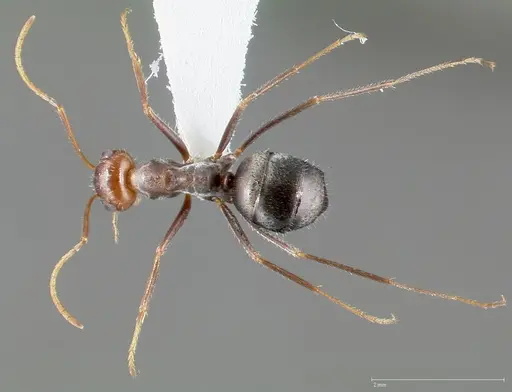
CASENT0106055
View on AntWeb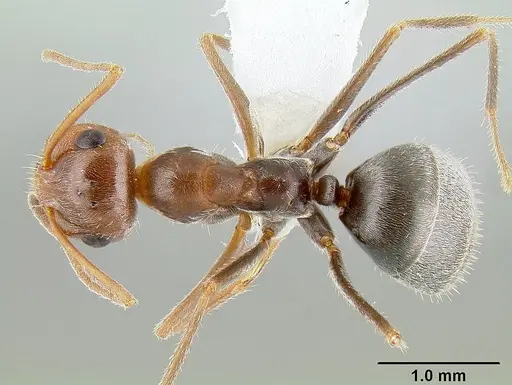
CASENT0118149
View on AntWeb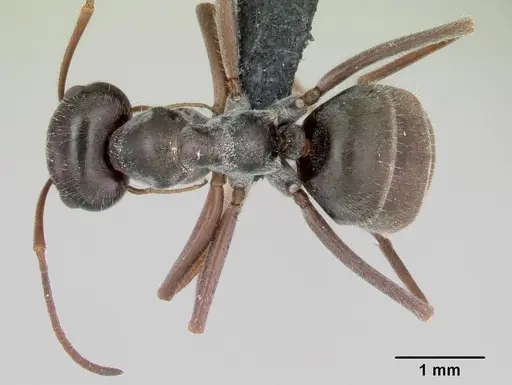
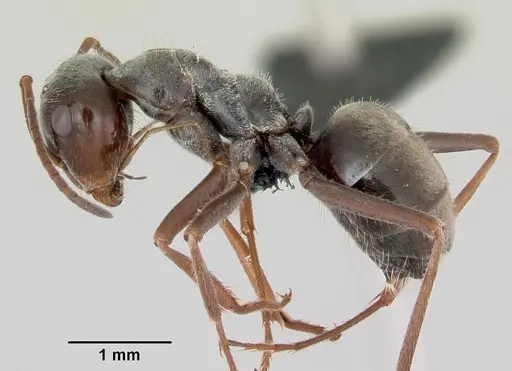
CASENT0280516
View on AntWeb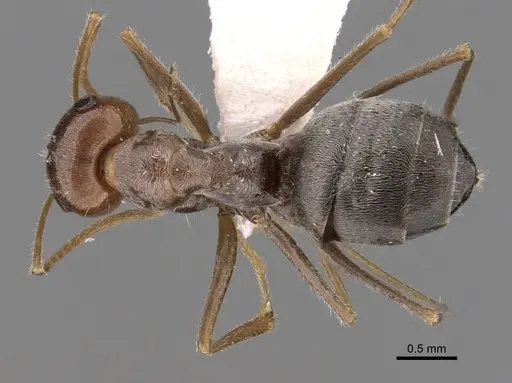
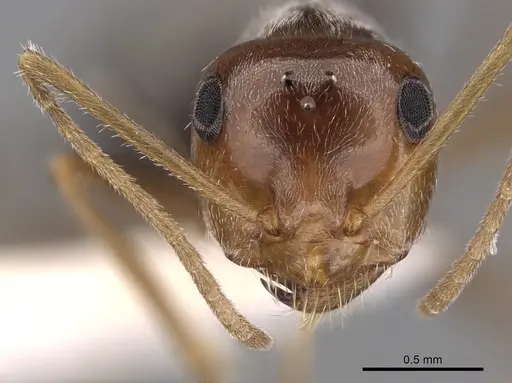
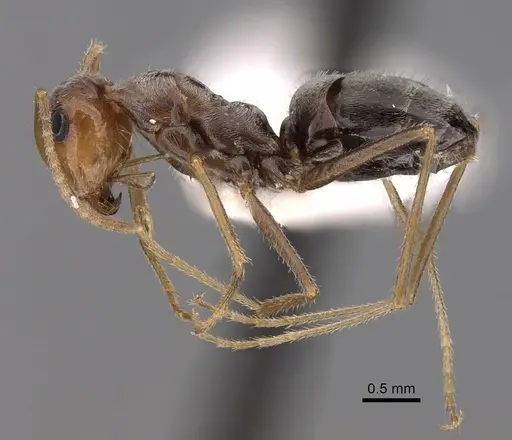
CASENT0280521
View on AntWeb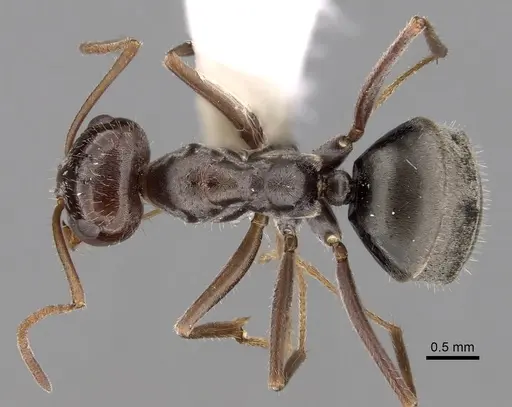
CASENT0923067
View on AntWeb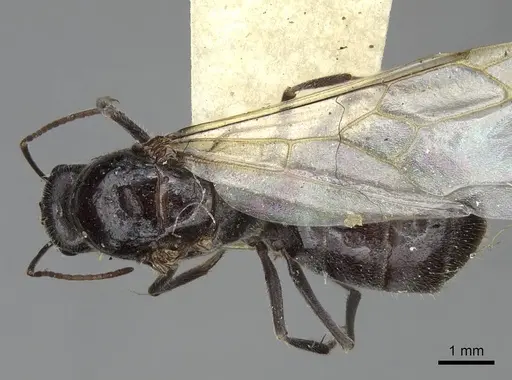
Literature
Loading distribution map...Loading products...