
Creighton's Honeypot Ant
Myrmecocystus creightoni
- Sci. Name
- Myrmecocystus creightoni
- Tribe
- Lasiini
- Subfamily
- Formicinae
- Author
- Snelling, 1971
- Common Name
- Creighton's Honeypot Ant
- Distribution
- Found in 1 countries
Introduction
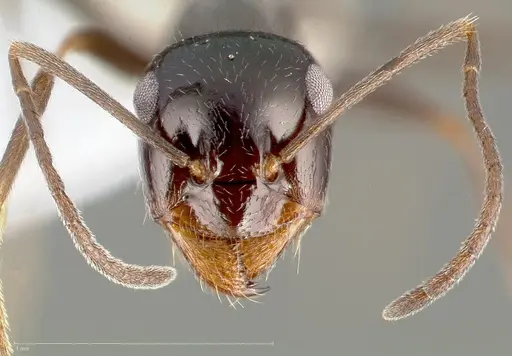
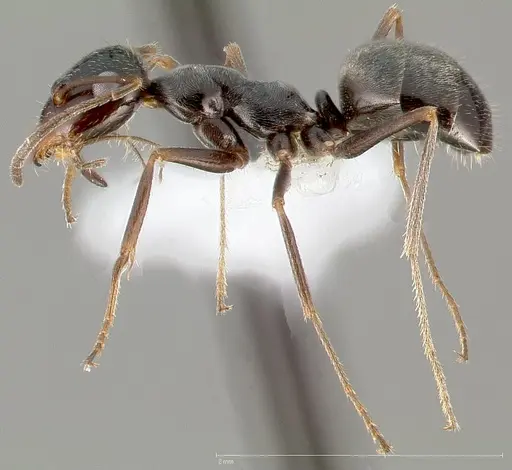
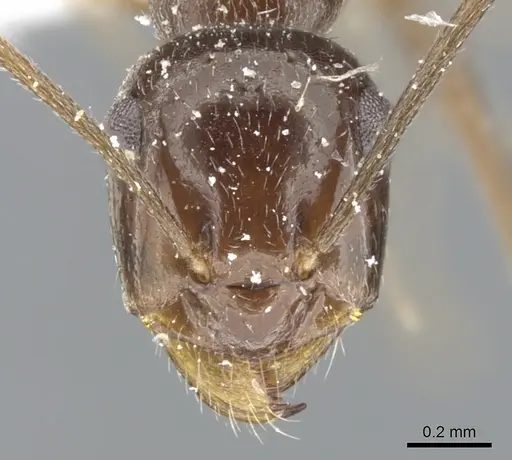
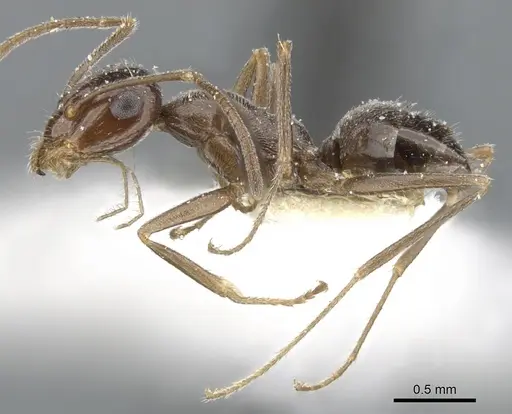
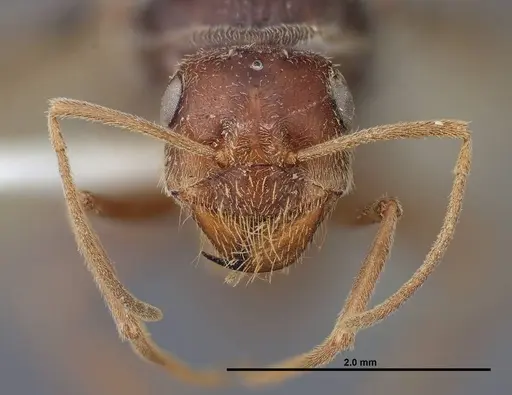
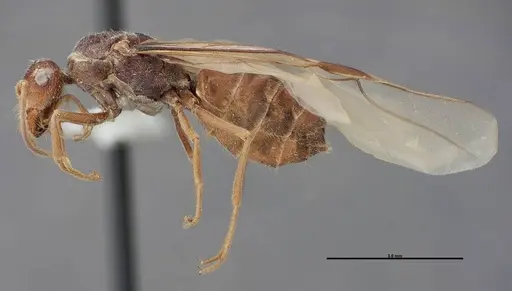
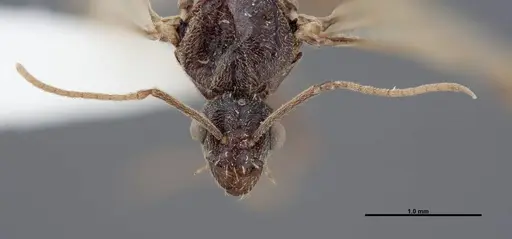
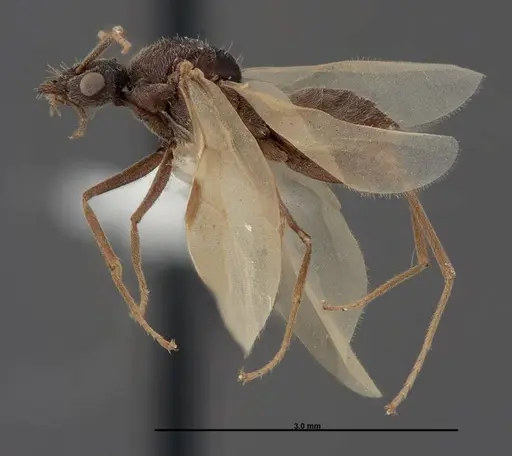
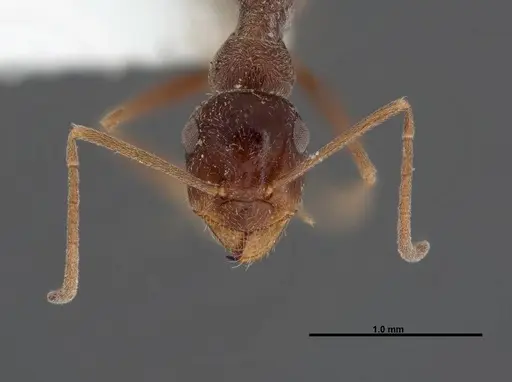
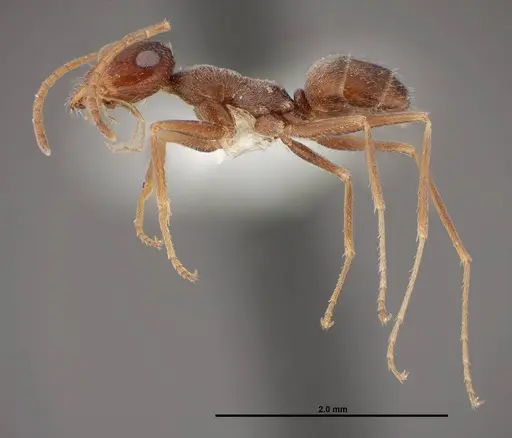
Myrmecocystus creightoni is a medium-sized honey ant native to the deserts of California and Baja California, Mexico. Workers measure approximately 4-8mm in total length and have a distinctive dark brownish coloration with relatively smooth body lacking the erect hairs common in related species. They belong to the subgenus Eremnocystus and are closely related to Myrmecocystus yuma, differing in that workers lack erect hairs on the propodeum and mesonotum. Queens are robust at approximately 7-10mm with wings. These ants are notable for their repletes - workers that store food in their distended abdomens for the colony - and their unique foraging schedule, being active only during the cool hours of early morning and late afternoon to avoid desert heat .
Quick Summary
- Difficulty: Medium
- Origin & Habitat: Native to California and Baja California, Mexico. Found in sagebrush habitats at low elevations along the western fringes of the Mojave and Colorado deserts, from 850 to 4300 feet elevation. Nests are created in compact clayey soil to coarse sand, marked by a low crater [1].
- Colony Type: Colony structure is unconfirmed. Like other Myrmecocystus species, colonies contain repletes, specialized workers that store honeydew and nectar in their distended abdomens [1].
- Size & Growth:
- Queen: ~7-10mm total length, inferred from Myrmecocystus genus [1]
- Worker: ~4-8mm total length, inferred from Myrmecocystus genus [1]
- Colony: Colony size data unavailable for this species
- Growth: Growth rate is unconfirmed
- Development: Development timeline is unconfirmed for this species (Specific development data is not available)
- Antkeeping:
- Temperature: Keep nest area around 75-80°F (24-27°C) during active periods. Provide a thermal gradient allowing workers to self-regulate. Room temperature is often suitable as they are adapted to warm desert conditions [1].
- Humidity: Low to moderate. These are desert ants that tolerate dry conditions. Keep nest substrate slightly moist but allow drying periods between waterings. Avoid constant saturation [1].
- Diapause: Not required. As a desert species from a warm climate, they do not need hibernation. However, they may become less active during extreme heat or if temperatures drop significantly [1].
- Nesting: Provide deep nesting material, at least 6-8 inches for established colonies. They naturally nest 3-4 feet deep in the wild. A Y-tong or plaster nest with deep chambers works well. Nest should have a low crater or mound entrance area [1].
- Behavior: Workers are docile and non-aggressive. They forage during the coolest parts of the day, shortly before sunrise and again in the late afternoon/evening. This crepuscular and matinal foraging pattern helps them avoid desert heat. Workers collect honeydew from aphids and nectar, and also hunt small arthropods. They have a moderate escape risk due to their small size, use standard barrier methods. Repletes are present in established colonies, storing food for lean times [1].
- Common Issues: colonies may fail if kept too humid, these are desert ants that need dry conditions, deep nesting is essential, shallow nests will stress the colony and limit growth, foraging schedule is unusual, they may appear inactive during midday which is normal, temperature extremes can be fatal, avoid temperatures above 90°F or below 60°F, wild-caught colonies may have parasites that need treatment
Nest Preferences and Housing
Myrmecocystus creightoni requires deep nesting space. In the wild, colonies nest 3-4 feet deep in desert soil, with the deepest chambers housing repletes. For captivity, provide at least 6-8 inches of nesting depth using Y-tong, plaster, or soil nests. The nest entrance should simulate their natural low crater. Use a nesting material that allows for some humidity control but dries relatively quickly, these are desert ants that prefer conditions on the drier side. A formicarium with a water reservoir for humidity control works well, but avoid waterlogging the nest. The outworld should be simple with easy access to food and water. Because they forage during cooler hours, ensure lighting schedules align with their natural activity patterns or provide dim lighting during feeding times [1].
Feeding and Diet
These ants are omnivorous with a preference for sweet liquids. In the wild, workers collect honeydew from aphids on low vegetation and nectar directly from plants, along with arthropod fragments. In captivity, offer sugar water or honey water regularly, this is their primary energy source. Protein should come from small insects like fruit flies, pinhead crickets, or mealworm pieces. Feed protein 2-3 times per week, and keep a constant supply of sugar water. The presence of repletes in established colonies means they can store significant amounts of liquid food. Remove uneaten prey after 24-48 hours to prevent mold [1].
Temperature and Seasonal Care
As a desert species from California, Myrmecocystus creightoni thrives in warm conditions. Keep the nest area at 75-80°F (24-27°C) during active periods. A heating cable on one side of the nest can create a thermal gradient, allowing workers to move to warmer or cooler areas as needed. Place the heating on top of the nest, not underneath, to prevent excessive drying. They do not require hibernation or diapause, their desert habitat does not have prolonged cold periods. However, they are adapted to extreme heat avoidance through their crepuscular foraging schedule. In captivity, avoid temperatures above 90°F as this can be fatal. If room temperature is within their acceptable range (roughly 70-85°F), no additional heating is needed [1].
Foraging Behavior and Activity Patterns
This species has a distinctive foraging schedule adapted to desert life. Workers emerge shortly before sunrise and forage until surface temperatures reach about 75-80°F. They become inactive during the hot midday hours, then resume activity about 30-45 minutes before sunset, sometimes earlier if the soil surface is cool enough. This means in captivity, you will see most activity in the early morning and evening hours. During midday, the colony may appear dormant, this is normal behavior, not a problem. Workers are relatively slow-moving compared to some ant species. They use chemical trails to recruit nestmates to good food sources. When you feed them, expect peak activity during these cooler hours [1].
Colony Structure and Repletes
Myrmecocystus creightoni is a honey ant, meaning certain workers develop into repletes, individuals whose abdomens distend with stored liquid food (primarily honeydew and nectar). These repletes hang in the deepest, most protected chambers of the nest and serve as living food storage for the colony during lean times. This is a key adaptation to their desert environment where food availability fluctuates. Repletes typically develop in well-established colonies with significant forager populations. When you see workers with notably swollen, translucent abdomens, these are your repletes, they are valuable to the colony and should not be disturbed. The colony structure is unconfirmed for this specific species [1].
Frequently Asked Questions
How long does it take for Myrmecocystus creightoni to produce first workers?
Specific development timeline data is not available for this species. Expect first workers approximately 2-3 months after founding, depending on temperature. Warmer temperatures within the acceptable range may speed development.
Can I keep Myrmecocystus creightoni in a test tube?
Test tubes work for founding colonies, but you will need to move them to a deeper nest within a few months. These ants naturally nest 3-4 feet deep in the wild, so a standard test tube setup is only temporary. A Y-tong or plaster formicarium with at least 6 inches of depth is recommended for established colonies.
Are Myrmecocystus creightoni good for beginners?
They are intermediate in difficulty. They are more demanding than common pet trade species because of their specific temperature needs, deep nesting requirements, and unusual foraging schedule. However, they are not as difficult as some specialized tropical species. If you have kept at least one colony successfully, you should be able to manage these honey ants.
How often should I feed Myrmecocystus creightoni?
Offer sugar water constantly, keep a small container of honey water or sugar water available at all times. Feed protein (insects) 2-3 times per week. Remove uneaten prey after 24-48 hours. Adjust feeding frequency based on colony size, larger colonies consume more. The presence of repletes means they can store food, so occasional missed feedings are not critical.
Why is my Myrmecocystus creightoni colony inactive during the day?
This is completely normal behavior. These are crepuscular and matinal foragers, they are active in early morning and late afternoon/evening, avoiding the hottest part of the day. In captivity, they will adjust somewhat to your feeding schedule, but expect peak activity during cooler hours. If you need to observe them more, try feeding during their active periods.
Do I need to hibernate Myrmecocystus creightoni?
No, hibernation is not required. As a desert species from California, they do not experience prolonged cold winters in their native habitat. They may slow down slightly if temperatures drop significantly, but a formal diapause period is not necessary or recommended.
How big do Myrmecocystus creightoni colonies get?
The exact maximum colony size is unknown. Related Myrmecocystus species can reach several hundred workers, but specific data for M. creightoni is not available.
Can I keep multiple queens together?
Colony type is unconfirmed for this species. While pleometrosis (multiple queens founding together) has not been documented for this specific species, it is not recommended to combine unrelated foundress queens. If you obtain multiple founding queens, house them separately until their colonies are established.
What is the best humidity level for Myrmecocystus creightoni?
Keep humidity low to moderate. These are desert ants adapted to dry conditions. The nest substrate should be slightly moist but allow drying between waterings. Avoid constant saturation. A humidity range of 30-50% in the nest area is appropriate. Overly humid conditions can lead to mold and colony stress.
Report an Issue
The current care sheet is based fully on literature. See inconsistencies, or something that's incorrect? Please , it will be resolved after review from an admin. Contributing to the blogs tab also helps providing information, to make us be able to further improve the caresheets. Thank you for your support!
References

This caresheet is licensed under CC BY-SA 4.0 .
Community Blogs
CASENT0005419
View on AntWeb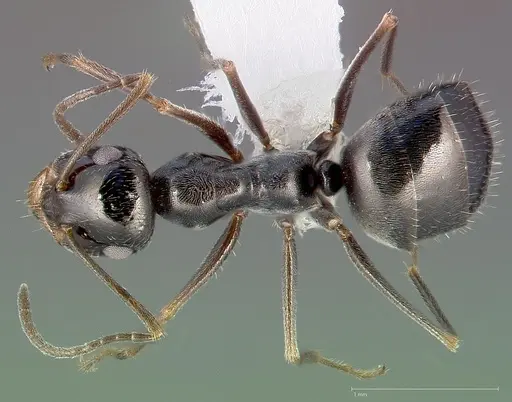
CASENT0903196
View on AntWeb
FMNHINS0000083104
View on AntWeb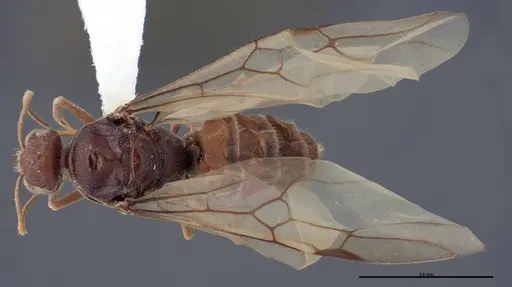
FMNHINS0000083105
View on AntWeb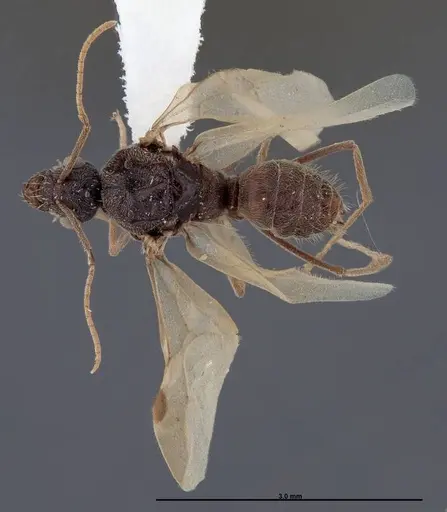
FMNHINS0000083106
View on AntWeb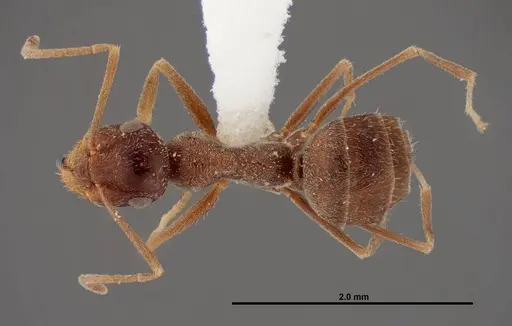
Literature
Loading distribution map...Loading products...