
Myrmecina transversa
- Sci. Name
- Myrmecina transversa
- Tribe
- Crematogastrini
- Subfamily
- Myrmicinae
- Author
- Emery, 1897
- Distribution
- Found in 0 countries
Introduction
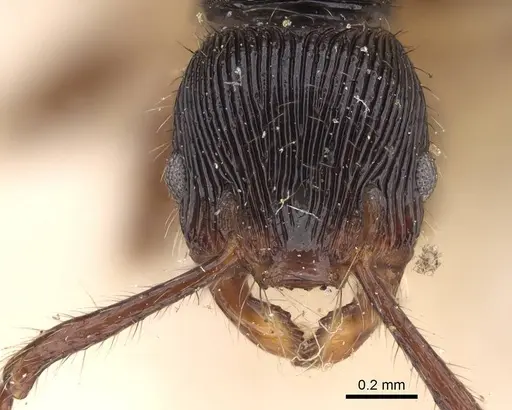
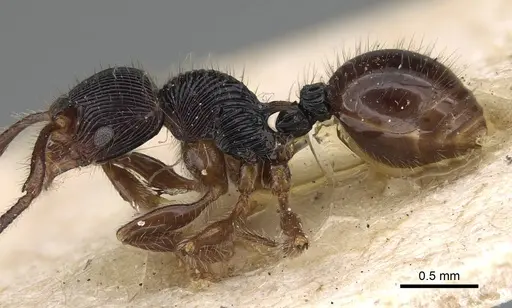
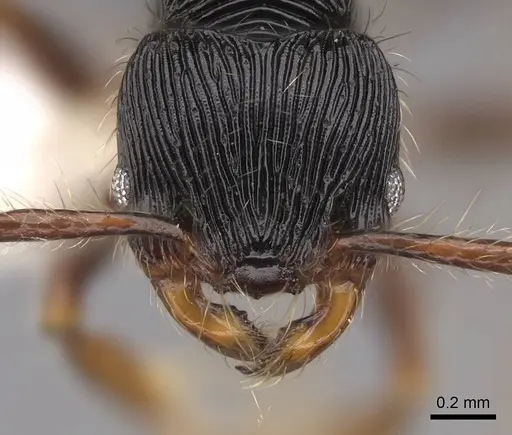
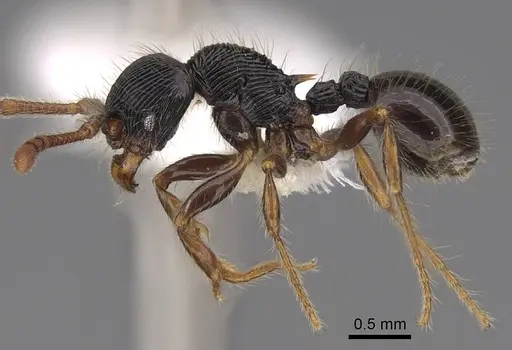
Myrmecina transversa is a tiny ant species native to the tropical regions of New Guinea and the Solomon Islands. Workers are small ants with the characteristic Myrmecina features including a distinct constriction between the mesosoma and gaster. The genus Myrmecina is known for small colony sizes and a cryptic lifestyle, often nesting in leaf litter, rotting wood, or under stones in forest environments. These ants are part of the Myrmicinae subfamily. Colonies typically reach around 50 adult workers at maturity. This species was described by Emery in 1897 and has been recorded from both mainland New Guinea and the Solomon Islands, particularly Makira Island .
Quick Summary
- Difficulty: Medium
- Origin & Habitat: Native to New Guinea and the Solomon Islands (Makira), where they inhabit tropical rainforest environments. They nest in leaf litter, rotting wood, and under stones in damp forest floor conditions [1][2][3].
- Colony Type: Small colonies with a single queen. Colonies typically reach about 50 adult workers [2].
- Size & Growth:
- Queen: size data unavailable
- Worker: size data unavailable
- Colony: Up to 50 workers [2]
- Growth: Moderate
- Development: estimated 6-8 weeks based on related Myrmicinae species at tropical temperatures (Development timeline is inferred from genus patterns, direct measurements not available for this species)
- Antkeeping:
- Temperature: Keep at 24-28°C. Being a tropical species from New Guinea and Solomon Islands, they prefer warm, stable conditions.
- Humidity: High humidity required, aim for 70-85%. These ants come from damp tropical rainforest environments, so keep the nest substrate consistently moist but not waterlogged.
- Diapause: No, as a tropical species, they do not require hibernation. Maintain consistent temperatures year-round.
- Nesting: Small nests work well given their tiny colony size. Test tubes with a water reservoir are ideal for founding colonies. For established colonies, small Y-tong nests with narrow chambers scaled to their tiny size work best. They prefer dark, humid nest conditions.
- Behavior: These are docile, non-aggressive ants that are not known to sting. They are cryptic and slow-moving, spending most of their time within the nest or foraging quietly through leaf litter. Workers are small and can squeeze through small gaps, so escape prevention is important despite their calm temperament. They are generalist foragers, collecting honeydew, small insects, and other organic matter.
- Common Issues: small size makes escape prevention critical, use fine mesh and tight-fitting lids, small colony size means slow population growth, don't expect rapid expansion, high humidity requirements can lead to mold if ventilation is poor, tropical species will not survive cool temperatures, keep warm year-round, wild-caught colonies may be stressed from collection and require careful acclimation
Housing and Nest Setup
For Myrmecina transversa, small is the key word. These tiny ants need appropriately scaled housing. Test tube setups with a water reservoir work excellently for founding colonies, the small diameter matches their size and the constant humidity mimics their natural leaf litter environment. For established colonies, small Y-tong nests with narrow chambers are ideal. Avoid large formicariums, these ants feel secure in tight spaces. The nest should be kept dark, as they prefer dim conditions typical of their forest floor habitat. A small outworld area for foraging is sufficient given their small colony size. Use fine mesh for any ventilation, their tiny size means they can escape through standard ant mesh. [2]
Feeding and Diet
Myrmecina transversa is a generalist feeder typical of the Myrmicinae subfamily. Offer sugar water or honey as a constant energy source, they will readily accept sweet liquids. For protein, provide small prey items like fruit flies, pinhead crickets, or other tiny insects. Given their small size, prey should be appropriately sized, anything larger than their workers will need to be dismembered. They likely also collect honeydew from aphids in the wild, so occasional sugar sources are beneficial. Feed small amounts every 2-3 days and remove uneaten prey to prevent mold. Their small colony size means they don't need large quantities of food.
Temperature and Humidity
As a tropical species from New Guinea and the Solomon Islands, Myrmecina transversa requires warm, humid conditions. Maintain temperatures between 24-28°C, they do not tolerate cool conditions well. A heating cable placed on part of the nest can provide warmth if your room temperature is below this range. Place the heating on top of the nest material to avoid evaporating moisture. Humidity should be high, around 70-85%. The nest substrate should feel consistently moist but never waterlogged. Test tube setups with water reservoirs naturally maintain humidity. Avoid placing the nest near air conditioning or drafts that could cause temperature fluctuations or dry air. [1]
Colony Development and Growth
Colonies remain small throughout their lifespan, typically reaching only about 50 workers [2]. This is normal for the genus Myrmecina, they are not a species that will produce massive colonies. Growth rate is moderate. The queen lays eggs slowly, and the first workers will emerge in roughly 6-8 weeks under optimal conditions. After that, colony growth is gradual. Don't expect rapid expansion, these are slow-growing ants by nature. The small colony size actually makes them easier to care for in some ways, as they require less space and less food than larger species. Patience is key with this species.
Behavior and Temperament
Myrmecina transversa is a calm, non-aggressive species. Workers are small and docile, not given to stinging or biting. They are cryptic by nature, preferring to stay within the nest and foraging quietly through leaf litter rather than exploring openly. This makes them less entertaining than some larger, more active species, but they are fascinating to observe in their quiet way. They are not escape artists in an aggressive sense, but their tiny size means they can slip through surprisingly small gaps. Excellent escape prevention is still necessary. The colony will likely remain clumped together, with workers rarely straying far from the queen and brood.
Frequently Asked Questions
How long does it take for Myrmecina transversa to have first workers?
Expect first workers to emerge in approximately 6-8 weeks after the queen lays eggs, assuming temperatures around 26°C. This is an estimate based on related Myrmicinae species, as specific development timing has not been documented for this species.
How big do Myrmecina transversa colonies get?
Colonies remain small, typically reaching only about 50 workers at maturity. This is typical for the Myrmecina genus, they are not a species that produces large colonies.
Can I keep multiple Myrmecina transversa queens together?
Colony type is unconfirmed for this species. It is best to keep one queen per colony to avoid fighting.
Do Myrmecina transversa ants sting?
No, they are not known to sting. They are docile, cryptic ants that avoid confrontation. Their small size also means they would have difficulty penetrating human skin even if they tried.
What temperature do Myrmecina transversa need?
Keep them warm at 24-28°C. Being from tropical New Guinea and Solomon Islands, they need consistently warm conditions year-round. Do not let temperatures drop below room temperature.
Do Myrmecina transversa need hibernation?
No. As a tropical species, they do not require diapause or hibernation. Maintain consistent warm temperatures and humidity year-round.
Are Myrmecina transversa good for beginners?
They are moderate difficulty. While their small size and specific humidity needs require attention, their docile nature and small colony size make them manageable. They are not the easiest species but are suitable for keepers willing to maintain warm, humid conditions.
What do Myrmecina transversa eat?
They are generalist feeders. Offer sugar water or honey regularly, and small protein sources like fruit flies, pinhead crickets, or other tiny insects. Feed small amounts every 2-3 days.
When should I move Myrmecina transversa to a formicarium?
Given their small colony size (max ~50 workers), test tube setups work well for most of their captive lifespan. You may never need to move them to a larger formicarium, a properly sized Y-tong nest is sufficient if you want to observe them more easily.
Why are my Myrmecina transversa dying?
Common causes include: temperatures too cool (below 24°C), humidity too low or too high (aim for moist but not wet), escape through small gaps, or stress from wild collection. Check that your setup maintains warm, humid, dark conditions appropriate for this tropical species.
Report an Issue
The current care sheet is based fully on literature. See inconsistencies, or something that's incorrect? Please , it will be resolved after review from an admin. Contributing to the blogs tab also helps providing information, to make us be able to further improve the caresheets. Thank you for your support!
References

This caresheet is licensed under CC BY-SA 4.0 .
Community Blogs
CASENT0922230
View on AntWeb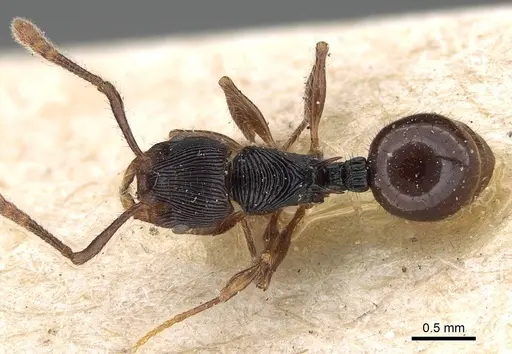
CASENT0922970
View on AntWeb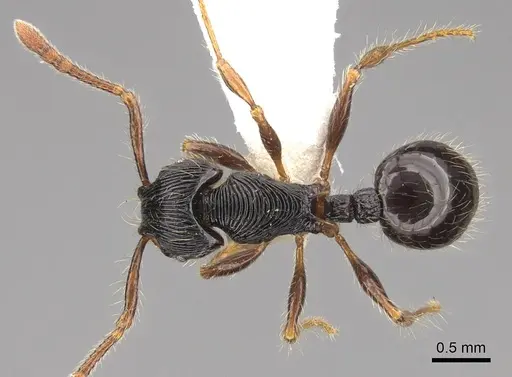
Literature
Loading distribution map...Loading products...