Myrmecina graminicola exhibits a clear seasonal activity window. Peak activity is concentrated in August, with the overall period spanning August to September.
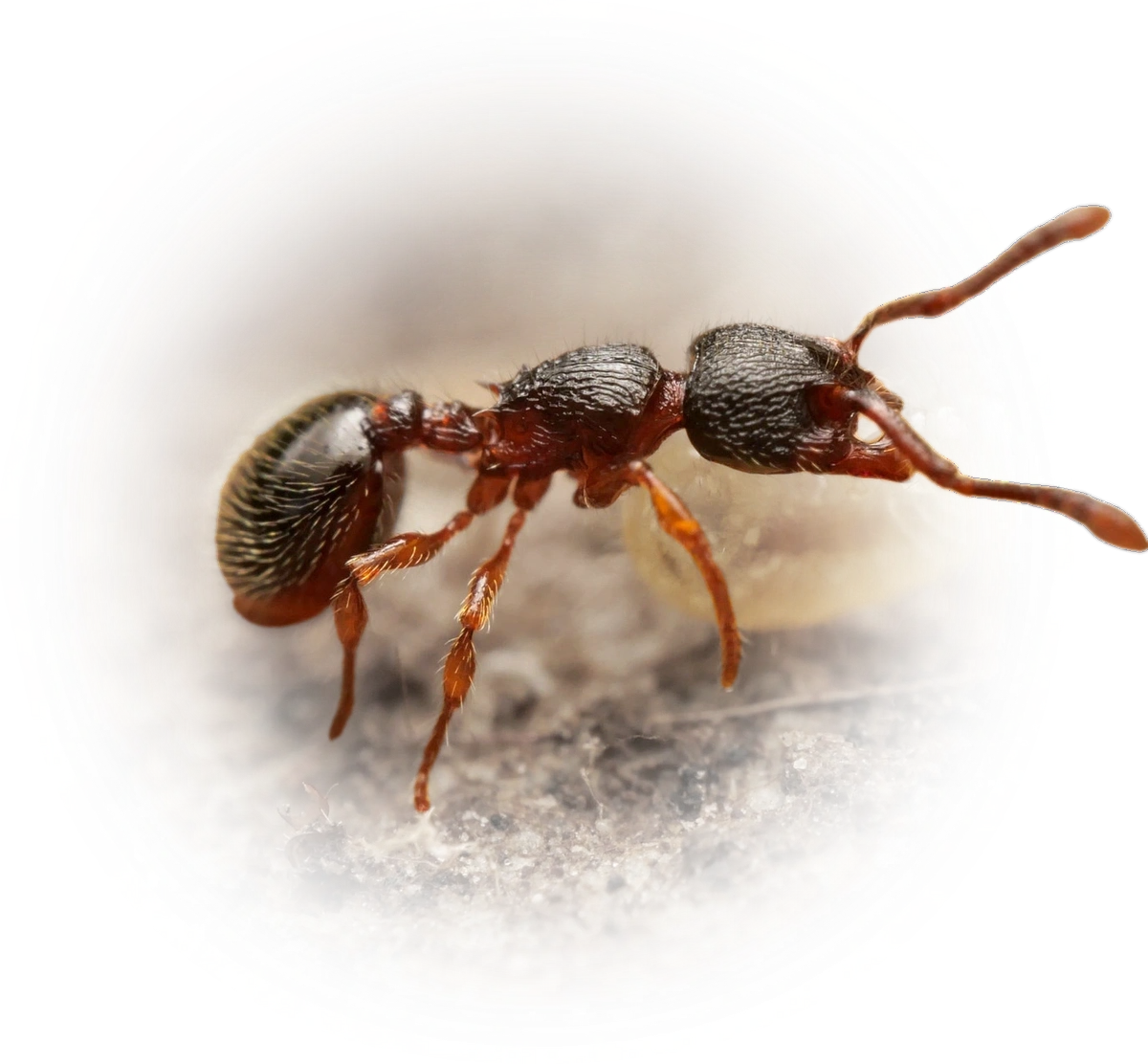
woodlouse ant
Myrmecina graminicola
- Sci. Name
- Myrmecina graminicola
- Tribe
- Crematogastrini
- Subfamily
- Myrmicinae
- Author
- Latreille, 1802
- Common Name
- woodlouse ant
- Distribution
- Found in 15 countries
- Queen Activity
- From April to September
- Peak Time
- 14:00
Introduction
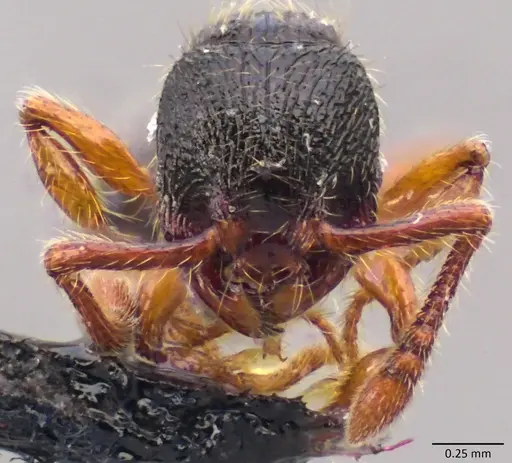
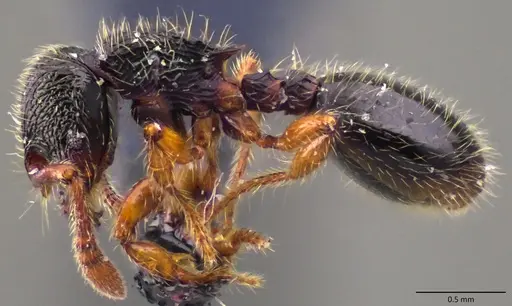
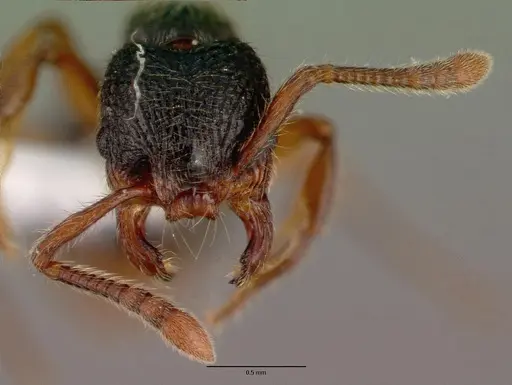
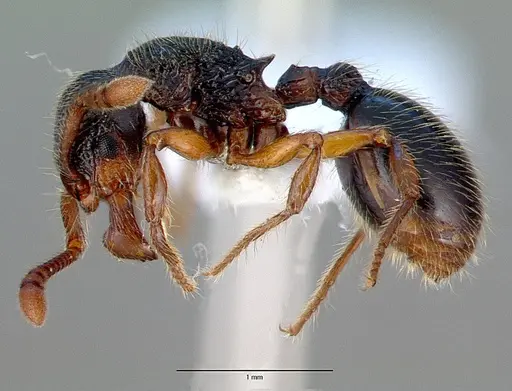
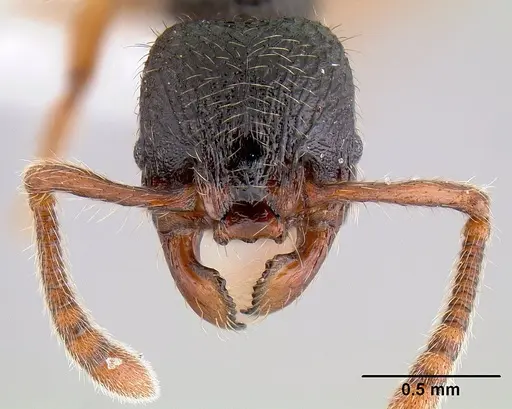
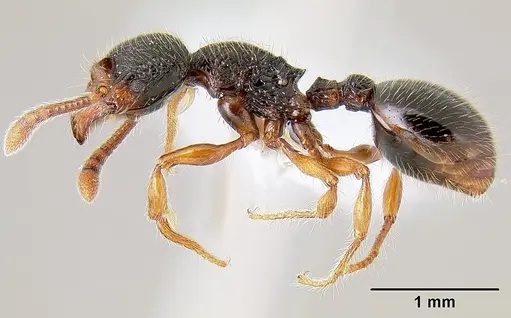
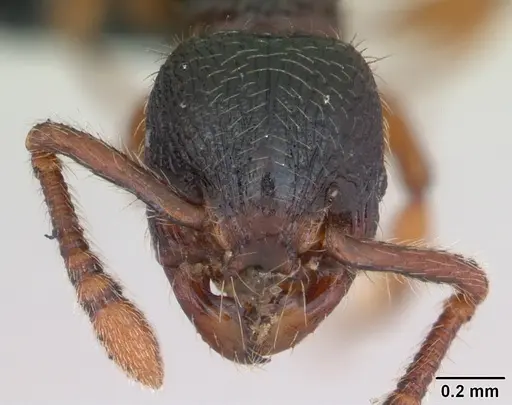
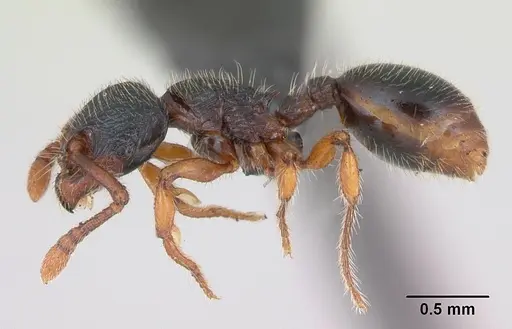
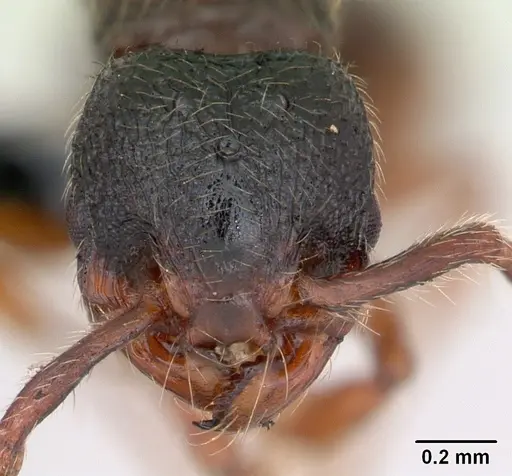
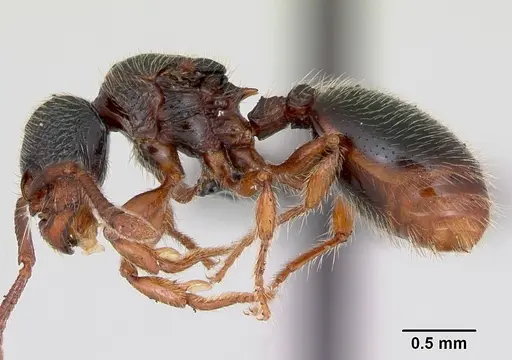
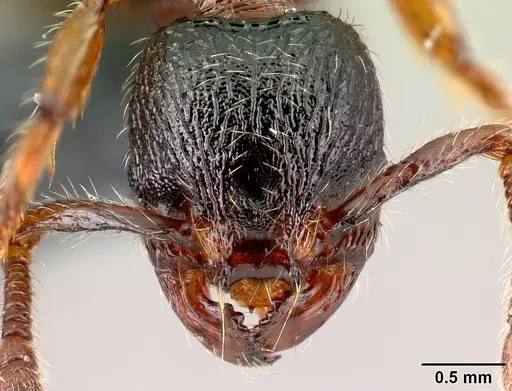
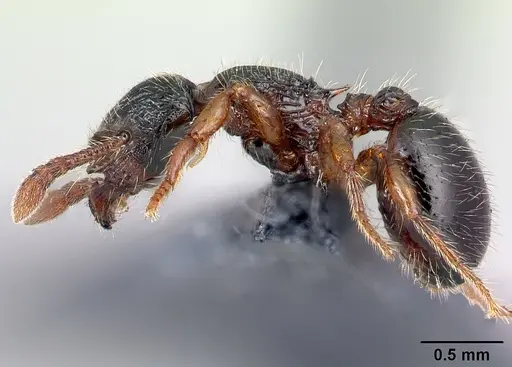
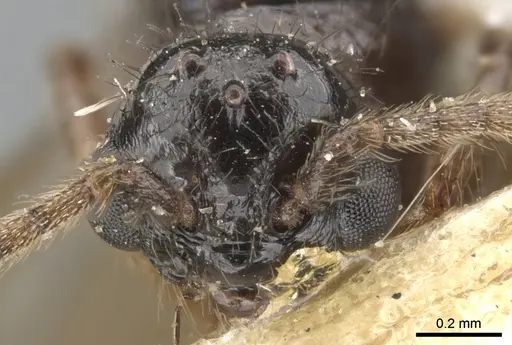
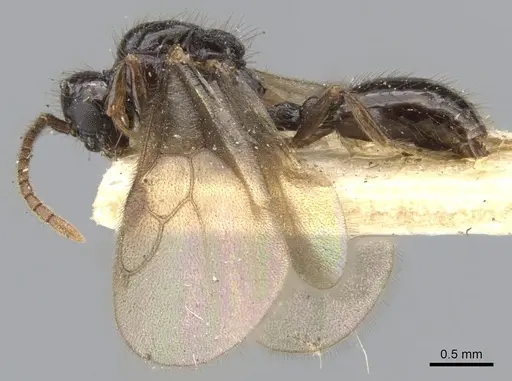
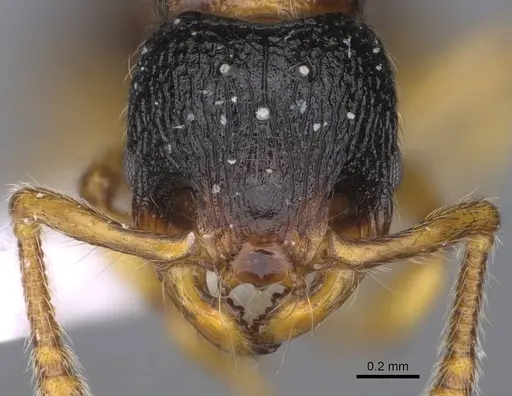
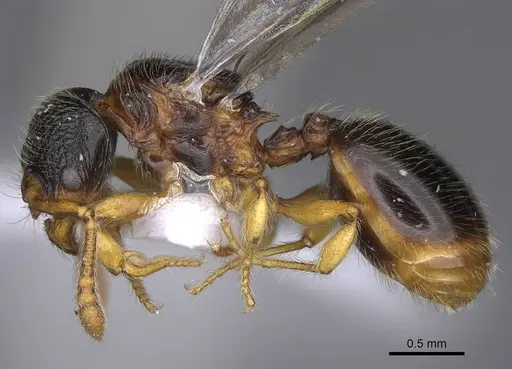
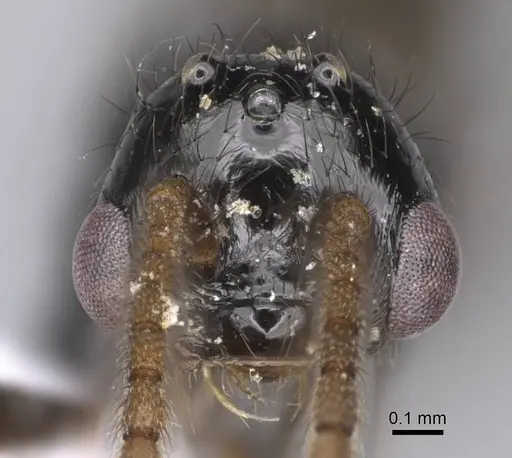
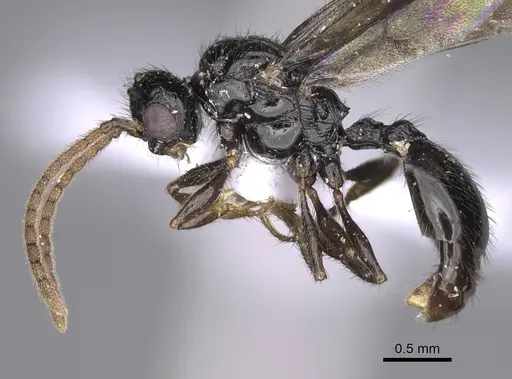
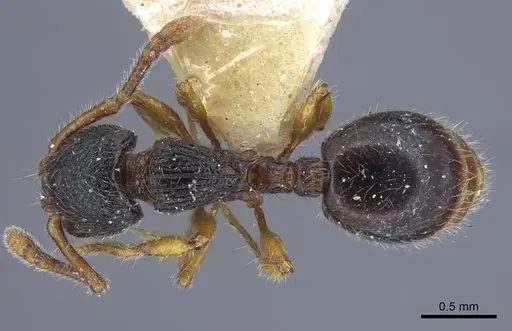
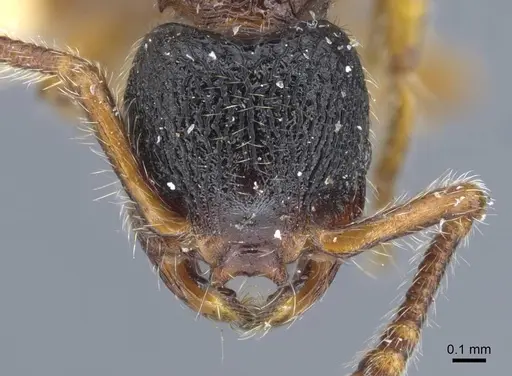
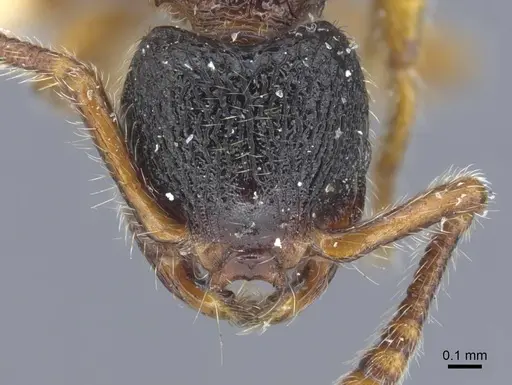
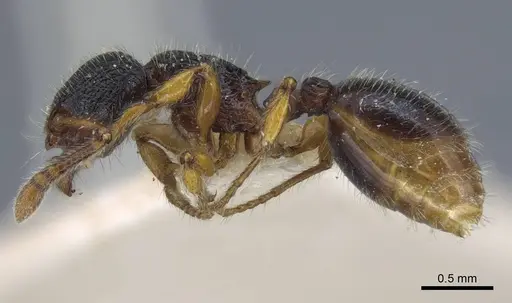
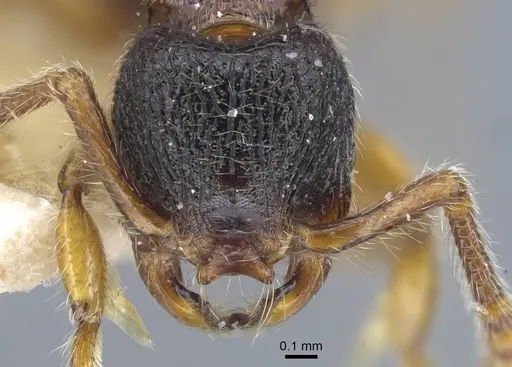
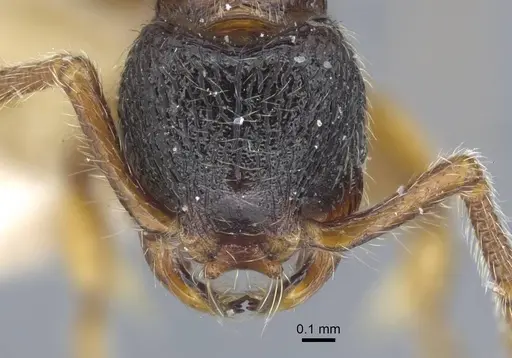
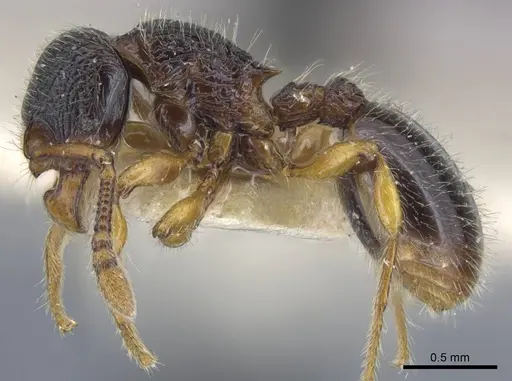
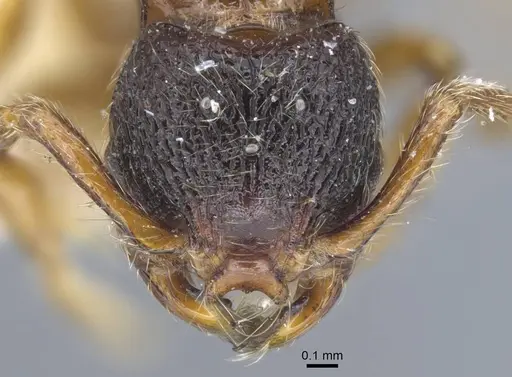
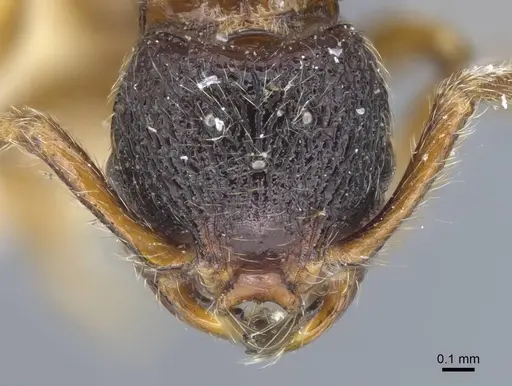
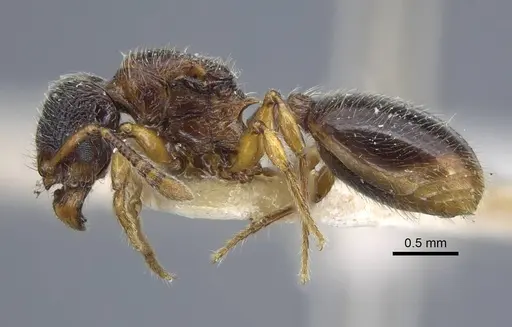
Myrmecina graminicola is a small, stocky ant native to Europe and parts of Asia. Workers measure 2.4-3.2mm and are dark brown to black with reddish-brown legs and antennae . The species gets its common name from its unique defensive behavior - when threatened, workers curl into a ball and remain motionless, a behavior called thanatosis or playing dead . This ant has a very hard cuticle that provides protection from predators . The species is notable for queen polymorphism, meaning colonies can have either normal winged queens (gynomorphs) or wingless worker-like queens (intermorphs) that still reproduce . Colonies are small, typically containing fewer than 100 workers.
Quick Summary
- Difficulty: Medium
- Origin & Habitat: Native to Europe and the Mediterranean region, from Sweden and southern England east to the Caucasus and south to northwest Africa. Found in light deciduous forests, calcareous grasslands, gardens, and open habitats with stones [7][8].
- Colony Type: Small colonies typically with a single queen (monogynous), though multiple queens (polygynous) colonies occur occasionally. Queen polymorphism is common, both winged queens (gynomorphs) and wingless intermorphs can function as reproductive females in the same colony [5][9].
- Size & Growth:
- Queen: 3.5-4.2 mm [10]
- Worker: 2.4-3.2 mm [1]
- Colony: Typically 30-50 workers, maximum around 100 [11][4]
- Growth: Slow
- Development: Approximately 12-14 months (larvae overwinter as diapause, first workers emerge the following year) [12][13] (Semi-claustral founding with slow larval development. Larvae enter diapause (winter rest) and first workers emerge the following spring [12][13].)
- Antkeeping:
- Temperature: Keep at room temperature (18-24°C). This is a thermophilic species that prefers warm conditions but can tolerate cooler temperatures in captivity [8].
- Humidity: Moderate to high humidity. In the wild, they inhabit leaf litter and soil in forested areas. Keep the nest substrate consistently moist but not waterlogged [11].
- Diapause: Yes, requires a winter dormancy period. In nature, larvae overwinter and egg-laying occurs after diapause in spring. Provide 2-3 months at 5-10°C during winter [1][12].
- Nesting: Small, shallow nests in soil, under stones, or in leaf litter. Y-tong (AAC) nests or plaster nests work well. Provide a thin layer of moist substrate and hiding spots like small stones or pieces of bark [11][14].
- Behavior: Very cryptic and slow-moving. Workers forage individually in the leaf litter layer rather than on open trails. When disturbed, they immediately curl into a ball and remain motionless, this is their primary defense. They are not aggressive and rarely bite. Colonies are small and inconspicuous [3][14]. Escape risk is low as workers are slow and small but can squeeze through small gaps, use standard barrier methods.
- Common Issues: small colony size makes them vulnerable to stress, avoid disturbing the nest frequently, their slow movement and cryptic behavior means they may be overlooked when foraging, ensure food is placed where they'll find it, winter diapause is essential, colonies that are kept warm year-round may fail to produce workers properly, their rolling defense works against predators but makes them seem inactive or dead when you're trying to observe them, due to their small size and subterranean habits, they are easily overlooked and may be accidentally crushed when handling
Queen Ant Activity Analysis 223 observations
Queen Activity by Hour 223 observations
Myrmecina graminicola queen activity peaks around 14:00 during the afternoon. Activity is spread across a 12-hour window (10:00–21:00). A secondary activity peak occurs around 16:00. Times may be influenced by human observation patterns.
Housing and Nest Setup
Myrmecina graminicola does best in small, naturalistic setups that mimic their natural leaf litter habitat. A Y-tong (AAC) nest or plaster nest with a small chamber works well. Fill the outworld with a thin layer of moist soil or sand mixed with leaf litter. Provide hiding spots like small stones, pieces of bark, or artificial leaves. Because they are small and slow, avoid large open spaces in the outworld, they may have trouble finding food. A small test tube setup can work for founding colonies, but transfer to a proper nest once the colony reaches 15-20 workers. They prefer darkness and will nest under stones or in covered areas [11][14].
Feeding and Diet
This species is primarily predatory, hunting small invertebrates in the leaf litter. Offer small live prey like fruit flies, springtails, or tiny crickets. They also accept protein paste or crushed insects. Unlike many ants, they do not tend aphids for honeydew, though they may occasionally drink sugar water or honey. Feed small amounts 2-3 times per week, removing any uneaten prey after 24 hours. Their slow movement means they may not compete well for food with faster ants if kept in a shared setup [14][8].
Temperature and Seasonal Care
Keep the nest at room temperature (18-24°C). They are thermophilic and prefer warmer spots, but will do fine in typical room conditions. In winter, they require a diapause period of 2-3 months at 5-10°C. Reduce feeding during this time and keep the nest slightly cooler. Place the nest in a location that stays cool in winter but warm in summer. Do not feed during the deepest part of diapause. After winter, gradually warm the colony back to room temperature, this triggers egg-laying [1][12].
The Rolling Defense Behavior
The most distinctive behavior of Myrmecina graminicola is their rolling escape response. When touched or threatened, workers immediately curl into a tight ball and remain motionless, this is called thanatosis or playing dead. On inclined surfaces, they can actually roll away from danger at surprising speed (about 40 cm/s). Research shows they roll when the slope exceeds 10° and the stimulus involves vibration. This behavior is highly effective, on inclined planes, only 10% of ants were injured compared to 63% on horizontal surfaces when attacked by other ants. In captivity, don't be alarmed if your ants appear 'dead', they will uncurl once they feel safe [3].
Queen Polymorphism
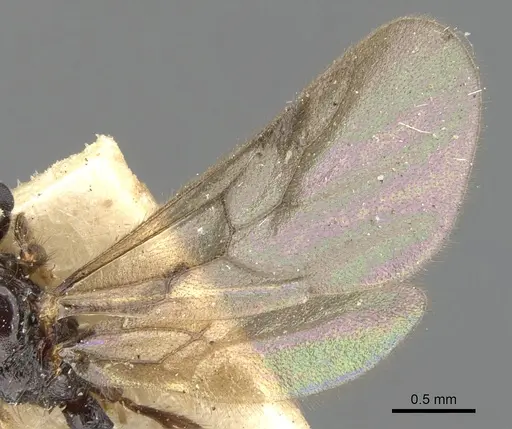
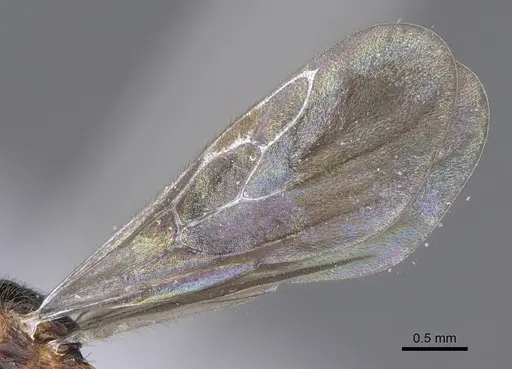
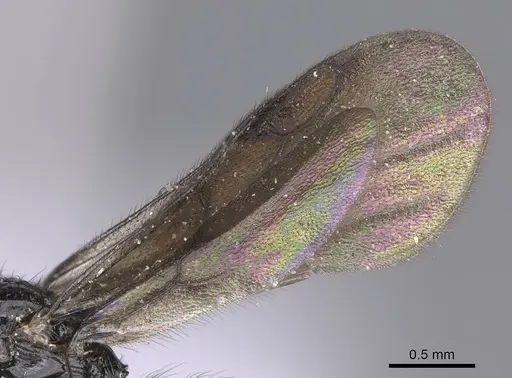
This species exhibits remarkable queen polymorphism. Colonies can have either normal winged queens (gynomorphs) or wingless intermorphs that resemble workers but have reproductive organs. Both types can coexist in the same colony, and intermorphs can produce both workers and sexuals. This is genetically determined and appears to be widespread throughout the species range. In captivity, you may notice some queens are larger and winged while others are smaller and wingless, both can establish colonies successfully [5][6].
Frequently Asked Questions
How long does it take for Myrmecina graminicola to produce first workers?
Expect 12-14 months from founding to first workers. This species has slow development and the larvae overwinter as diapause, so founding colonies take much longer than many other ants [12][13].
Do Myrmecina graminicola ants sting?
They do not sting. Their primary defense is curling into a ball and playing dead. They may bite if handled roughly, but their bite is not painful [2].
Can I keep multiple queens together?
While colonies can be polygynous (have multiple queens) in the wild, it's not recommended to combine unrelated foundress queens in captivity. Single-queen colonies are more stable and easier to maintain [9].
Why is my ant always curled into a ball?
This is normal behavior, when threatened or disturbed, Myrmecina graminicola curls into a ball and plays dead. They will uncurl when they feel safe. This is their primary defense mechanism, not a sign of illness [3].
Do they need hibernation?
Yes, they require a winter diapause period of 2-3 months at 5-10°C. Without this cold period, colony development may be disrupted. Reduce feeding during diapause and keep the nest cool but not frozen [1][12].
What do they eat?
They are primarily predatory on small invertebrates. Offer live fruit flies, springtails, or tiny insects. They will also accept protein paste or crushed insects. They do not tend aphids and rarely accept sugar [14][8].
Are they good for beginners?
They are moderate difficulty. Their small colony size and slow growth require patience, but their simple care requirements make them manageable once you understand their needs. The main challenge is providing proper winter diapause [1].
How big do colonies get?
Colonies remain small, typically 30-50 workers, rarely exceeding 100. This is one of the smaller ant species kept in captivity [11][4].
When do they have nuptial flights?
Nuptial flights occur in late summer to early autumn, typically August-September. Males and females mate during this period [1][8].
Why are my ants not foraging much?
This is normal, they are cryptic, slow-moving ants that forage individually in leaf litter. They may not come out into the open often. Place food directly near their nest entrance and be patient [14].
When do Myrmecina graminicola queens forage?
Queen activity of Myrmecina graminicola typically occurs From April to September. Times may be influenced by human observation patterns.
What time of day are Myrmecina graminicola queens most active?
Queen activity of Myrmecina graminicola peaks around 14:00 during the afternoon, with most activity between 10:00 and 21:00. Times may be influenced by human observation patterns.
Report an Issue
The current care sheet is based fully on literature. See inconsistencies, or something that's incorrect? Please , it will be resolved after review from an admin. Contributing to the blogs tab also helps providing information, to make us be able to further improve the caresheets. Thank you for your support!
References

This caresheet is licensed under CC BY-SA 4.0 .
Community Blogs
ANTWEB1060145
View on AntWeb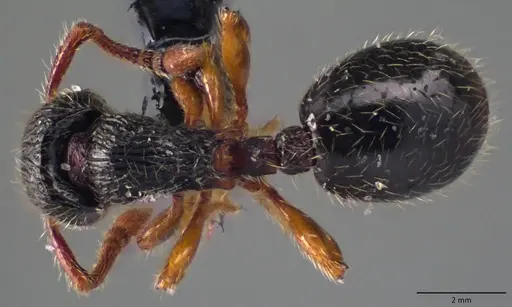
CASENT0008643
View on AntWeb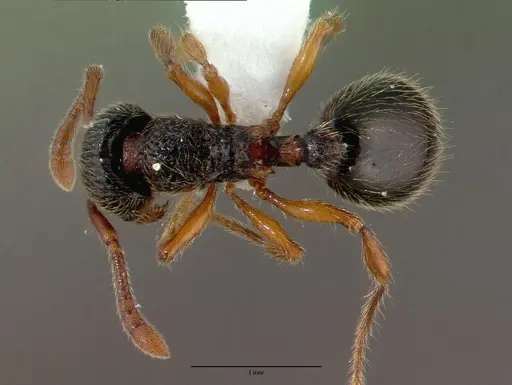
CASENT0106054
View on AntWeb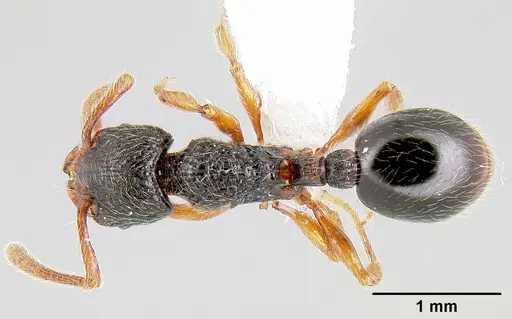
CASENT0172708
View on AntWeb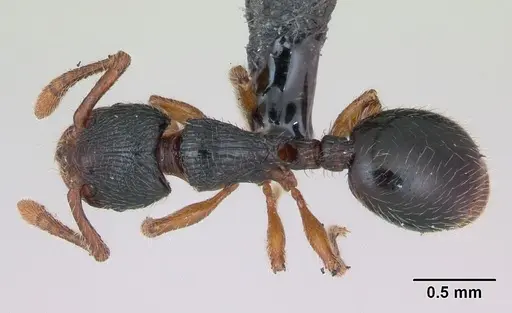
CASENT0172709
View on AntWeb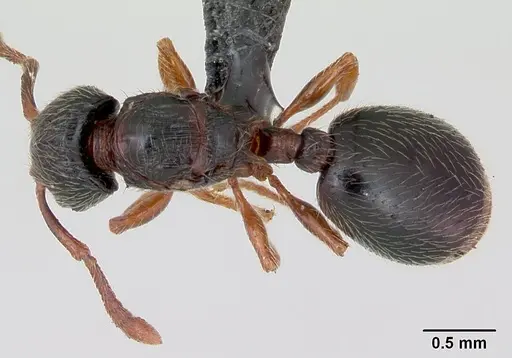
CASENT0179938
View on AntWeb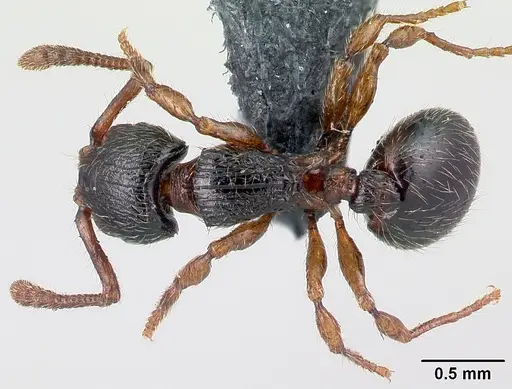
CASENT0901734
View on AntWeb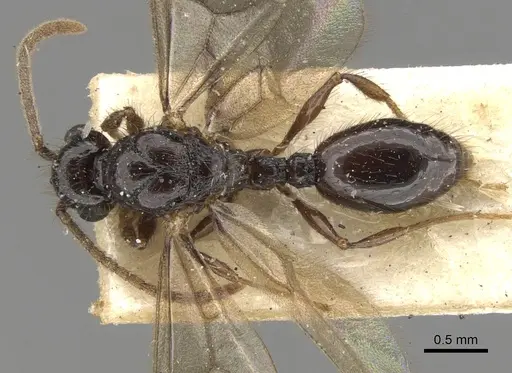
CASENT0913028
View on AntWeb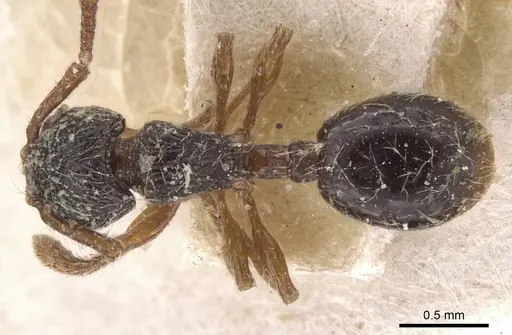
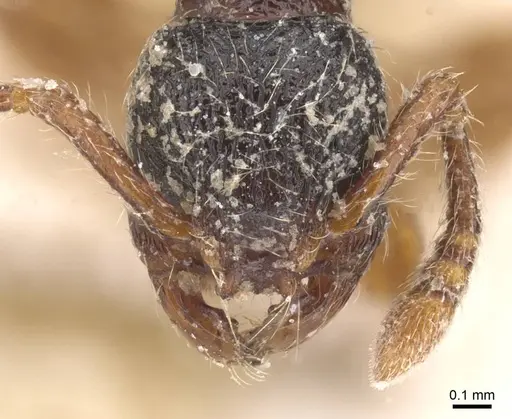
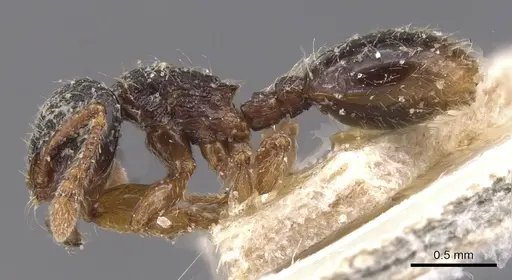
CASENT0914242
View on AntWeb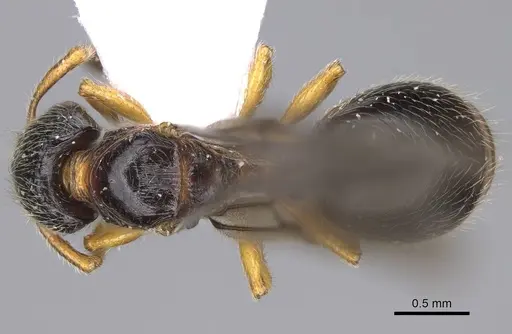
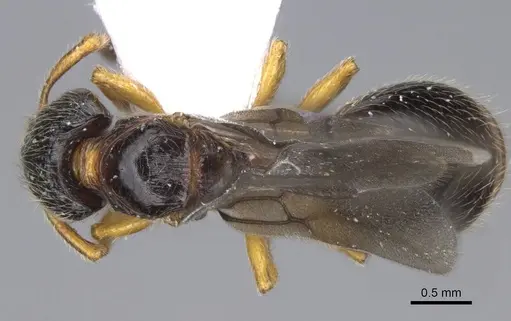
CASENT0914243
View on AntWeb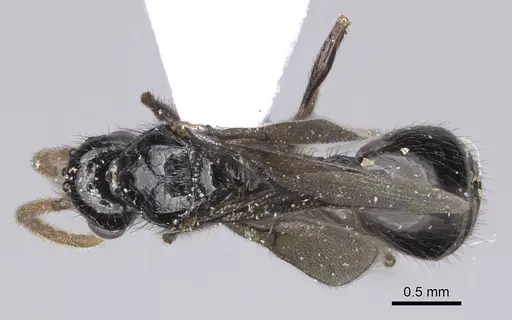
CASENT0917028
View on AntWeb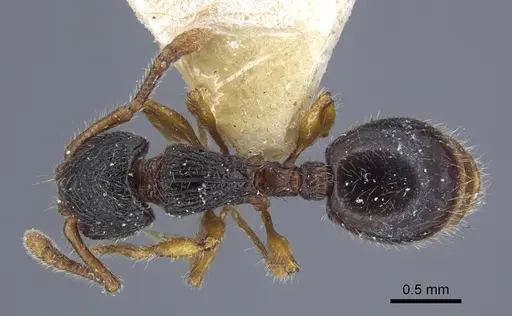
CASENT0917029
View on AntWeb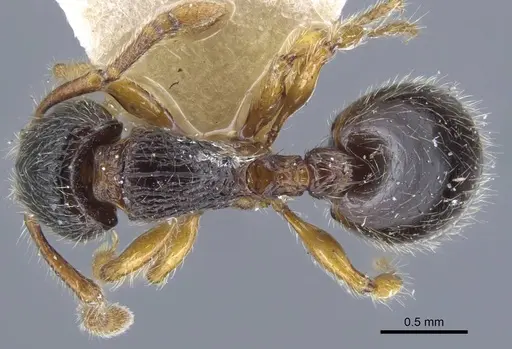
CASENT0917030
View on AntWeb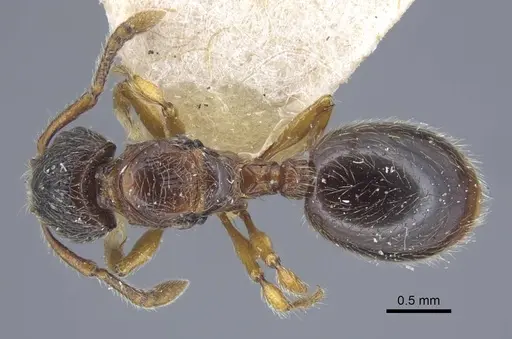
Literature
Loading distribution map...Loading products...