
Myrmecina curtisi
- Sci. Name
- Myrmecina curtisi
- Tribe
- Crematogastrini
- Subfamily
- Myrmicinae
- Author
- Donisthorpe, 1949
- Distribution
- Found in 0 countries
Introduction
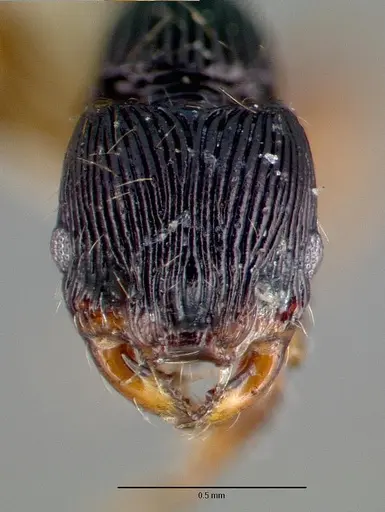
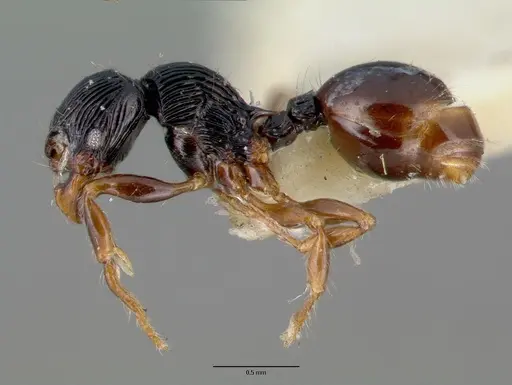
Myrmecina curtisi is a tiny Myrmicinae ant species originally described from New Guinea by Donisthorpe in 1949 . The genus Myrmecina contains some of the smallest ants in the world, known for their miniature size and subtle coloration that helps them blend into leaf litter and soil environments. Workers are estimated at approximately 2-4mm based on genus patterns for Myrmecina species. The species has been recorded in Sri Lanka's lowland wet forests, suggesting a broader distribution across tropical Asia than originally thought . These ants are ground-nesting and likely prefer damp, shaded microhabitats such as forest floors, under stones, and in rotting wood. They form small colonies and are known for their cryptic habits - they are not aggressive and rely on concealment rather than defense. Their small size makes them suitable for keepers who want a low-maintenance observing ant.
Quick Summary
- Difficulty: Easy
- Origin & Habitat: New Guinea and Sri Lanka, found in lowland wet forest environments [2][3][1]. In nature they likely nest in leaf litter, under stones, and in rotting wood in humid, shaded areas.
- Colony Type: Colony structure is unconfirmed for this species. Based on typical Myrmecina patterns, colonies are likely small with a single queen.
- Size & Growth:
- Queen: Estimated 4-5mm, inferred from Myrmecina genus patterns
- Worker: Estimated 2-4mm, inferred from Myrmecina genus patterns
- Colony: Likely small, exact size data unavailable for this species
- Growth: Moderate, based on typical Myrmecina development patterns
- Development: Estimated 6-8 weeks at optimal temperature based on genus-level data (Development time is estimated from related Myrmecina species, actual timing for M. curtisi specifically has not been studied)
- Antkeeping:
- Temperature: Keep around 22-26°C. A gentle gradient allows workers to self-regulate. Room temperature is often suitable if your home stays in this range.
- Humidity: High humidity is essential, these ants come from wet forest floors. Keep the nest substrate consistently moist but not waterlogged. Provide a water tube and mist occasionally.
- Diapause: No diapause required, being a tropical species from Sri Lanka and New Guinea, they do not need hibernation. However, they may slow down slightly in cooler months.
- Nesting: Y-tong (AAC) or plaster nests work well, or a test tube setup with a moist cotton ball. They prefer tight, humid chambers. Avoid dry environments.
- Behavior: Cryptic and non-aggressive. Workers are small and may be overlooked by predators, which contributes to their secretive lifestyle. They are not known to sting and pose no threat to keepers. Escape risk is moderate due to their small size, use standard mesh barriers.
- Common Issues: small colony size means they develop slowly, patience is required, high humidity needs can lead to mold if ventilation is poor, they are easily overlooked due to their tiny size, ensure you can actually see the colony, wild-caught colonies may be difficult to establish in captivity, size data is estimated from genus patterns, actual measurements for this species may vary
Housing and Nest Setup
Myrmecina curtisi is well-suited to standard antkeeping setups. A test tube setup with a water reservoir works excellently for founding colonies, the queen will seal herself in and raise her first workers in the humid micro-environment. For established colonies, a Y-tong (AAC) or plaster nest provides good visibility while maintaining the humidity they need. Because they are tiny, they do not require large spaces, tight, narrow chambers actually suit them better than open areas. Avoid dry environments entirely, these ants are adapted to damp forest floors and will struggle in dry setups. A small outworld for foraging is sufficient, they are not heavy travelers. [2][3]
Feeding and Diet
Like other Myrmecina species, M. curtisi likely accepts small protein sources such as fruit flies, springtails, and other tiny arthropods. They are probably predatory or scavengers in nature, feeding on small insects and other invertebrates found in leaf litter. Sugar sources may be accepted but are less important than protein. Feed small prey items appropriate to their size, what would be a bite-sized meal for a larger ant may be overwhelming. Offer protein 2-3 times per week and remove uneaten prey within 24 hours to prevent mold.
Temperature and Humidity
Maintain temperatures in the 22-26°C range. This species comes from tropical environments in New Guinea and Sri Lanka, so warmth is important for activity and brood development. Room temperature is often adequate in most homes. Humidity is critical, the nest area should feel consistently moist. A water tube attached to the test tube or nest provides a constant humidity source. Mist the nest area occasionally, but ensure good ventilation to prevent mold buildup. The foraging area can be drier. [2][3]
Colony Development
M. curtisi likely forms small colonies. The queen will lay a small number of eggs and raise them sequentially. First workers (nanitics) will be tiny and may take 6-8 weeks to emerge based on genus-level estimates. After the first workers arrive, the colony will slowly expand. Do not expect rapid growth or large worker numbers, this is a petite species by ant standards. Patience is key with small colony ants.
Behavior and Temperament
This is a cryptic, non-aggressive species. Workers are small and secretive, spending much of their time in the nest or moving slowly through leaf litter. They are not defensive and do not pose a sting threat to keepers. Their small size means they can squeeze through very small gaps, so standard mesh barriers are necessary, but they are not particularly known as escape artists. They are best suited for keepers who enjoy observing subtle, quiet colonies rather than active, aggressive foragers.
Frequently Asked Questions
How long does it take for Myrmecina curtisi to produce first workers?
Based on typical Myrmecina development, expect first workers in approximately 6-8 weeks after the queen lays eggs. This is an estimate as the specific development timeline for M. curtisi has not been studied.
What do Myrmecina curtisi ants eat?
They likely accept small protein sources like fruit flies, springtails, and other tiny arthropods. Protein is more important than sugar for this species. Offer small prey items appropriate to their tiny size.
Do Myrmecina curtisi ants sting?
They are not known to sting. This species belongs to the Myrmicinae subfamily which has a smear-type venom delivery system rather than a piercing stinger.
How big do Myrmecina curtisi colonies get?
Colony size is likely small, exact size data is unavailable for this species, but typical Myrmecina colonies remain modest.
What temperature should I keep Myrmecina curtisi at?
Keep them warm, around 22-26°C. Room temperature is often suitable. They come from tropical environments in New Guinea and Sri Lanka, so they prefer warmth.
Do Myrmecina curtisi need hibernation?
No. Being a tropical species from New Guinea and Sri Lanka, they do not require a true diapause period. They may slow down slightly in cooler weather but no formal hibernation is needed.
Is Myrmecina curtisi good for beginners?
Yes, this species is beginner-friendly due to its docile nature, small colony size, and straightforward humidity requirements. However, their small size can make them easy to lose track of, so careful attention to husbandry is needed.
Can I keep multiple Myrmecina curtisi queens together?
This has not been studied for this specific species. Colony structure is unconfirmed. Combining unrelated queens is not recommended.
What humidity level do Myrmecina curtisi need?
High humidity is essential, keep the nest substrate consistently moist but not waterlogged. They come from damp forest floor environments in their native habitat.
When should I move Myrmecina curtisi to a formicarium?
You can keep them in a test tube setup long-term since colonies remain small. If you want to upgrade, a small Y-tong or plaster nest works well once the colony reaches 20-30 workers.
Report an Issue
The current care sheet is based fully on literature. See inconsistencies, or something that's incorrect? Please , it will be resolved after review from an admin. Contributing to the blogs tab also helps providing information, to make us be able to further improve the caresheets. Thank you for your support!
References

This caresheet is licensed under CC BY-SA 4.0 .
Community Blogs
CASTYPE06969
View on AntWeb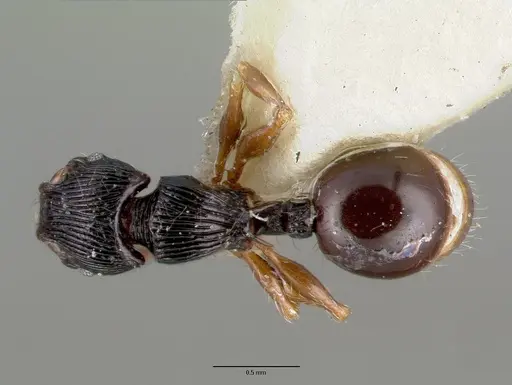
Literature
Loading distribution map...Loading products...