
Myrmecina bawai
- Sci. Name
- Myrmecina bawai
- Tribe
- Crematogastrini
- Subfamily
- Myrmicinae
- Author
- Aswaj <i>et al.</i>, 2021
- Distribution
- Found in 0 countries
Introduction
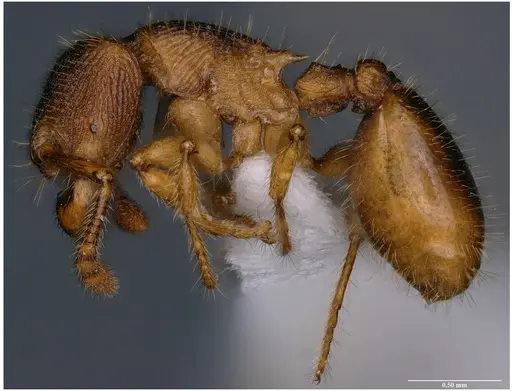
Myrmecina bawai is a tiny ant species recently described from the Eastern Himalayas in India. Workers measure approximately 3.7-4.0mm in total length, making them one of the smaller ant species. They have a distinctive yellow body with a dark tinge and very small eyes. The species was formally described in 2021 and named in honor of Prof. Kamaljit S. Bawa, a renowned conservation biologist . This species lives in the high-altitude forests of Phawngpui National Park (also called Blue Mountain) in Mizoram, India, at approximately 1619m elevation. The area receives heavy rainfall (about 2500mm annually) and has dense forest cover with roughly 70% canopy. These ants are ground-dwelling inhabitants of shaded, humid forest floors .
Quick Summary
- Difficulty: Unknown, likely Moderate
- Origin & Habitat: Eastern Himalayas, India (Mizoram state), Phawngpui National Park at 1619m elevation. Lives in sub-tropical broadleaf and tropical evergreen forest with ~70% canopy cover, receiving ~2500mm annual rainfall [1].
- Colony Type: Colony structure is unconfirmed. Only two workers have been collected from the wild.
- Size & Growth:
- Antkeeping:
- Temperature: Keep around 20-24°C. The natural habitat ranges from 2-30°C annually, but they live in shaded forest understory where conditions are more stable. Room temperature (around 22°C) is likely suitable.
- Humidity: High humidity required. The type locality receives ~2500mm annual rainfall and has dense canopy cover creating a constantly damp environment. Keep the nest substrate consistently moist but not waterlogged. Mist the outworld occasionally.
- Diapause: Likely yes, the natural habitat experiences cold winters with temperatures near 2°C. Expect a winter rest period of 2-3 months at around 10-15°C.
- Nesting: Probably prefers naturalistic setups with moist substrate. In the wild they likely nest in soil or under debris on the forest floor. A test tube setup works for founding colonies, for established colonies, a plaster nest or naturalistic setup with damp soil works well.
- Behavior: These ants are very small and likely non-aggressive. They probably forage on the forest floor, potentially feeding on small invertebrates, honeydew, and decaying organic matter like most Myrmecina species. Their tiny size means they cannot sting humans, they are harmless to keepers. Escape prevention should be taken seriously due to their small size, fine mesh barriers are recommended. As Myrmicinae ants, they have a modified stinger used to smear venom onto enemies rather than pierce flesh.
- Common Issues: very small size makes escape prevention critical, use fine mesh and tight-fitting lids, high humidity requirements can lead to mold if ventilation is poor, limited data means care requirements are estimates based on genus, adjust based on colony behavior, small colony size means colonies are fragile and sensitive to disturbance, newly described species has no established husbandry guidelines in the hobby
Discovery and Naming
Myrmecina bawai was described in 2021,making it one of the newest ant species. It was discovered in Phawngpui National Park in Mizoram, India, a protected area centered around the Blue Mountain, which at 2157m is the highest peak in the region. The species was named to honor Prof. Kamaljit S. Bawa, founder president of ATREE (Ashoka Trust for Research in Ecology and the Environment), on the organization's 25th anniversary. Only two workers have ever been collected, both in pitfall traps set 200 meters apart [1].
Natural Habitat and Climate
This species comes from a high-altitude, humid forest environment in the Eastern Himalayas. The Phawngpui National Park covers about 50 square kilometers of sub-tropical broadleaf and tropical evergreen forest at elevations around 1600m. Annual rainfall approaches 2500mm. Temperature ranges from 2°C in winter to 30°C in summer, but these ants live under dense canopy where conditions are more stable and humid year-round. The type locality is described as a shaded region with about 70% canopy cover. For keeping success, replicate these damp, shaded forest floor conditions, think consistently moist substrate, minimal direct light, and stable temperatures in the low 20s Celsius [1].
Appearance and Identification
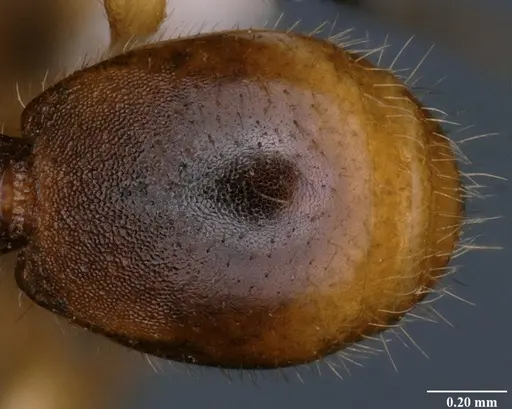
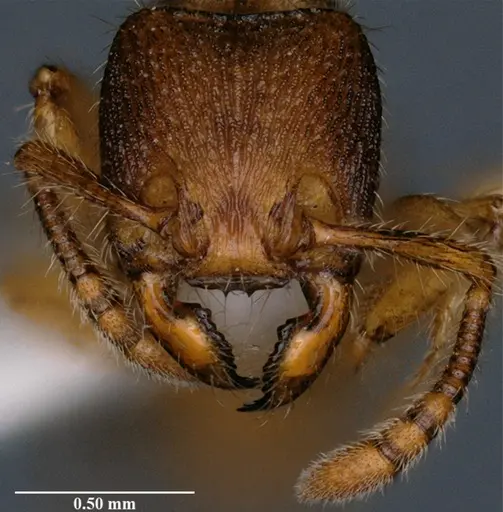
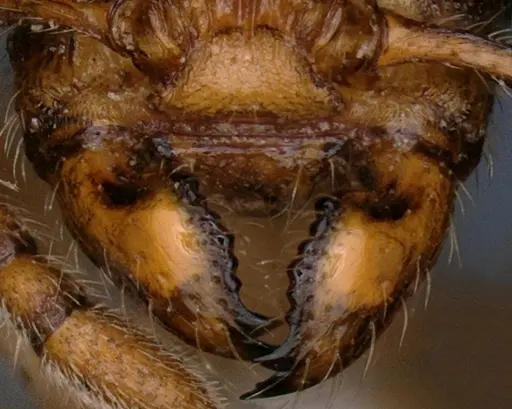
Workers are tiny at approximately 3.7-4.0mm total length. Their body is yellow with a dark tinge, giving them a somewhat amber appearance. The most distinctive features are their very small eyes (only 0.04-0.05mm, barely visible), rough wrinkled texture on the head and mesosoma, and two small denticles on the propodeum. They have 12-segmented antennae with a 3-segmented club. Their body is covered in abundant long erect hairs. Compared to the similar Myrmecina taiwana, M. bawai is larger, has distinct rugae with dense punctures between them, and has a textured gaster rather than a smooth one [1].
Housing and Nesting
Since this is a newly described species with no established husbandry history, adapt based on what is known about the genus. Myrmecina ants are typically ground-dwellers that nest in soil or under debris on forest floors. For founding colonies, a standard test tube setup works well, keep the water reservoir moderate to avoid flooding, and wrap the tube in darkness to simulate the shaded forest floor environment they naturally prefer. For established colonies, consider a plaster nest or naturalistic setup with damp soil. Whatever you choose, maintain high humidity and avoid letting the substrate dry out. These tiny ants need tight escape prevention, even small gaps that seem insignificant can allow escape.
Feeding and Diet
The specific diet of Myrmecina bawai has not been studied, but Myrmecina genus members are typically omnivorous, feeding on small invertebrates, honeydew from aphids, and decaying organic matter. For your colony, offer a varied diet: sugar water or honey occasionally, small live prey like fruit flies or springtails, and protein sources like small mealworms or cricket pieces. Feed small amounts, these tiny ants do not need much. Remove uneaten food to prevent mold in the humid environment they require.
Temperature and Seasonal Care
The natural habitat experiences significant seasonal temperature variation (2-30°C annually), but these ants live under dense canopy where conditions are more moderate. Aim for stable temperatures around 20-24°C, room temperature is likely suitable for most keepers. A very gentle temperature gradient allows the colony to choose their preferred spot. For winter, expect a diapause period. In their natural habitat, winter temperatures drop significantly, so reduce temperatures to around 10-15°C for 2-3 months during winter to simulate their natural cycle. This rest period is important for colony health long-term [1].
Frequently Asked Questions
How long does it take for Myrmecina bawai to produce first workers?
The egg-to-worker timeline is unconfirmed for this species. Be patient, small colonies grow slowly and there is no specific data for this newly described species.
What size colony does Myrmecina bawai reach?
Colony size is unknown. The only specimens collected in the wild were just two workers, suggesting scattered, small colonies rather than large colonies.
Do Myrmecina bawai ants sting?
No, these ants are far too small to sting humans. At just 3-4mm, their stingers cannot penetrate human skin. They are completely harmless to keepers.
Can I keep multiple queens together?
The colony structure of this species is unconfirmed. There is no documented evidence for multi-queen colonies or pleometrosis. Until more is known, it is not recommended to combine unrelated queens.
What temperature should I keep Myrmecina bawai at?
Keep them around 20-24°C. Room temperature (approximately 22°C) is likely suitable. The natural habitat ranges from 2-30°C annually, but they live under dense canopy in more stable conditions. Avoid temperature extremes.
Do Myrmecina bawai need hibernation?
Yes, they likely require a winter rest period. The natural habitat experiences cold winters with temperatures near 2°C. Reduce temperatures to around 10-15°C for 2-3 months during winter to simulate their natural cycle.
How often should I feed Myrmecina bawai?
Feed small amounts 2-3 times per week. Offer a mix of sugar sources (honey or sugar water) and protein (small live prey like fruit flies or springtails). Remove uneaten food promptly to prevent mold in their humid environment.
What is the best nest type for Myrmecina bawai?
For founding colonies, a test tube setup works well. For established colonies, a plaster nest or naturalistic setup with consistently moist substrate is recommended. The key is maintaining high humidity without letting the nest become waterlogged.
Are Myrmecina bawai good for beginners?
This species is not recommended for beginners. It was only described in 2021 and has no established husbandry history in the ant-keeping hobby. Care requirements are estimates based on genus-level data rather than species-specific experience.
Why are my Myrmecina bawai escaping?
Their tiny size makes them excellent escape artists. Use fine mesh barriers, ensure all lids fit tightly, and consider applying fluon or similar barriers to the rim of the outworld. Even tiny gaps that would not concern you with larger ants can allow escape.
Report an Issue
The current care sheet is based fully on literature. See inconsistencies, or something that's incorrect? Please , it will be resolved after review from an admin. Contributing to the blogs tab also helps providing information, to make us be able to further improve the caresheets. Thank you for your support!
References

This caresheet is licensed under CC BY-SA 4.0 .
Community Blogs
NBAIRHYM-FOR9421
View on AntWeb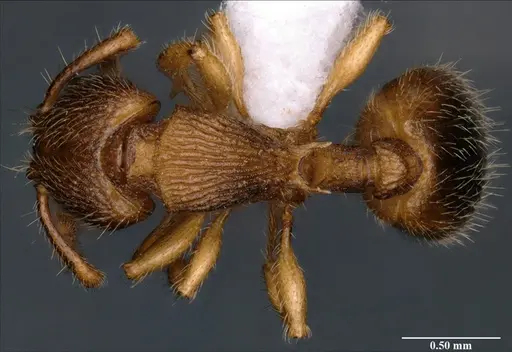
Literature
Loading distribution map...Loading products...