Myrmecia urens shows a April to October flight window. Peak activity occurs in October, with nuptial flights distributed across 5 months.
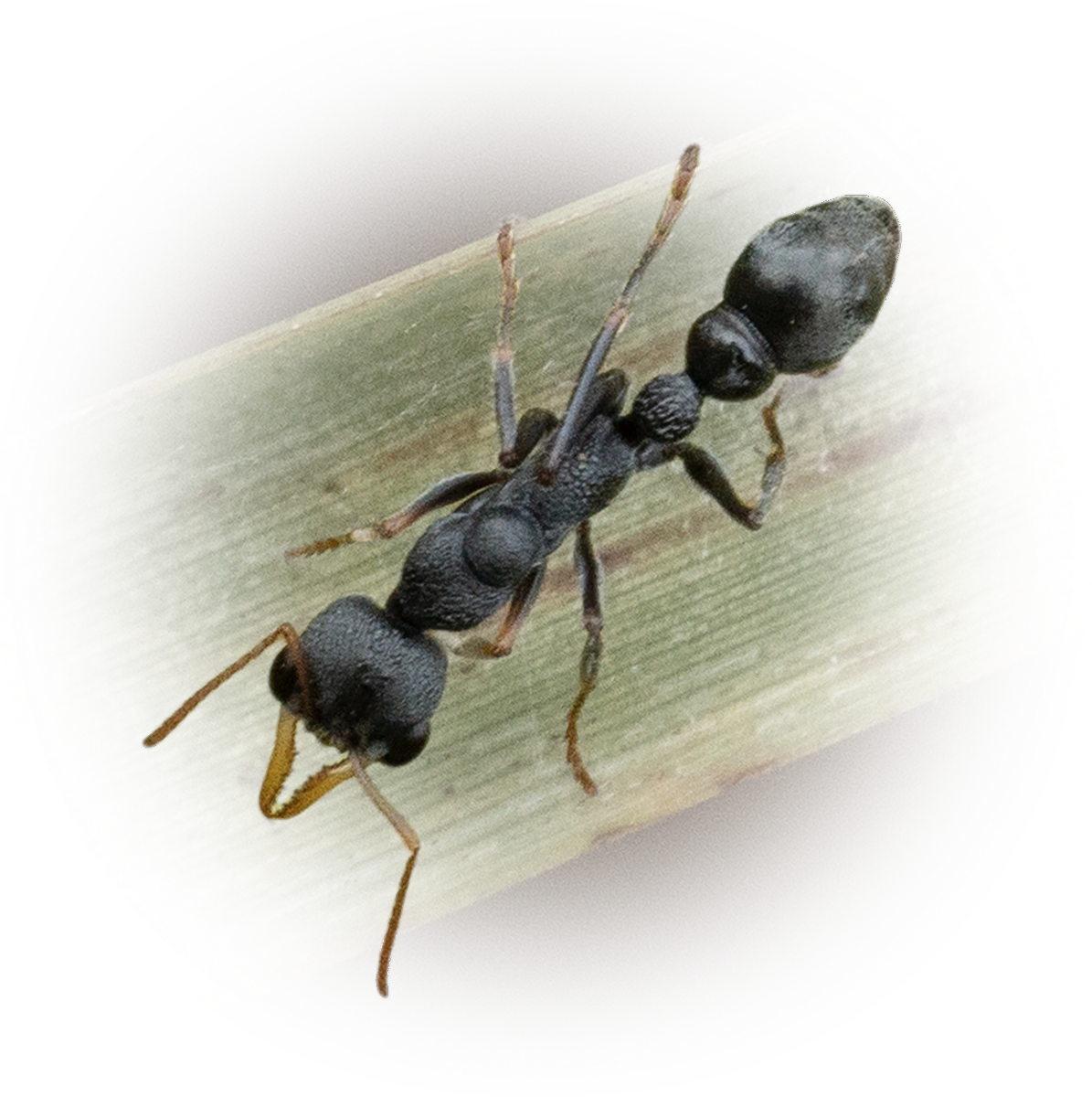
baby bull ant
Myrmecia urens
- Sci. Name
- Myrmecia urens
- Tribe
- Myrmeciini
- Subfamily
- Myrmeciinae
- Author
- Lowne, 1865
- Common Name
- baby bull ant
- Distribution
- Found in 1 countries
- Nuptial Flight
- From April to October
- Peak flight Time
- 11:00
AI Identifiable
try →
Introduction
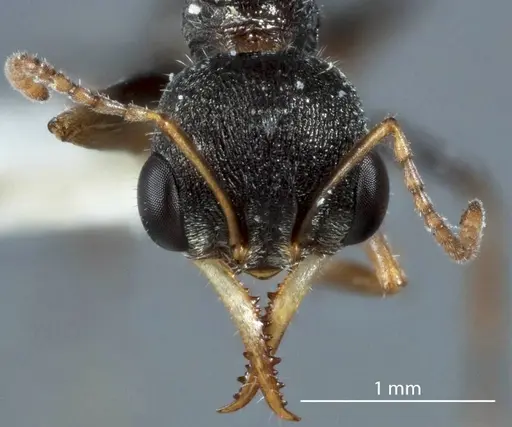
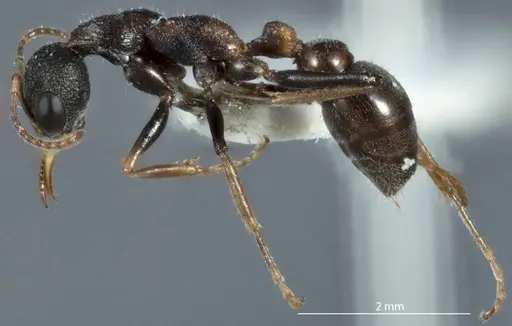
Myrmecia urens is the smallest species in the Myrmecia genus, commonly known as a bulldog ant. It is native to Australia, specifically in New South Wales around the Sydney region . Size data is unavailable, but it is inferred to be small based on being the smallest Myrmecia . This species has powerful mandibles, large eyes, and a potent sting typical of bulldog ants. What makes M. urens unique is that males pollinate the orchid Leporella fimbriata through pseudocopulation, transferring pollinia between flowers . Additionally, they have reduced or absent metapleural glands, which is unusual for ants .
Quick Summary
- Difficulty: Medium
- Origin & Habitat: Australia (New South Wales, Sydney region) [1].
- Colony Type: Unconfirmed, no specific data on queen number or social structure.
- Size & Growth:
- Queen: Size data unavailable, inferred from Myrmecia genus patterns.
- Worker: Size data unavailable, inferred to be small based on being the smallest Myrmecia [2].
- Colony: Unknown.
- Growth: Moderate, estimated from related Myrmecia species.
- Development: Estimated 8-12 weeks at optimal temperature, inferred from Myrmecia patterns. (Specific development data for M. urens is not available.)
- Antkeeping:
- Temperature: Keep at 22-26°C, inferred from temperate to subtropical range [1].
- Humidity: Provide a humidity gradient, mostly dry nest chamber with one small moist area, as they prefer drier conditions [1].
- Diapause: Unknown, no specific data on diapause requirements.
- Nesting: Use dry to moderately humid nests like Y-tong (AAC) or soil nests, preferred conditions inferred from genus patterns.
- Behavior: Active and aggressive foragers with a powerful sting. Workers hunt individually and are daytime active. Escape risk is high due to small size, ensure tight barriers [2].
- Common Issues: small size makes escape prevention critical, use fine mesh and tight-fitting lids., powerful sting can cause painful reactions, handle with caution., reduced metapleural gland may affect disease resistance [5].
Nuptial Flight Activity Analysis 91 observations
Flight Activity by Hour 91 observations
Myrmecia urens nuptial flight activity peaks around 11:00 during the late morning to early afternoon. Activity is spread across a 16-hour window (01:00–16:00). Times may be influenced by human observation patterns.
Housing and Nest Setup
Myrmecia urens is small, so use a Y-tong (AAC) nest with appropriately sized chambers. For founding colonies, a test tube setup works. For established colonies, provide a formicarium with multiple connected chambers. They prefer drier conditions, so avoid overly humid setups. The outworld should have space for hunting, and use a deep escape prevention barrier due to their climbing ability [2].
Feeding and Diet
Like other Myrmecia, M. urens is predatory and needs protein-rich food. Offer small live insects like fruit flies or mealworms, and sugar sources like honey water. Feed protein 2-3 times per week for established colonies. Remove uneaten prey after 24 hours to prevent mold. Queens in founding stage do not need to forage, they survive on stored fat reserves.
Temperature and Seasonal Care
Keep your colony at 22-26°C. Room temperature often works well. Provide a heat cable on one side to create a gradient if needed. During winter, a slight cool-down to 15-18°C for 2-3 months may benefit the colony, but strict diapause is not required based on similar species.
Handling and Safety
Myrmecia urens can deliver a painful sting despite their small size. These ants are defensive and will sting if threatened. Use caution when working with the colony, never handle them with bare hands. Use gentle blowing or soft brushes to move them. Keep the colony away from children and pets.
Unique Biology
Males pollinate the orchid Leporella fimbriata through pseudocopulation, carrying pollinia to the next flower [3][4]. Additionally, M. urens has reduced or absent metapleural glands, which in most ants produce antibiotic secretions [5][6]. This may mean they rely on other defenses or are more susceptible to diseases in captivity. Keep their setup clean.
Frequently Asked Questions
How long does it take for Myrmecia urens to produce first workers?
Estimated 8-12 weeks from egg to first worker at optimal temperature (22-26°C), inferred from Myrmecia patterns [2].
Can I keep multiple Myrmecia urens queens together?
Not recommended, as no data supports multi-queen colonies for this species. Myrmecia are typically single-queen, but this is unconfirmed for M. urens.
Do Myrmecia urens ants sting?
Yes, they can sting and it is painful. Handle with extreme caution due to their defensive nature.
What do Myrmecia urens eat?
They are predatory and need live protein like fruit flies or mealworms, plus sugar sources like honey water.
Are Myrmecia urens good for beginners?
Medium difficulty. Their small size, sting, and escape risk make them better suited for keepers with some experience.
How big do Myrmecia urens colonies get?
Unknown specifically, but likely smaller than other Myrmecia species given they are the smallest [2].
Do Myrmecia urens need hibernation?
Unknown, no specific data on diapause requirements. A slight winter cool-down may be beneficial based on similar species.
Why are my Myrmecia urens dying?
Common causes include too high humidity (they prefer drier conditions), poor escape prevention, insufficient protein, or stress from disturbance.
When should I move Myrmecia urens to a formicarium?
Move from test tube to formicarium when the colony is cramped, but no specific worker count is known. They prefer tighter chambers.
When is the nuptial flight of Myrmecia urens?
The nuptial flight of Myrmecia urens typically occurs From April to October.
What time of day does Myrmecia urens fly?
The nuptial flight of Myrmecia urens peaks around 11:00 during the late morning to early afternoon, with most activity between 01:00 and 16:00. Times may be influenced by human observation patterns.
Report an Issue
The current care sheet is based fully on literature. See inconsistencies, or something that's incorrect? Please , it will be resolved after review from an admin. Contributing to the blogs tab also helps providing information, to make us be able to further improve the caresheets. Thank you for your support!
References

This caresheet is licensed under CC BY-SA 4.0 .
Community Blogs
ANTWEB1041176
View on AntWeb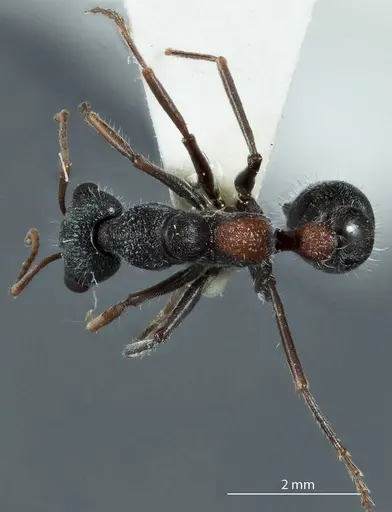
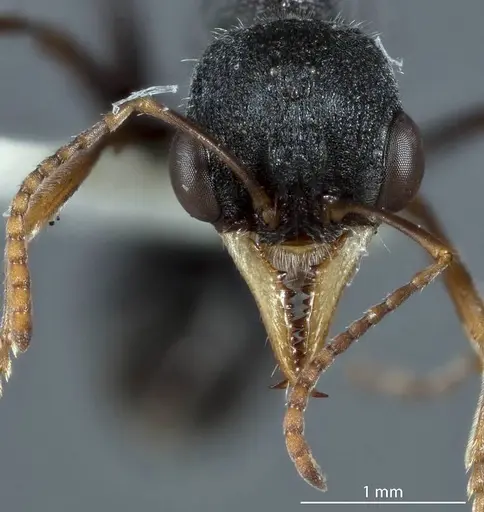
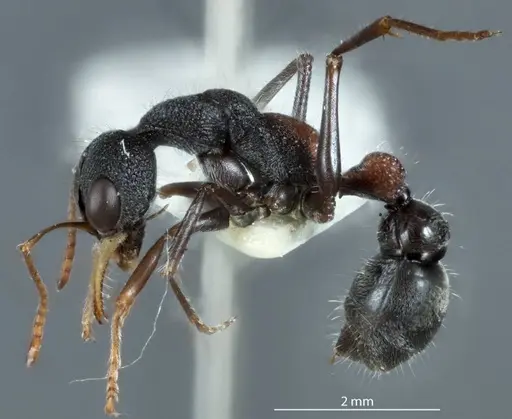
JDM32-002547
View on AntWeb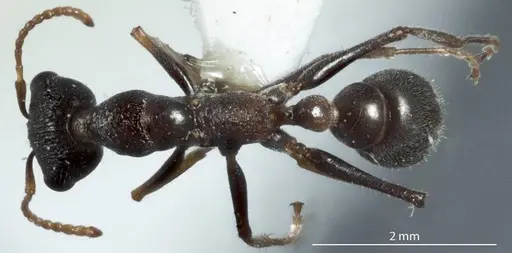
Literature
Loading distribution map...Loading products...