
Myrmecia rowlandi
- Sci. Name
- Myrmecia rowlandi
- Tribe
- Myrmeciini
- Subfamily
- Myrmeciinae
- Author
- Forel, 1910
- Distribution
- Found in 1 countries
Introduction
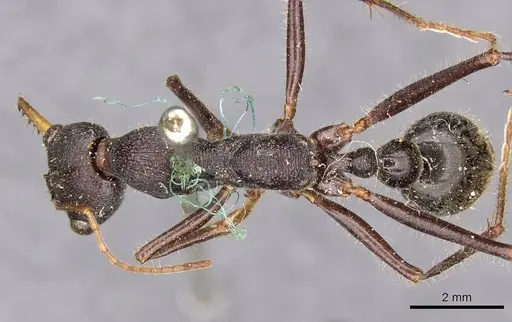
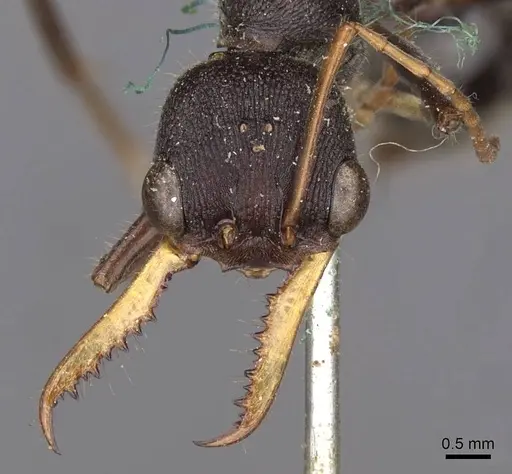
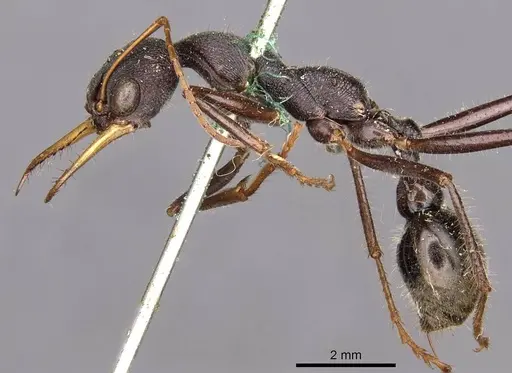
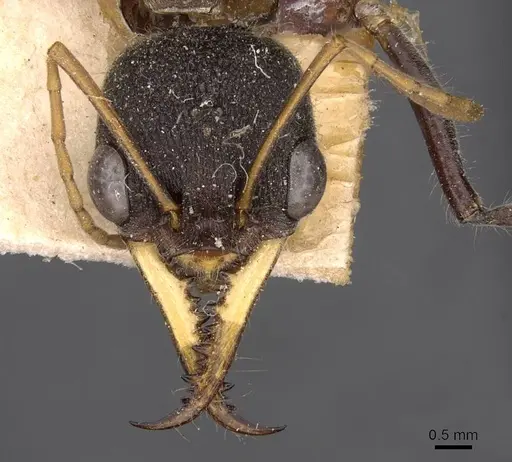
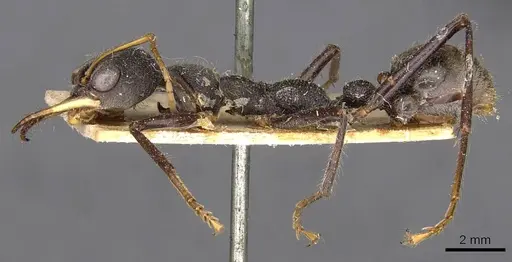
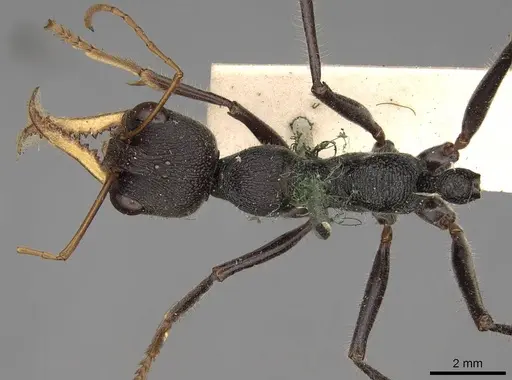
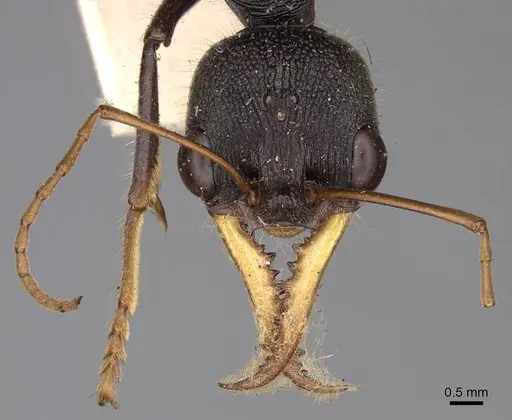
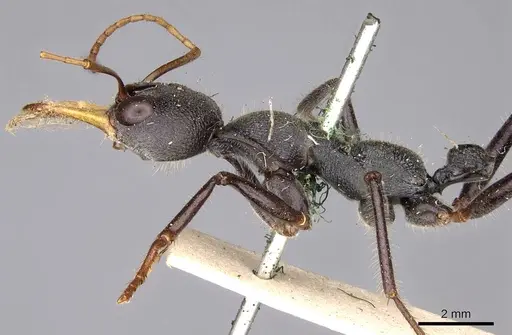
Myrmecia rowlandi is a large bulldog ant native to northern Queensland, Australia. Workers are robust with powerful mandibles and a potent sting - these ants are not for beginners. They belong to the gulosa species group, which includes some of the larger Myrmecia species . The species was originally described by Forel in 1910,with Myrmecia cordata and Myrmecia cardigaster later being recognized as synonyms. Queens are significantly larger than workers. These ants are found in tropical and subtropical regions of northern Queensland around Kuranda, Cairns, and Malanda .
Quick Summary
- Difficulty: Medium
- Origin & Habitat: Northern Queensland, Australia, tropical and subtropical regions around Kuranda, Cairns, and Malanda. They inhabit forest edges and open woodland areas where they nest in soil or under stones [2].
- Colony Type: Unconfirmed, colony structure data is unavailable for this species.
- Size & Growth:
- Queen: Size data unavailable, inferred from Myrmecia genus as large (~20-25 mm)
- Worker: Size data unavailable, inferred from Myrmecia genus as large (~15-20 mm)
- Colony: Colony size data unavailable
- Growth: Growth rate data unavailable
- Development: Development timeline unconfirmed (Development is temperature-dependent. First workers (nanitics) are typically smaller than mature workers.)
- Antkeeping:
- Temperature: Keep at 24-28°C. As a tropical Queensland species, they need warm conditions. A heating cable on one side of the nest creates a gradient allowing workers to regulate their temperature.
- Humidity: Moderate humidity around 50-60%. Queensland has humid subtropical to tropical conditions, so aim for substrate that is lightly moist but not waterlogged. Provide a water tube for drinking.
- Diapause: No, being from tropical Queensland, they do not require hibernation. Keep them warm year-round.
- Nesting: Y-tong (AAC) nests work well for these large ants. They can also be kept in naturalistic setups with soil and appropriate nesting sites. Provide a formicarium with chambers scaled to their size.
- Behavior: Myrmecia rowlandi is aggressive and will readily defend its nest. Workers are active foragers that hunt insects and other prey. They have excellent vision and will investigate threats aggressively. Their sting is potent, these ants can deliver painful stings and should be handled with extreme caution. Escape prevention is important, they can climb smooth surfaces despite their size.
- Common Issues: potent sting, handle with extreme care, wear gloves, and never handle without proper technique, colonies may grow slowly, beginners may lose patience during the founding phase, wild-caught colonies may have parasites that can devastate captive colonies, queen can die during founding if disturbed or if conditions are suboptimal, overheating is a risk, direct heat or temperatures above 30°C can be fatal
Housing and Nest Setup
Myrmecia rowlandi does well in Y-tong (AAC) formicariums which provide good visibility and easy maintenance. These large ants need appropriately sized chambers, too small and they may feel cramped, too large and they may not use the space effectively. A naturalistic setup with a soil chamber also works well and allows for more natural behaviors. Provide a water tube connected to the nest, Myrmecia will drink from the water reservoir. Outworld space should be adequate for foraging, with a foraging arena where you can offer prey and sugar water. Escape prevention should include a barrier like fluon on the rim of the outworld. [2]
Feeding and Diet
Myrmecia rowlandi is a predatory ant that hunts insects and other small invertebrates. In captivity, offer live insects such as crickets, mealworms, and roaches. Prey should be appropriately sized, roughly half the worker size or smaller. They will also accept sugar water or honey as an energy source, though protein from insects is essential for brood development. Feed workers 2-3 times per week, offering enough prey that it gets consumed within a day or two. Remove uneaten prey to prevent mold. A constant supply of sugar water or honey is recommended, changed every few days. [2]
Temperature and Heating
Being from tropical Queensland, Myrmecia rowlandi requires warm temperatures. Keep the nest area at 24-28°C. A heating cable placed on top of the nest (never underneath where it can dry out the substrate) creates a gentle thermal gradient. Room temperature may be sufficient if your home stays in the low-mid 20s°C range. Monitor with a thermometer, temperatures below 20°C can slow development significantly, while anything above 30°C risks killing the colony. Stable warmth is key, avoid drafts and temperature fluctuations. [2]
Handling and Safety
Myrmecia rowlandi has a potent sting and aggressive temperament. These ants should only be kept by experienced antkeepers comfortable with aggressive species. Never handle them with bare hands, use soft tools like paintbrushes for colony maintenance. If you must move them, wear thick gloves and work carefully. Their excellent vision means they will detect movement and respond defensively. Keep the colony away from areas where accidental contact could occur. The sting pain level is significant, seek medical attention if allergic reactions occur. [2]
Colony Development
A newly mated queen will dig a chamber and seal herself in, this is typical claustral founding behavior for Myrmecia. She lays eggs and feeds the larvae from her stored fat reserves and broken-down wing muscles. The first brood develops through the typical ant lifecycle: egg to larva to pupa to worker. This process takes several months. The first workers, called nanitics, are smaller than mature workers but will immediately begin foraging to feed the colony. Expect 6-12 months to reach a colony size where the colony feels established. Patience is essential during the founding phase when the colony is most vulnerable. [2]
Frequently Asked Questions
How long does it take for Myrmecia rowlandi to produce first workers?
Exact development timeline is unconfirmed for this species. Expect several months at optimal warm temperatures (24-28°C). Cooler conditions will slow development significantly.
Do Myrmecia rowlandi ants sting?
Yes, they have a potent sting. These ants are aggressive and will defend themselves vigorously. Handle with extreme caution and never without proper protection.
Can I keep Myrmecia rowlandi in a test tube?
Test tubes are not suitable for long-term housing of these large ants. Use a Y-tong formicarium or naturalistic setup with appropriately sized chambers.
What do Myrmecia rowlandi eat?
They are predators that hunt insects. Offer live crickets, mealworms, roaches, and other appropriately sized invertebrates. They also accept sugar water or honey.
Do Myrmecia rowlandi need hibernation?
No, being from tropical Queensland, they do not require hibernation. Keep them warm year-round at 24-28°C.
Are Myrmecia rowlandi good for beginners?
No, they are not recommended for beginners. Their aggressive temperament and potent sting make them suitable only for experienced antkeepers.
How big do Myrmecia rowlandi colonies get?
Colony size data is unavailable for this species. Based on typical Myrmecia species, colonies may reach several hundred to a few thousand workers over several years.
Can I keep multiple Myrmecia rowlandi queens together?
Colony type is unconfirmed for this species. Multiple queens may fight. Only keep one queen per colony unless you observe peaceful cohabitation.
What temperature do Myrmecia rowlandi need?
Keep them at 24-28°C. As a tropical species from Queensland, they need warm conditions year-round.
Why is my Myrmecia rowlandi colony dying?
Common causes include: temperatures too low or too high, improper humidity, parasites from wild-caught colonies, disturbance during founding, or insufficient protein in diet. Review each parameter and ensure conditions match their tropical requirements.
Report an Issue
The current care sheet is based fully on literature. See inconsistencies, or something that's incorrect? Please , it will be resolved after review from an admin. Contributing to the blogs tab also helps providing information, to make us be able to further improve the caresheets. Thank you for your support!
References

This caresheet is licensed under CC BY-SA 4.0 .
Community Blogs
Literature
Loading distribution map...Loading products...