Myrmecia pilosula exhibits a clear seasonal flight window. Peak flight activity is concentrated in March, with the overall period spanning February to April.
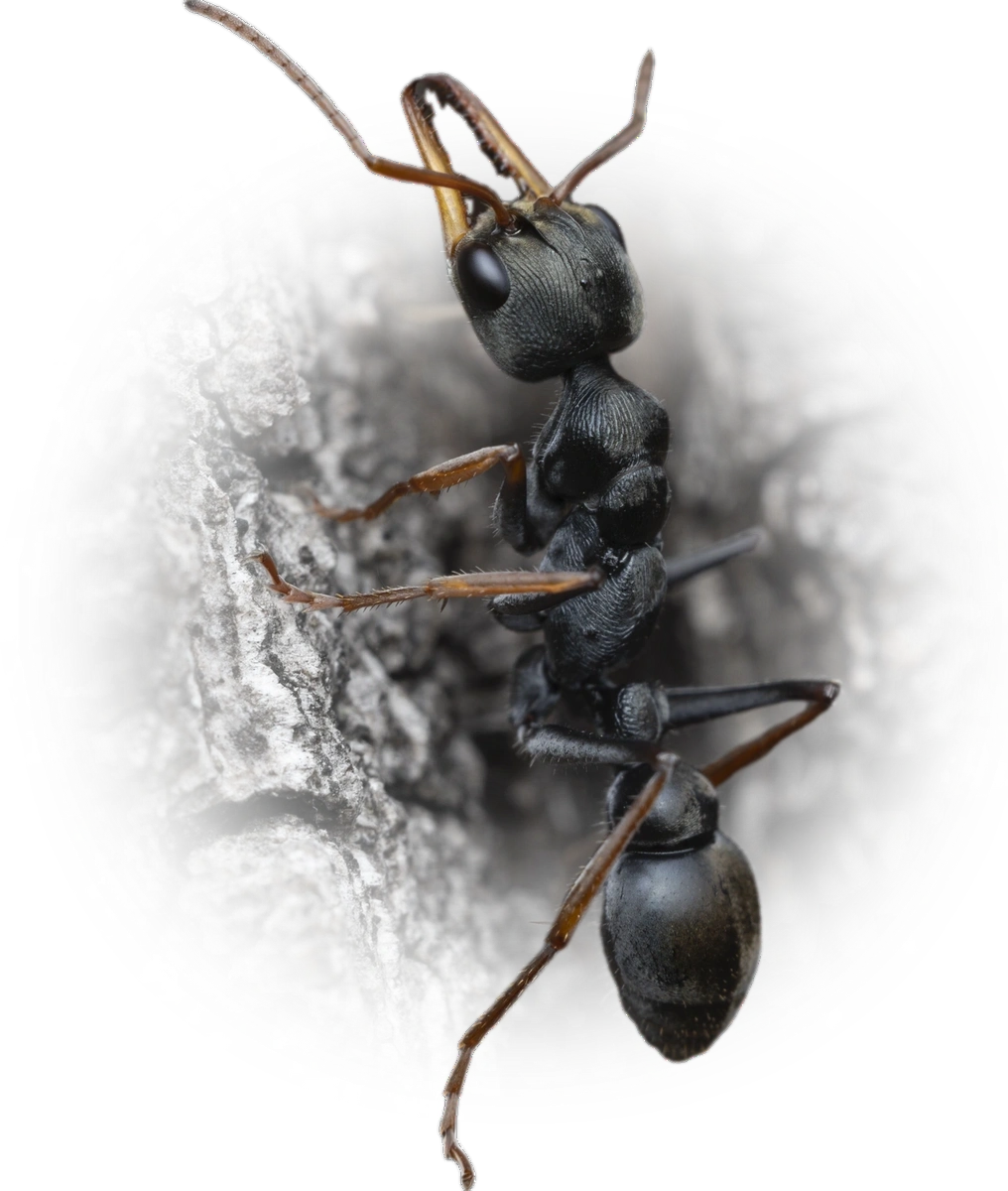
Jack Jumper Ant
Myrmecia pilosula
- Sci. Name
- Myrmecia pilosula
- Tribe
- Myrmeciini
- Subfamily
- Myrmeciinae
- Author
- Smith, 1858
- Common Name
- Jack Jumper Ant
- Distribution
- Found in 1 countries
- Nuptial Flight
- From February to April
- Peak flight Time
- 11:00
AI Identifiable
try →
Introduction
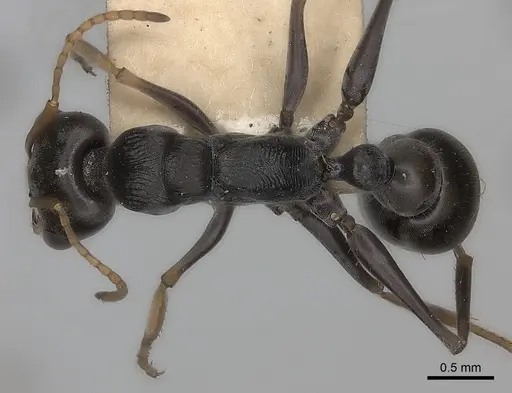
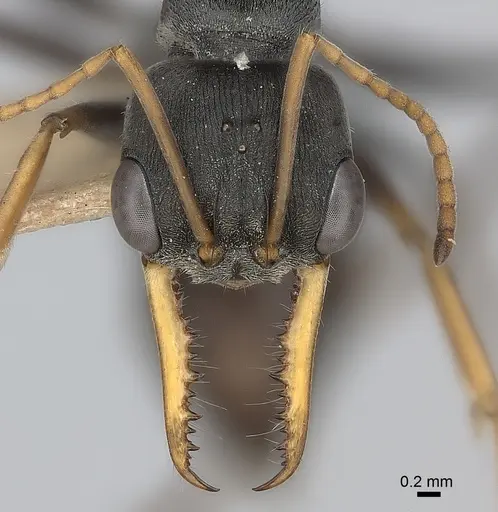
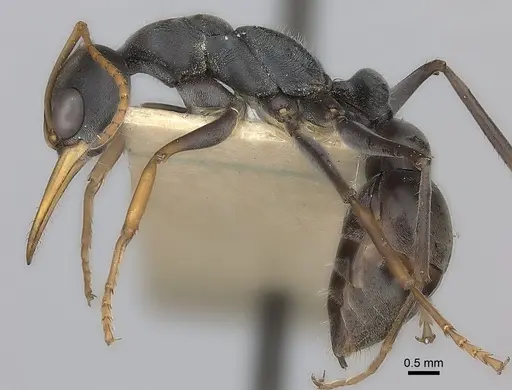
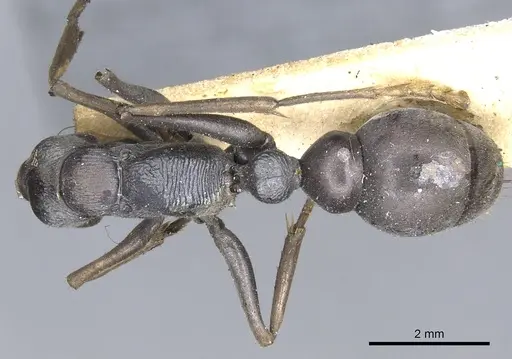
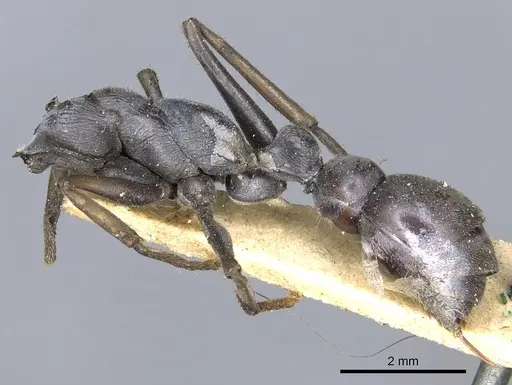
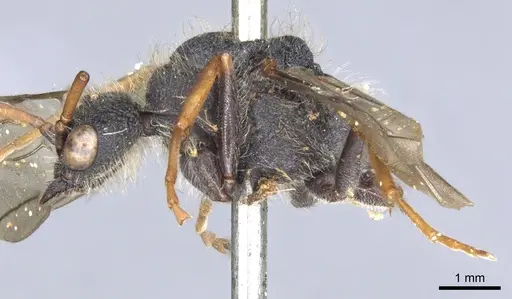
The Jack Jumper Ant is a large, aggressive bulldog ant native to southeastern Australia, famous for its distinctive jumping motion when disturbed. Workers measure 10-14mm in total length with a dark brown to black body and bright reddish-orange tibiae and tarsi on the legs . This species is part of a complex of seven closely related species that are nearly identical in appearance but can be distinguished by chromosomal differences . Found throughout southeastern Australia including Tasmania, Victoria, NSW, ACT, and South Australia, they inhabit sclerophyll forests from sea level to high elevations in the Snowy Mountains . The species is notorious for its painful sting, ranking 2 on the Schmidt pain scale, and is the major cause of ant sting anaphylaxis in Tasmania with potentially fatal consequences for allergic individuals .
Quick Summary
- Difficulty: Medium
- Origin & Habitat: Southeastern Australia including Tasmania, Victoria, NSW, ACT, and South Australia. Inhabits sclerophyll forest communities from sea level to over 1000m elevation in Tasmania and up to 2228m in the Snowy Mountains [1][4].
- Colony Type: Colony structure may include multiple queens (polygynous). Research on related Myrmecia species shows co-occurrence of polydomy, polygyny and polyandry, with queens being lowly related within colonies [5].
- Size & Growth:
- Queen: ~14-16mm, inferred from Myrmecia genus patterns
- Worker: 10.31-13.97mm for Western Race (total length) [1]
- Colony: Colony size data not specifically documented for this species
- Growth: Moderate
- Development: Development time not directly studied for this species (Based on typical Myrmecia genus patterns, expect several months from egg to first worker at optimal temperature)
- Antkeeping:
- Temperature: Keep at 22-26°C with a gentle gradient. They inhabit temperate regions so room temperature in most homes is suitable.
- Humidity: Moderate humidity around 50-60%. Provide a water source and occasional misting but avoid waterlogged conditions.
- Diapause: Yes, as a temperate species from Tasmania and high-elevation regions, they require a winter rest period of 2-3 months at 10-15°C [1].
- Nesting: Natural nests are in soil under stones or in rotting wood in sclerophyll forest. In captivity, a Y-tong (AAC) nest or naturalistic setup with soil and flat stones works well. Provide a foraging area with direct access to the nest.
- Behavior: Extremely aggressive with a potent sting. Workers are active foragers, hunting as specialist predators [6]. They are known for their jumping motion when disturbed or hunting. Escape risk is moderate, their large size makes them easier to contain than tiny ants, but they are strong climbers. They will readily attack threats and should be handled with extreme caution. The sting causes severe pain and can trigger anaphylactic reactions in allergic individuals, this is a serious health hazard [3][2].
- Common Issues: sting hazard, these ants have a potent sting that can cause fatal anaphylaxis in allergic individuals, keep epinephrine accessible if you're allergic, aggressive temperament, colonies defend vigorously and will attack any perceived threat, use caution during feeding and nest maintenance, escape prevention, despite their size, they are strong climbers, ensure enclosures have secure, tight-fitting lids, winter dormancy, colonies may fail if not given proper hibernation conditions in temperate climates, gregarine parasites can infect colonies, causing discoloration of workers [10]
Nuptial Flight Activity Analysis 167 observations
Flight Activity by Hour 167 observations
Myrmecia pilosula nuptial flight activity peaks around 11:00 during the late morning to early afternoon. Activity is spread across a 10-hour window (08:00–17:00). A secondary activity peak occurs around 13:00. Times may be influenced by human observation patterns.
Housing and Nest Setup
Myrmecia pilosula is a large ant that needs spacious housing. A Y-tong (AAC) nest works well for colonies, or you can use a naturalistic setup with a soil chamber and a separate foraging area. Because they are aggressive and have a potent sting, many keepers prefer using formicariums with good visibility for monitoring. The nest should have chambers large enough for the colony to move freely. Provide a water source, a shallow dish with cotton or a test tube water reservoir works well. For the foraging area, give them enough space to hunt and explore. Use tight-fitting lids as these ants are strong climbers despite their size. [1][6]
Feeding and Diet
Jack Jumpers are specialist predators in the wild, hunting small insects [6]. In captivity, feed them a diet of live insects including crickets, mealworms, and small roaches. They prefer smaller prey like fruit flies, which aligns with research showing their venom favors predation of smaller fly species [7]. Offer protein foods 2-3 times per week. They will also accept sugar water or honey as an energy source. Fresh water should always be available. Remove uneaten prey after 24 hours to prevent mold.
Temperature and Seasonal Care
Keep your colony at 22-26°C, room temperature is often suitable since they come from temperate Australia. Provide a temperature gradient so ants can choose their preferred spot. During winter, they require a dormancy period of 2-3 months at 10-15°C, mimicking their natural habitat in Tasmania and high-elevation regions where temperatures drop significantly [1]. Reduce feeding during this period and keep the nest slightly cooler but above freezing. This hibernation is essential for colony health and reproductive success.
Safety and Sting Management
This is the most critical section for anyone keeping Myrmecia pilosula. These ants have an extremely painful sting that ranks 2 on the Schmidt pain scale, and their venom is the major cause of ant sting anaphylaxis in Australia [3][2]. The venom contains pilosulins, peptides that can cause severe allergic reactions, and in some cases death [8]. If you have any known insect venom allergies, do not keep this species. Always wear protective gear when working with the colony, keep epinephrine auto-injectors accessible, and work in a well-ventilated area. Never handle them with bare hands. The sting is particularly dangerous because these ants are aggressive and will attack repeatedly when the colony is disturbed.
Colony Dynamics and Growth
Myrmecia pilosula is part of a species complex of seven closely related species that can only be distinguished by chromosomal differences [2]. Colonies can have multiple queens (polygynous) with queens being lowly related to each other [5]. The species shows remarkable chromosomal diversity, the widest range of any ant species studied, with chromosome numbers ranging from 2N=18 to 2N=32 [9]. This genetic complexity means wild-caught colonies may contain different cryptic species. Growth is moderate. Queens can live for many years, and colonies can persist for decades in the wild.
Common Problems
The primary concerns with this species are sting-related injuries and colony management. Gregarine parasites can infect colonies, causing workers to develop brown instead of black coloration, if you notice this, the colony may be compromised [10]. Colonies that aren't given proper winter dormancy may become stressed and fail to produce reproductive castes. Overfeeding can lead to mold issues in the nest. Because they are aggressive, introducing new nestmates or merging colonies often results in fighting. Wild-caught colonies may contain multiple cryptic species that were historically confused under this name [1].
Frequently Asked Questions
Are Myrmecia pilosula good for beginners?
No. This species is not recommended for beginners due to their aggressive temperament and dangerous sting. They require experienced handling and proper safety equipment. Only experienced antkeepers who understand sting risks should attempt to keep this species.
How long does it take for Myrmecia pilosula to develop from egg to worker?
Development time has not been specifically studied for this species. Based on typical Myrmecia genus patterns, expect several months from egg to first worker at optimal temperature (around 24°C).
Do Myrmecia pilosula need hibernation?
Yes. As a temperate species from Tasmania and high-elevation regions of southeastern Australia, they require a winter dormancy period of 2-3 months at 10-15°C. This is essential for colony health.
Can I keep multiple queens together in a Myrmecia pilosula colony?
Yes, this species can form polygynous (multiple queen) colonies. Queens within colonies are typically lowly related. However, introducing unrelated queens to an established colony will likely result in fighting.
What do Myrmecia pilosula eat?
They are specialist predators. Feed them live insects like crickets, mealworms, and small fruit flies. They will also accept sugar water or honey for energy. Protein should be offered 2-3 times per week.
How big do Myrmecia pilosula colonies get?
Colony size is not specifically documented for this species. Based on typical Myrmecia genus patterns, colonies can reach several hundred workers over several years.
When should I move Myrmecia pilosula to a formicarium?
Move them when the colony reaches around 20-30 workers and the test tube setup becomes cramped. They do well in Y-tong (AAC) nests or naturalistic setups with soil chambers.
Are Myrmecia pilosula invasive anywhere?
No, they are native to Australia and not considered invasive. They are found only in southeastern Australia including Tasmania, Victoria, NSW, ACT, and South Australia.
Why are my Myrmecia pilosula workers turning brown?
Brown or discolored workers may indicate a gregarine parasite infection. This protozoan pathogen causes discoloration of adult ants. Infected colonies may decline and should be monitored closely.
When is the nuptial flight of Myrmecia pilosula?
The nuptial flight of Myrmecia pilosula typically occurs From February to April.
What time of day does Myrmecia pilosula fly?
The nuptial flight of Myrmecia pilosula peaks around 11:00 during the late morning to early afternoon, with most activity between 08:00 and 17:00. Times may be influenced by human observation patterns.
Report an Issue
The current care sheet is based fully on literature. See inconsistencies, or something that's incorrect? Please , it will be resolved after review from an admin. Contributing to the blogs tab also helps providing information, to make us be able to further improve the caresheets. Thank you for your support!
References

This caresheet is licensed under CC BY-SA 4.0 .
Community Blogs
Literature
Loading distribution map...Loading products...