
Myrmecia nobilis
- Sci. Name
- Myrmecia nobilis
- Tribe
- Myrmeciini
- Subfamily
- Myrmeciinae
- Author
- Clark, 1943
- Distribution
- Found in 1 countries
Introduction
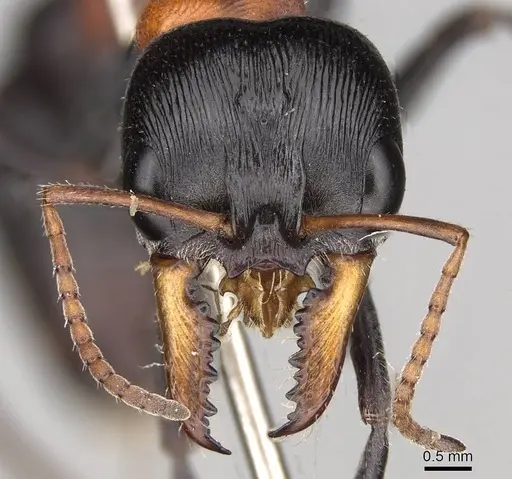
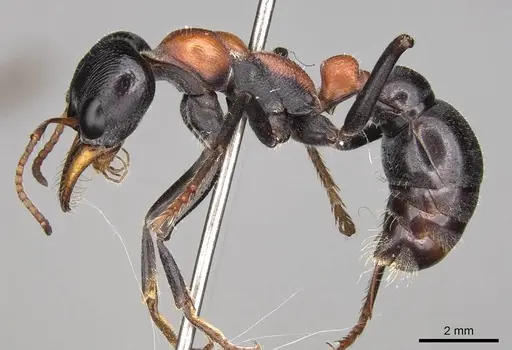
Myrmecia nobilis is a large bulldog ant native to eastern Australia. Workers measure 12-18mm with queens reaching 20-25mm, making them one of the larger ant species kept in captivity. They have powerful curved mandibles and a potent sting. Their coloration is reddish-brown to dark brown with a glossy appearance. These ants are diurnal foragers, active during daylight hours with excellent vision. In the wild, they nest in soil under rocks or in excavated chambers in forested areas .
Quick Summary
- Difficulty: Medium
- Origin & Habitat: Eastern Australia, particularly in forested regions and woodland areas. They nest in soil, typically under rocks or in natural ground cavities [1].
- Colony Type: Monogyne, colonies have a single queen. Queens are founding claustral, sealing themselves in a chamber to raise the first brood alone [1].
- Size & Growth:
- Queen: 20-25mm, large and robust with significant fat reserves [1]
- Worker: 12-18mm, variable depending on caste, major workers are larger [1]
- Colony: Up to several hundred workers in mature colonies [1]
- Growth: Moderate, Myrmecia species tend to grow more slowly than many tropical ants
- Development: Approximately 8-12 weeks at optimal temperature. This is typical for Myrmecia species which have longer development times than many ants [1] (Development is temperature-dependent, warmer conditions within safe ranges speed up development)
- Antkeeping:
- Temperature: Keep nest area at 24-28°C with a slight gradient. Room temperature around 22-24°C is often suitable. They tolerate warmer conditions better than cold, avoid temperatures below 18°C [1].
- Humidity: Moderate humidity around 50-60%. They prefer somewhat drier conditions compared to many ants. Ensure the nest substrate does not dry out completely but avoid waterlogging. A water tube for drinking is essential [1].
- Diapause: No true hibernation required. In captivity, they remain active year-round with stable temperatures. Some reduction in activity during winter months may occur naturally [1].
- Nesting: Y-tong (AAC) nests work well due to their large size. They can also be kept in naturalistic setups with soil and suitable ground space. Provide deep enough chambers for the queen to seal herself in during founding [1].
- Behavior: Myrmecia nobilis is among the more aggressive ant species kept in captivity. They have a powerful sting and will defend their nest vigorously. Workers are active foragers, hunting insects and collecting nectar. They have excellent vision and will investigate disturbances. Escape prevention is important, while not tiny, they are strong and determined. They do not spray formic acid but rely on their sting. Workers typically live several years, contributing to stable colony growth [1].
- Common Issues: stings are painful and can cause allergic reactions, handle with extreme caution and proper protection, slow growth can frustrate beginners, colonies take months to establish significant numbers, queen mortality during founding is common, claustral queens are sensitive to disturbance, they require live prey for optimal health, cannot survive on sugar alone, overheating is more dangerous than slight underheating, avoid temperatures above 32°C
Housing and Nest Setup
Myrmecia nobilis requires spacious housing due to their large size. Y-tong (AAC) nests work exceptionally well, providing clear visibility and appropriate chamber sizes. The chambers should be appropriately scaled for these substantial ants. A formicarium with a connected outworld allows workers to forage. The outworld should be escape-proof with high walls as these ants can climb smooth surfaces. Provide a water tube with cotton wick for drinking access. For naturalistic setups, use a deep soil layer (at least 5-10cm) with a moisture gradient so ants can choose their preferred humidity zone [1].
Feeding and Diet
Myrmecia nobilis is primarily predatory, requiring live insects for optimal health and growth. Offer appropriately sized prey such as crickets, mealworms, roaches, and other insects. Prey should be no larger than about one-third of worker size. They will accept dead prey if moved by workers, but live prey triggers natural hunting behaviors. Sugar sources are accepted, offer honey water or sugar water occasionally, though protein-rich foods are essential. Feed protein prey 2-3 times per week for established colonies, more frequently for growing colonies. Remove uneaten prey after 24-48 hours to prevent mold [1].
Temperature and Heating
These Australian ants prefer warm conditions. Maintain nest temperatures between 24-28°C for optimal brood development. A heating cable or mat on one side of the nest creates a temperature gradient allowing ants to self-regulate. Room temperature of 22-24°C is often acceptable, but growth may be slower. Avoid temperatures above 32°C as this can kill the colony. Cold tolerance is limited, do not allow temperatures below 18°C for extended periods. During winter, stable room temperature without active heating is usually fine, but monitor for any signs of chill-induced stress [1].
Safety and Handling
Myrmecia nobilis has a potent sting comparable to a wasp sting. Some individuals may experience allergic reactions requiring medical attention. Never handle these ants with bare hands, especially during colony disturbances or when moving nests. Use tools and protective gloves when necessary. Work in a well-lit area where you can see all workers. Move colonies only when absolutely necessary, disturbing the nest can trigger mass defense. Keep an epinephrine auto-injector nearby if you or anyone in your household has known ant venom allergies. Children should never have unsupervised access to these colonies [1].
Colony Development
A newly mated queen will dig a chamber and seal herself in, this is claustral founding. She lays eggs and feeds the first larvae from her own body reserves. The first workers (nanitics) are typically smaller but will emerge and begin foraging. After the first workers arrive, the colony enters a growth phase. Myrmecia colonies grow more slowly than many tropical ants, expect 6-12 months to reach 50 workers. Patience is essential. The queen can live for many years, with workers living 1-3 years depending on caste and conditions. A mature colony of several hundred workers is impressive and long-lived [1].
Defense Mechanism
Myrmecia nobilis possesses a large, smooth stinger capable of delivering multiple rapid injections of highly allergenic venom. This is typical of the Myrmeciinae subfamily. Their sting is comparable to a wasp sting and can cause severe pain, swelling, and potentially life-threatening allergic reactions in sensitive individuals. They rely on their sting for defense rather than formic acid spraying [1].
Frequently Asked Questions
How long does it take for Myrmecia nobilis to produce first workers?
First workers typically emerge 8-12 weeks after the queen lays eggs, assuming temperatures around 25°C. This is slower than many ant species, patience is essential during the founding phase.
Do Myrmecia nobilis ants sting?
Yes, they have a powerful sting. Their sting is comparable to a wasp sting and can cause pain, swelling, and in rare cases allergic reactions. They are among the more dangerous ant species kept in captivity.
Can I keep multiple Myrmecia nobilis queens together?
No. This species is monogyne, colonies have a single queen. Introducing multiple unrelated queens will result in fighting. Only keep one queen per colony.
What do Myrmecia nobilis eat?
They need live insects as their primary food, crickets, mealworms, roaches, and similar prey. They will also occasionally accept sugar water or honey. Protein-rich foods are essential for colony growth.
Are Myrmecia nobilis good for beginners?
No. They are considered intermediate to advanced due to their slow growth, specific temperature requirements, potent sting, and the need for live prey. They require more experience and patience than beginner-friendly species.
Do Myrmecia nobilis need hibernation?
No. As Australian ants, they do not require true hibernation. They remain active year-round with stable temperatures. Some natural reduction in activity may occur during winter months.
When should I move Myrmecia nobilis to a formicarium?
Wait until the colony has at least 30-50 workers before moving to a formicarium. Test tube setups work well for founding colonies and smaller groups. Moving too early can stress the queen and cause colony failure.
How big do Myrmecia nobilis colonies get?
Mature colonies can reach several hundred workers. The queen can live for many years, making these long-lived colonies with impressive worker numbers.
Why is my Myrmecia nobilis colony dying?
Common causes include: temperatures too cold (below 18°C), improper humidity (too wet or too dry), insufficient protein in diet, disturbance during founding phase, or stress from poor enclosure setup. Review each parameter and adjust accordingly.
Report an Issue
The current care sheet is based fully on literature. See inconsistencies, or something that's incorrect? Please , it will be resolved after review from an admin. Contributing to the blogs tab also helps providing information, to make us be able to further improve the caresheets. Thank you for your support!
References

This caresheet is licensed under CC BY-SA 4.0 .
Community Blogs
CASENT0914030
View on AntWeb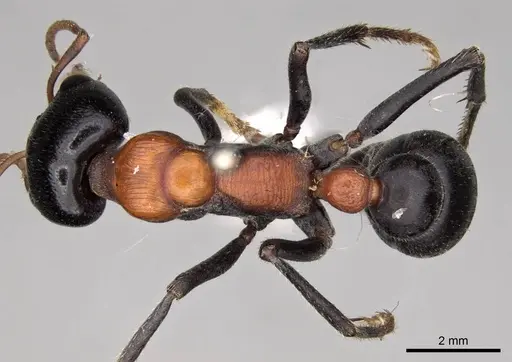
Literature
Loading distribution map...Loading products...