
Myrmecia michaelseni
- Sci. Name
- Myrmecia michaelseni
- Tribe
- Myrmeciini
- Subfamily
- Myrmeciinae
- Author
- Forel, 1907
- Distribution
- Found in 1 countries
Introduction
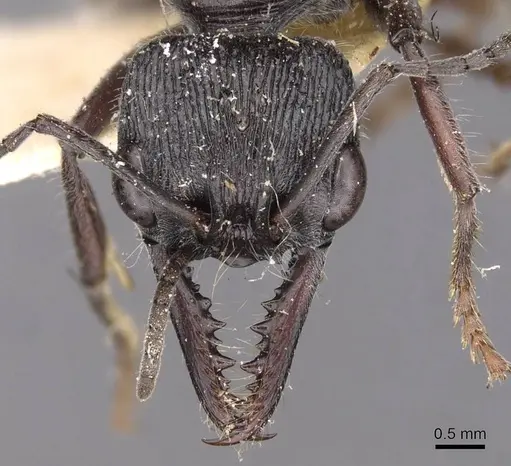
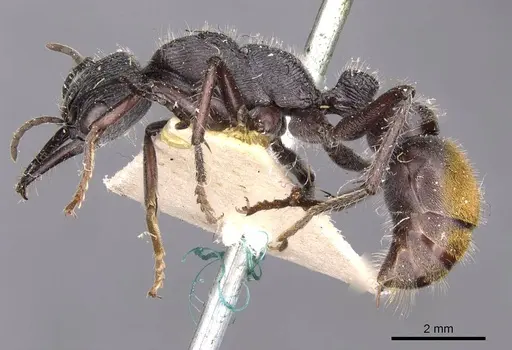
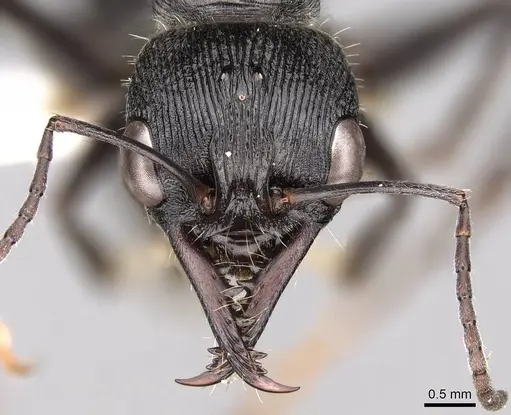
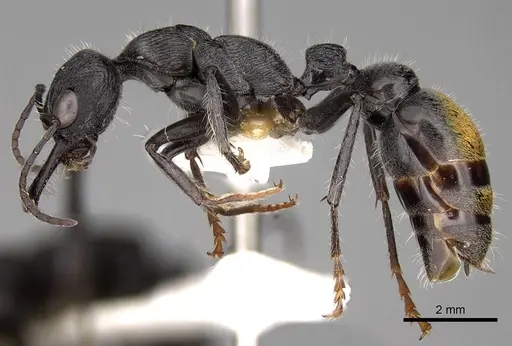
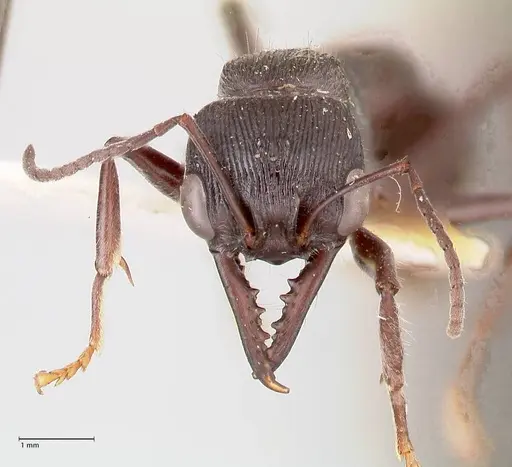
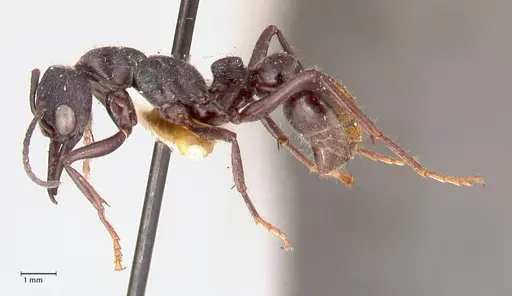
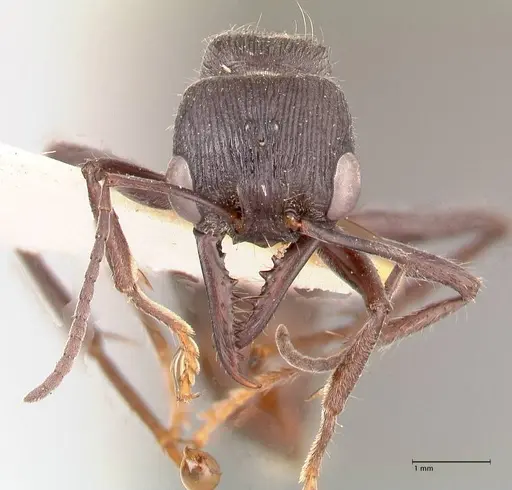
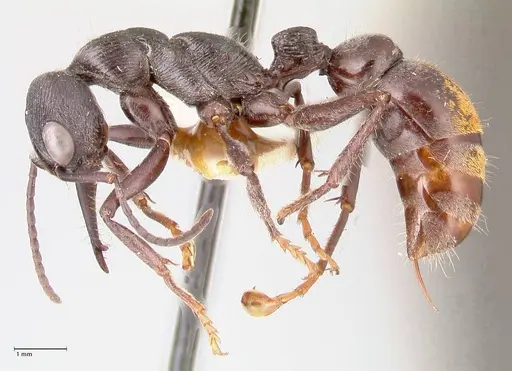
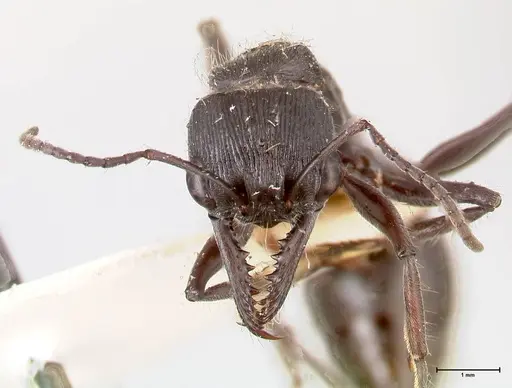
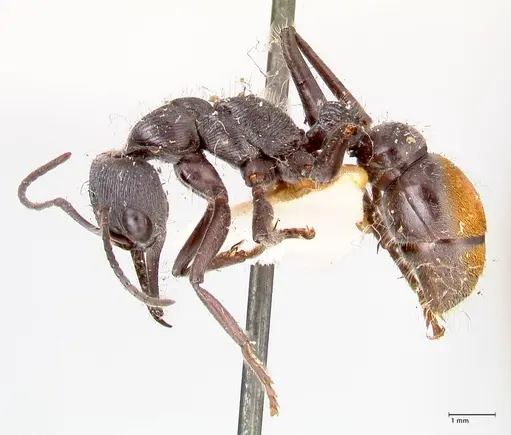
Myrmecia michaelseni is a black bulldog ant native to Western Australia, found in the Jarrah-Marri forests of the wetter south-western regions . Workers are black with distinctive yellow to orange-yellow pubescence on the abdomen, which helps distinguish them from the similar Myrmecia rugosa species . This species belongs to the pilosula species group . Queens were described by Clark in 1943 . These ants are known for their powerful mandibles and painful sting, typical of the Myrmecia genus.
Quick Summary
- Difficulty: Medium
- Origin & Habitat: Western Australia, specifically the Jarrah-Marri forests in the wetter south-western parts of the state [1]. These ants inhabit damp, forested areas.
- Colony Type: Colony structure is unconfirmed. Like other Myrmecia species, this may be single-queen but specific data is unavailable.
- Size & Growth:
- Queen: Size data unavailable, no measurements found in literature
- Worker: Size data unavailable, no measurements found in literature
- Colony: Unknown at maturity
- Growth: Moderate
- Development: Unknown, development time unstudied for this species (Development is likely temperature-dependent like other Myrmecia species)
- Antkeeping:
- Temperature: Keep nest area at 24-28°C. Myrmecia are warmth-loving ants, but avoid overheating. A heating cable on one side of the nest creates a gentle gradient allowing ants to self-regulate.
- Humidity: Moderate humidity around 50-60%. These forest-dwelling ants prefer conditions that mimic their damp habitat but not waterlogged.
- Diapause: Likely yes, Western Australian temperate origin suggests a winter rest period. Reduce temperature to 10-15°C for 2-3 months during winter.
- Nesting: Y-tong (AAC) nests or plaster nests work well. These ants are moderately large and can chew through softer materials. Provide a deep nesting area as they naturally dig chambers in soil or rotting wood.
- Behavior: Typical bulldog ant temperament, defensive and willing to use their potent sting when threatened. Workers are active foragers, hunting insects and scavenging. They have good vision and will investigate disturbances. Escape risk is moderate, they're large enough to be contained with standard barriers but strong enough to find weak points. Close-fitting lids and smooth barrier bands are essential.
- Common Issues: sting pain, these ants have a painful sting and should be handled with caution, colony establishment can be slow, beginners may lose patience during the founding phase, queen founding stress, disturbance during founding often leads to colony failure, escape prevention requires attention, check lids and barriers regularly, overheating is a risk, temperatures above 32°C can be fatal
Housing and Nest Setup
Myrmecia michaelseni does well in a Y-tong (AAC) nest or a plaster formicarium. These ants are large enough to handle most standard setups, but they can be destructive to softer materials over time. Provide a deep outworld area for foraging, these are active hunters that will chase down prey. Use a test tube setup for the founding queen, then transition to a proper nest once the colony reaches 15-20 workers. Ensure the nest has chambers large enough for the colony to move freely but with some tight spaces that help them feel secure. A water test tube connected to the nest helps maintain humidity. [1]
Feeding and Diet
Like other Myrmecia bulldog ants, M. michaelseni is a predator that primarily hunts insects. Offer live prey like crickets, mealworms, and roaches appropriate to the colony size. Smaller colonies can be fed fruit flies, small crickets, and other tiny insects. They also accept sugar water or honey as an energy source, especially once workers are established. Feed protein-rich prey several times per week for growing colonies, and provide a constant sugar source. Remove uneaten prey after 24-48 hours to prevent mold issues. As the colony grows, increase prey size accordingly.
Temperature and Seasonal Care
Maintain nest temperatures between 24-28°C. These Australian ants prefer warmth but can tolerate room temperature if needed. A small heating cable or heat mat on one side of the nest creates a temperature gradient that ants can use to regulate their own conditions. During the winter months, reduce temperatures to 10-15°C to simulate their natural seasonal cycle. This diapause period is important for colony health and may trigger reproductive behavior in established colonies. Do not feed during hibernation and reduce moisture.
Handling and Temperament
Myrmecia michaelseni has a painful sting and should be treated with respect. These ants are defensive and will not hesitate to bite or sting if they feel threatened. When working with the colony, move slowly and avoid sudden vibrations. Never handle ants with bare hands, especially once the colony has workers. If you need to move the colony, use gentle coaxing with a paintbrush or let them walk into a transfer container. Their good vision means they will notice movement, approach from the side rather than directly above. The sting is potent enough to cause significant pain, and some people may have allergic reactions.
Colony Founding
Myrmecia queens are typically claustral founders. The queen seals herself in a chamber and raises the first brood alone, surviving on stored fat reserves. This process takes several months. Place the founding queen in a simple test tube setup with a water reservoir. Keep her in darkness and do not disturb her during this critical period. Signs of successful founding include the queen remaining sealed in her chamber, then eventually workers emerging. Do not feed the queen during founding, she will not eat and the food will only cause mold problems. Once workers emerge, you can slowly introduce small amounts of prey.
Frequently Asked Questions
How long does it take for the first workers to emerge?
Development time is unstudied for this species. For Myrmecia species generally, expect several months from egg to first worker at optimal temperature.
Can I keep multiple Myrmecia michaelseni queens together?
No. Like most Myrmecia species, this is likely a single-queen species. Multiple unrelated queens will fight to the death. Only keep one queen per colony.
What do I feed Myrmecia michaelseni?
Feed them live insects like crickets, mealworms, and fruit flies. They also accept sugar water or honey. Protein-rich prey should be offered several times per week, with a constant sugar source available.
Do Myrmecia michaelseni need hibernation?
Yes, likely. As a Western Australian species from a temperate climate, they probably need a winter rest period. Reduce temperature to 10-15°C for 2-3 months during winter.
Is Myrmecia michaelseni good for beginners?
No, this species is better suited for intermediate to experienced antkeepers. The painful sting, slower colony growth, and specific temperature requirements make it challenging for complete beginners.
When should I move my colony to a formicarium?
Wait until the colony has 15-20 workers before transitioning from a test tube to a proper nest. Make sure the formicarium is properly set up with humidity and temperature control before the move.
How big do Myrmecia michaelseni colonies get?
Colony size at maturity is unknown for this species. Myrmecia colonies can reach several hundred workers over time.
What temperature is ideal for Myrmecia michaelseni?
Keep the nest at 24-28°C. They prefer warmth but avoid temperatures above 32°C. A heating cable on one side creates a gradient for self-regulation.
Why did my founding queen die?
Founding queens are sensitive to disturbance. Common causes include: too much handling, vibrations, light exposure, mold from uneaten food, or temperatures that are too high or too low. Keep founding queens completely undisturbed in darkness.
Report an Issue
The current care sheet is based fully on literature. See inconsistencies, or something that's incorrect? Please , it will be resolved after review from an admin. Contributing to the blogs tab also helps providing information, to make us be able to further improve the caresheets. Thank you for your support!
References

This caresheet is licensed under CC BY-SA 4.0 .
Community Blogs
CASENT0907087
View on AntWeb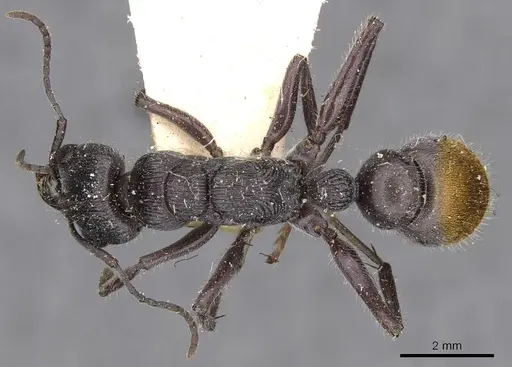
CASENT0914307
View on AntWeb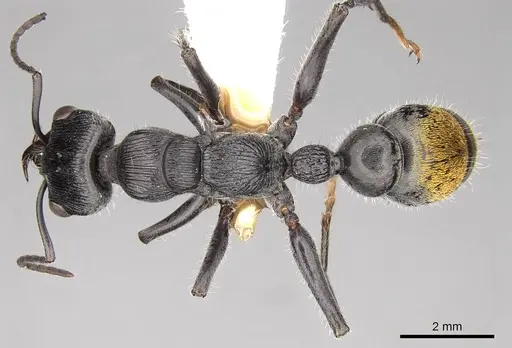
FOCOL0821
View on AntWeb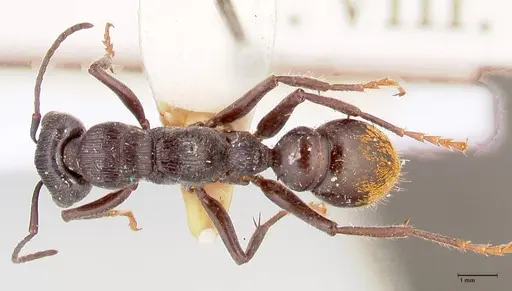
FOCOL0822
View on AntWeb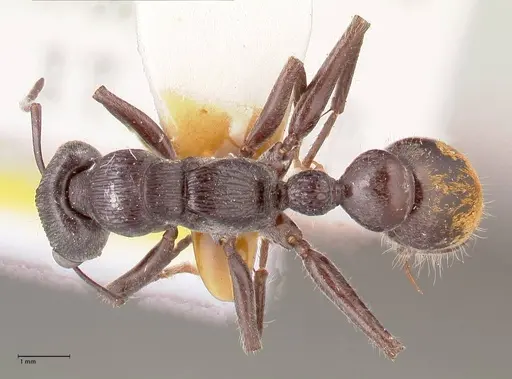
FOCOL0823
View on AntWeb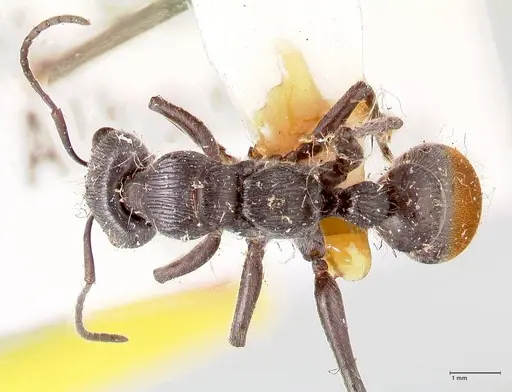
Literature
Loading distribution map...Loading products...