
Myrmecia browningi
- Sci. Name
- Myrmecia browningi
- Tribe
- Myrmeciini
- Subfamily
- Myrmeciinae
- Author
- Ogata & Taylor, 1991
- Distribution
- Found in 1 countries
Introduction
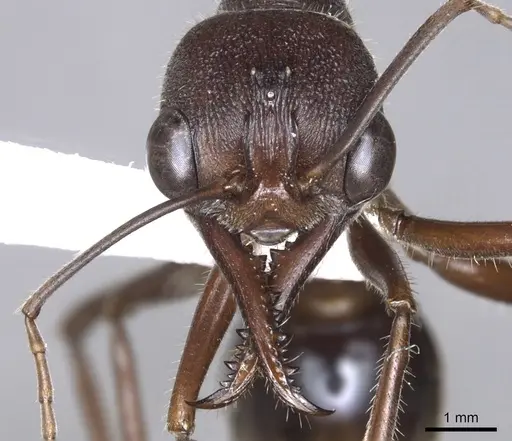
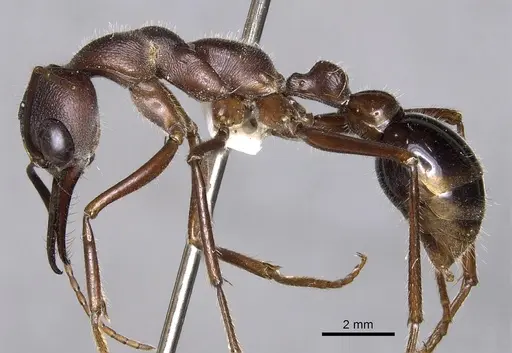
Myrmecia browningi is a large bulldog ant species endemic to Kangaroo Island in South Australia. Workers are robust ants with the characteristic large mandibles and potent sting typical of Myrmecia species. As part of the gulosa species group, they display typical bulldog ant morphology with a powerful sting that can cause significant pain . This species was formally described in 1991 by Ogata and Taylor, with type specimens collected from the Finders Chase National Park area on Kangaroo Island . What makes M. browningi interesting is its limited geographic range - it is known only from Kangaroo Island, making it a localized Australian endemic. Like all Myrmecia bulldog ants, they are active hunters with a potent sting used for defense and subduing prey.
Quick Summary
- Difficulty: Medium
- Origin & Habitat: Kangaroo Island, South Australia. Found in the Finders Chase National Park area and surrounding regions. The island has a Mediterranean climate with mild, wet winters and warm, dry summers [1].
- Colony Type: Colony structure is unconfirmed. Based on typical Myrmecia patterns, colonies likely have one functional queen, but specific data for this species is unavailable.
- Size & Growth:
- Queen: Size data unavailable for this species. Based on other gulosa group members, queens likely exceed 18mm.
- Worker: Size data unavailable for this species. Based on other gulosa group members, workers likely range 12-18mm.
- Colony: Colony size data unavailable for this species.
- Growth: Growth rate is unconfirmed for this species.
- Development: Development timeline is unconfirmed for this species. (Myrmecia species typically take several months to produce first workers under warm conditions.)
- Antkeeping:
- Temperature: Keep nest area at 24-28°C. A heating cable on one side creates a temperature gradient. Kangaroo Island has mild temperatures, but Myrmecia prefer warm conditions. Room temperature (20-24°C) is acceptable, with warmer areas preferred for brood development [1].
- Humidity: Moderate humidity around 50-60%. Provide a water tube for drinking access. Mist occasionally but allow drying between waterings. Avoid waterlogged conditions [1].
- Diapause: Partial winter rest may be beneficial. Kangaroo Island winters are mild (10-15°C average). Consider reducing temperatures to 15-18°C for 2-3 months during winter months, but full hibernation is not necessary for this species [1].
- Nesting: Y-tong (AAC) nests work well for larger Myrmecia species. Naturalistic setups with soil and flat stones also suit them. Provide deep soil chambers for brood rearing. Escape prevention is important, use fluon on test tube rims and ensure tight-fitting lids [1].
- Behavior: Myrmecia browningi is an aggressive, defensive species typical of bulldog ants. Workers are active foragers that hunt insects and collect honeydew from sap-sucking insects. They have a potent sting and will readily defend the nest against threats. Workers are large and visible, making them easy to observe. They are diurnal (daytime) foragers, especially active during warmer hours. Escape risk is moderate, their large size makes them easier to contain than tiny ants, but they are strong and determined. Always use excellent escape prevention due to their ability to climb smooth surfaces [1].
- Common Issues: stings are painful and can cause allergic reactions in sensitive individuals, handle with caution, colonies can be slow to establish, beginners may lose patience during the founding phase, queens are claustral but may abandon broods if disturbed too frequently during founding, large size requires spacious outworlds to prevent workers from feeling cramped, aggressive defense means frequent feeding and nest maintenance can stress the colony
Nest Preferences and Housing
Myrmecia browningi does well in Y-tong (AAC) nests designed for large ants, or in naturalistic setups with deep soil chambers. The gulosa species group members are ground-nesting ants that prefer enclosed nest spaces where they can control humidity. Provide a water tube connected to the nest, these ants drink regularly and need constant access to fresh water. The outworld should be spacious enough for workers to move freely and for hunting prey. Use a test tube setup for the founding queen, then transition to a formicarium once the colony reaches 20-30 workers. Escape prevention is critical, apply fluon or similar barrier gel to all edges and openings, as Myrmecia can climb smooth surfaces effectively [1].
Feeding and Diet
Myrmecia browningi is a predatory ant that primarily hunts insects and other small arthropods. In captivity, offer live prey such as small crickets, mealworms, and fruit flies. They will also accept sugar sources including honey water and sugar water solutions. For a balanced diet, provide protein prey 2-3 times per week and keep a constant sugar water supply available. Workers will forage actively in the outworld, capturing and subduing prey with their powerful mandibles before stinging it for transport back to the nest. Remove any uneaten prey after 24-48 hours to prevent mold issues. Fresh water should always be available [1].
Temperature and Seasonal Care
Keep Myrmecia browningi at warm temperatures between 24-28°C for optimal brood development. A temperature gradient allows workers to choose their preferred warmth. During Australian winter (June-August), the colony will naturally reduce activity. You can simulate this by lowering temperatures to 15-18°C for 2-3 months, this mimics their natural seasonal cycle and may improve colony health long-term. However, full hibernation is not required as Kangaroo Island winters are mild. Avoid temperatures below 10°C. Heating can be provided via heating cables placed on top of the nest, or by positioning the formicarium near a warm location. Monitor colony behavior, if workers become sluggish and cluster together, they may need more warmth [1].
Behavior and Temperament
This species exhibits classic bulldog ant behavior, they are aggressive, territorial, and will readily attack any perceived threat to the colony. Workers are confident foragers that actively hunt rather than just scavenge. When threatened, they raise their abdomen and mandibles in a defensive display before stinging. The sting is potent and can cause significant pain, swelling, and in sensitive individuals, allergic reactions. Handle with extreme caution, never disturb the nest without proper protection. Workers are diurnal, with peak activity during warmer parts of the day. They establish clear foraging trails and will defend food resources aggressively. Despite their aggression toward threats, established colonies in captivity can become somewhat tolerant of keeper presence when fed regularly [1].
Colony Development and Growth
Myrmecia browningi likely follows the typical claustral founding pattern where the queen seals herself in a chamber and raises the first brood alone. She relies on stored fat reserves and wing muscles for energy, not leaving to forage. The first workers (nanitics) will be smaller than mature workers but immediately begin helping with colony tasks. Growth is likely moderate, expect 6-12 months to reach 50+ workers under good conditions. The colony will expand progressively as the queen continues laying eggs. Development time depends heavily on temperature, warmer conditions within the safe range speed development. Provide stable, warm conditions and adequate protein food for optimal growth [1].
Frequently Asked Questions
How long does it take for Myrmecia browningi to get first workers?
Exact development time is unconfirmed for this species. Based on typical Myrmecia patterns, first workers typically appear after several months under warm conditions (24-28°C). The exact timing depends on temperature, cooler conditions will slow development significantly.
Are Myrmecia browningi good for beginners?
They are considered medium difficulty. While not the most challenging species, their aggressive temperament and potent sting require experience with ant keeping. Beginners should have some experience with larger, more defensive ant species before attempting Myrmecia.
What do Myrmecia browningi eat?
They are predatory ants that primarily eat insects and small arthropods. Feed them live prey like small crickets, mealworms, and fruit flies. They also accept sugar sources like honey water and sugar water. Provide protein prey 2-3 times weekly and constant sugar water.
Can I keep multiple Myrmecia browningi queens together?
Colony structure is unconfirmed for this species. Unlike some Myrmecia species that may form multi-queen colonies, M. browningi colony organization needs further study. Introducing multiple unrelated queens will likely result in fighting.
Do Myrmecia browningi need hibernation?
A partial winter rest is beneficial but not required. Kangaroo Island has mild winters, so a full hibernation is unnecessary. Reduce temperatures to 15-18°C for 2-3 months during winter to simulate their natural seasonal cycle.
How big do Myrmecia browningi colonies get?
Colony size data is unavailable for this species. Based on other Myrmecia gulosa group members, colonies likely reach several hundred workers at maturity.
What temperature should I keep Myrmecia browningi at?
Keep nest temperatures at 24-28°C. A temperature gradient is ideal so workers can choose their preferred warmth. Room temperature (20-24°C) is acceptable, but warmer conditions promote faster brood development.
When should I move Myrmecia browningi to a formicarium?
Move from test tube to formicarium once the colony reaches 20-30 workers. Myrmecia need space to expand and establish proper foraging areas. Ensure the formicarium has appropriate chamber sizes for their large body size.
Why is my Myrmecia browningi colony declining?
Common causes include: disturbance during founding (queen may abandon brood), insufficient protein food, temperatures too cold, or excessive humidity causing mold. Also check for stress from frequent nest inspections. Ensure proper feeding and stable conditions.
Report an Issue
The current care sheet is based fully on literature. See inconsistencies, or something that's incorrect? Please , it will be resolved after review from an admin. Contributing to the blogs tab also helps providing information, to make us be able to further improve the caresheets. Thank you for your support!
References

This caresheet is licensed under CC BY-SA 4.0 .
Community Blogs
CASENT0902792
View on AntWeb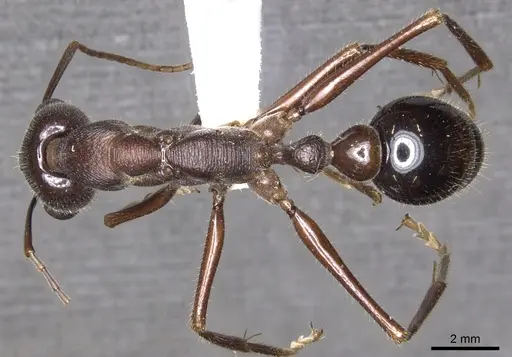
Literature
Loading distribution map...Loading products...