
Myrmecia acuta
- Sci. Name
- Myrmecia acuta
- Tribe
- Myrmeciini
- Subfamily
- Myrmeciinae
- Author
- Ogata & Taylor, 1991
- Distribution
- Found in 1 countries
Introduction
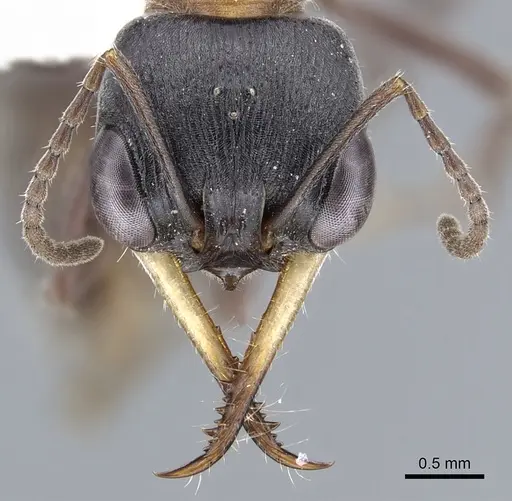
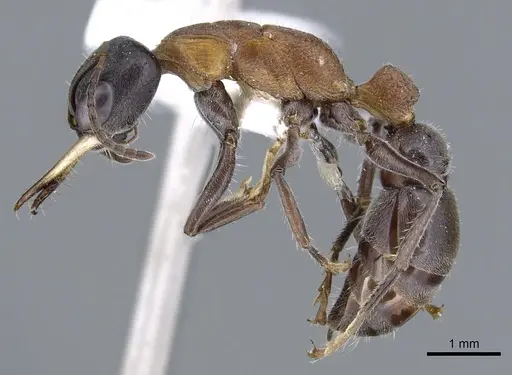
Myrmecia acuta is a medium-sized bulldog ant endemic to the Esperance region in Western Australia. Workers are characterized by their relatively slender build and a distinctive pointed (acuminate) labral process - a projection on the front of the head that gives them their species name 'acuta' . The species was formally described in 1991 by Ogata and Taylor, though some researchers note it may represent a variation of Myrmecia swalei rather than a fully distinct species . As a member of the pilosula species group, these ants share typical Myrmecia traits: large eyes, powerful mandibles, and a potent sting. The genus Myrmecia is famous for being among the most aggressive ants in Australia, with workers known for bold foraging behavior and willingness to chase intruders .
Quick Summary
- Difficulty: Medium
- Origin & Habitat: Endemic to the Esperance area in Western Australia, Australia. Found in the southwestern Australian biodiversity hotspot, typically in sclerophyll forest or woodland habitats [2].
- Colony Type: Likely monogyne based on typical Myrmecia patterns. Colony structure for this specific species has not been directly studied.
- Size & Growth:
- Queen: Approximately 15-18mm, inferred from Myrmecia genus
- Worker: Size data unavailable, no specific measurements in literature
- Colony: Likely several hundred workers at maturity based on genus patterns
- Growth: Moderate, typical for Myrmecia species
- Development: Approximately 2-3 months at optimal temperature, inferred from related Myrmecia species (Development time is unconfirmed for this specific species)
- Antkeeping:
- Temperature: Keep at 24-28°C during active season. Myrmecia are warmth-loving and benefit from a thermal gradient. Room temperature is often insufficient, consider a heating cable on one side of the nest.
- Humidity: Moderate humidity around 50-60%. These ants prefer well-drained nests but need access to water. Provide a water tube and mist occasionally.
- Diapause: Partial dormancy in winter months. Reduce temperature to 15-18°C during Australian winter (June-August) but do not refrigerate. This mimics their natural seasonal cycle.
- Nesting: Y-tong (AAC) nests or naturalistic setups with deep soil work well. Myrmecia are ground-nesting and appreciate deeper chambers. Avoid overly compact setups as they like to move around.
- Behavior: Myrmecia acuta displays classic bulldog ant behavior: bold, aggressive, and highly active. Workers forage individually rather than in trails, using their excellent vision to locate prey and investigate threats. They are not shy, workers will readily investigate disturbances and may chase perceived threats for considerable distances. Their sting is among the more potent in the ant world, delivering painful venom. Escape risk is moderate, they are large ants but can climb smooth surfaces. Use a barrier like fluon on test tube rims. Handle with caution.
- Common Issues: queens can be difficult to establish in captivity, they may reject nests or become stressed, heating is critical, without warmth, colonies become sluggish and may fail to develop, overfeeding can cause mold issues, remove uneaten prey promptly, test tube setups can flood if water reservoirs are overfilled, winter cooling must be gradual, sudden temperature drops cause stress
Nest Preferences
Myrmecia acuta is a ground-nesting species that in the wild excavates nests in soil, often under stones or in shaded areas. In captivity, they adapt well to Y-tong (AAC) nests or test tube setups with added soil chambers. They prefer deeper nesting areas where they can retreat and raise brood. A naturalistic setup with a soil chamber connected to an outworld works excellently, this mimics their natural burrowing behavior. The nest should have chambers large enough for the colony to spread out once they reach several dozen workers. Avoid very compact acrylic nests without soil, Myrmecia seem to do better with some substrate available. [2]
Feeding and Diet
Myrmecia acuta is predatory by nature, like all bulldog ants. Workers actively hunt and capture prey rather than simply collecting honeydew. In captivity, their diet should consist primarily of live insects: small crickets, mealworms, roaches, and other appropriately-sized invertebrates. They also readily accept sugar water or honey as an energy source. Feed protein prey 2-3 times per week, and keep a constant supply of sugar water available. Remove uneaten prey within 24 hours to prevent mold. Unlike some ants that ignore sugar, Myrmecia will readily take honey water, this is useful for boosting energy during colony growth. [2]
Temperature and Seasonal Care
These ants need warm conditions to thrive. Maintain temperatures between 24-28°C during the active season. A heating cable or heat mat placed on one side of the nest creates a thermal gradient that ants can self-regulate by moving between warmer and cooler areas. During Australian winter (roughly June to August), gradually reduce temperature to around 15-18°C to simulate their natural seasonal cycle. This winter rest period is important for colony health, colonies that are kept warm year-round may become stressed or have shortened lifespans. Do not refrigerate them as this can be fatal. Return to warm temperatures gradually in spring.
Behavior and Temperament
Myrmecia acuta displays classic bulldog ant behavior: bold, aggressive, and highly active. Workers forage individually rather than in trails, using their excellent vision to locate prey and investigate threats. They are not shy, workers will readily investigate disturbances and may chase perceived threats for considerable distances. Their sting is among the more potent in the ant world, delivering painful venom. For keepers, this means using caution during colony maintenance and ensuring secure escape prevention, while large, they can climb smooth surfaces. They are not suitable for observation nests where you want to frequently observe without disturbing them. Colonies become more active and aggressive when hungry. [2]
Frequently Asked Questions
How long does it take for Myrmecia acuta to raise first workers?
Expect first workers (nanitics) approximately 2-3 months after the queen lays eggs, assuming optimal temperature around 26°C. This is typical for Myrmecia genus. The exact timeline for M. acuta specifically is unconfirmed but should fall within this range.
Can I keep Myrmecia acuta in a test tube setup?
Yes, test tubes work well for founding colonies. Use a water tube with a cotton plug for humidity. Once the colony reaches 20-30 workers, consider moving to a larger setup like a Y-tong nest or naturalistic formicarium with soil.
Do Myrmecia acuta ants sting?
Yes, they can and will sting. Their sting is potent and painful, among the more dangerous ant stings in Australia. Handle with caution and avoid provoking workers. The sting can cause localized pain and swelling in most people.
What do I feed Myrmecia acuta?
Feed live insects (crickets, mealworms, small roaches) 2-3 times per week as protein. Keep a constant supply of sugar water or honey available. Remove uneaten prey within 24 hours. They are predatory hunters, not scavengers.
Are Myrmecia acuta good for beginners?
This species is rated medium difficulty. While rewarding, they require more attention than beginner species: proper heating, careful feeding, and respect for their potent sting. They are not recommended as a first ant unless you are prepared for the responsibility.
Do Myrmecia acuta need hibernation?
They need a partial dormancy period in winter. Reduce temperature to 15-18°C during Australian winter (June-August) but keep them active rather than fully dormant. This seasonal cycle is important for long-term colony health.
How big do Myrmecia acuta colonies get?
Based on genus patterns, colonies likely reach several hundred workers at maturity. The exact maximum for this species is unconfirmed. Growth is moderate, expect several months to reach 50 workers.
Why is my Myrmecia acuta queen rejecting the nest?
Queens can be particular about founding chambers. Try providing a darker, more enclosed space. Some keepers have success with slightly damp (not wet) substrate. If she continuously paces outside the test tube, try a different setup or add a small soil chamber.
Can I keep multiple Myrmecia acuta queens together?
Not recommended. Myrmecia are typically monogyne (single queen) and queens will fight. Pleometrosis (multiple queens founding together) has not been documented for this species. Start with one queen per colony.
What temperature is ideal for Myrmecia acuta?
Keep the nest at 24-28°C during the active season. Use a heating cable on one side to create a gradient. Room temperature alone is usually insufficient. Monitor with a thermometer and adjust based on colony activity.
Report an Issue
The current care sheet is based fully on literature. See inconsistencies, or something that's incorrect? Please , it will be resolved after review from an admin. Contributing to the blogs tab also helps providing information, to make us be able to further improve the caresheets. Thank you for your support!
References

This caresheet is licensed under CC BY-SA 4.0 .
Community Blogs
CASENT0902811
View on AntWeb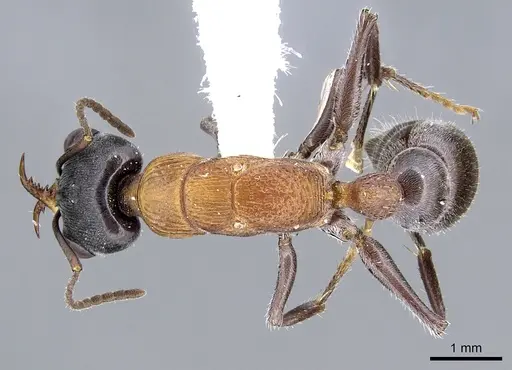
Literature
Loading distribution map...Loading products...